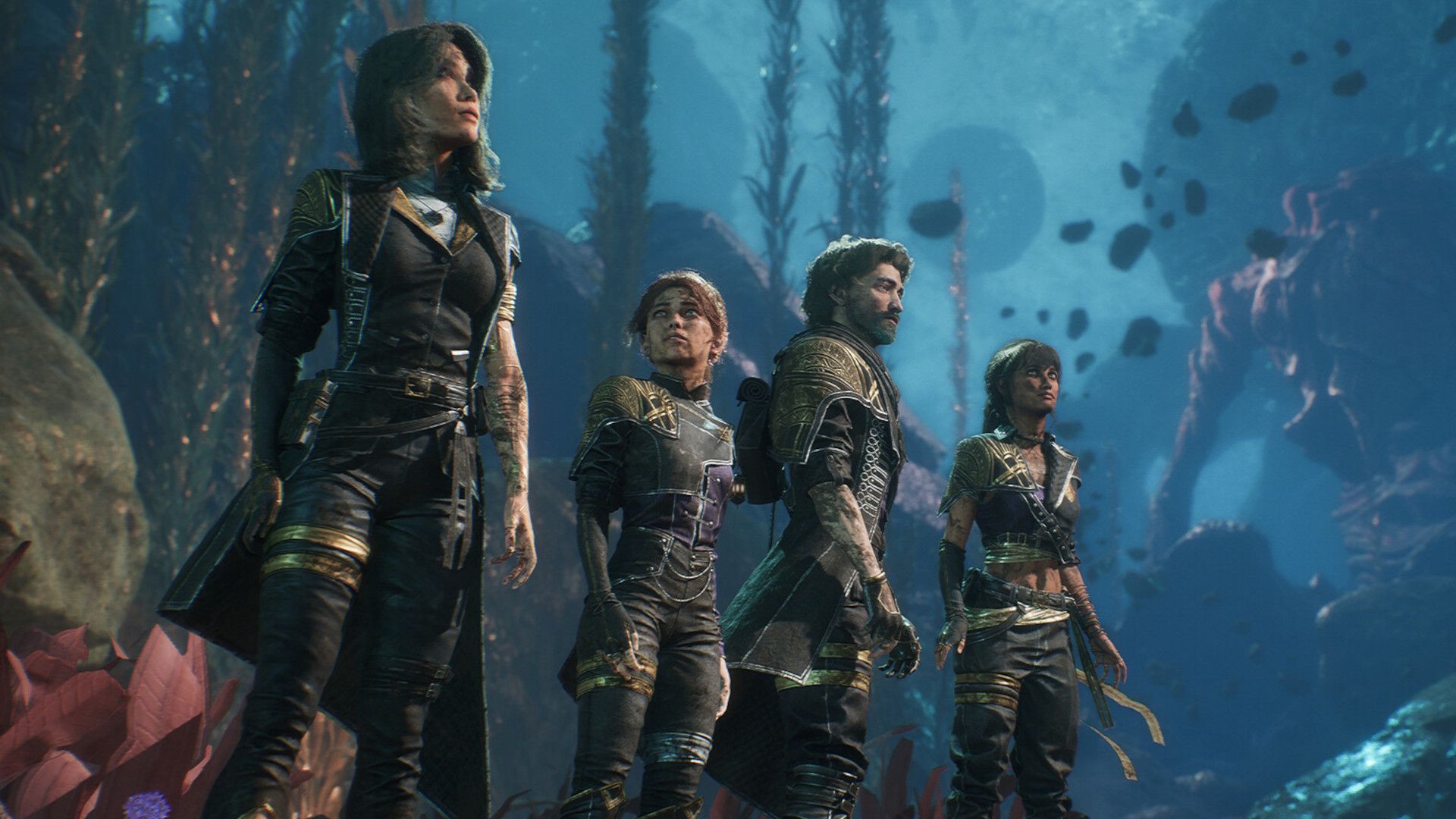
Since its 2017 debut, Xbox Game Pass has continually changed — but the update Microsoft announced on Oct. 1 is the most sweeping yet. The company restructured tiers and pricing, retired the standalone PC Game Pass, introduced revamped Essential and Premium plans to replace Core and Standard, and expanded cloud streaming to more subscribers.
There’s a costly caveat: Game Pass Ultimate is jumping from $20 to $30 per month for access to day-one releases, including Xbox’s first-party titles. That benefit won’t be available on the cheaper plans. Given that day-one access has long been Game Pass’ headline value proposition, this is a fundamental shift.
Put bluntly: the era when Xbox Game Pass could be called the “best deal in gaming” is over.

To put the price change in context: when Game Pass launched in 2017 it cost about $10 per month (roughly $120 annually). Over the years Xbox adjusted what the subscription included, but it stayed cheap enough that the math almost always favored subscribing — especially if you planned to play new releases. In the early 2020s, a quick back-of-the-envelope comparison often showed that playing two full‑price titles a year was enough to justify an annual plan. Titles such as Halo: Infinite and Forza Horizon 5 illustrated that point plainly.
Xbox overhauled its pricing again in 2024, raising Ultimate to $20 per month (about $240 per year) as Microsoft absorbed Activision Blizzard and its day‑one catalogue — things like Call of Duty entries were expected to land on the service. Even so, the service still paid off after a handful of major releases. This year, a $20 monthly subscription would have included games like Clair Obscur: Expedition 33, Blue Prince, Hollow Knight: Silksong, plus first‑party releases such as Avowed and Doom: The Dark Ages.
Under the new structure, however, the break‑even math has shifted. To recoup $30 a month through day‑one releases alone, you’d need to play roughly six $70 retail games in a year. That’s not an impossible number, but it’s a different proposition than the old model. You can’t reliably count on Game Pass delivering six must‑play new titles every year — particularly after Xbox canceled high‑profile projects like Perfect Dark and Everwild. For many players, buying a handful of games individually may once again be the more sensible option.

There are still less expensive tiers with useful perks. The $15 Premium plan includes access to 200+ games and cloud streaming, while the $10 Essential tier offers a smaller catalog (around 50 titles), cloud streaming, and PC access. Those packages aren’t bad value for casual players, but neither restores the original Game Pass promise of day‑one releases as standard.
The situation brings to mind another subscription that burned bright, then faded: MoviePass. In the mid‑2010s, MoviePass grabbed headlines with an “unlimited” plan that let subscribers see many theatrical releases for a low flat fee. For people in major cities the economics were compelling — a couple of outings a month could easily justify the cost. Still, the model proved unsustainable; the company repeatedly pared back benefits and ultimately collapsed under the strain of its own pricing and operational challenges. (For contemporaneous reporting, see the coverage of MoviePass’ pricing and its later troubles.)
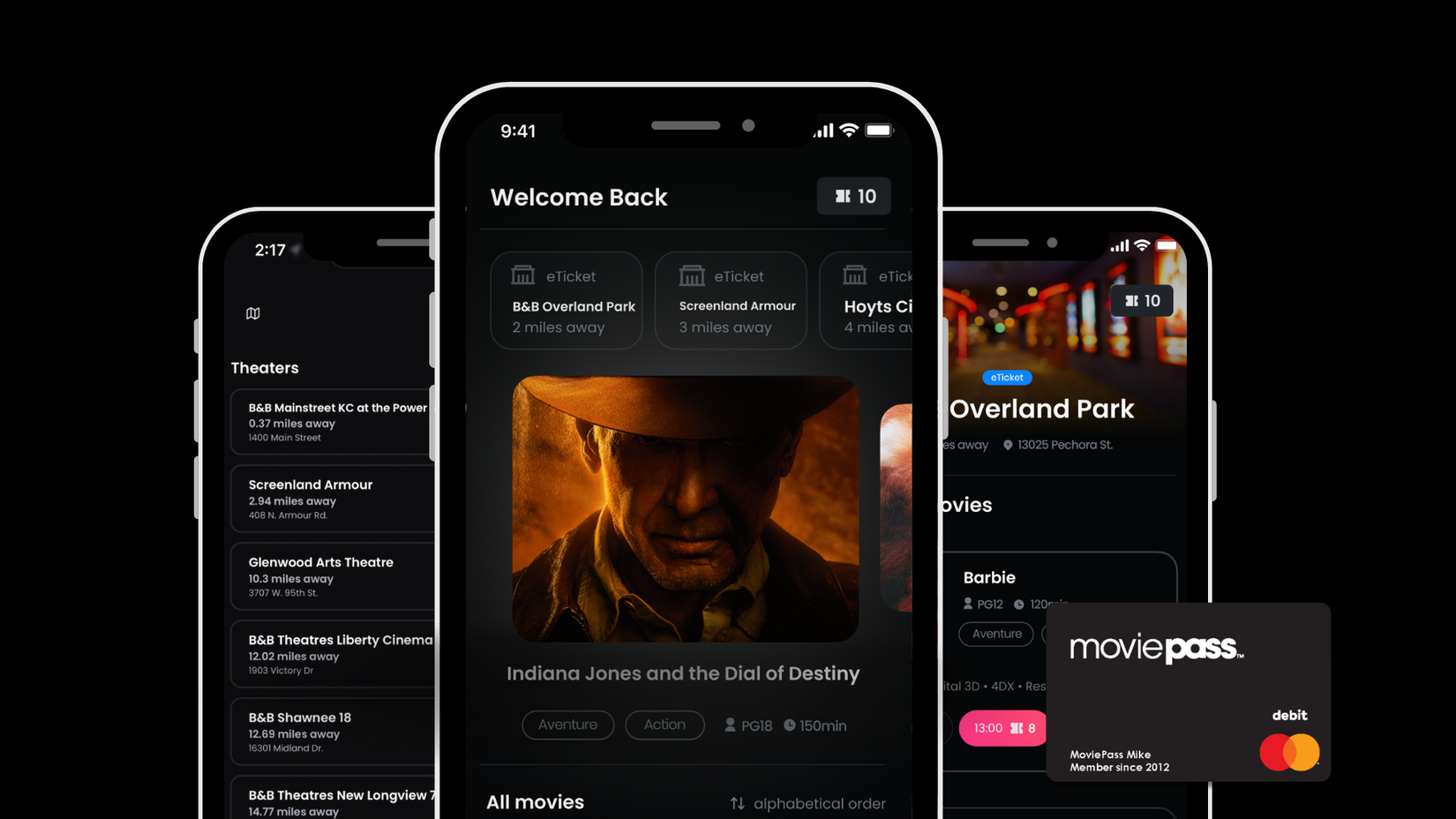
MoviePass eventually retreated from its unlimited model, folded subscribers into more restrictive plans, lost large swaths of customers, and faced legal and financial fallout. That arc is a cautionary tale: an attractive price does not guarantee a sustainable business, and turning a must‑have bargain into a marginal offer can quickly erode subscriber loyalty.
At the end of the day, entertainment subscriptions are optional luxuries, not necessities. They succeed only while the perceived value exceeds the cost. Each price increase tests that balance and invites subscribers to reassess. At $30 a month for Game Pass Ultimate, many players will rightly pause, tally up what they actually play, and decide whether the subscription still makes sense for their budget.
Source: Polygon