The Meaning Behind Thors’ Famous Quote on Violence in Vinland Saga
Vinland Saga initially presents itself as the kind of anime built around the very violence its narrative ultimately rejects. The series features Vikings, brutal raids, bloody combat, and a young protagonist driven for years by an obsession to kill the man who murdered his father. While it carries the surface elements of a classic revenge epic, the story underneath explores what it means to completely abandon violence.
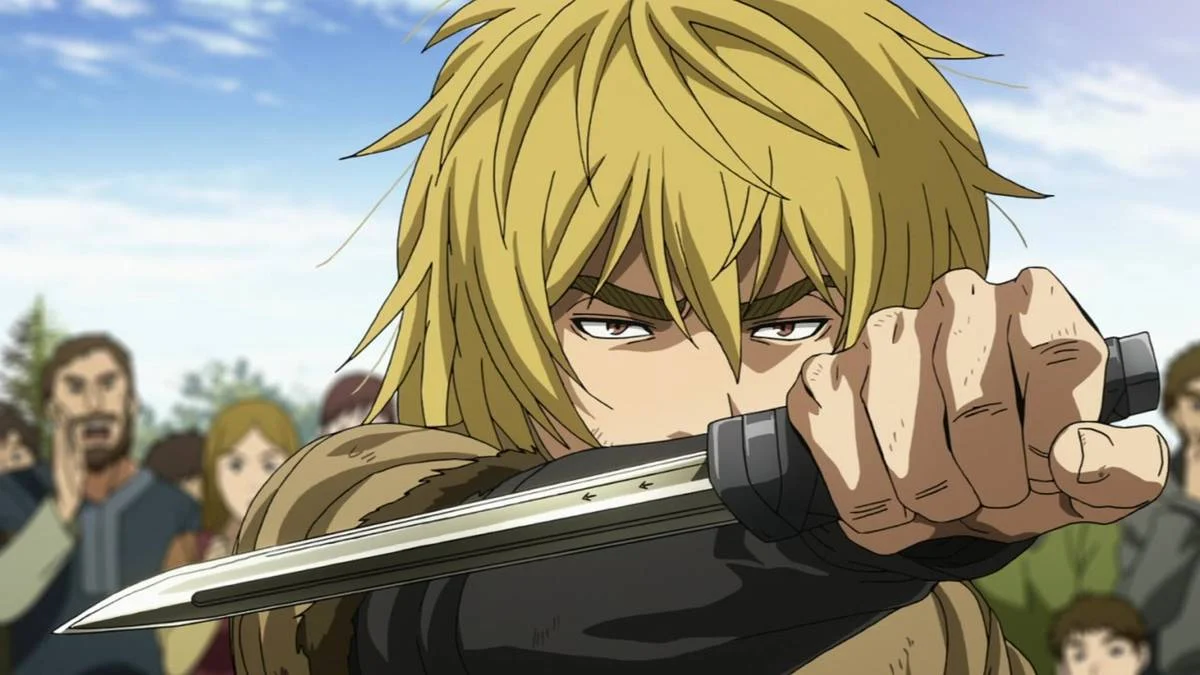
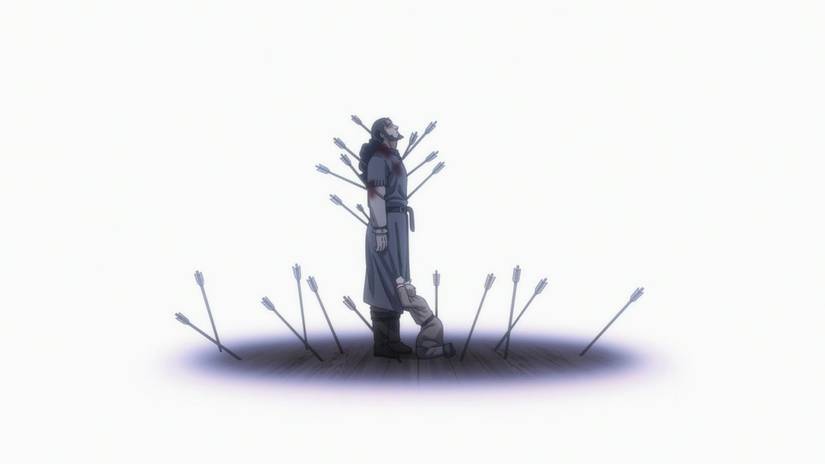
The parting words of Thors to his son encapsulate that philosophy. Having abandoned his previous life as a feared warrior, Thors gets pulled back into the violence he sought to escape. He returns to the battlefield to defend his village, only to face an ambush by Askeladd and his mercenary band. Thors easily overpowers the attackers but refuses to take a life, trading his own survival to protect his men and his son. Before dying in front of Thorfinn, Thors shares a final lesson:
“Listen to me, Thorfinn. You have no enemies. No one has any enemies. There is no one in this world that you should hurt.”
Living by such words proves nearly impossible in Thorfinn’s world. Thors does not offer a simple moral platitude. He asks his son to abandon fundamental assumptions of Norse warrior culture, including the belief that enemies are real, conflict is unavoidable, and personal worth stems from martial strength. Because Thorfinn grows up immersed in bloodshed, accepting that mindset presents an extraordinary struggle.
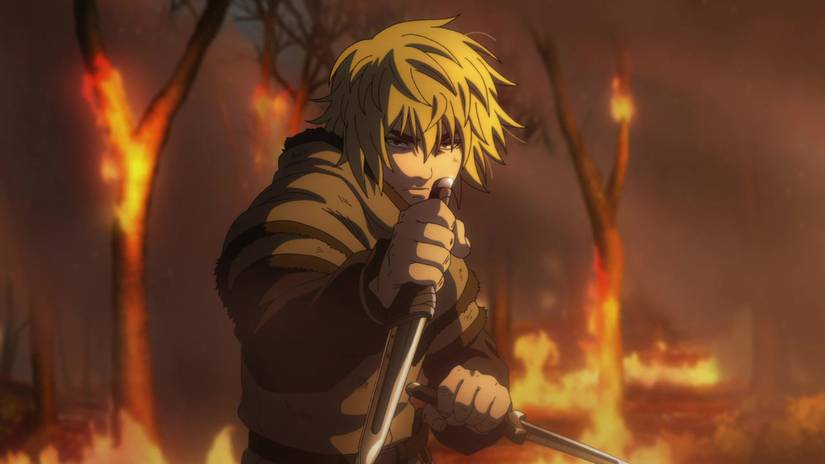
The series refuses to treat pacifism as a quick moral triumph. Thorfinn does not transform overnight upon hearing his father. Instead, he remains trapped in a destructive cycle of vengeance for years. Even when he begins to grasp what Thors meant, practicing peace requires immense effort.
Vinland Saga‘s second season, known as the Slave Arc, examines the aftermath of that lifestyle. After years of relentless combat, Thorfinn carries severe trauma, night terrors, and deep remorse for the lives he ruined. His growth shifts away from martial dominance toward confronting what strength means when violence is no longer an option.
Focusing on nonviolence sets the narrative apart from traditional action anime. Many popular series follow protagonists whose arcs center on acquiring greater combat power, including Goku in Dragon Ball, Monkey D. Luffy in One Piece, Yuji Itadori in Jujutsu Kaisen, and Sung Jin-Woo in Solo Leveling. In these stories, heroes train, master new techniques, and defeat tougher adversaries through superior force. While some shows question conflict, combat remains the central spectacle. Vinland Saga acknowledges that dynamic and subverts it.
Thorfinn achieves his greatest victories by actively choosing not to fight. The narrative does not claim that people can effortlessly talk through every hostility. Instead, it demonstrates that walking away from combat often demands far more courage and endurance than fighting. Thorfinn faces public humiliation, fear, physical pain, and the danger that nonviolence might cost him his life. The series treats nonviolence as demanding labor rather than an easy virtue.
Thors’ lesson challenges the worldview that shaped Thorfinn’s youth. Refusing to view another person as an enemy requires breaking a cycle of retaliation that predates Thorfinn and will persist long after him. While Vinland Saga delivers intense combat sequences, its core message remains quiet and profound: true strength lies in outgrowing the need to hurt others.
![“You don’t have enemies” -Thors scene [vinland saga English dub] 0-53 screenshot](https://static0.polygonimages.com/wordpress/wp-content/uploads/2026/08/you-don-t-have-enemies-thors-scene-vinland-saga-english-dub-0-53-screenshot.jpg?q=49&w=825&dpr=2)
 Rick and Morty Creators Reveal Season 10 Release Window
 Vampire Survivors to Get New DLC Next Week with New Characters, Weapons, and a Huge Map
 Strictly Limited to Release Mr. Nutz and Mr. Nutz: Hoppin’ Mad Cartridges for SNES, Sega Genesis, and Mega Drive
 Game Sales to Become Harder to Track as Xbox and EA Refuse to Share Data
 Geoff Keighley Explains Who Pays for Gamescom Showcases, Says Event Is Not Just for the Rich
 Cosplayer Showcases Shani from The Witcher 3: Hearts of Stone
 PS5 Sales No Longer Sony’s Top Priority as President Outlines New Strategy
 League of Legends Spinoff Axed, Triggering Massive Fan Outrage