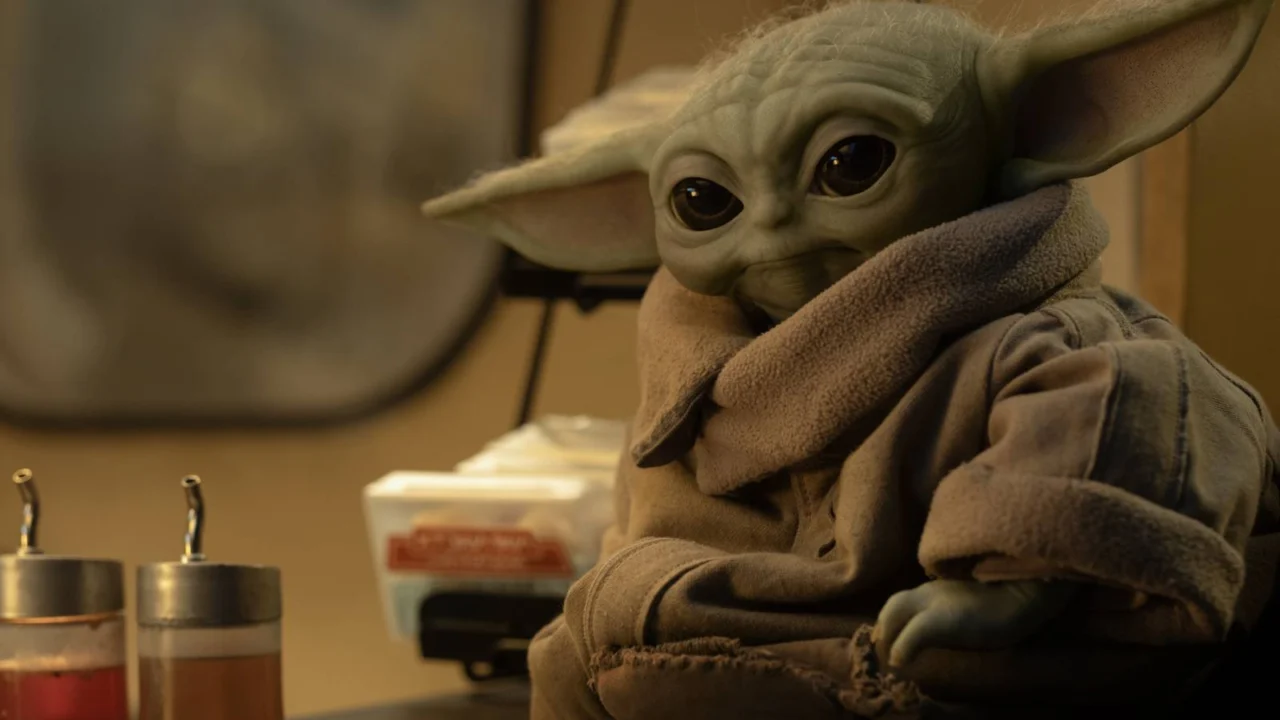
Star Wars VFX Interview Confirms Fan Theory on Grogu’s Force Powers
Grogu captured audiences from his first appearance in The Mandalorian. Long before viewers learned his name, the small green alien became an instant fan favorite and a comedic partner to Pedro Pascal’s terse bounty hunter, Din Djarin. Over three seasons, Grogu developed impressive Force abilities, including healing and halting a charging mudhorn, while also gaining armor and combat experience alongside Mando. In his feature film debut, Grogu revealed a practical skill linked to the original Star Wars trilogy.
During The Mandalorian and Grogu, Hutts capture Din and a Dragonsnake poisons him. Din urges Grogu to flee, but the child stays behind and shelters the unconscious warrior inside a mud hut built by hand. The structure closely resembles Yoda’s home on Dagobah in The Empire Strikes Back, which prompted fans to wonder how Grogu knew to make it.
Ahead of the movie’s Sept. 2 release on Disney Plus, visual effects director John Knoll confirmed that the shelter was meant to look like Yoda’s dwelling and explained the reason for the similarity.
“The ability to build those huts is something that’s genetic memory, and it’s his instinct to do that,” Knoll says. “Part of the message of the story is: The old protect the young, and then the young protect the old. So in the same way that Mando has been protecting and caring for Grogu while he is more defenseless, when Mando succumbed to this poison, and he’s disabled and vulnerable, Grogu is doing what he can to protect him from the elements and from predators.”
How Grogu’s hut was really made
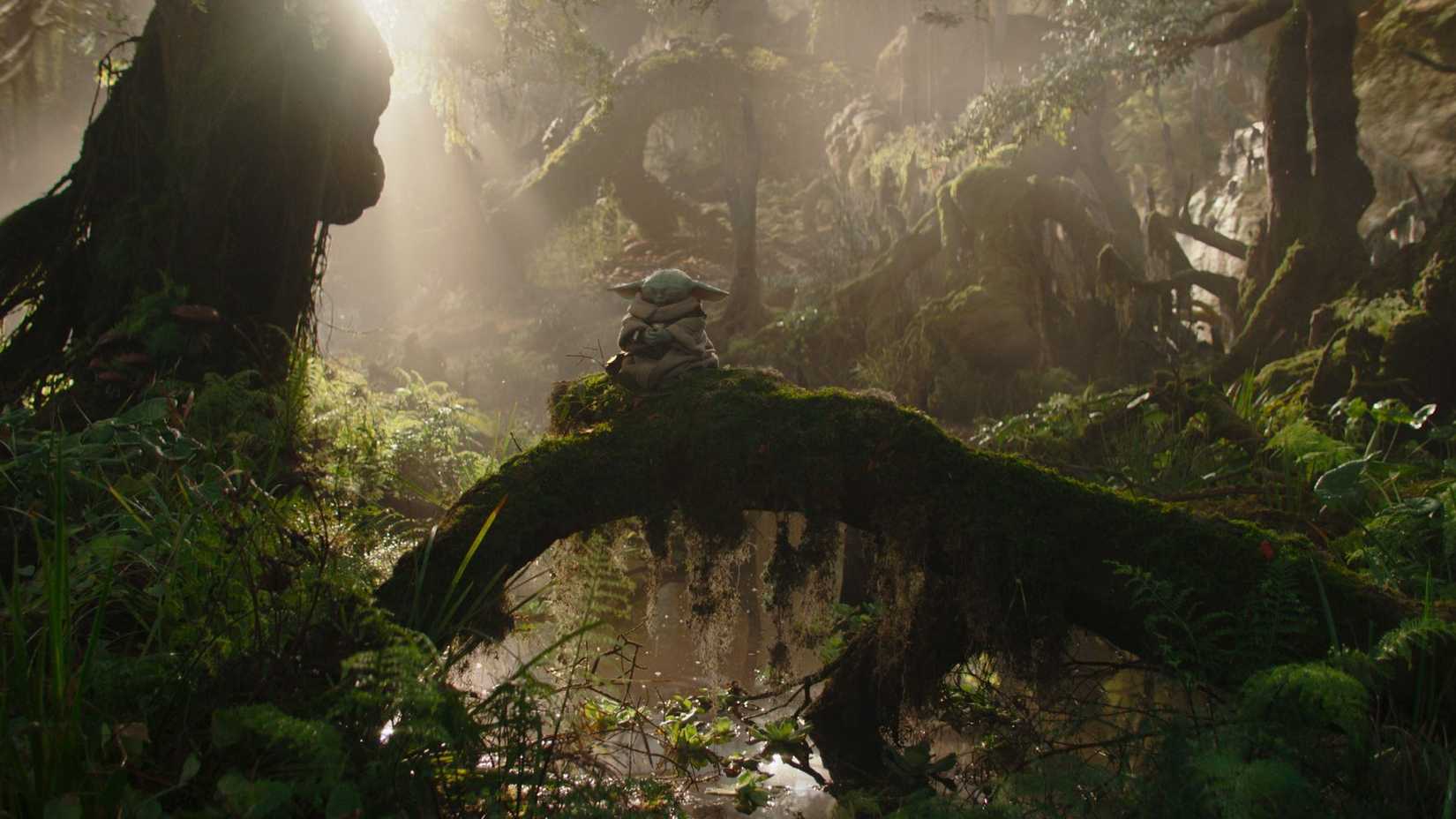
Bringing the small shelter to the screen took substantial effort from the production crew. Property master Josh Roth collaborated with Legacy Effects and the five puppeteers operating Grogu to provide every necessary prop, from a fish for food to the poultice used on Din’s poisoning. The team even considered building oversized hands so Grogu could be filmed digging in the earth.
“It was such a cool idea for him to build that hut, so we worked with our greens department to make sure the leaves and the dirt were great,” Roth says. “Andrew Jones, our production designer, ended up building a little hut, then we made the little lantern inside. The lantern was a callback to the collapsing lantern we used in The Mandalorian season 1. We’re trying to keep all that stuff continuity-wise the same.”
‘Nobody knew it was going to work’
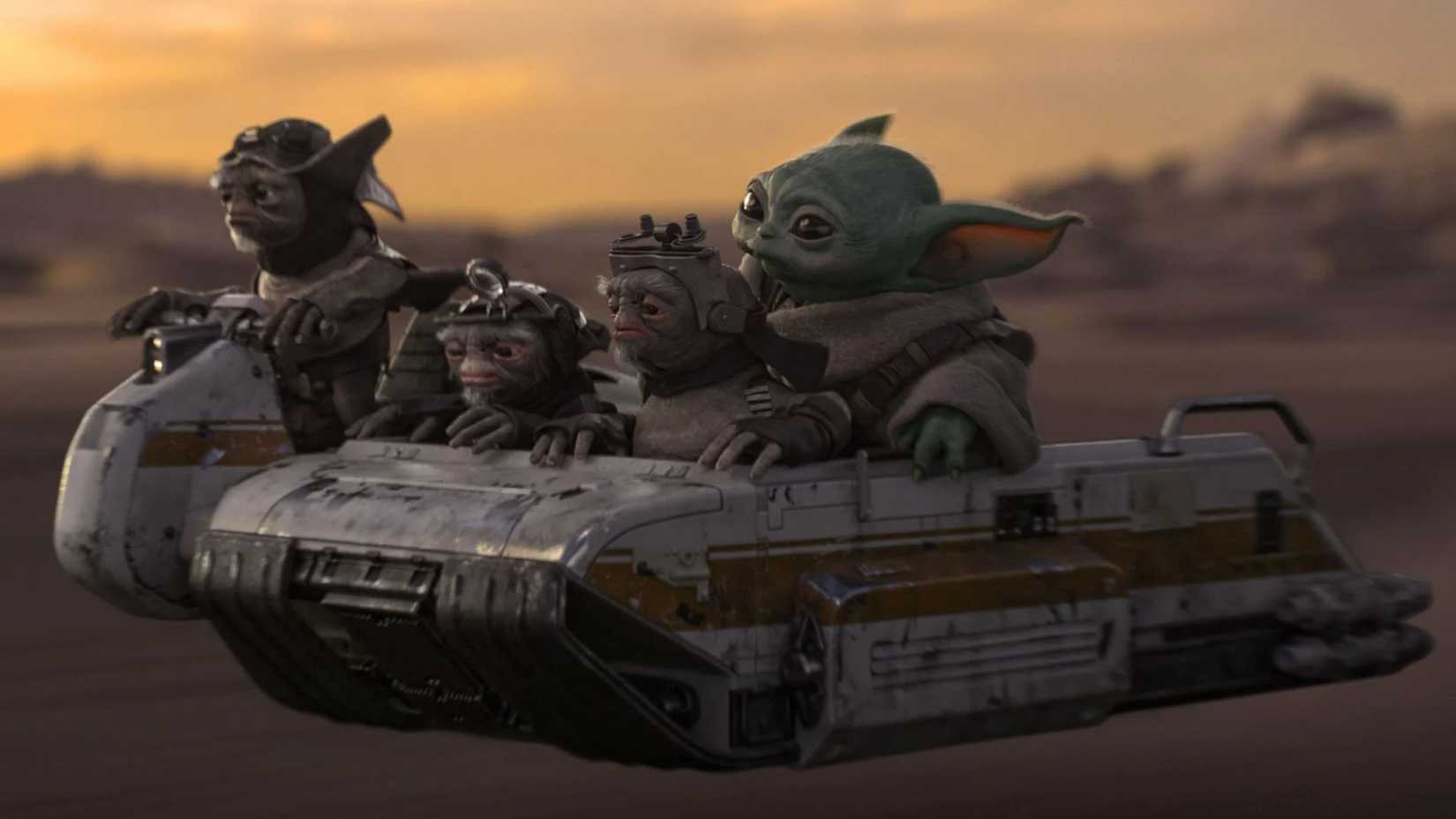
Roth has applied that hands-on philosophy to the franchise’s props since joining The Mandalorian in 2019.
“We didn’t know if anyone was going to like it, so no department had a lot of money and it was probably the closest to the original Star Wars because nobody knew it was going to work,” he says. “We were trying to do things exactly the same way, repurposing old props, making sure we kept the aesthetic of the original trilogy. It was so successful that by the time the movie rolled around, I had 30 people working for me: illustrators, machinists, welders, painters, mold makers, 3D printing. We had everything.”
The prop team stayed committed to matching the tone of the classic films, linking Grogu and Yoda through their shared instinct for swamp survival.
Source: Polygon
Related articles
 Sony Reveals Review Date for Marvel’s Wolverine
 Ananta gets release date and new trailer
 ASUS Announces $1,300 Price for ROG Xbox Ally X20
 Naval RPG Sea of Remnants set for early 2027 release, closed beta begins in December
 007 First Light Major Graphics Update Gets Release Date
 HoYoverse’s Petit Planet Set for Winter 2026 Launch, New Trailer Released
 Ridley Scott’s American Gangster Remains an Enduring Crime Drama
 Xbox Names Console Frame Rate for New Fable