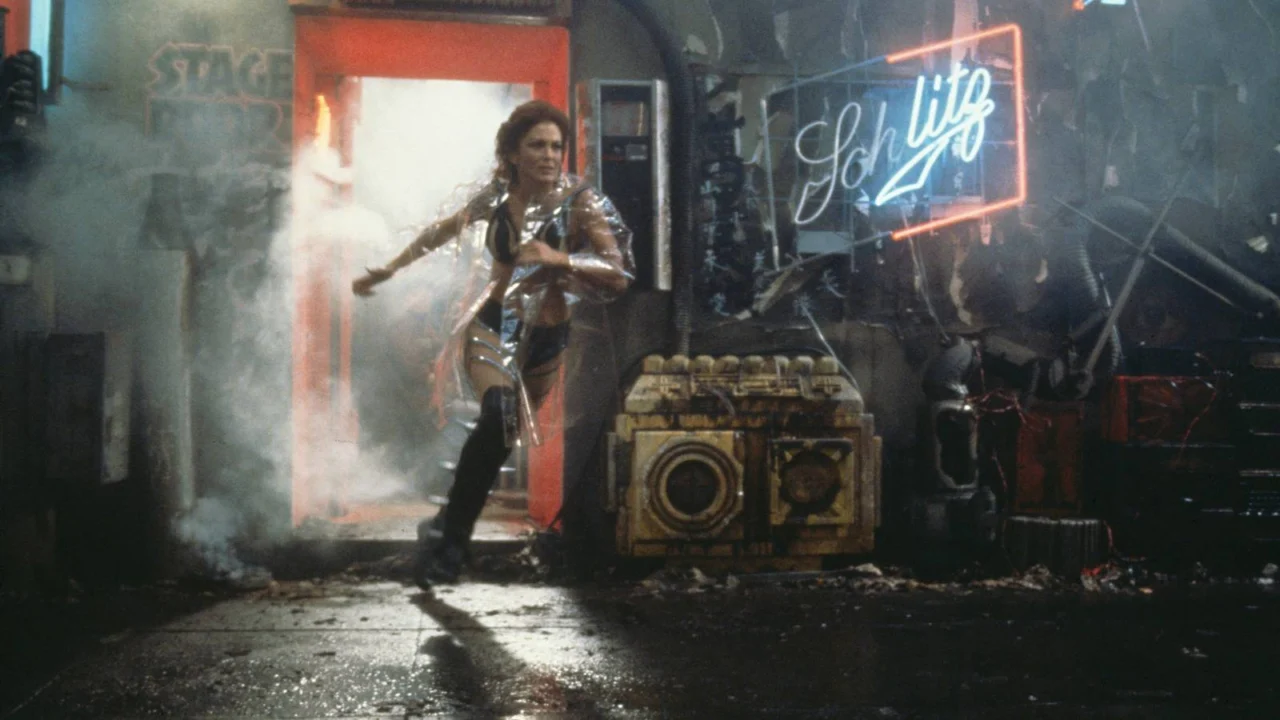
Ridley Scott’s Blade Runner Final Cut Available Free on YouTube
The nineteen-seventies and nineteen-eighties were a major turning point for science fiction. Star Wars revitalized the genre and turned it into one of Hollywood’s main box office draws, inspiring a wave of films that are still shaping science fiction today. Then, in the late nineteen-seventies, Ridley Scott threw down the gauntlet with Alien, taking a clear step away from optimism and instead infusing the genre with corporate anxiety and untrustworthy artificial intelligence. It was a signal for things to come.
By the nineteen-eighties, that pessimism curdled into a fully realized vision. No film played a larger role in that shift than Scott’s Blade Runner. Its production is also one of the most infamous studio-creator struggles in Hollywood, with five different cuts released over the years. It wasn’t until 2007 that Blade Runner: Final Cut arrived, delivering the movie that Scott had envisioned all along. This version represents the fullest form of a film that, even in its mangled theatrical form, reshaped science fiction forever. That version is currently streaming for free on YouTube, and viewers who have only seen other cuts can discover what else hides beneath its cyberpunk surface.
More human than human
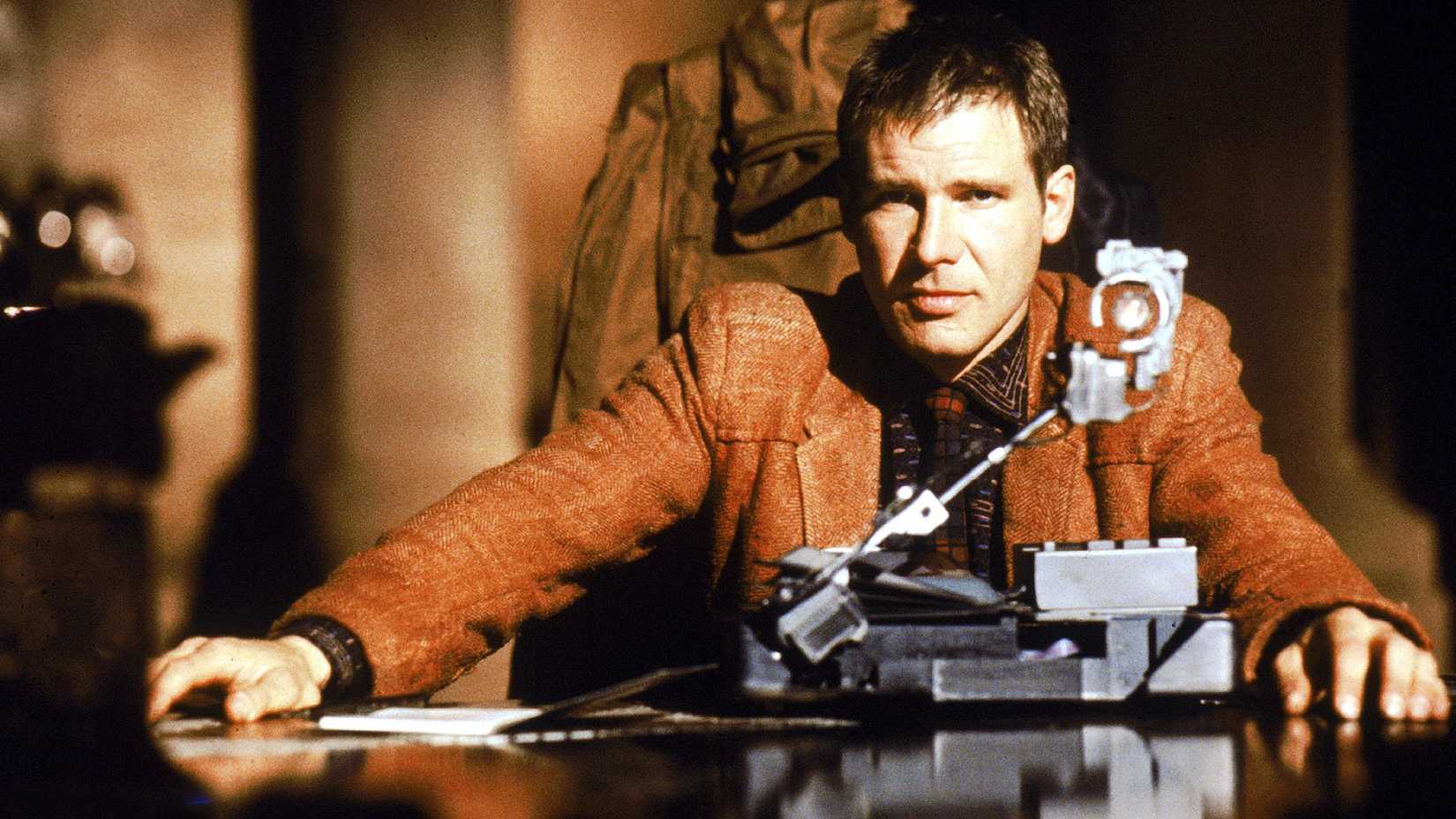
Blade Runner begins with an opening crawl, throwing audiences into a corporate world where bioengineered humanoids called replicants exist. These androids have rapidly advanced, with each generation boasting skills that go beyond human abilities. They are stronger, smarter, faster, and more agile than humans. After being treated as slaves for years, the replicants revolted, resulting in the formation of a police unit called Blade Runners tasked with retiring them. The replicants were ultimately outlawed on Earth. Los Angeles, November, 2019, reads the film’s sober title card, cutting to an establishing shot of the city at night, drowned by pollution, with giant buildings spewing fire.
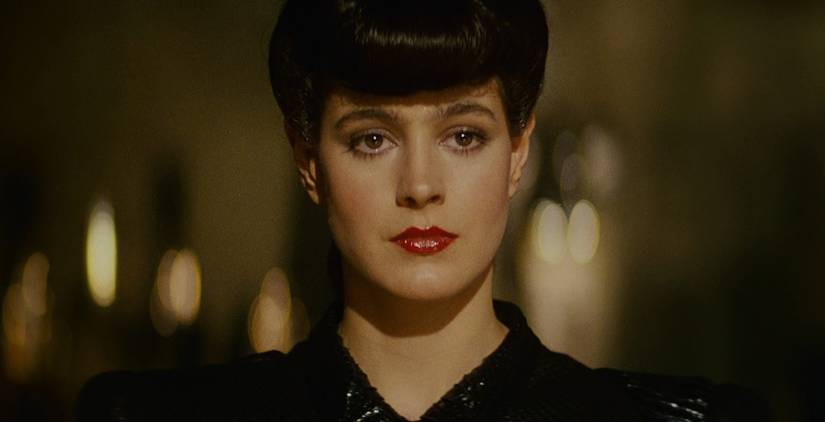
The story introduces Rick Deckard, played by Harrison Ford after Star Wars and before Indiana Jones. Rick Deckard is a retired police officer and bounty hunter called back in to find and retire four fugitive replicants. As Deckard begins his investigation, he visits the Tyrell Corporation, the company that designs the best replicants on the market, housed in a striking pyramid in the middle of Los Angeles, where the motto is more human than human. Deckard meets Rachael, played by Sean Young, who is Tyrell’s assistant. He discovers that she is a replicant. As the story progresses, he falls in love with Rachael, shifting his perspective on androids and complicating his mission. While the replicants Deckard is hunting are terrifying and stunted in their understanding of their feelings, they are also incredibly empathetic. With a four-year lifespan, the replicants are tragic creatures, living just long enough to question their reason for existing. As Deckard continues to hunt and retire the fugitives, he begins to feel worse, culminating in a final encounter with Roy Batty, the group’s leader played by Rutger Hauer.
It is impossible to quantify the impact Blade Runner had on cyberpunk. Two years later, William Gibson published his novel Neuromancer. Both stories solidified the look and feel of the genre, crystallizing some of the prevailing anxieties of the times. This influence remains just as strong despite the decades that have passed. One of the biggest modern touchstones in the genre is the Cyberpunk 2077 video game and animation franchise. Night City is basically Scott’s depiction of Los Angeles in 2019.
A slow-burn understanding of Blade Runner
Despite that legacy, Blade Runner wasn’t a box office success. The film received mixed criticism upon its release, with the studio and Ford not understanding Scott’s vision. Harrison didn’t get it at the time, said Scott in an interview with IndieWire, revealing that he and Ford clashed over the meaning of the origami motif that recurs throughout the film and suggests that Deckard could be a replicant. Scott also shared that the film’s poor reception created a rift between himself and the screenwriter, Hampton Fancher. Hampton was furious, he continued. He said, You ruined my script. I was really deeply hurt by that.
Blade Runner’s look and feel rarely drew criticism. The issue lay with the story, its contemplative pace, and a voice-over that Ford himself hated recording. Only the passage of time allowed audiences to appreciate Blade Runner as a science fiction masterpiece. The different cuts that popped up over the years cleaned up the project, dropping the voice-over entirely and bringing it closer to Scott’s vision. This process led to the 2007 final cut acknowledged as the best way of experiencing the story.
Scott is one of the hardest-working filmmakers in Hollywood history, releasing movies on an almost yearly basis since the late nineteen-seventies. This output led to towering works across genres, from Alien to Gladiator to Thelma and Louise. Still, Scott has said Blade Runner is one of his all-time favorite movies. Decades from now, this version of the film will be the one people look back on as his definitive work. After a twenty-five-year struggle over different cuts and possible interpretations, the Blade Runner version Scott always wanted is free on YouTube.
Source: Polygon
Related articles
 First Details on Diablo V Emerge With Reports of New Classes and Mechanics
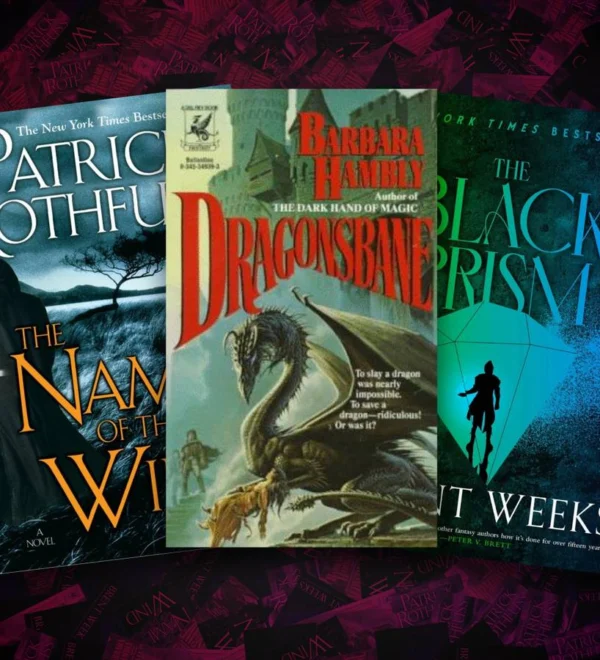 Brandon Sanderson Recommends 10 Near-Perfect Fantasy Books
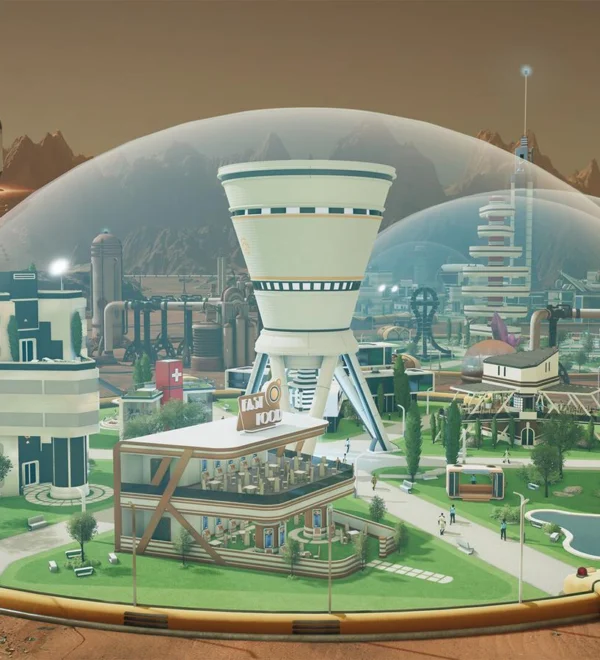 Paradox Releases New DLC and Makes Surviving Mars: Relaunched Temporarily Free
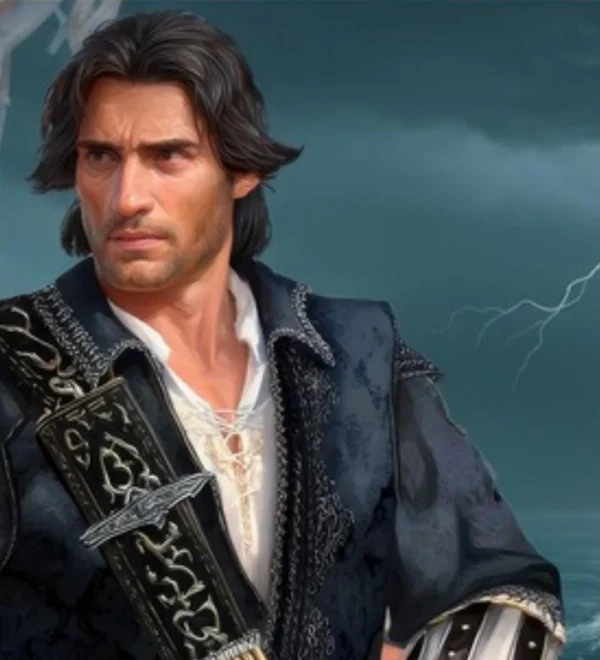 Caribbean Legend: Age of Pirates Update 1.2 Adds Story DLC and Improvements
 Zenless Zone Zero 3.3 Introduces Phoenix and Severian in First Look
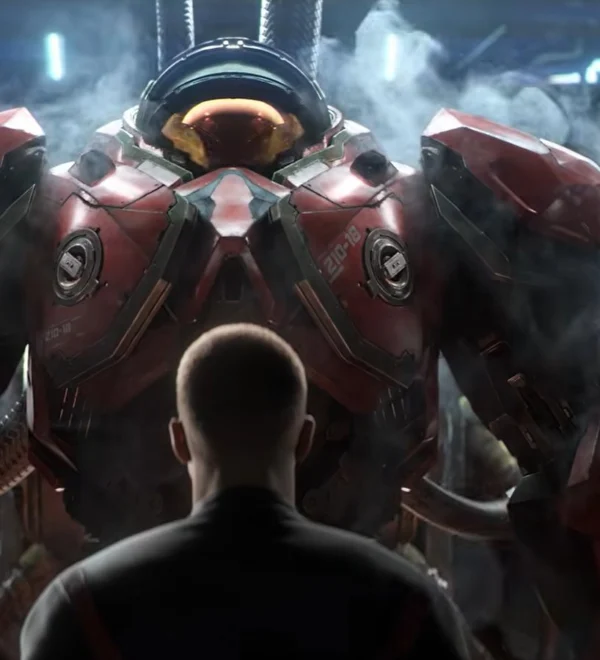 New Open-World StarCraft Shooter Announced Along with First Trailer
 Vermilion Mask Director Explains Why the New Anime Adopts an Old-School Style
 First Diablo V Teaser Suggests Diablo Won and Prepares Players for a New Era