Review: ‘Public Access Afterworld’ Is a Messy but Inventive Follow-Up for ‘Camp Miasma’ Fans
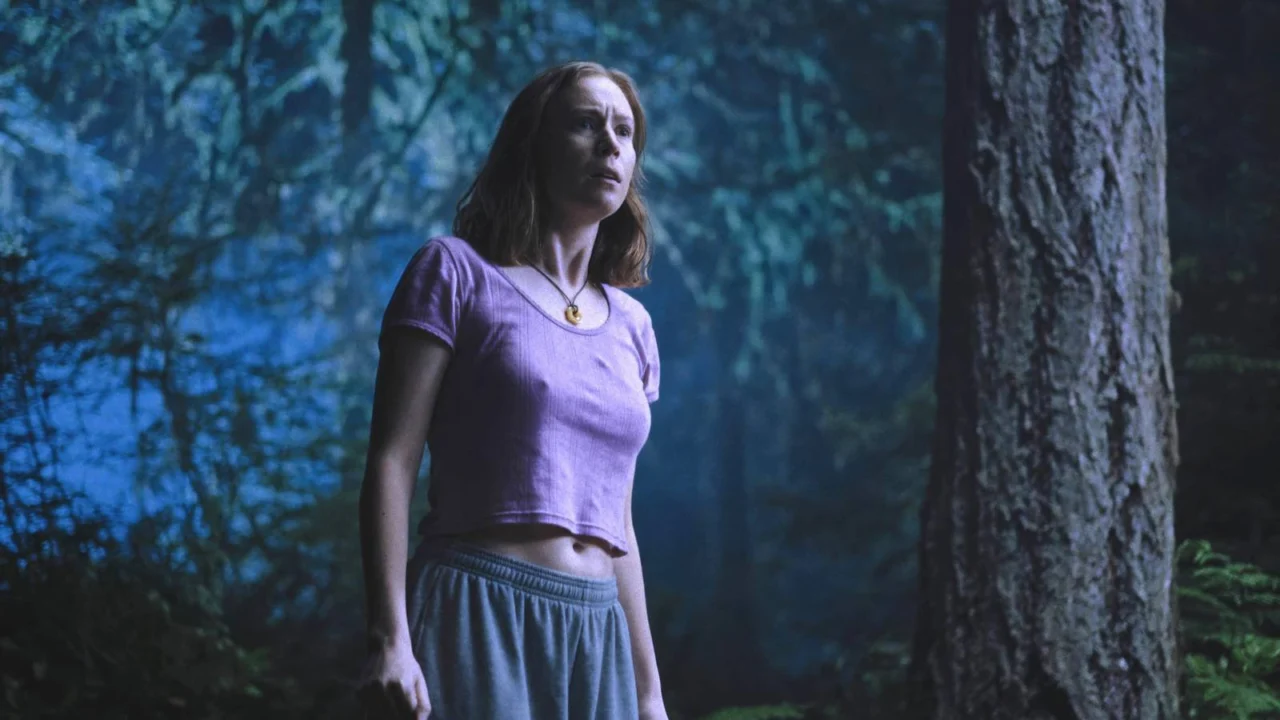
In 2009, two high school outcasts meet up to watch the end of analog TV broadcasts. One of them spots a strange program on the airwaves, and it makes them question everything about their identity and life. The other looks on, and the friendship fractures. It’s a Jane Schoenbrun moment through and through, and the scene could belong in their breakout film, I Saw the TV Glow.
I follow Schoenbrun’s work, so I know a lot about them. They worked as a film critic before they started writing and directing movies. They’re trans, and their work is in constant conversation with that identity. It has made them one of the most notable voices in indie cinema.
Public Access Afterworld, their first novel, is out this week. Without a camera, Schoenbrun gets unlimited scale. The result is stubborn and unwieldy, for better or worse, and it shows why their fans keep coming back. Their stories are a mishmash of tropes and references, but Schoenbrun arranges the pieces in a way that’s uniquely their own.
Analog TV signs off

The story begins with David Sawyer, a high school boy in love with his best friend, Erin Morrison. When they’re not in school, they watch TV in her basement. On the last day of analog broadcasts, Erin notices a surreal program called Public Access Afterworld. She records it on tape and becomes obsessed, convinced it’s a portal to somewhere else. David watches the recording and doesn’t understand it. He doesn’t want to disappoint her, so he pretends to be just as entranced.
He takes the tape online and finds a community of people with similar stories and inexplicable connections to TV. They all hope to learn where these transmissions come from and what they mean.
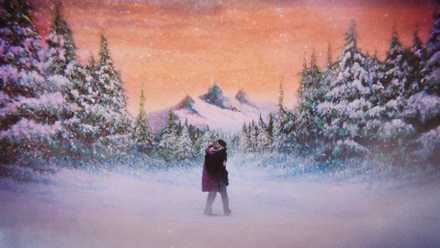
The novel then jumps to 2026 and Bethany Peters, a trans woman living in a rapidly changing Austin, overrun by tech companies and tech bros. She lives with her perfectly adequate boyfriend and feels stuck in a rut. She hopes a job at GlobalVill, a YouTube-adjacent mega-company where people post and share videos, will change things. The catch is that she works as a content moderator. Her days are spent watching videos that swing between boring, mindless content and some of the most disturbing material she’s ever seen. That job is her way into Public Access Afterworld.
Bethany spends the rest of the novel unraveling the conspiracy at the story’s core. Along the way she meets characters who have been changed irrevocably by Public Access Afterworld. When she develops a screen sickness that puts her on the clock, she has no choice but to accept that she’s the chosen one in a struggle she never asked to join.
An observer of your own life
Books leave everything to the writer and the reader’s imagination, with no concern for budget or studio executives. Schoenbrun goes long on topics they’ve already explored on film. Isolation and connection in the digital world drove We’re All Going to the World’s Fair. Television as the embodiment of somewhere you want to escape to drove I Saw the TV Glow. Our impulse to deconstruct art instead of feeling it drove Teenage Sex and Death at Camp Miasma. The novel’s scope is so vast that it feels like one of those unadaptable Stephen King tomes. It travels backwards and forwards in time and through alternate dimensions, with an ensemble cast that brings a filmic perspective to every chapter.

Schoenbrun’s characters tend to be so ruled by their obsessions that they stop living their lives. In Public Access Afterworld, which gets goofy at times, they chase the next thing, whether it’s a new job, a new connection or a signal from somewhere else. The novel argues that fantasy can be just as bad as reality, and that no single escape will make you happy.
Strange comedic beats undercut the novel’s self-seriousness. An evil corporate guy interrupts the climax by taking over the internet connection to call in via Microsoft Teams. A member of the Public Access Afterworld forums inexplicably knows the inner details of every Gossip Girl episode without ever seeing the series. When a character alludes to sexual trauma, Bethany cuts them off: “I don’t want to hear about that. Too dark.”
As the book goes on, more and more characters pop up, and the sprawl of its 600 pages begins to take a toll. Schoenbrun uses economical, filmic language to move the plot along, but I kept wishing for more texture in the prose and a narrower focus. Maybe the former critic in Schoenbrun is showing. Some compelling ideas get over-explained, which gives the novel the feel of a thought exercise. In film, you watch an image carefully loaded with meaning and make the connection to a larger idea on your own. In writing, Schoenbrun can hammer details home too hard and spell things out.
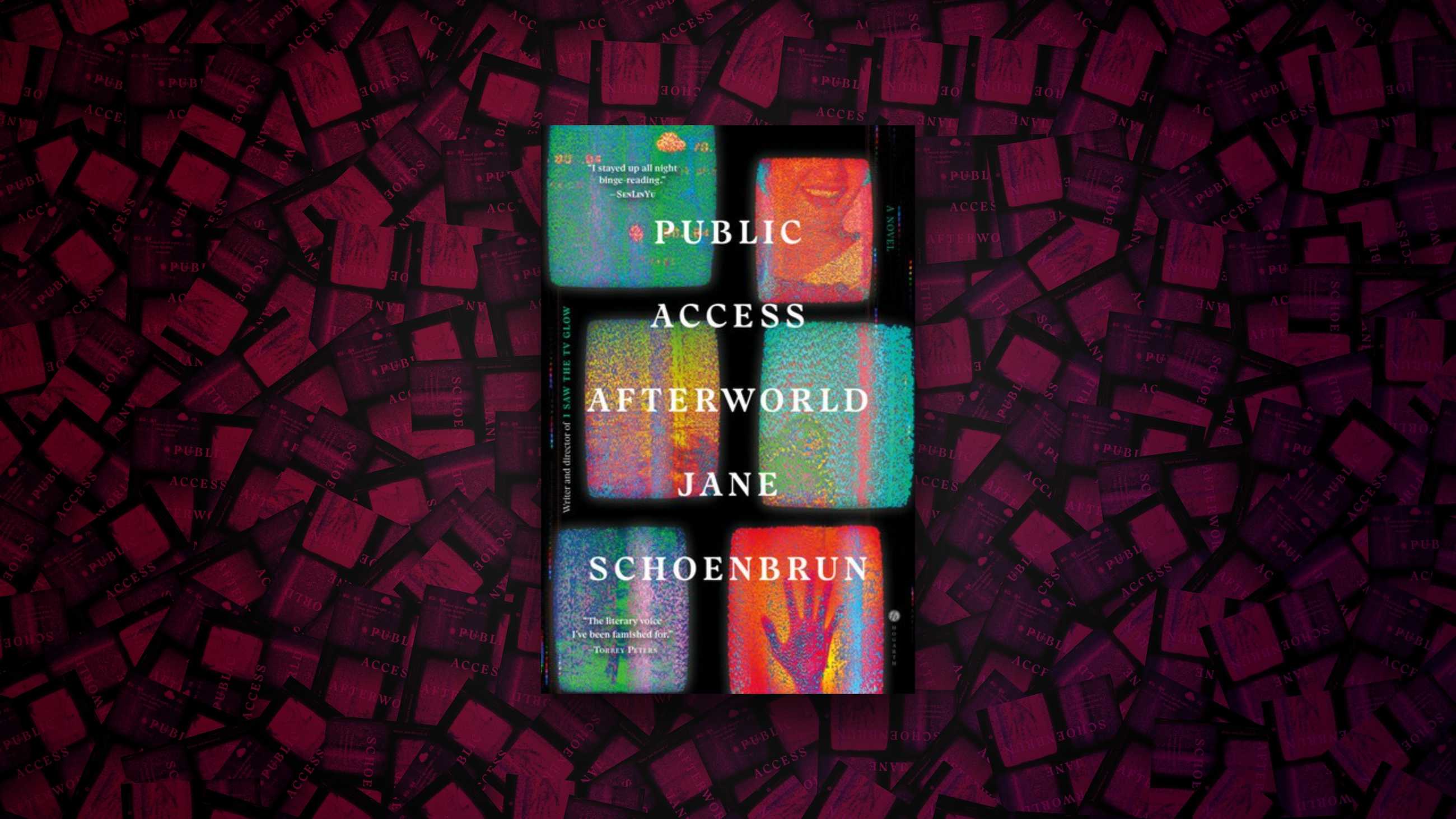
Public Access Afterworld is a must-read for anyone interested in the Schoenbrun project. The novel is outlined as a trilogy and was almost an HBO series. I would have loved to see Schoenbrun film some of their grandest set pieces to date, but I’m happy to sit, read and imagine them instead.
Related: How Camp Miasma’s crew revived a pre-CGI technique with ‘old-school film nerd’ ambition
Source: Polygon
Related articles
 Switch 2 Cartridge Manufacturer Exits the Market
 Microsoft’s Alligator Xbox May Be a GTA VI Marketing Workaround
 Analysts Say Gran Turismo 7 Is Not on PS Plus Because It Has Earned Sony Hundreds of Millions of Dollars
 Mike Flanagan Hints at Unexpected Approach to Warhammer 40,000 Series Starring Henry Cavill
 The Legend of Zelda: Ocarina of Time – Shadow Temple Dungeon Walkthrough
 Ganondorf’s Castle Walkthrough in The Legend of Zelda: Ocarina of Time
 The Legend of Zelda: Ocarina of Time — Spirit Temple Dungeon Walkthrough
 Study Confirms Impact of Social Messaging on Video Game Sales