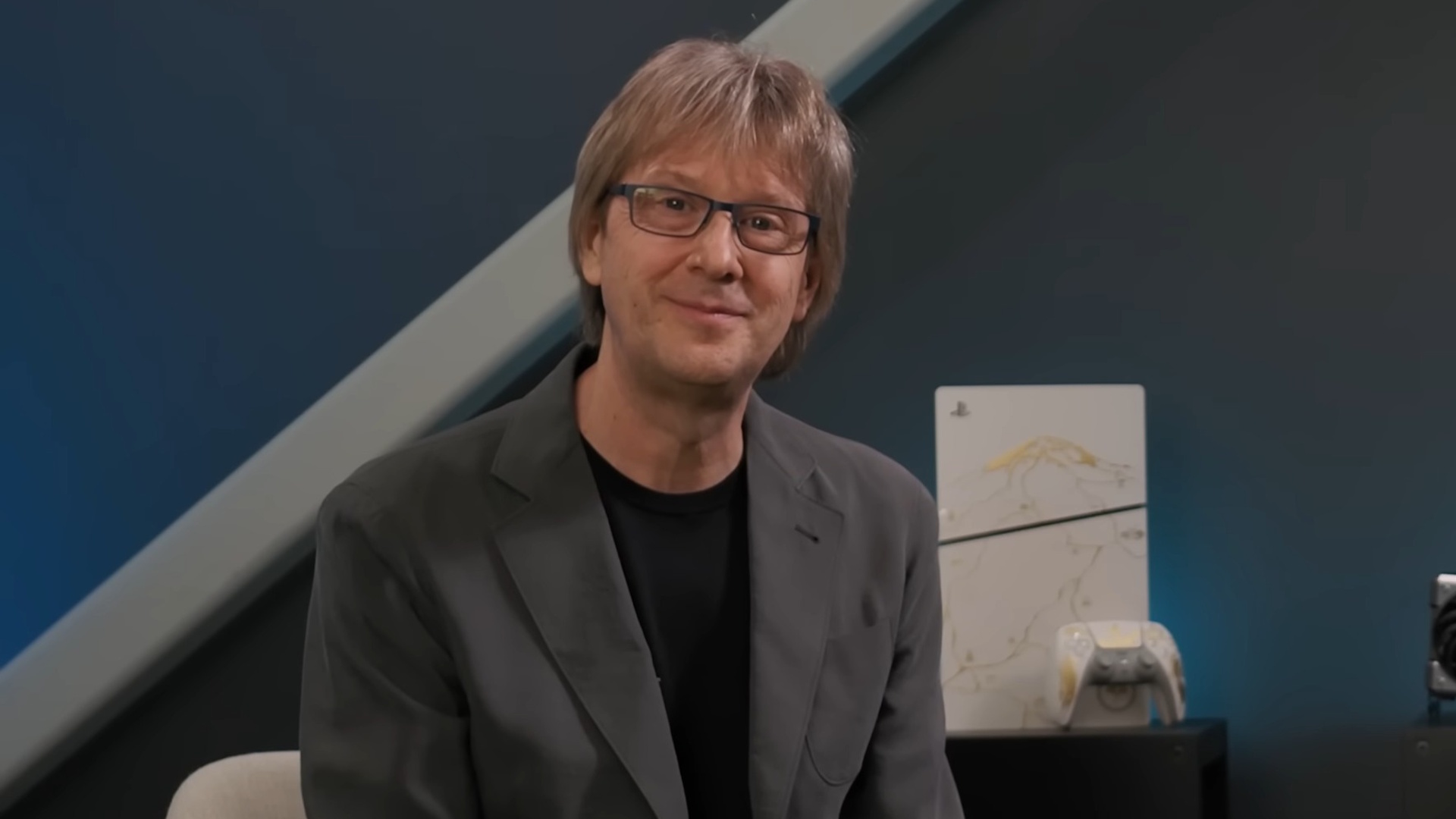
Cerny and Huynh outline a division of labor: Radiance Cores would handle ray traversal for ray tracing and path tracing, which offloads that work from shader cores and the CPU. Huynh links the idea to AMD’s earlier Neural Radiance Caching research, arguing dedicated traversal hardware would free the CPU for geometry and simulation while letting the GPU concentrate on shading and lighting.
“Putting traversal logic into hardware brings a meaningful speed advantage,” Cerny adds, “and the gains grow when that logic runs independently of shader cores. We’re also exploring more flexible and efficient data structures for ray-traced geometry.”
“Overall, I’m eager to get Radiance Cores into the hands of creators,” he concludes.
Universal compression is proposed as a system that evaluates every block of data sent to memory—not only textures—and compresses it whenever feasible. While DCC targets textures and render targets, Huynh says universal compression would inspect all traffic, enabling GPUs to deliver more detail, higher frame rates, and better efficiency.
Cerny wonders how much “effective bandwidth” a GPU could gain beyond its nominal specification if universal compression were adopted widely.
While much of the presentation reads like two engineers exploring possibilities on camera, the techniques discussed and their potential ties to a future PlayStation are notable. The PS6 has been discussed for years and likely began development four to five years ago; architects like Cerny are gradually shaping what it might become.
Leaks suggest the PS6 could outperform the PS5 Pro, and some rumors indicate AMD’s chip design might help lower costs, with a possible arrival around 2028.
Source: gamesradar.com