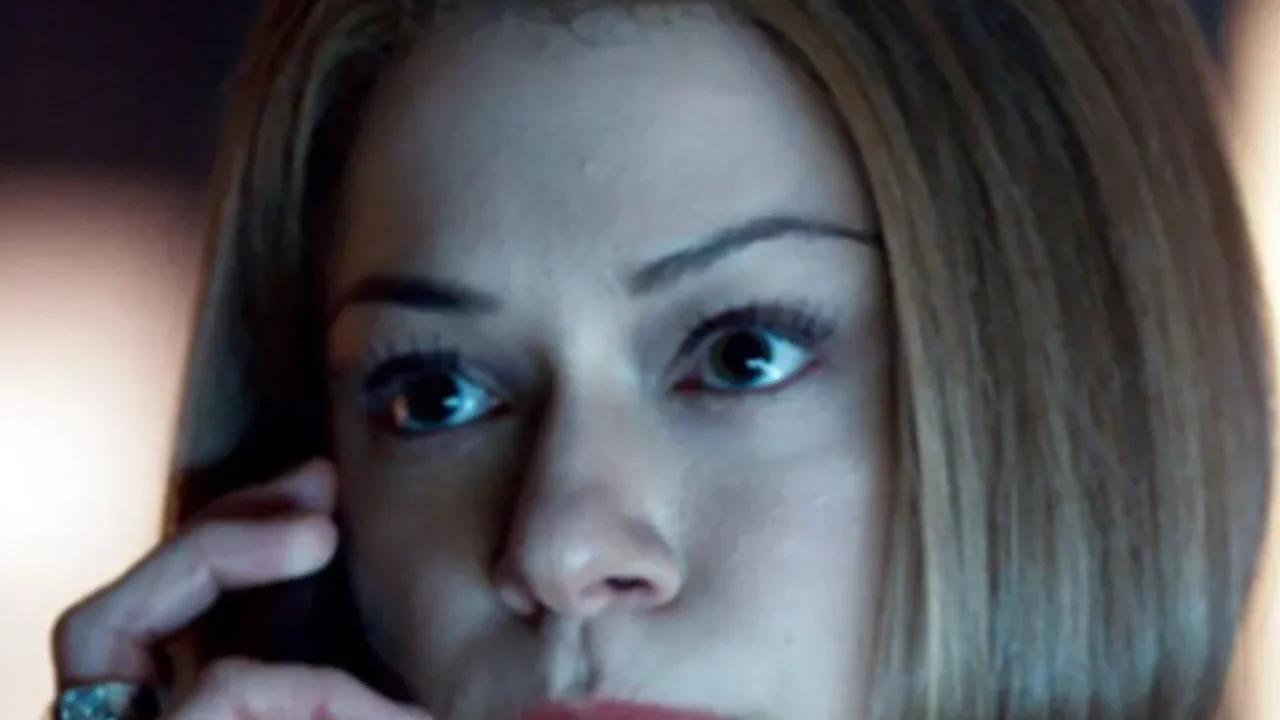
Orphan Black Leaving Netflix in September 2026
Biopunk is a genre that viewers need more of. Like cyberpunk and its interest in dystopia and marginalized characters, biopunk explores the effects of technology on the body and society. Shows and movies addressing these subjects prompt thoughtful questions about humanity, purpose, and corporate control over genetic information. Despite their modern relevance, biopunk stories remain rare.
One primary example of biopunk television is Orphan Black (2013), streaming in full on Netflix. Beneath a complicated conspiracy plot involving corporations, mad scientists, human experimentation, and dozens of clones, the series features a standout performance. Tatiana Maslany evolved from an unknown Canadian actress into an Emmy winner, playing 17 distinct clones across five seasons. More than a decade later, while some special effects have aged, the scenes of Maslany’s clones interacting feel magical and unique, convincing viewers that multiple women inhabit the screen.
Orphan Black is a modern sci-fi classic
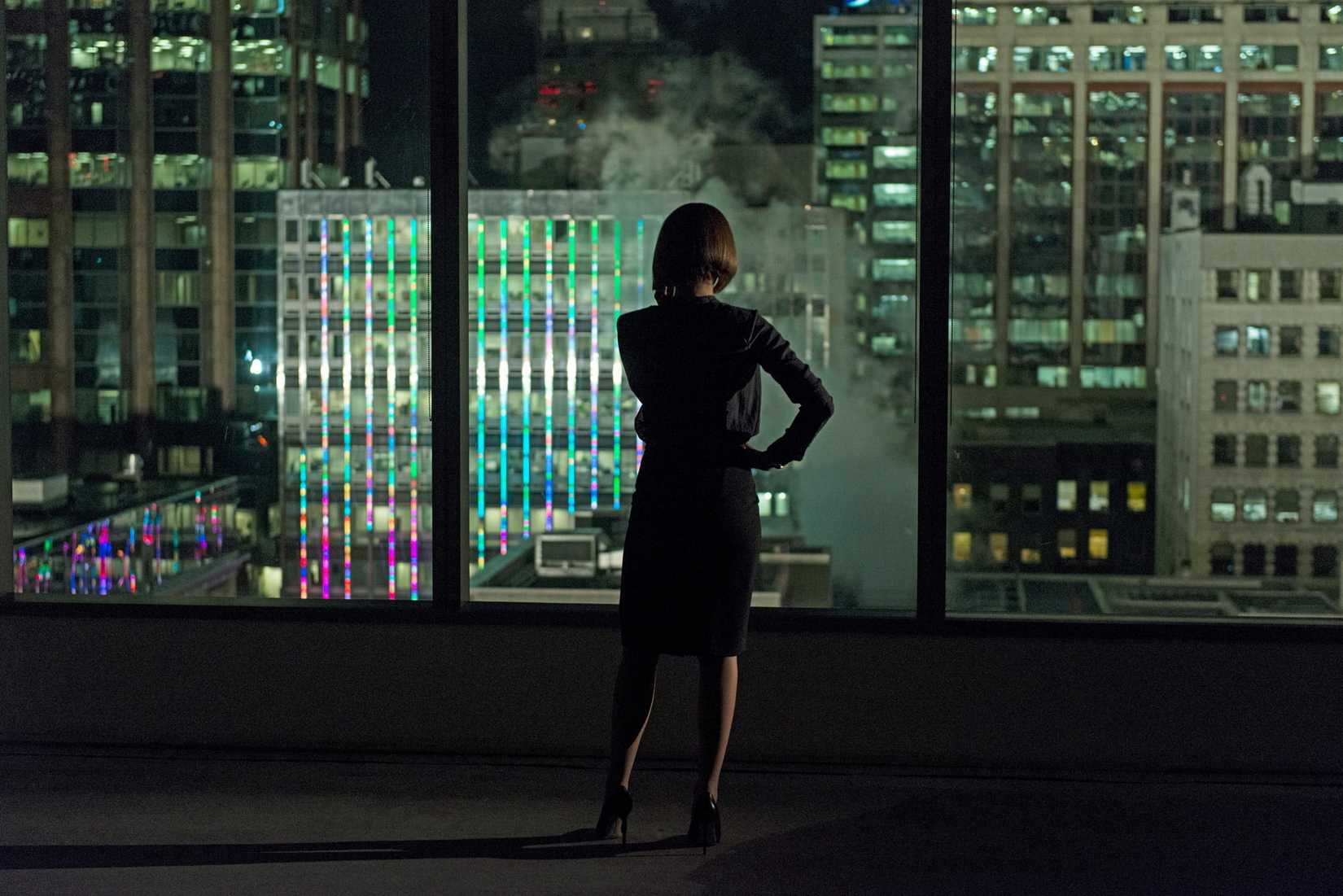
Created by John Fawcett and Graeme Manson, Orphan Black follows a group of clones monitored by the Dyad Institute and their creators. Fawcett and Manson also worked on other shows and films, including the werewolf horror movie Ginger Snaps, Amazon’s dystopian alt-history series The Man in the High Castle, and the sci-fi thriller Cube. No project encapsulates their interest in horror, dystopia, and science quite like this BBC America series. For Maslany, who has since led her own Marvel show and starred in numerous projects, no production better understood her skills as a performer.
The story centers on Sarah Manning (Maslany), a British con artist introduced in the opening scene as she returns to Canada. Sarah rides a train looking hungover and exhausted. Stepping onto the platform, she spots a woman acting suspiciously who drops her purse, removes her heels, and hovers over the edge of the tracks. The two women turn and look at each other, revealing they are identical.
The mystery woman jumps in front of the train. Sarah panics, takes the purse, and adopts the stranger’s identity. This setup drives the central mystery and establishes Sarah as a distinct protagonist.
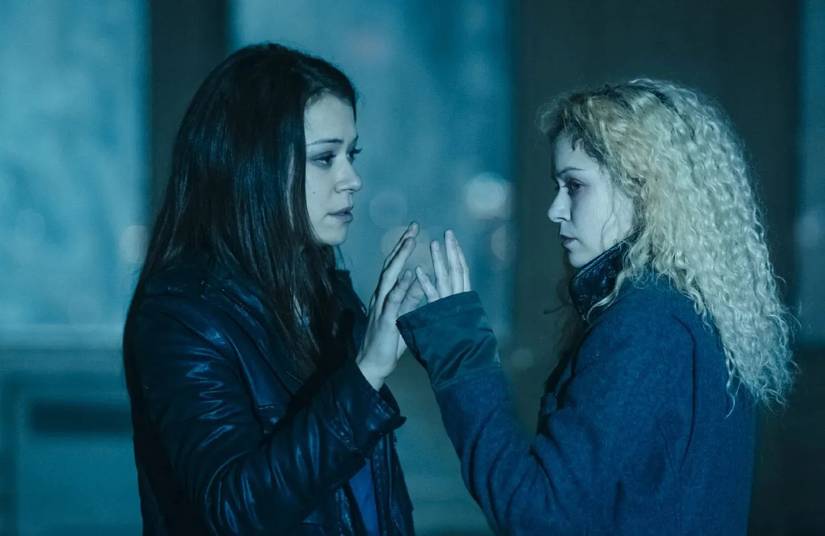
Through its first season, Orphan Black maintains a fast pace and introduces twist after twist. Sarah cons her way into a dead woman’s life, inherits her problems, and plunges into a vast conspiracy that leads her to meet her genetic duplicates.
In subsequent seasons, Fawcett and Manson introduce larger corporations, new batches of clones, romance, and body horror. Orphan Black remains thoughtful while prioritizing entertainment. It treats its subjects as women engineered in a lab, consistently exploring bodily autonomy through conversations among the clones and their untrustworthy associates. This sharp commentary remains relevant a decade later.
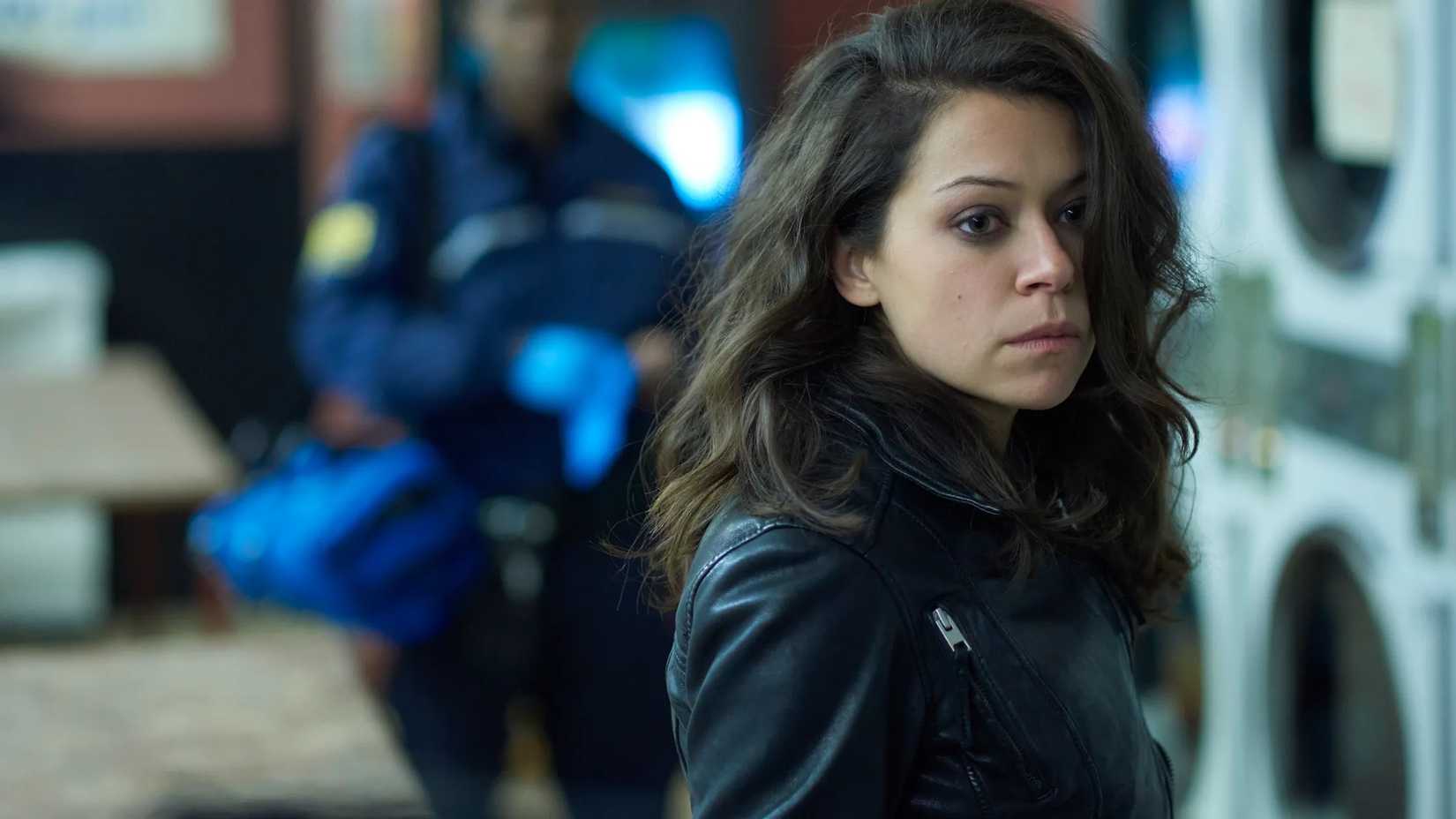
As with many multi-season shows, quality fluctuates. The introduction of male clones and a protracted military storyline diffused the narrative focus. The creators pared down the plot for the final season, returning the focus to the original clones and mad scientists. Orphan Black sticks the landing by delivering an ending that serves its original characters well.
Thirteen years later, Orphan Black remains a prime example of serialized sci-fi. The series functions as a conspiracy thriller with pulpy charm, posing questions about human biology and the perils of power. Most importantly, it features a timeless performance by Maslany, leaving audiences wondering how she pulled it off.
Source: Polygon
Related articles
 Rumor: Sony May Reconsider Disc Drive Phase-Out Plan
 Rockstar Approached Netflix for GTA VI Broadcast in 2026
 Palworld Publisher Says Players Misinterpret Steam Player Counts
 Ex-Blizzard Head Complains About PlayStation 5 Pro Shortage While Xbox Marketer Highlights Alternative for GTA 6
 Modders Report Testing DLSS 5 in GTA VI and Other Games via DirectX 11 Adaptations
 Locations from GTA VI compared to GTA: Vice City
 Reports Say Microsoft Wants to Sell Halo, World of Warcraft, and The Elder Scrolls Film Rights for $300 Million
 Modders Release Gothic 1 Remake Multiplayer Alpha Version