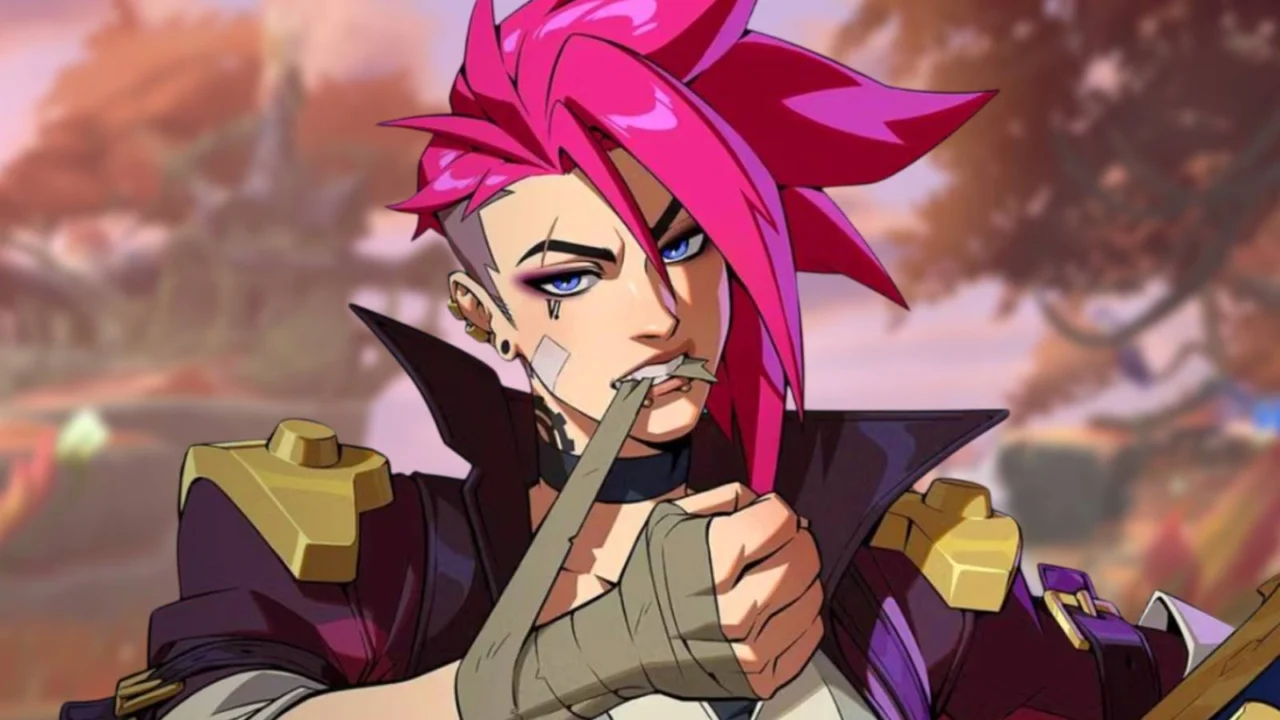
League of Legends Spinoff Axed, Triggering Massive Fan Outrage
The gaming landscape in 2026 has delivered another major disappointment for fighting game enthusiasts. Riot Games has officially declared that active development on 2XKO, its competitive tag-fighter set in the League of Legends universe, is coming to a close—a mere eight months following its public debut. The studio plans to roll out its final content update in October, halting further development by December. While matchmaking servers are slated to remain operational and microtransactions made prior to August 20 will be fully refunded, the announcement caught many off guard. According to Riot’s official update, post-launch adjustments failed to generate the sustained momentum required for long-term viability, leaving leadership with little choice but to pivot away from active support.
The swift withdrawal has sparked widespread frustration across the fighting game community (FGC), with players lamenting the project’s premature demise.
Community Backlash and Player Sentiment
Responses across social platforms have fluctuated between cynical resignation and acute frustration. High-profile competitors who pivoted their careers around the title felt the sting most directly. Professional competitor Diaphone voiced his disbelief on X, pointing out the irony of having recently transitioned into full-time competition and content creation around the game. Although warning signs emerged earlier in the year when Riot trimmed substantial staff from the project, few anticipated an outright cessation of development this rapidly.
Content creators also weighed in on corporate decision-making. Prominent streamer Ludwig scrutinized Riot’s executive leadership, arguing that the modern live-service paradigm demands instantaneous multi-million-dollar windfalls at the expense of organic community growth. This sentiment echoes previous grievances from early 2024, when Riot dramatically reduced ongoing support for its digital collectible card game, Legends of Runeterra. Skeptics within the scene also drew comparisons to Warner Bros.’ MultiVersus, noting the irony that an independent fighting game often received more sustained support than a project backed by one of the most lucrative developers in gaming.
Beyond individual frustration, broader conversations on forums like Reddit’s r/Fighters suggest this setback could establish a troubling precedent. With both 2XKO and recent titles like Invincible VS suffering commercial headwinds and subsequent studio layoffs, industry observers worry that major publishers will become increasingly risk-averse toward investing in competitive fighting games.
Analyzing the Factors Behind 2XKO’s Decline
Originally unveiled in 2019 under the working title Project L—following Riot’s 2016 acquisition of Radiant Entertainment—the game was widely hailed as a potential turning point for modern fighters. The combination of Riot’s extensive infrastructure, established intellectual property, and a free-to-play model inspired lofty expectations. However, a protracted development cycle meant the game finally arrived with several critical vulnerabilities.
Key pain points that hindered the title’s mainstream adoption include:
- A Sparse Starting Roster: Launching with merely 10 playable champions proved a significant detriment for a 2v2 tag fighter, where character variety and team synergy are paramount.
- Aggressive Monetization: Despite its free-to-play baseline, expensive cosmetic bundles—some reaching nearly $100 in virtual currency—alienated potential spenders.
- Branding and Discoverability: Shifting away from the recognizable League of Legends branding in favor of the abstract moniker 2XKO baffled casual fans, while cross-promotional marketing within Riot’s flagship titles was surprisingly minimal.
- A Brutal Learning Curve: Tag fighters inherently demand intricate execution and defense against overwhelming mix-ups. Casual participants were quickly outmatched by experienced veterans, and the lack of robust single-player or campaign content offered newcomers little reason to stick around once the initial hype faded.
Riot conceded this dynamic in its retrospective, admitting that while core tag-fighter purists embraced the deep mechanics, the broader gaming audience failed to find lasting engagement. Despite strong grassroots interest—evidenced by robust tournament turnouts at premier events like Evo Las Vegas—the underlying economics proved unsustainable against the high operating overhead of live-service maintenance.
While genre giants like Street Fighter and Tekken continue to thrive, the abrupt conclusion of 2XKO‘s live-service journey serves as a sobering reminder of the challenges confronting new competitive entries in an increasingly unforgiving market.
Source: Polygon
Related articles
 Rick and Morty Creators Reveal Season 10 Release Window
 Vampire Survivors to Get New DLC Next Week with New Characters, Weapons, and a Huge Map
 Strictly Limited to Release Mr. Nutz and Mr. Nutz: Hoppin’ Mad Cartridges for SNES, Sega Genesis, and Mega Drive
 Game Sales to Become Harder to Track as Xbox and EA Refuse to Share Data
 Geoff Keighley Explains Who Pays for Gamescom Showcases, Says Event Is Not Just for the Rich
 The Meaning Behind Thors’ Famous Quote on Violence in Vinland Saga
 Cosplayer Showcases Shani from The Witcher 3: Hearts of Stone
 PS5 Sales No Longer Sony’s Top Priority as President Outlines New Strategy