
How Edgar Wright Reimagined a 43‑Year‑Old Stephen King Thriller for Our Dystopian Reality
In the early 1970s, Stephen King imagined a starkly unequal future he dated to 2025: a society split between privilege and deprivation, with the poor placated by a state-run Games Network. Its centerpiece was a brutal televised contest where desperate contestants could win a life-changing sum — if they survived thirty days pursued by hired killers.
That premise became The Running Man, released under King’s Richard Bachman pseudonym in 1982. (A clue that tipped readers off to King’s authorship: part of the tale is set in Derry, Maine — the same fictional town that figures in It and other King works.) The original novel leans heavily into sci‑fi: when it appeared, 2025 was decades away. The 1987 Arnold Schwarzenegger adaptation, directed by Paul Michael Glaser, likewise embraced a future‑tech aesthetic, pushing its setting toward a near‑future full of rocket sleds and early deepfake ideas. For Edgar Wright’s new reimagining, however, the challenge was different — 2025 is now upon us.
“We wanted it to feel like, if not the immediate future, then a slightly altered tomorrow — an alternate reality that still feels recognizably close to our own,” Wright tells Polygon.
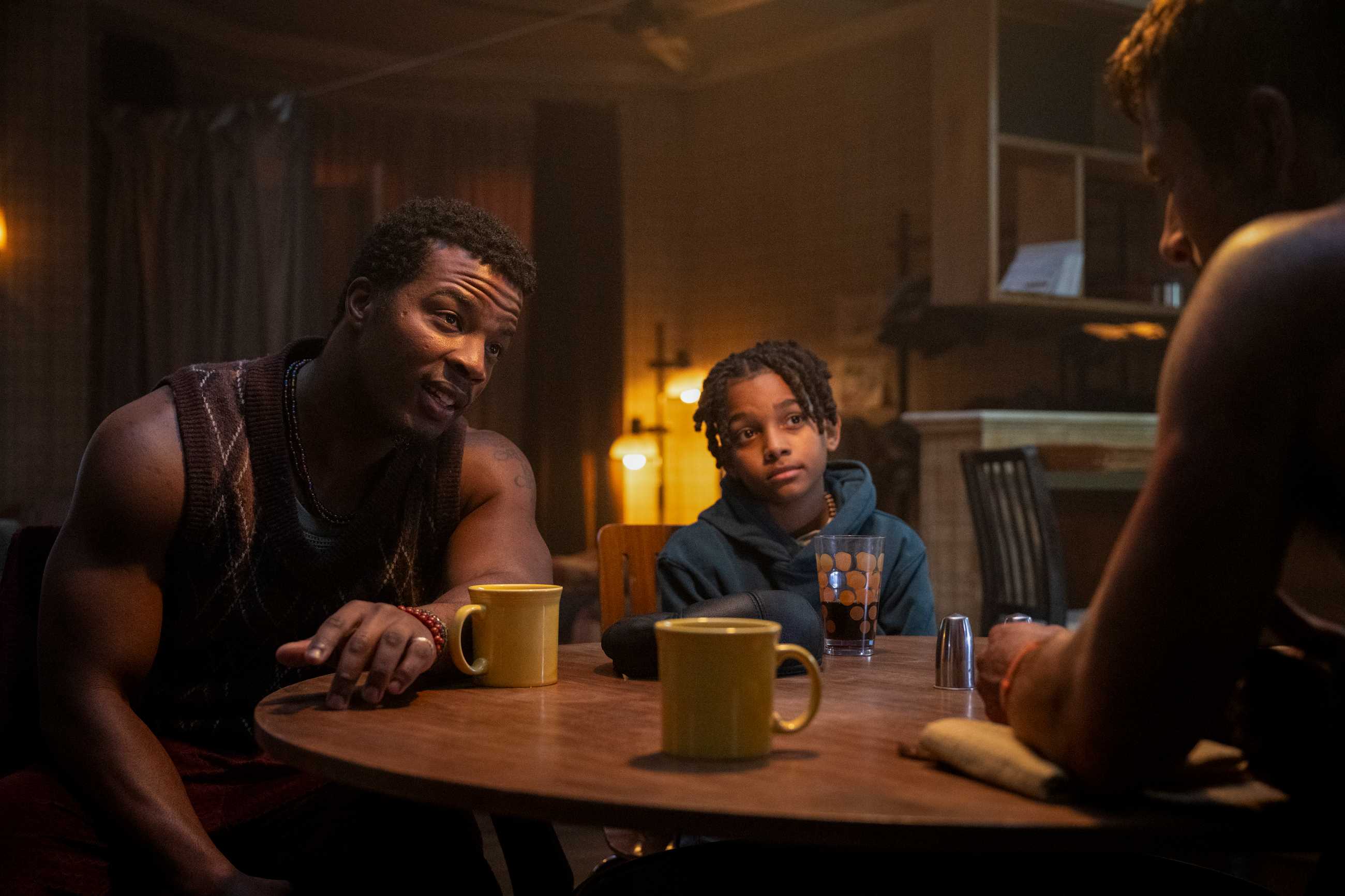
Best known for high‑concept comedies like Hot Fuzz and Scott Pilgrim vs. the World, Wright tones down his signature rapid-fire humor for an R‑rated dystopian action film that often feels uncomfortably familiar. The movie is saturated with AI-enabled fakery, invasive surveillance, drone patrols, influencer culture and fringe content creators — a version of 2025 that echoes the real world.
We spoke with Wright about adapting King’s original, the unexpected influence of Terry Gilliam’s Brazil, and how he coaxed a different side out of his charismatic lead, Top Gun: Maverick star Glen Powell.
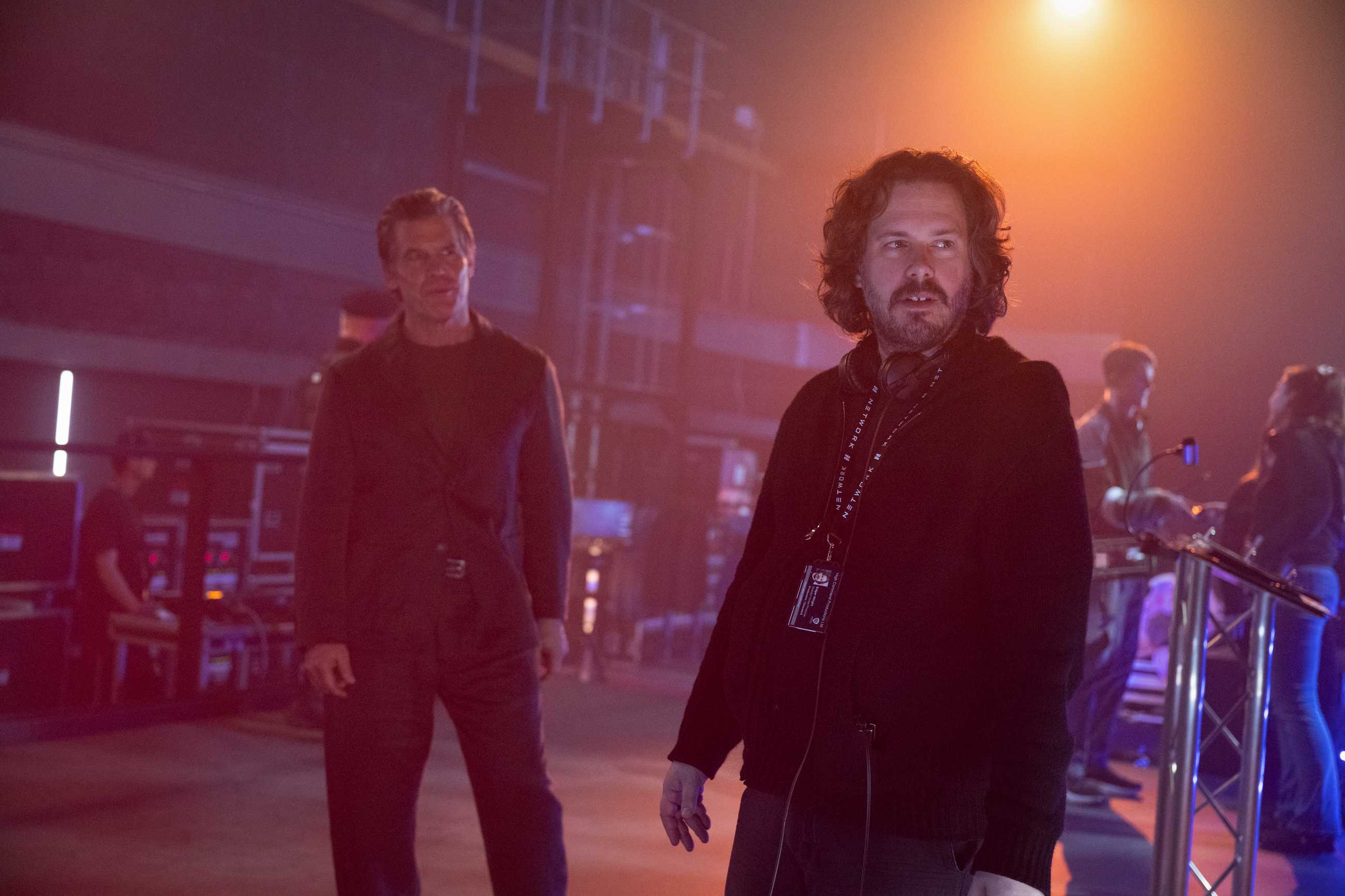
This interview has been edited for length and clarity.
Polygon: Stephen King set The Running Man decades in the future, and the 1987 Schwarzenegger film leaned into full‑on sci‑fi. Your adaptation feels much closer to everyday life — there are speculative elements, but I kept thinking, this could be my life.
Edgar Wright: I hope not literally. The book’s choice of 2025 is wild given when King first conceived it. We wanted the film to read as an alternate tomorrow rather than a distant sci‑fi fantasy. Everything in the movie exists in some form today, but there’s an amplified contrast: tech advances flourish in rich enclaves while the rest of society regresses.
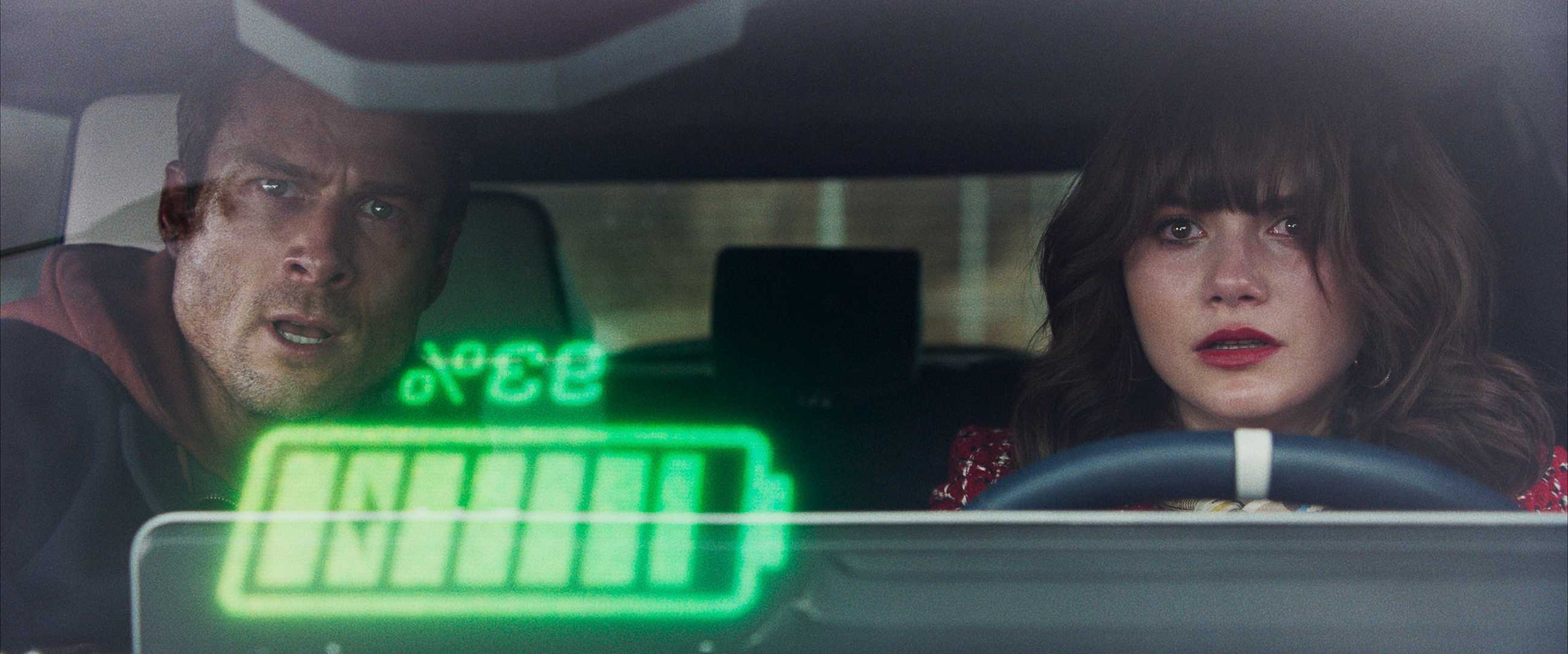
We also leaned into a slightly retro‑futuristic aesthetic. I love how Terry Gilliam’s Brazil looks back — an ’80s film borrowing 1940s vibe because of Orwell’s timeline. We asked ourselves: if King’s novel emerged from 1982, what would a 1982 reading of 2025 look like? Hence the VHS decks, envelopes, zines and post boxes. And on a purely visual level, smartphones are often dull on screen — less phone‑in‑hand equals more interesting imagery.
How did you stage the moment when Glen Powell’s character walks from the slums into the gated, opulent district — that reveal where the city behind the façade suddenly appears?
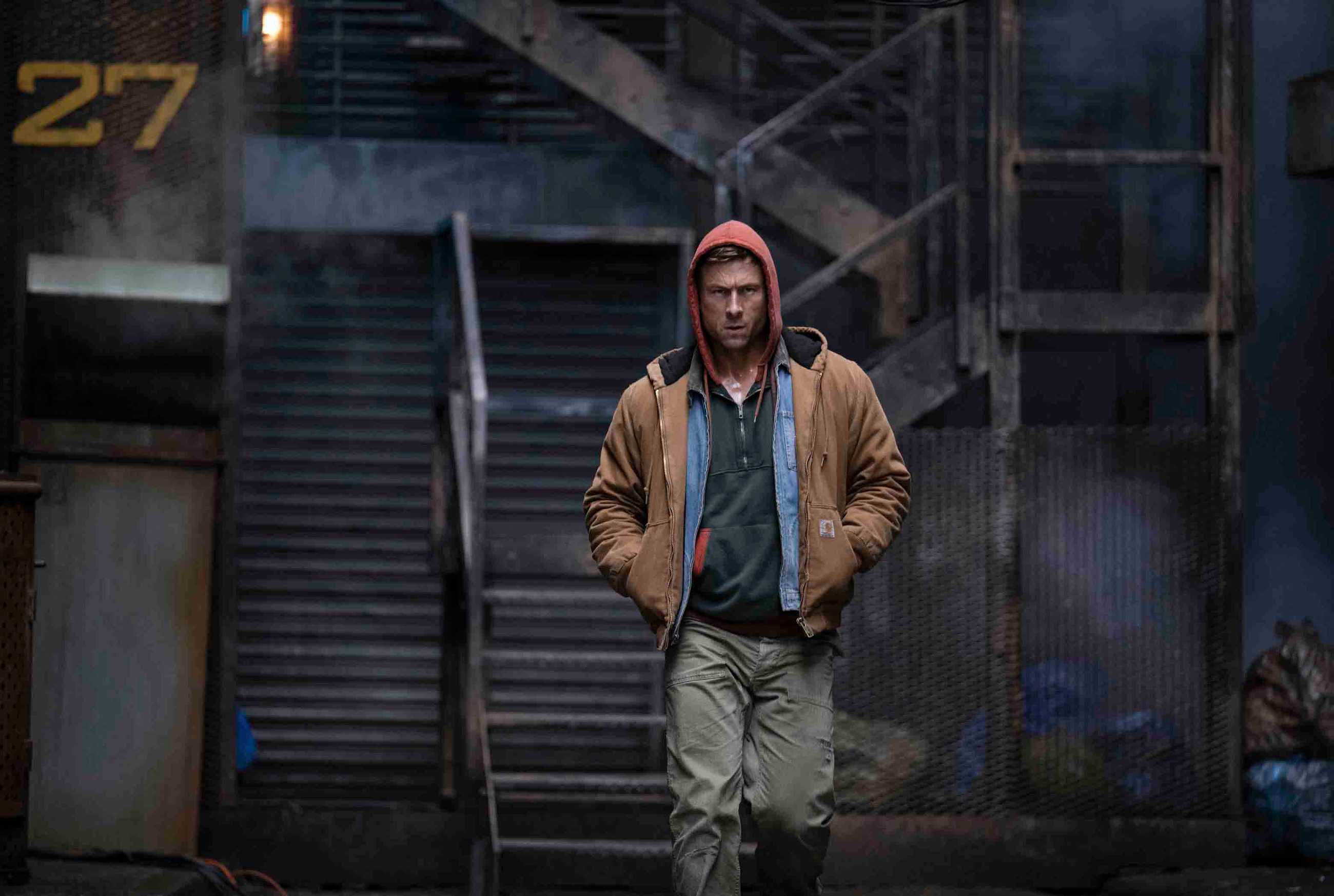
The book stayed with me because the character walks to the Network building — there’s something powerful about that solitary journey, especially in a city with a clear grid. For the film we kept the claustrophobic opening — the first scenes are confined, windowless rooms — and then the world suddenly opens up. The idea of a patrolled border around the uptown area was there from the beginning. We shot across locations in Glasgow and London to capture that gradual expansion of space and privilege.
Glen’s character is rooted in anger. Was it hard to push him away from the charming persona audiences know?
That anger is true to the book; Ben Richards starts as a man with righteous fury. We wanted him to be someone who rails against injustice and gets punished for it. When casting Glen, I told him I needed “bad‑mood Glen” — he’s naturally amiable, so it was exciting to let him lose control. There’s even a line from Josh Brolin that captures it: “Your anger is your superpower. Use it.” In our film, his temper makes him the ideal contestant for The Running Man.
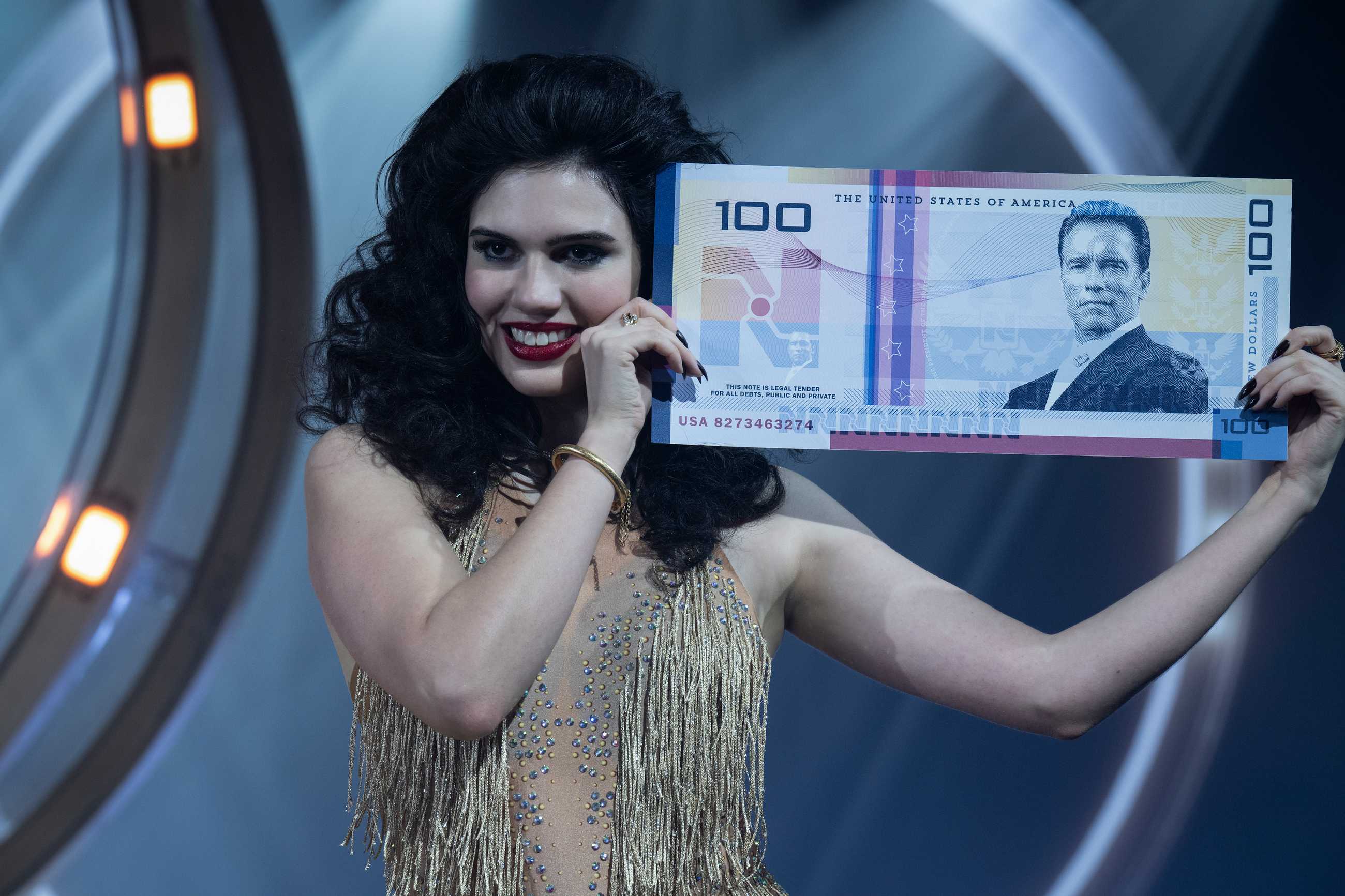
There’s a repeated gag where Richards records a message that the network edits into something else — in an age of AI‑generated video and political deepfakes, that lands hard.
That gag originates in King’s novel: the protagonist records a tape and the broadcast is rearranged to change his meaning. We began scripting in early 2022 when deepfakes were already emerging; since then the technology has accelerated and become an active tool for manipulation. It’s an unnerving element that felt essential to highlight.
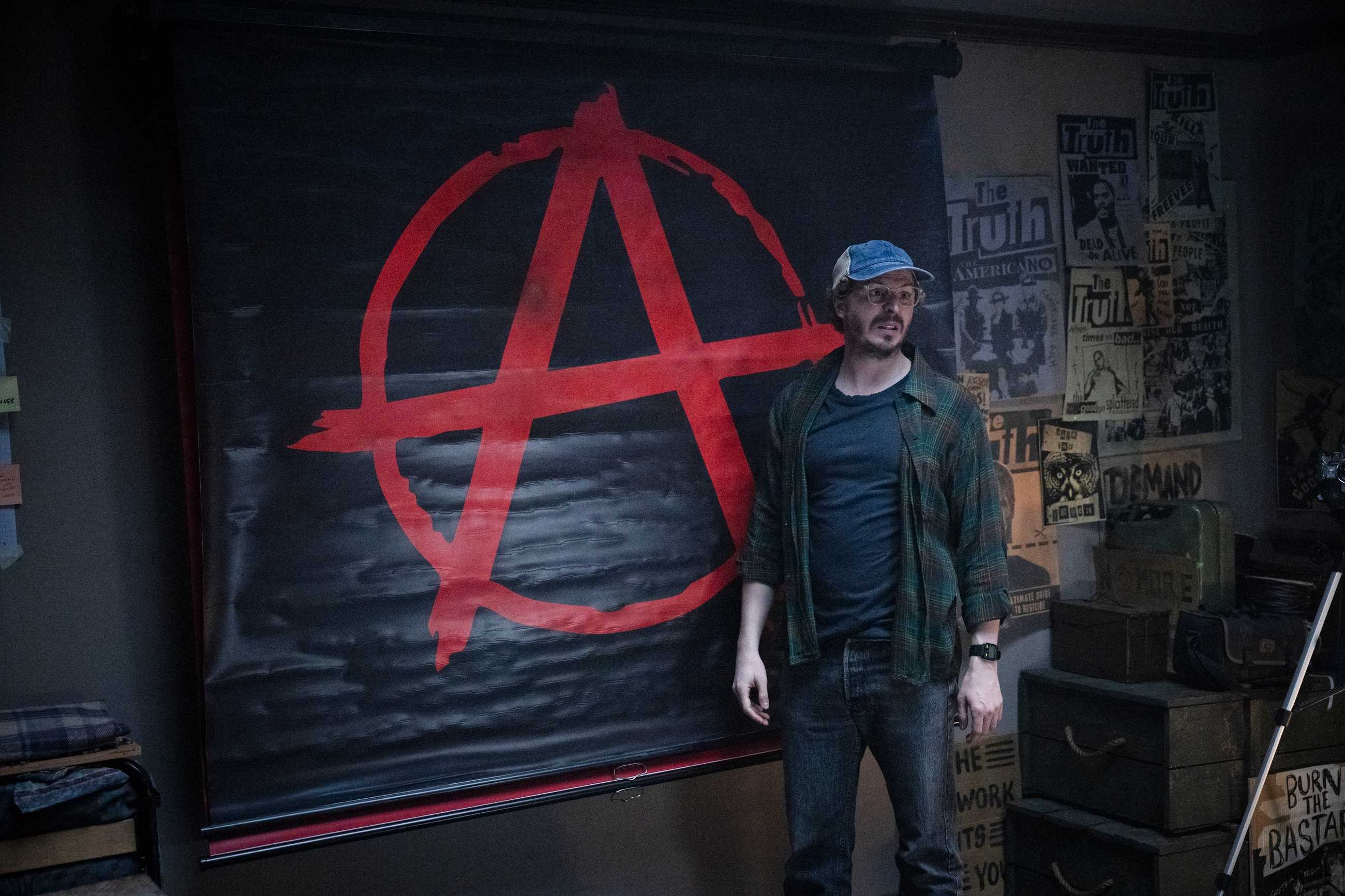
One standout is Daniel Ezra’s Apostle, who crafts stylized conspiracy videos about the Network. How did you shape that visual style — did you draw from real YouTube content?
I can’t point to one direct inspiration — it felt more like cultural osmosis. We staged his pieces as low‑tech productions shot in an apartment with rudimentary green‑screen setups. Those sequences were among the most improvised on set: lots of little green cards to punch through, drop or shove around to create in‑camera effects. The crew often didn’t know what I was doing, and they took the longest to edit, but the chaotic energy suited those characters.
Now that you’ve made The Running Man, are there other Stephen King stories you’d like to adapt?
Good question. I don’t have a specific title in mind. Most of the things I’ve read have already been adapted, so I’d need to dig into King’s shorter or lesser‑known material to find something fresh.
The Running Man releases in theaters on November 14, 2025.
Source: Polygon
Related articles
 Ryan Reynolds’ “Mayday” receives positive reviews from critics
 Michael Keaton to Direct Western Starring Morgan Freeman
 “Daddy’s Daughters” wedding sequel to be released in 2027
 Halle Berry and Colin Firth to Star in New Rom-Com
 Netflix Begins Filming New Dan Brown Adaptation
 Spider-Noir series canceled after first season
 Actors cast as Dobby and Tom Riddle for Harry Potter season two
 International “Doker” Film Festival Kicks Off in Moscow