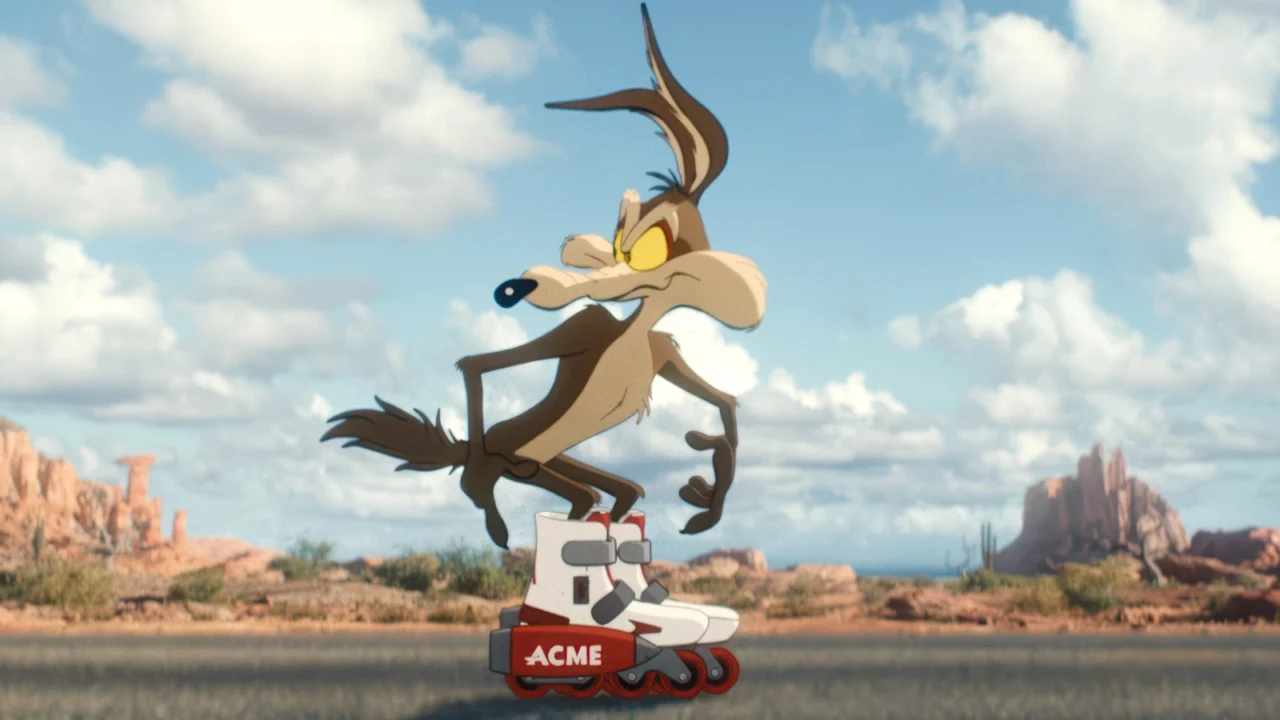
How Coyote vs ACME Broke the Rules of Live-Action Looney Tunes Movies
When Michael Jordan first meets Bugs Bunny in Space Jam, he reacts with star-studded confusion. Any human being would react similarly to meeting the iconic cartoon rabbit in real life. When Will Forte meets the beloved Looney Tune in Coyote vs. ACME, he is surprisingly nonplussed. In this live-action and animated feature film, the Looney Tunes are not global icons. They are regular cartoon people living in our world.
“We really wanted to challenge ourselves to not acknowledge the Looney Tunes as an ensemble of characters,” director Dave Green tells Polygon.
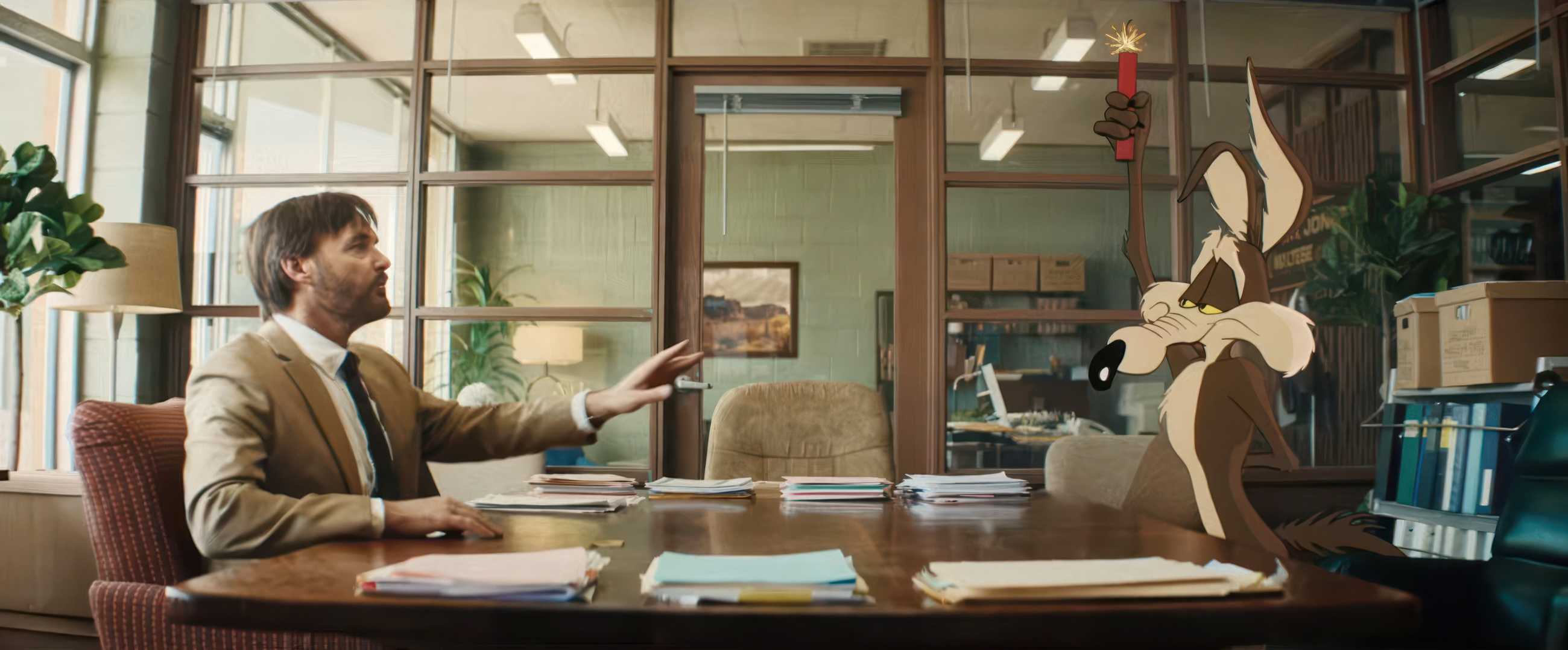
Coyote vs. ACME is in theaters now and enjoying rave reviews. The film survived a tumultuous path to release that included getting shelved by Warner Bros. Discovery and ultimately saved by a public outcry and independent film distributor Ketchup Entertainment. Wile E. Coyote grows fed up with all the faulty inventions he buys from the ACME Corporation. He decides to sue ACME with the help of an unambitious Albuquerque lawyer named Kevin Avery, played by Forte. They face off against ACME lead counsel Buddy Crane, played by John Cena. Forte, Cena, and the rest of the human cast deliver strong performances, but the classic Looney Tunes characters stand out as the real stars due to how the film uniquely utilizes them.
Foghorn is a blowhard who has a lot of swagger and arrogance and likes to talk down to people.
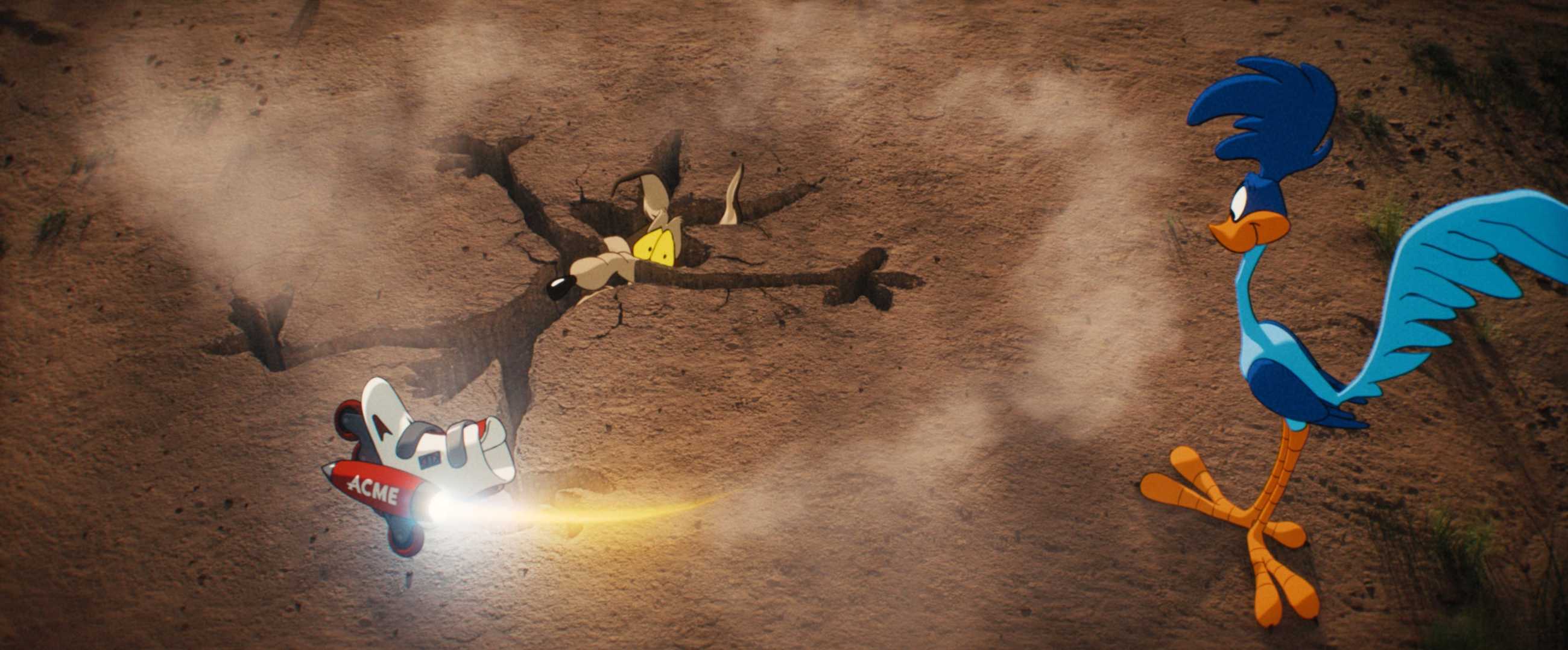
Unlike Space Jam, Looney Tunes: Back in Action, or Who Framed Roger Rabbit, the Looney Tunes characters are not celebrities here. Those earlier films featured famous versions of characters that had starred in classic animated shorts. Coyote vs. ACME portrays them as ordinary residents living in a world populated by humans and cartoons alike. The film operates more like a movie-length Looney Tunes animated short than a live-action project featuring cartoon guest stars.
That choice serves as a key element to the success of Coyote vs. ACME.
Ahead of the release, Polygon spoke with Green and screenwriter Samy Burch to discuss their approach to making a live-action Looney Tunes movie, the reasoning behind the casting choices, and the deep-cut character Easter eggs that did not make the final cut.
Warning: Mild spoilers ahead for Coyote vs. ACME.
Crafting the coyote
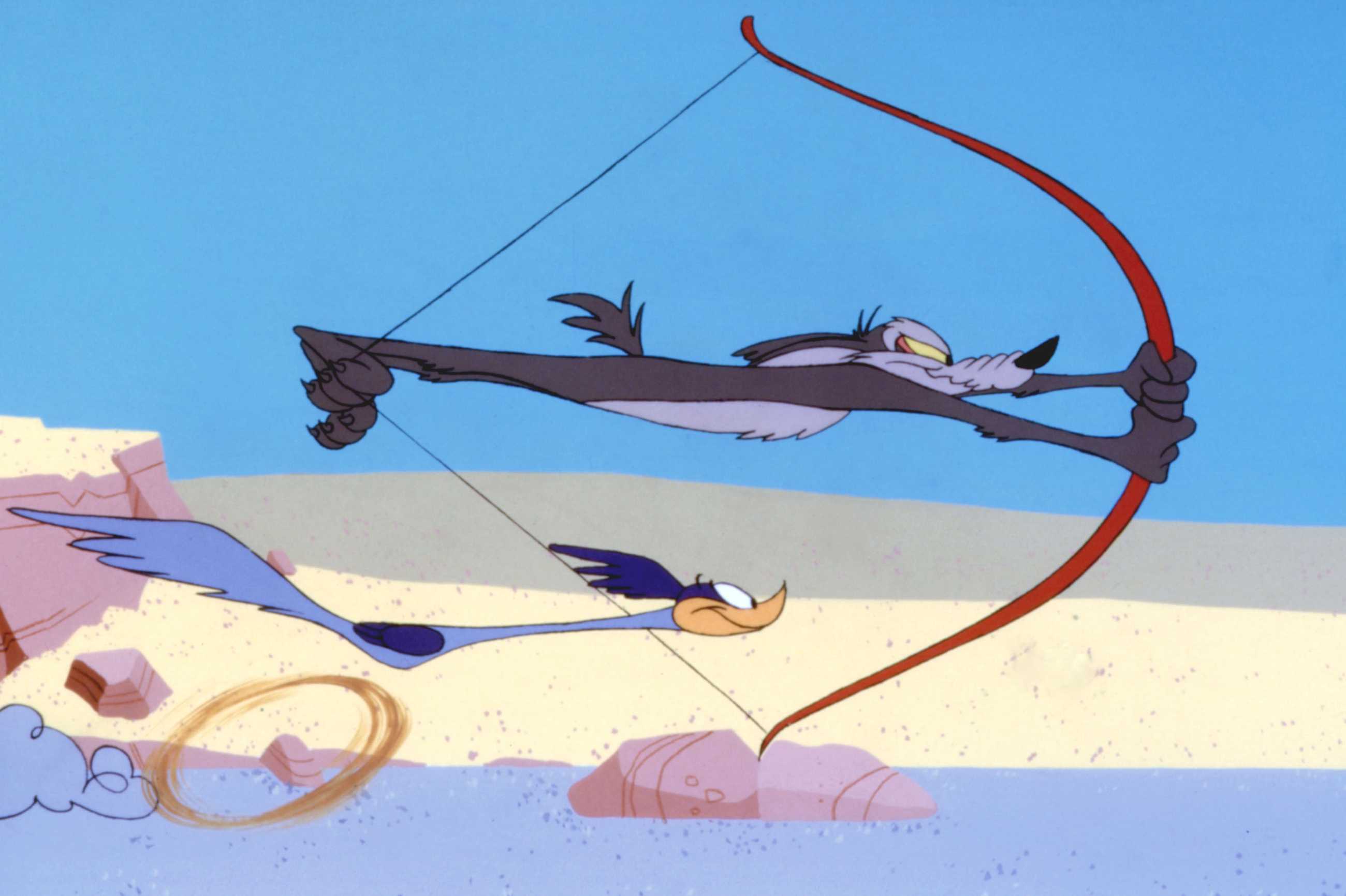
At its core, Coyote vs. ACME is a legal drama about an underdog taking on a massive corporation. The production choices needed to center on Wile E. Coyote, the most important character to get right. Green returned to the original shorts by Chuck Jones, the director who created the coyote and his eternal archnemesis, the Road Runner.
“I rewatched all of them,” Green says. “I made a big log of what happens in each short.”
He reached out to Pete Browngardt, creator of the 2020 revival series Looney Tunes Cartoons, who recommended story artists Ryan Kramer and David Gemmill. They served as incredible resources. The team also included story artist Carlos Lutterbach.
“Together, we shaped a version of Wile E. who resembled the Wile E. from our imaginations,” Green says. “To me, that was closer to the original Chuck Jones Coyote, who was a little conniving, and as much of a genius as he is a fool. He was really a haggard, lonely desert creature who was simply hungry and had this one very clear, singular want: to wake up every single morning and catch the Road Runner, no matter what got in his way.”
He was really a haggard, lonely desert creature.
This approach meant the main character could not talk.
While Wile E. Coyote is mostly remembered for non-speaking shorts with the Road Runner, he also appeared in four shorts with Bugs Bunny. He spoke with a smooth, sophisticated Mid-Atlantic accent in three of them. Chuck Jones directed those as well, starting with 1952’s Operation: Rabbit during the character’s second appearance. Green chose to avoid that version.
“It just didn’t feel like the right version of canon to us to have Wile E. speak,” Green says. “I was always personally pretty disturbed when he spoke. His voice is pretty haunting. And we liked the challenge of tying one hand behind our back and figuring out, ‘Okay, can we do this fencing match with a nonverbal character?’”
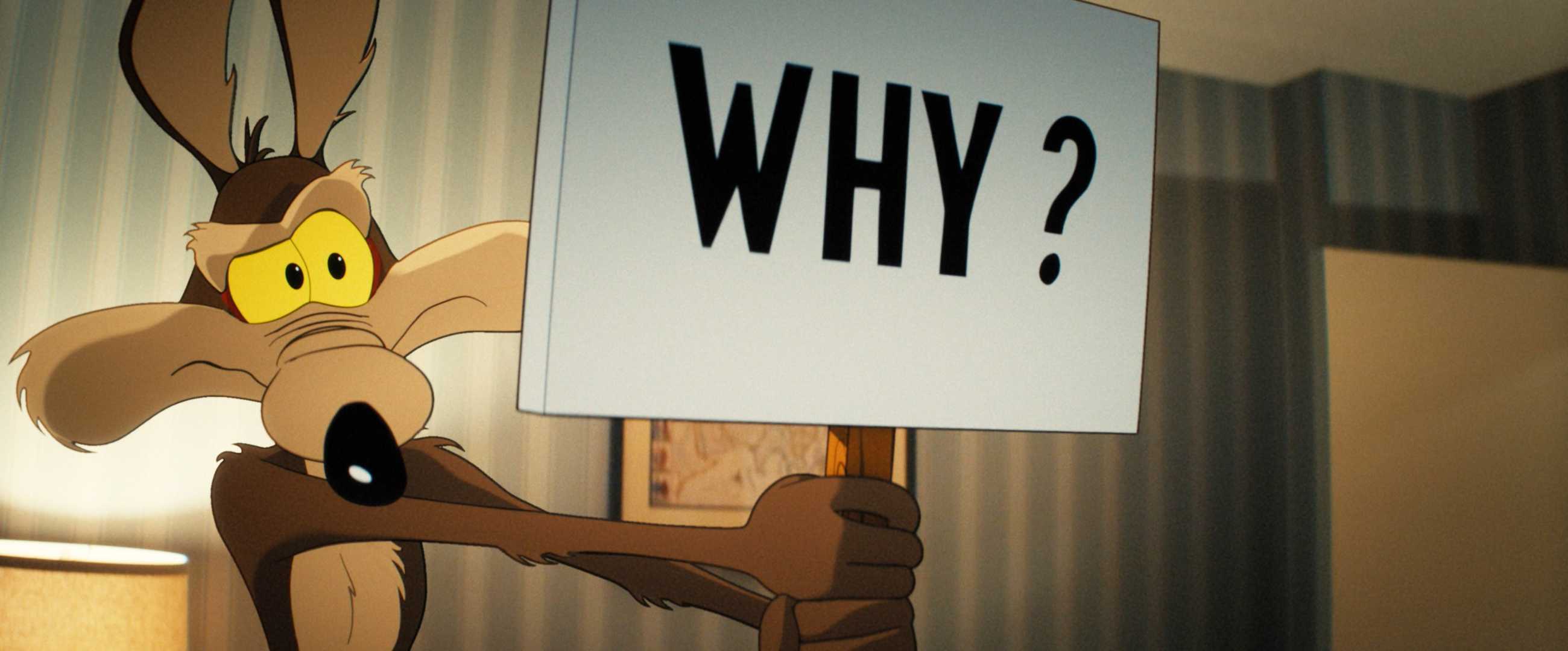
Green and his team used small signs with handwritten messages to convey feelings, mirroring the classic shorts, but avoided leaning on that trick too much. Green turned to other famous non-speaking protagonists for inspiration.
“We looked at a lot of Buster Keaton and Charlie Chaplin for inspiration and we thought about what we could do with this character who’s been built for 80 years as the quintessential silent film actor. Honestly, I felt like we didn’t need the silent film actor to talk.”
‘Casting’ the Looney Tunes
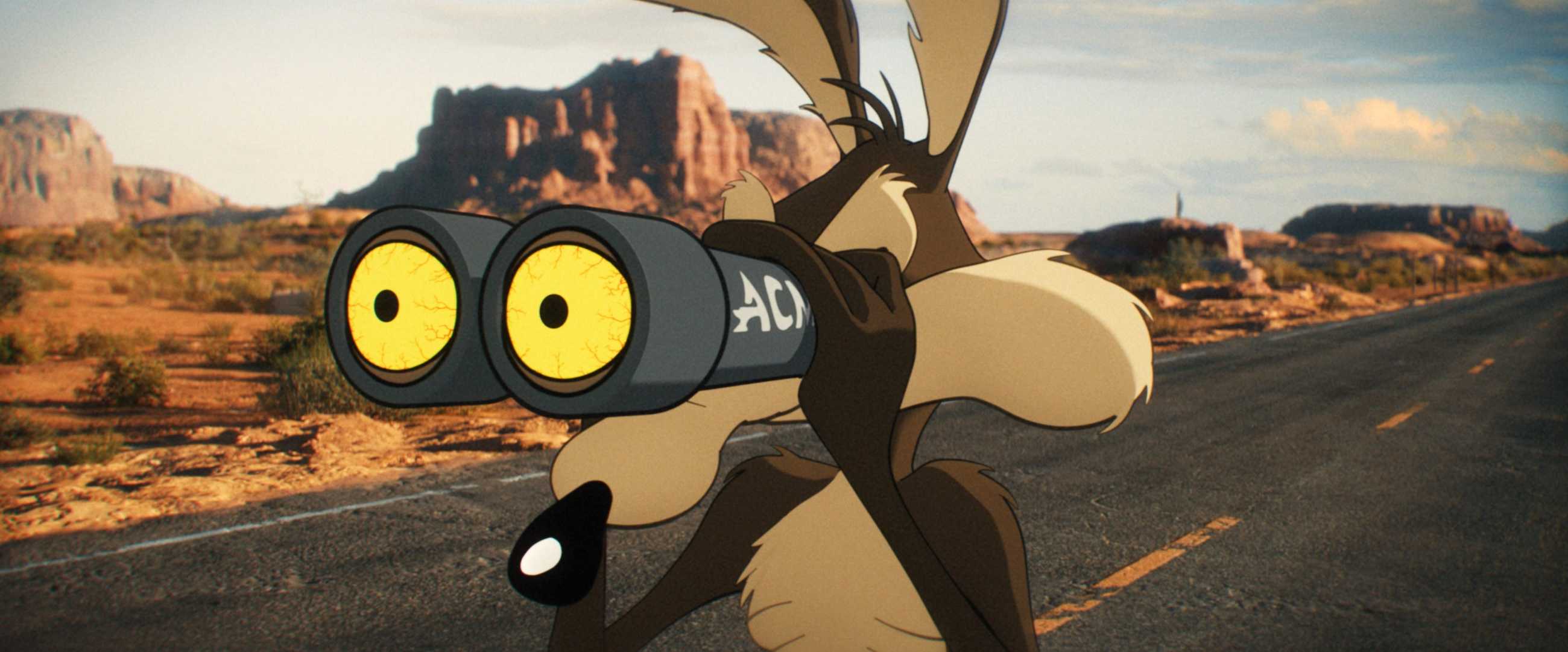
Since the coyote is an ordinary underdog rather than a famous star, the same applies to the rest of the cast. Coyote vs. ACME functions as a straightforward legal comedy where Looney Tunes characters fill roles suited for the story. The self-important head of the ACME Corporation is played by Foghorn Leghorn, who maintains the arrogant attitude of a rich tycoon despite being a farm animal.
“We wanted to see these characters playing roles, but keeping their personas,” Green says. “So Daffy is a bit crazy, and Foghorn is a blowhard who has a lot of swagger and arrogance and likes to talk down to people. Porky is the helpless everyman.”
Green credits screenwriter Samy Burch for much of the casting approach. Burch’s mother is Jackie Burch, the casting director behind films like The Breakfast Club and Die Hard.
“Samy grew up in a casting household and it’s part of her DNA,” Green says.
Burch describes the process as assigning roles to a theater troupe or a classic Hollywood production.
“I remember Dave and I having this conversation about thinking of the Looney Tunes as the performers on contract at the studio,” she says. “This is the theater company that we have to pull from. We don’t want to go against their spirits, so they can play these roles.”
There’s an anti-bird thing going on.
Another factor helped determine character placement in the film.
“Because the Coyote’s nemesis is the Road Runner, there’s an anti-bird thing going on,” she says. “So Tweety and Foghorn are villains, and a lot of the last names on that side of the table are birds.”
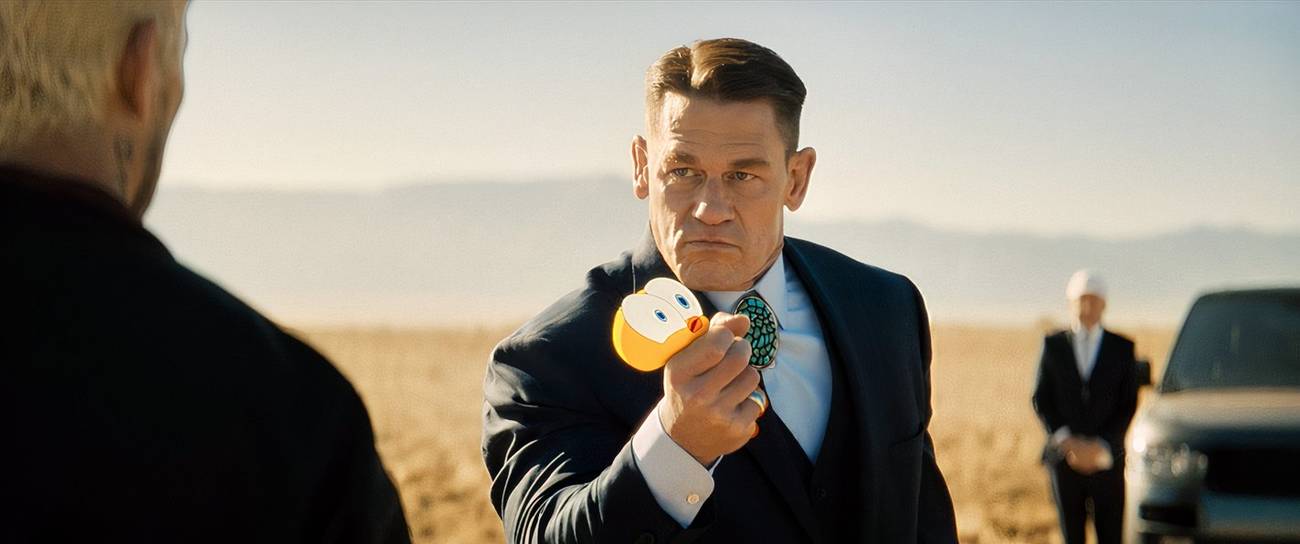
The human cast includes John Cena and P.J. Byrne as ACME corporate lawyers Buddy Crane and Bill Pelicanos.
Fitting the Looney Tunes into necessary narrative roles allowed for deep cuts.
“In an earlier draft, the scientist at the beginning was a human. Then at a certain point we were like, ‘Oh, this would be a great role for Dr. Lorre,’” Burch says, referencing the caricature of actor Peter Lorre from classic shorts.
Not all deep cuts made the final cut.
“There were a few drafts where Michigan J. Frog had kind of a supporting role,” Burch says. “He was running a bar near the law firm. But it’s that kind of thing where you go, ‘Okay we don’t need this location,’ so it fell by the wayside. No one’s going to be shoehorned in here. It’s only for the purpose of this story.”

The team handled major characters carefully, particularly Bugs Bunny, who appears as a mysterious informant.
“There was a feeling that you don’t want to cast someone so big they pull focus from the lead,” Burch says. “If Bugs Bunny is Tom Cruise, we want to be very sparing with how he’s used in the film, so that it doesn’t feel like a big ensemble. This is Wile E.’s movie.”
Elmer Fudd appears late in the film as a senator during a congressional hearing.
“It’s low-hanging fruit because Elmer Fudd does feel like a senator to me,” says Burch. “He was always there. Once we knew we were headed towards a congressional hearing, it was like, ‘Oh, well, we’ll have Elmer Fudd and like, six humans.’ That just always felt funny.”
The voice of the Looney Tunes
The way Coyote vs. ACME integrates so many characters becomes remarkable when realizing that a single person voices most of them.
“We were lucky because we had Eric Bauza, who’s a really great actor,” says Burch.
Mel Blanc voiced nearly every classic character in the original shorts. In Coyote vs. ACME, Bauza voices 10 characters. He delivers performances that allow audiences to accept them as the same figures from 80 years ago, matching a world that accepts Foghorn Leghorn as a CEO, Elmer Fudd as an elected official, and Wile E. Coyote as a hero.
Coyote vs. ACME is in theaters now.
Source: Polygon
Related articles
 Heroes of the Storm Fans Urge Donations Ahead of New Hero and Blizzard Evaluation
 Release Date Announced for Minecraft Wilderness Bound Update Featuring New Biome and Features
 Genshin Impact Developers Sue AI Company Over Voice Copying
 Air Force One Available to Stream Free on Tubi
 First Details on Diablo V Emerge With Reports of New Classes and Mechanics
 Stranger Things Returns Next Week With Ten New Episodes
 Brandon Sanderson Recommends 10 Near-Perfect Fantasy Books
 Paradox Releases New DLC and Makes Surviving Mars: Relaunched Temporarily Free