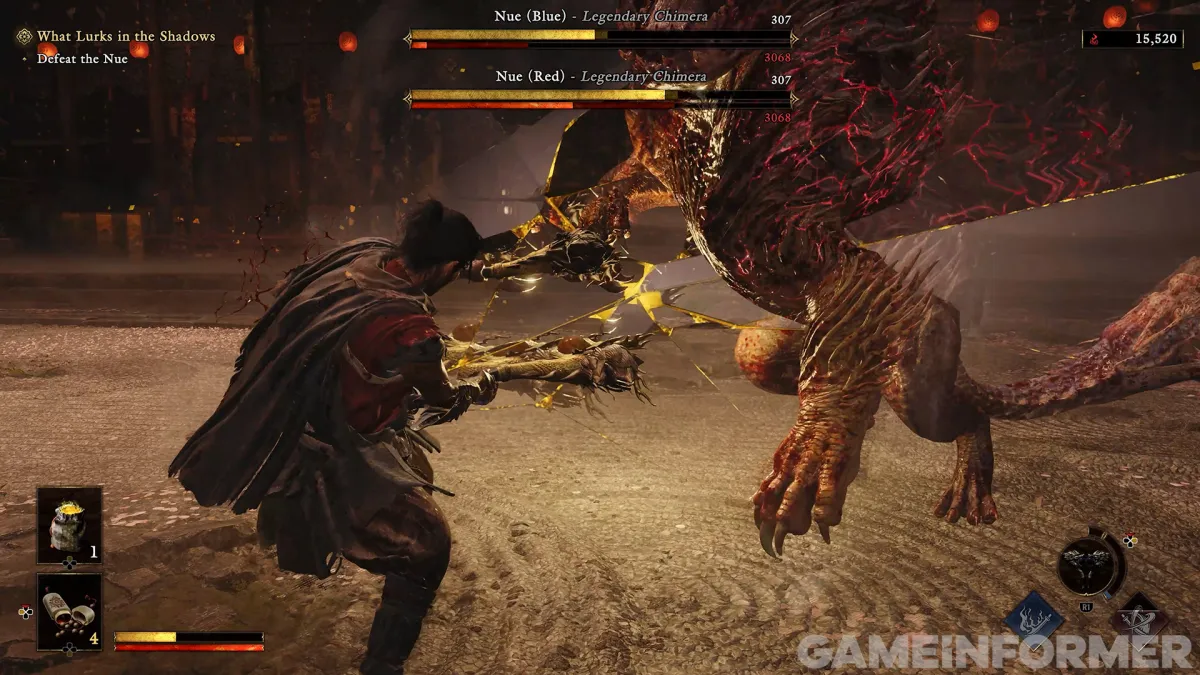
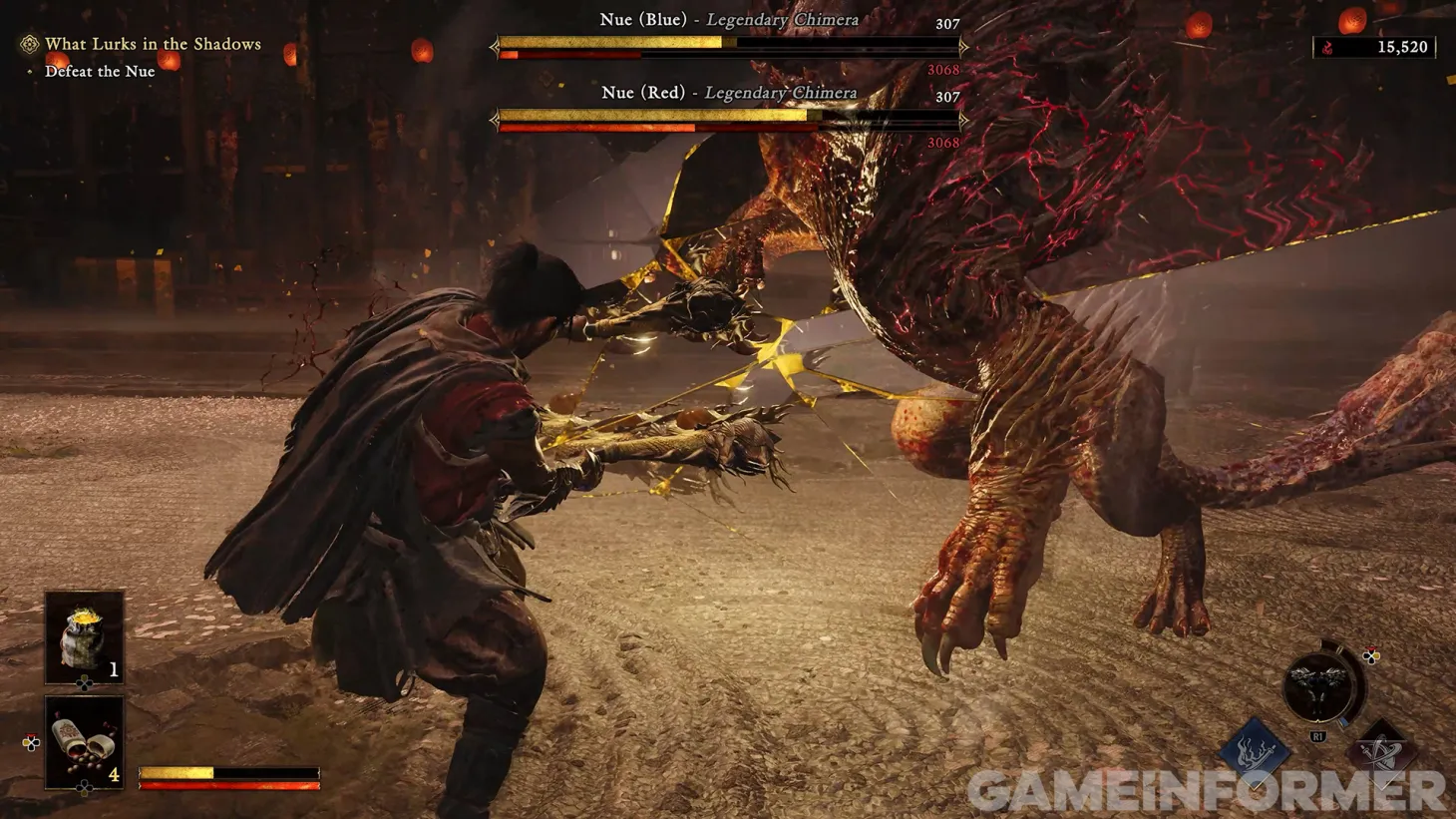
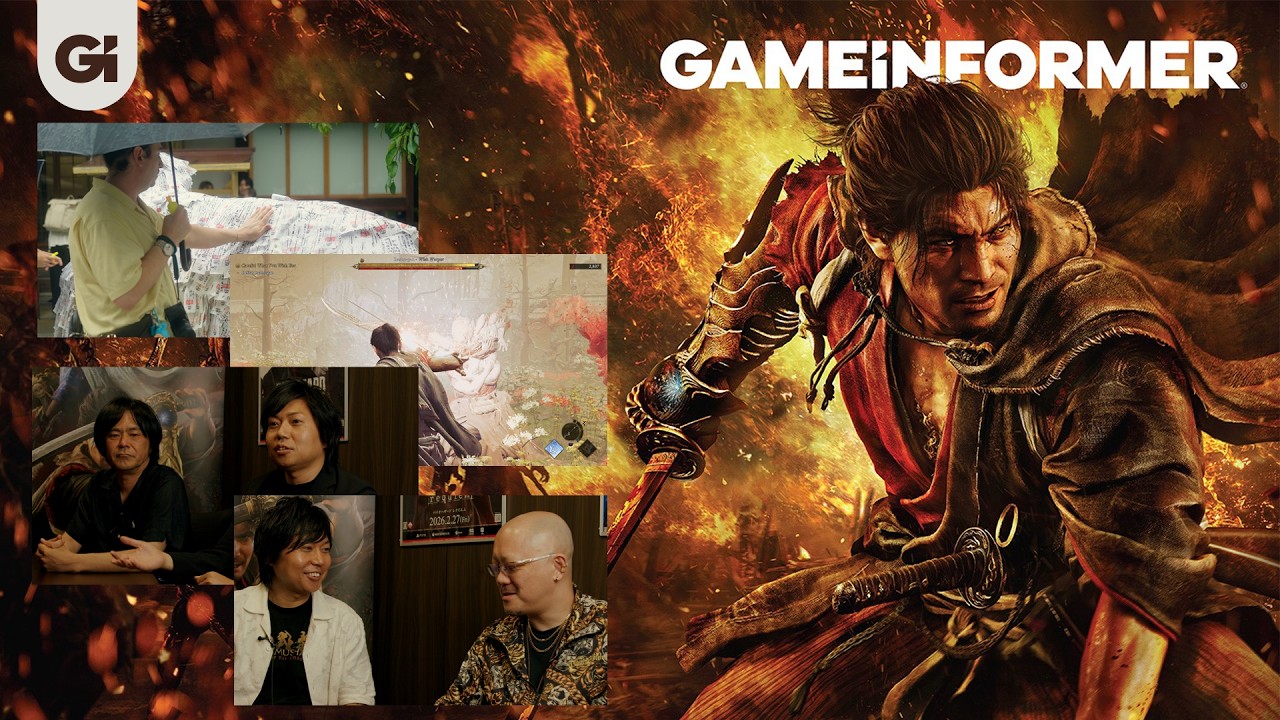
As Onimusha: Way of the Sword takes center stage as the latest cover star of Game Informer, we are rolling out a wave of exclusive insights. While subscribers can immediately dive into the main cover feature right here, our dedicated game hub is steadily filling up with in-depth interviews, behind-the-scenes features, and video content.
During my trip to Capcom’s headquarters in Osaka, Japan, I sat down with Hiroshi Yugen, the animation team lead for Way of the Sword. Our conversation spanned several fascinating subjects, including how the developers reimagined the legendary historical samurai Miyamoto Musashi. We also evaluated how Capcom’s proprietary RE Engine handled the project, leading to the revelation that the team had to commission internal engineers to build an entirely new mechanic from scratch.
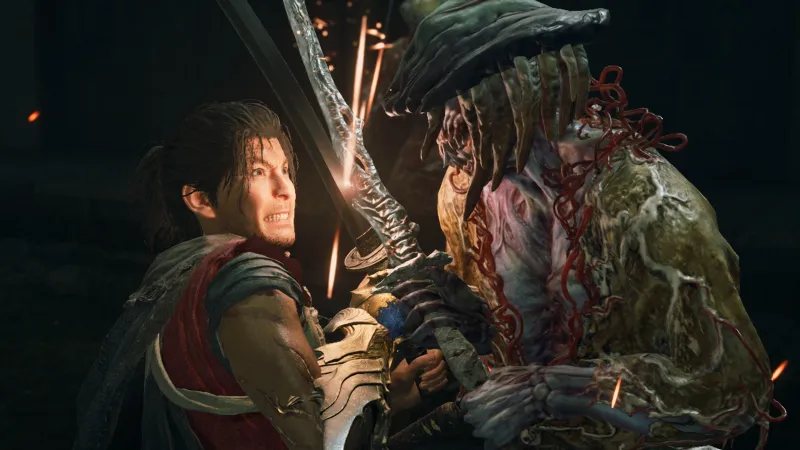
Often colloquially linked to its flagship franchise, the RE Engine actually stands for the “Reach for the Moon Engine” and has powered Capcom’s lineup for over a decade. Kicking off with Resident Evil 7: Biohazard—which sparked a grand renaissance for both the survival horror series and Capcom as a whole—the engine has been the foundation for nearly every major release since. This includes acclaimed titles like Street Fighter 6, Exoprimal, Dragon’s Dogma 2, Kunitsu-Gami: Path of the Goddess, and Monster Hunter Wilds, alongside recent releases such as Resident Evil Requiem, Monster Hunter Stories 3: Twisted Reflection, and Pragmata.
Given that Way of the Sword demands a much faster, more aggressive pace than many of these previous titles, I asked Yugen how well the established engine coped with the transition.
“We didn’t encounter any rigid limitations while developing Onimusha on the RE Engine,” Yugen explained. “In fact, quite the opposite: we ended up pioneering an entirely new feature that hadn’t been successfully executed in any prior game.”
That groundbreaking addition is the Dynamic Dismemberment System. It dictates how Musashi can cleave Genma foes in two, slicing through tearing flesh, severing limbs, and lopping off heads in real time. The game reacts dynamically underneath the hood, rendering visceral, highly satisfying animations for every enemy collapse—provided you whittle down their stamina like a seasoned warrior and execute a Break Issen or finishing blow.
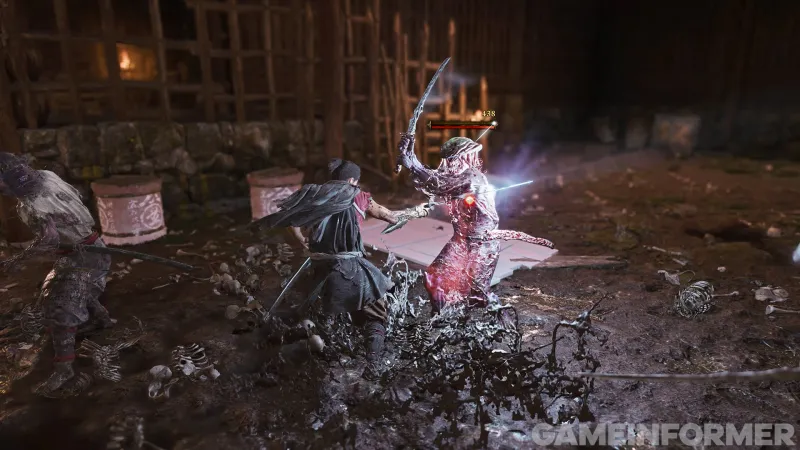
“This level of dismemberment simply didn’t exist in our past titles, meaning our engineers had to build the technical foundation directly into the RE Engine,” Yugen noted. “Integrating this feature proved exceptionally challenging because we wanted it to merge seamlessly with traditional dramatic death sequences. Classic samurai cinema often features lingering, theatrical death animations where characters remain upright for several seconds before collapsing. Marrying that deliberate artistic pacing with real-time dynamic dismemberment was technically complex, so we had to lean heavily on our programming team.”
Early prototypes posed severe hurdles. Yugen recalls that initial tests caused enemies to awkwardly freeze mid-action. “The motion lacked fluidity,” he stated. “I was persistent; I needed the animations to remain entirely active while the dismemberment effects triggered simultaneously.”
If you haven’t witnessed this system in motion yet, I strongly encourage trying out the publicly available Way of the Sword demo. Land a precise Break Issen and watch how the Genma’s physical form reacts to Musashi’s blade—it’s wonderfully gruesome, dramatically elevating the tactile weight of the combat.
Stay tuned as we continue our month-long exploration of Capcom’s triumphant revival of Onimusha. We will be dropping exclusive gameplay showcases and behind-the-scenes features—including our signature Rapid-Fire Interview—over on the Game Informer YouTube channel. Keep a close eye on our Onimusha: Way of the Sword coverage hub so you never miss an update.
In the meantime, catch up on our extensive coverage of Onimusha: Way of the Sword:
- How Capcom Crafted Its Own Version Of Legendary Samurai Miyamoto Musashi In Onimusha: Way Of The Sword
- How Capcom Reinvented And Updated Onimusha’s Combat In Way Of The Sword
- Onimusha 2 Director Motohide Eshiro On Way Of The Sword’s Resurrection Of The Series
- A Look Back On The First Two Onimusha Games With Planner And Director Motohide Eshiro
- Here’s How The Late Japanese Actor Toshirō Mifune Became The Face Of Musashi In Onimusha: Way Of The Sword
- Capcom Says Onimusha: Way Of The Sword Being The ‘Pinnacle Of Swordplay Action Games’ Is What Success Looks Like After A 20-Year Gap
- There Are No Minigames In Onimusha: Way Of The Sword, But It Sounds Like The Phantom Realm Is Back
- Puzzle Boxes Are Gone In Onimusha: Way Of The Sword, But Bigger Environmental Puzzles Have Taken Their Place
- Onimusha: Way Of The Sword Isn’t Connected To Previous Games, But There Are Homages
- How Capcom Decided On Miyamoto Musashi For Its Onimusha: Way Of The Sword Protagonist
- Why Kyoto Was The Perfect Setting For Onimusha: Way Of The Sword
- Why 2026 Was The Year To Bring Onimusha Back After A 20-Year Gap
What are your thoughts on the updated Genma designs showcased in Onimusha: Way of the Sword? Share your opinions in the comments section below!
 Twitch Shares Streamer Data With Amazon to Train AI
 Reflecting on the Enduring Legacy of Calvin and Hobbes Dad Quotes After 37 Years
 Reports Indicate GameStop Has Canceled Its Planned Acquisition of eBay
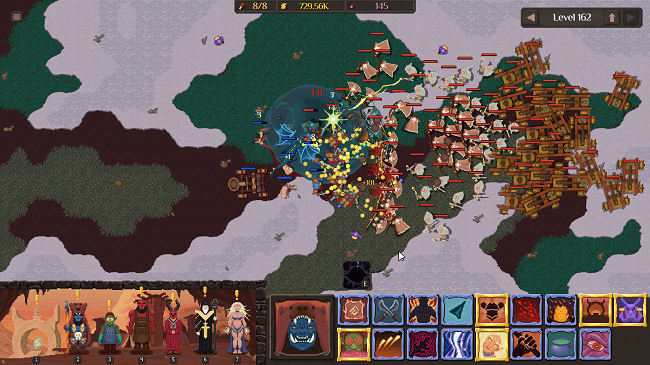 Orc Incremental launches on Steam September 8
 Low-Budget Repairs launches on PC
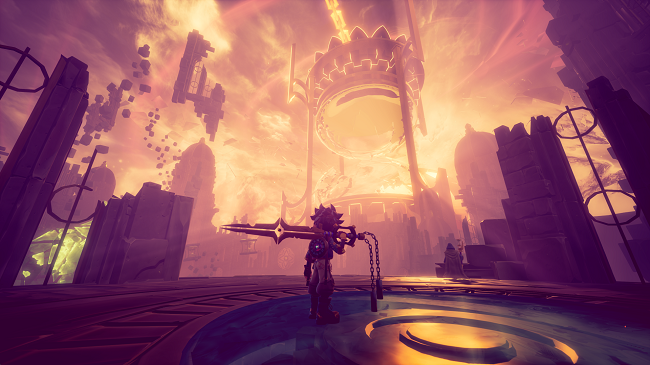 Duskfade launches on PC and consoles
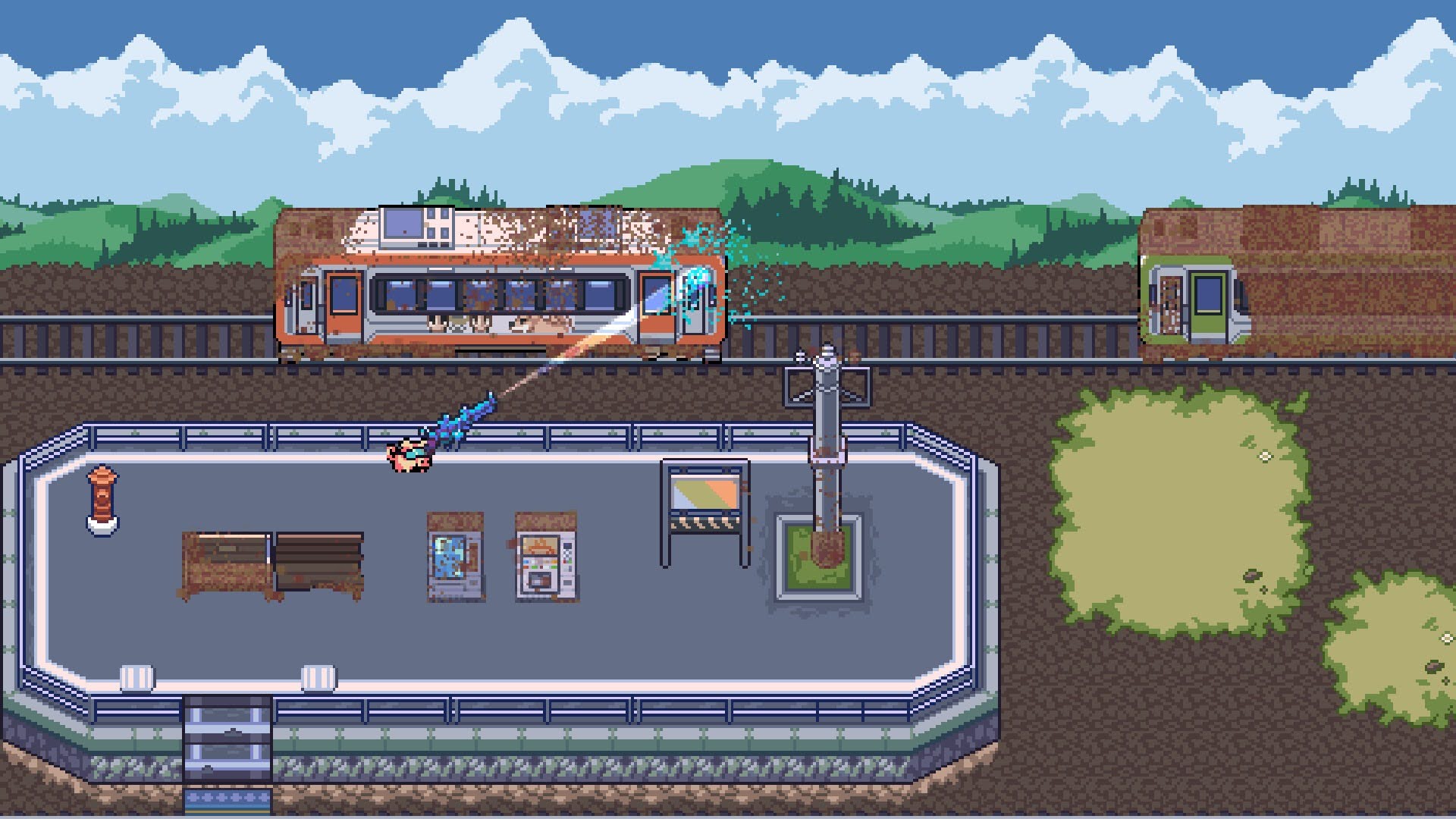 Pixel Washer shows new gameplay trailer and targets autumn release
 Infinity: HexaDome Tactics launches September 10, final playtest open