
How an Iconic Spock Quote Explains Star Trek’s Enduring Appeal
Every few years, someone claims that Star Trek has changed too much.
When The Original Series defined the franchise, audiences initially pushed back against The Next Generation. Later, viewers criticized Deep Space Nine for its darker tone, claimed Enterprise strayed from the core formula, and argued Discovery differed too drastically. Today, Strange New Worlds earns praise for returning to classic storytelling, while future projects will likely face the same accusations.
Spock (Leonard Nimoy) addressed this tension back in 1969. He delivered the insight during the season 3 episode “Let That Be Your Last Battlefield” rather than during a grand speech or a famous salute.
“Change is the essential process of all existence.”
The line remains a defining statement from Star Trek: The Original Series. Decades later, those eight words still explain the character, the franchise, and the fandom that continually debates its direction.

What Spock’s quote says about the episode
First broadcast on Jan. 10, 1969, “Let That Be Your Last Battlefield” follows the Enterprise crew as they encounter Bele (Frank Gorshin), whose face is black on the right side and white on the left, and Lokai (Lou Antonio), whose coloration is reversed. Both characters harbor a consuming hatred that outlives the total destruction of their home civilization. The episode stands as a direct commentary on racism, noted for presenting its moral message without subtlety.
Spock offers his observation while watching two individuals trapped by generations of prejudice. While addressing the conflict on screen, Spock also speaks to the broader nature of progress. Civilizations that refuse to adapt ultimately destroy themselves.
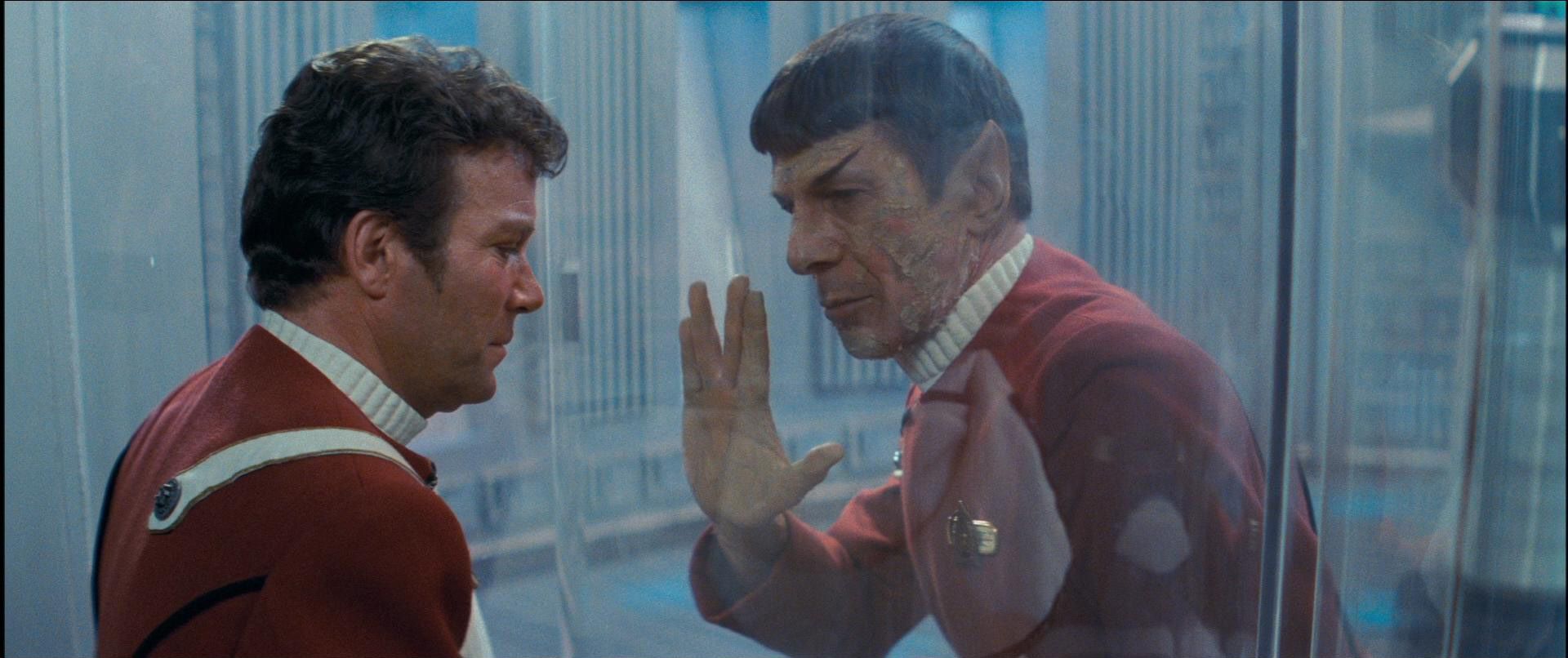
What the quote says about Spock
Spock embodies this concept throughout his development. When the show began, pure logic appeared to define him entirely, and he treated human emotion as an impulse to suppress. Over the course of The Original Series, Captain Kirk and Dr. McCoy continually challenge his rigid outlook. Spock never discards logic, but he recognizes that logic alone is insufficient.
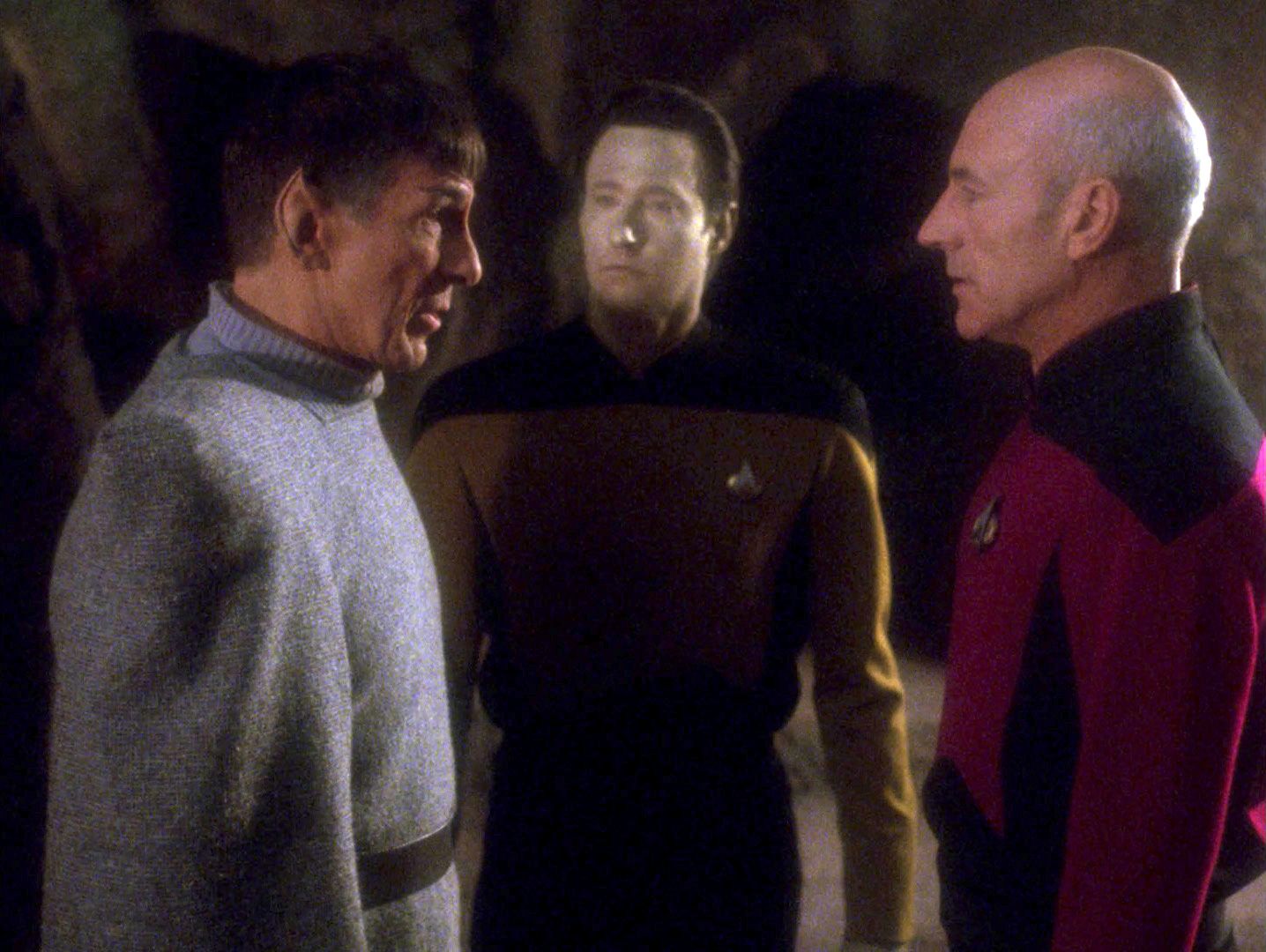
Spock grows across each season, gaining wisdom and learning to balance both his human and Vulcan heritage. Long before later films and sequel series expanded his journey, the original run showed him quietly evolving beyond his original boundaries.
What the quote says about Star Trek
Every era of Star Trek has altered the franchise structure. The Next Generation proved the concept could thrive without Kirk. Deep Space Nine examined the compromises behind Federation ideals, Voyager stranded its crew across the galaxy, and Enterprise revisited the early days of space exploration. Discovery adapted the property for modern streaming audiences. More recently, Strange New Worlds has combined contemporary production with the optimism of The Original Series.

While audiences have debated specific creative risks, Star Trek could never have survived by simply repeating its 1966 blueprint indefinitely.
What Spock’s quote says about the fans
Audience reactions often mirror the resistance Spock identified. New releases frequently meet skepticism from viewers arguing the material no longer feels authentic. Over time, those assessments soften. The Next Generation and Deep Space Nine grew into widely recognized classics, and Enterprise has found renewed appreciation years after its cancellation.
Debates over preferred eras will continue, yet the broader cycle remains consistent. Unfamiliar approaches generate resistance, gain gradual acceptance, and eventually earn lasting affection.
Audiences often believe the franchise has drifted too far, only to recognize later that the core remains intact. Other Spock lines carry greater fame, from “Live long and prosper” to humorous lines such as “I am endeavoring, ma’am, to make a mnemonic memory circuit using stone knives and bearskins.” Viewers also remember philosophical remarks like “After a time, you may find that having is not so pleasing a thing after all as wanting. It is not logical, but it is often true,” along with his classic delivery of “Fascinating.”
Still, Spock’s eight-word observation on change remains remarkably accurate, capturing the trajectory of the character, the franchise, and the community that watches them.
Source: Polygon
Related articles
 Xbox Reportedly Working on System to Convert Physical Discs to Digital Copies
 Report Claims GTA VI Will Feature Story Progression Block
 List of GTA VI activities revealed
 Noah Jupe Cast in Secret Role for Avengers: Secret Wars, Reports Say
 New Harry Potter Reboot Trailer to Release on September 2 Following Teaser Preview
 Analysts Warn GTA VI Release Could Damage Economy
 Stephen King Praises Netflix Gothic Thriller Series
 DC Comics Announces New Black Lantern