Five Sci-Fi Shows With Acclaimed Complete Runs
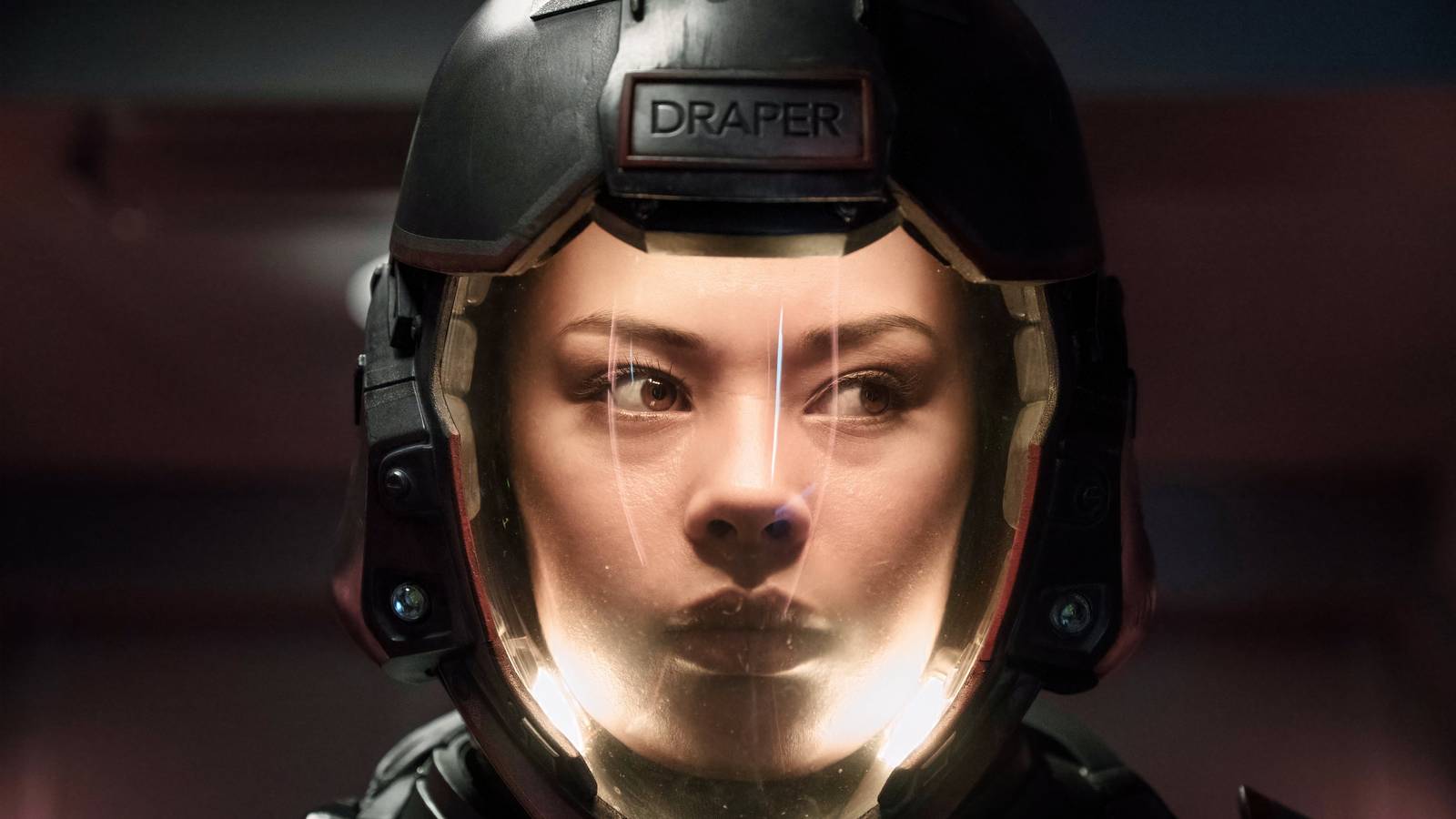
Science fiction spans many styles. Anthology series like The Twilight Zone and Black Mirror examine possible futures through speculative tales. Shows like The X-Files explore the paranormal to investigate the unknown, while dramas like Silo and For All Mankind focus on human survival within dystopian settings. Across decades of storytelling, the genre continues to reinvent itself through distinct subgenres and ideas.
The strongest science fiction television pairs deep thematic questions with consistent worldbuilding and believable characters. These stories often examine moral ambiguity against rich backdrops, challenging viewers with complex questions about human nature. Here are five science fiction series that deliver exceptional storytelling throughout their entire runs.
1. Dark
Created by Baran bo Odar and Jantje Friese, Dark is a tightly plotted three-season German drama centered on time travel. Set in the fictional German town of Winden, the narrative begins with the disappearance of a young boy. That event uncovers a sprawling temporal conspiracy spanning multiple generations of local families.
The series starts as a moody small-town mystery and police procedural before diving headfirst into complex concepts like the bootstrap paradox. Creators Odar and Friese place vital clues throughout the early episodes, culminating in a conclusive ending that resolves the deterministic time loops. Ben Frost provides a haunting, atmospheric score that reinforces the town’s bleak environment while the story explores how temporal shifts fracture personal relationships.
2. The Expanse
Adapted from the book series by James S. A. Corey, The Expanse presents a grounded vision of humanity after the colonization of the solar system. The overarching narrative weaves together the journeys of three core figures: United Nations executive Chrisjen Avasarala, portrayed by Shohreh Aghdashloo; cynical detective Josephus Miller, played by Thomas Jane; and Rocinante officer James Holden, played by Steven Strait.
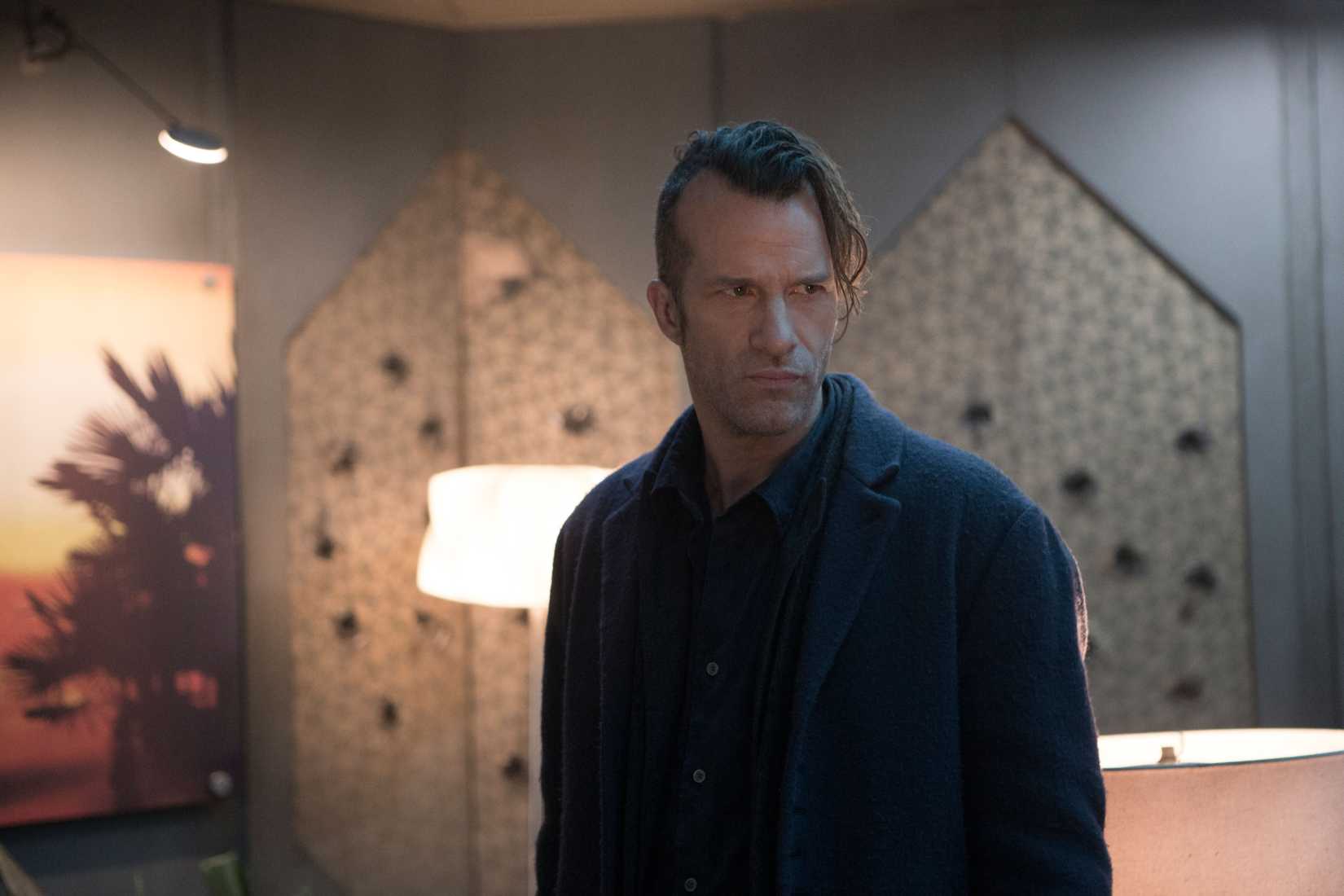
Across six seasons, the series explores political instability, resource scarcity, and factional tensions among Earth, Mars, and the Asteroid Belt. The show uses realistic physics and gritty production designs to keep the cosmic stakes grounded. By balancing broad galactic conflicts with personal struggles, the adaptation establishes a coherent universe where space remains a dangerous environment.
3. Andor
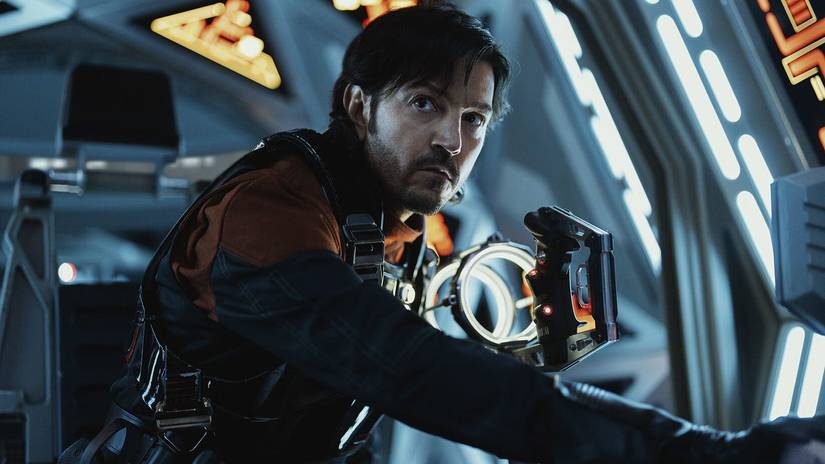
While audiences met Rebel intelligence operative Cassian Andor (Diego Luna) in the 2016 film Rogue One, showrunner Tony Gilroy details the character’s origins in Andor. The two-season prequel charts Cassian’s evolution from a detached thief into a dedicated insurgent fighting the Galactic Empire.
Gilroy treats the rebellion as a messy, high-cost undertaking rather than a simple adventure. The series examines how imperial bureaucracy crushes ordinary citizens and highlights the varied approaches of resistance fighters, including militant extremist Saw Gerrera (Forest Whitaker). Strong ensemble acting and sharp dialogue ground the narrative in the day-to-day sacrifices required to spark an uprising.
4. Stargate SG-1
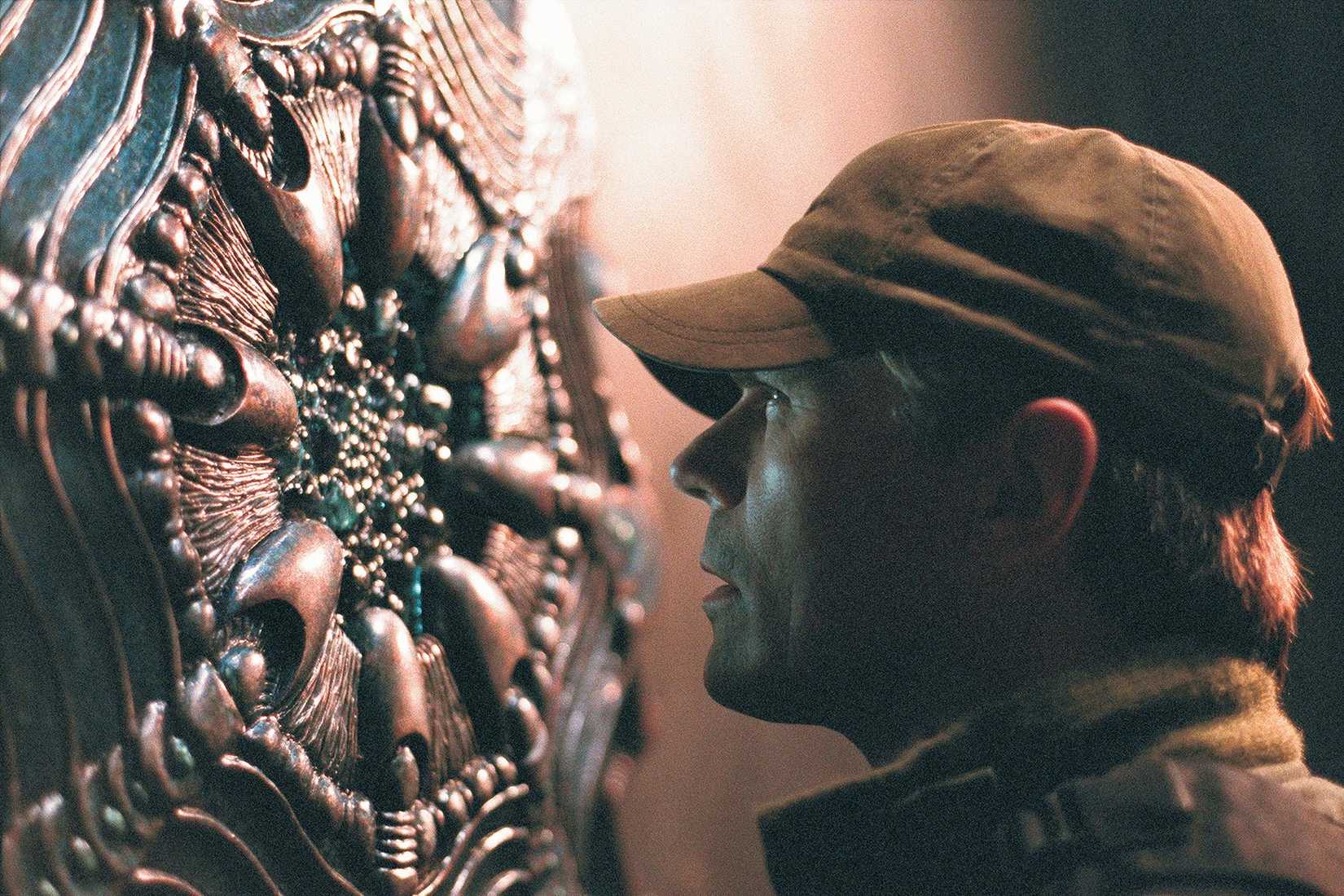
Developed by Brad Wright and Jonathan Glassner, Stargate SG-1 expanded on Roland Emmerich’s 1994 film Stargate. Premiering in the late 1990s, the Emmy-nominated show follows an elite military unit tasked with exploring the galaxy and defending Earth using ancient portal devices.
The series distinguished itself through witty team dynamics, military realism, and clever reinterpretations of human mythology and folklore. Even as the franchise introduced spinoffs like Stargate Atlantis and Stargate Universe, the original show maintained its appeal across ten seasons by balancing episodic alien encounters with long-term galactic lore and earnest character relationships.
5. Devs
Written and directed by Alex Garland, who previously directed Ex Machina and Annihilation, Devs is a focused eight-episode miniseries. The story kicks off when Sergei (Karl Glusman) joins a secretive quantum computing division at the tech company Amaya. Following his sudden death, his partner Lily (Sonoya Mizuno) investigates the company and its enigmatic leadership.
Garland structures the story around philosophical debates surrounding determinism, grief, and free will. Minimalist visuals and an eerie tone give the tech campus a sterile atmosphere. The miniseries presents an intense puzzle-box narrative about the consequences of creating a machine capable of mapping the past and future.
Source: Polygon
Related articles
 Dan Stevens to Play Alex Murphy in Amazon’s RoboCop
 Psychological Survival Horror Holstin Set for 2027 Release
 New Resident Evil Movie Rated R for Strong Bloody Violence
 Insomniac Details Combat System Features in Marvel’s Wolverine
 Red Dead Redemption 2 Reference Found in Grand Theft Auto VI
 Dragon Ball Super Artist Teases Manga Return
 2022 Survival Thriller Fall Is Now Free to Stream on YouTube
 Mimic Horror Game Developer Has All Equipment Stolen from Gamescom Booth