Five of the Best Anime Arcs of All Time
An exceptional story arc can elevate even a flawed anime series. The mechanics of a great arc vary, but the best tend to raise the stakes, test their characters, and build steadily toward a cathartic payoff. The conflict must also feel convincing, with the antagonist’s evolving goals and the heroes’ shifting motivations driving the story forward.
Consider the Chimera Ant arc from Hunter x Hunter, which is a rite of passage. It pushes the anime’s deconstruction of shonen conventions to its limits while sending Gon Freecss and Killua Zoldyck down starkly different paths. The Shibuya Incident arc from Jujutsu Kaisen is similarly transformative, shattering the established order of jujutsu society through its intersecting perspectives, major character deaths, and relentless succession of battles.
Perfection is subjective, but the finest anime arcs share a few qualities. They are memorable, well-paced, emotionally compelling, and resolved in a meaningful way. With those standards in mind, these five story arcs come remarkably close to perfection.
This article contains major spoilers for every story arc discussed below.
5 The Promised Day Arc (Fullmetal Alchemist: Brotherhood)
Fullmetal Alchemist: Brotherhood is filled with memorable stretches, from its exploration of the Ishvalan War to the heroes’ hunt for the Homunculi. The anime saves its best for last with the Promised Day arc, a chaotic culmination of Father’s 400-year plan for Amestris and the intertwined destinies of Edward and Alphonse Elric. Greed’s rebellion becomes a decisive turning point, while the brothers’ journey ultimately returns them to the Gate of Truth for one final reckoning.
The intricate buildup allows this concluding stretch to operate on an enormous scale. State Alchemists join forces with military defectors, Xingese royalty, and ordinary citizens to form a resistance against Father. The full complexity of Amestrian politics finally comes into play as nearly every faction and character converges upon Central.
Yet the arc never loses sight of the deeply personal story at its center. Amid the battles and political upheaval, the focus remains on Edward and everything he has learned about sacrifice, equivalence, and human connection. The Promised Day arc displays all the strengths of a thoughtful shonen, balancing quieter character moments with spectacular battles without allowing either to overwhelm the other.
Edward’s final sacrifice feels inevitable and surprising at once. His decision completes his development without robbing him of the life he fought so hard to reclaim.
4 Golden Age Arc (Berserk)
The Berserk: The Golden Age Arc film trilogy adapts the corresponding portion of Kentaro Miura’s Berserk. Despite its stunning hand-drawn artwork, the blend of 2D and 3D animation can feel uneven.
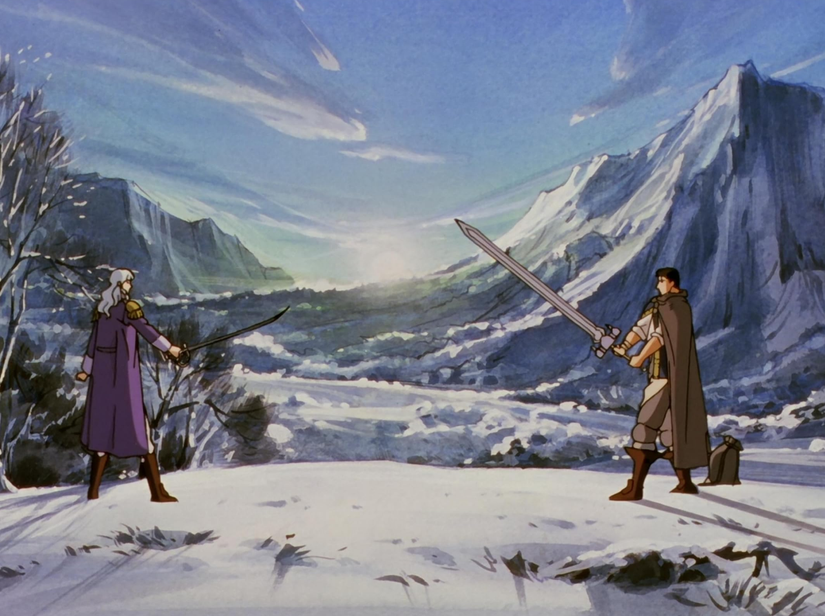
Even so, the trilogy captures the essence of the Golden Age, a breathtaking exploration of ambition, psychological trauma, betrayal, and the tenuous relationships that give people hope. All three films, titled The Egg of the King, The Battle for Doldrey, and The Advent, carefully portray the deteriorating bond between Guts, Griffith, and Casca, along with how each character responds to grief, desire, and loss.
Griffith and Guts are established as foils from the beginning, but their relationship develops with extraordinary depth and nuance. Guts, shaped by a brutal childhood and hardened by the need to survive, gradually lowers his defenses and learns to trust others. Griffith’s fall from a magnetic leader into a man consumed by pain and ambition destroys that progress, plunging Guts back into a cycle of anguish and revenge.
The Eclipse provides the arc’s climax and establishes the horror that will define Guts’ subsequent campaign against the Apostles and the God Hand. Hope and despair are crushed together throughout the Golden Age, forcing its characters to confront the terrible limits of human resilience.
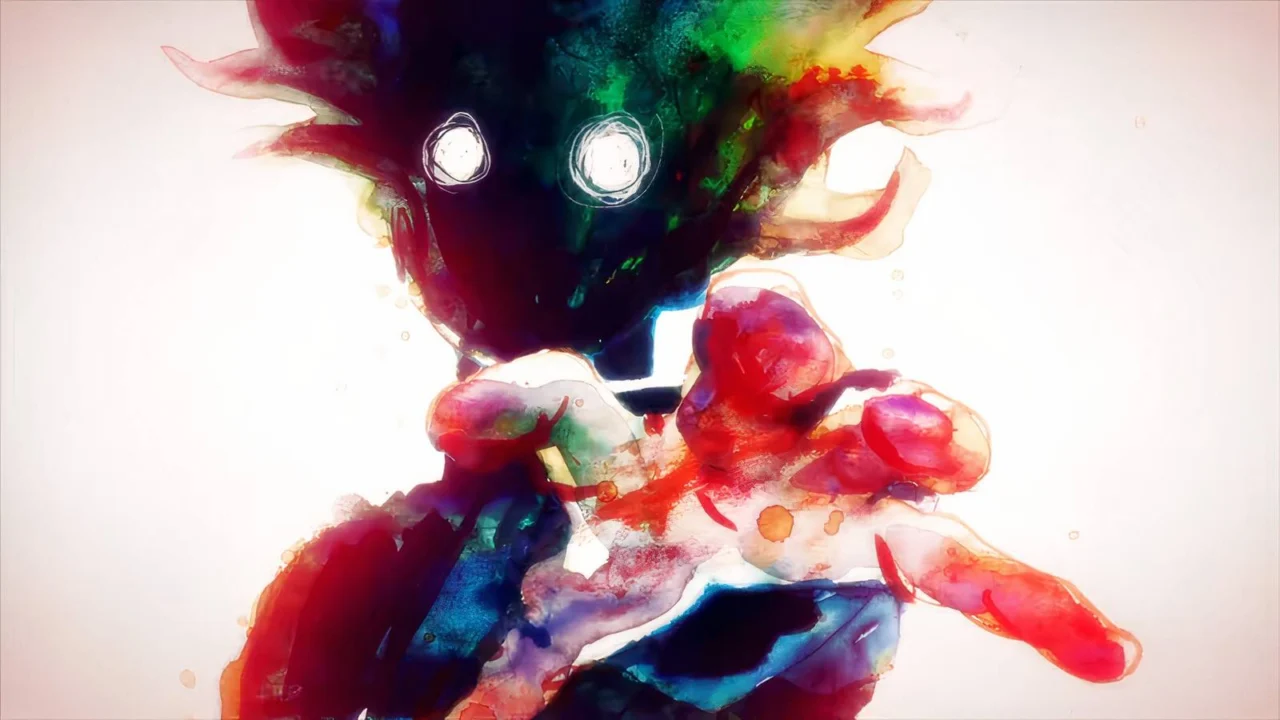
3 ???% Arc (Mob Psycho 100)
Mob Psycho 100 uses the familiar framework of shonen anime to tell a radically subversive coming-of-age story about empathy, self-acceptance, and human connection.
Shigeo “Mob” Kageyama spends most of the series trying to control his immense psychic powers. The emphasis is not on physical training or becoming stronger. Mob’s real challenge is developing the emotional intelligence necessary to understand himself and connect honestly with the people around him.
Because Mob’s powers are inextricably linked to his psychological state, the ???% arc serves as the culmination of years of emotional suppression. It answers what happens when an overpowered protagonist finally reaches his breaking point. The ultimate conflict is not between Mob and another supernaturally gifted antagonist. It is between Mob and the part of himself he has always refused to accept.
His repressed emotions and unresolved trauma manifest as ???%, also known as the “Unknown.” The resulting conflict cannot be resolved through a conventional power-up or a last-minute supernatural solution. Instead, Reigen Arataka’s unflinching honesty finally allows Mob to confront the truth. Mob accepts the Unknown not as a separate monster that must be defeated, but as an intrinsic part of himself.
Mob Psycho 100 resolves its protagonist’s deepest conflict without offering an easy way out. Mob still has to live with his trauma and continue the difficult work of remaining emotionally open.
2 Pain’s Assault Arc (Naruto)
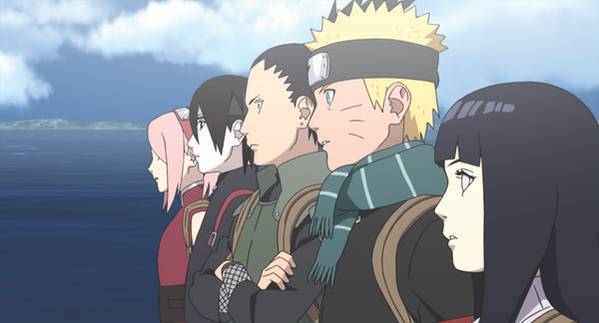
A sprawling anime like Naruto contains many standout arcs. The Chunin Exams and Sasuke Retrieval arcs remain popular, but the most viscerally uncompromising portion of the series is Pain’s Assault.
Nagato, also known as Pain, is among the saga’s most compelling antagonists. His attack forces the Hidden Leaf Village to contend with total destruction while compelling Naruto and his allies to confront the ideology behind his violence.
Jiraiya’s death during his infiltration of Amegakure casts a shadow over everything that follows. Nagato’s motivations extend beyond simple revenge. He believes humanity can achieve peace only after experiencing suffering so catastrophic that people become terrified of repeating it. Because empathy cannot be imposed, Nagato attempts to manufacture it through devastation, convincing himself that this atrocity is justified in the pursuit of lasting peace.
Naruto explores that philosophy through dialogue and combat, using the visual language of a sprawling battle to deliver the arc’s greatest emotional and dramatic highs. For a time, no character feels safe, and the apparent destruction of the Hidden Leaf fundamentally destabilizes the series.
That sense of danger lifts only when Naruto rejects the endless cycle of retaliation. Rather than defeating Nagato through force alone, he chooses empathy, resolving their ideological conflict by demonstrating the compassion that Nagato believed could exist only through shared suffering.
1 Civil War Arc (JoJo’s Bizarre Adventure: Steel Ball Run)
The Steel Ball Run anime takes viewers through the early stages of its cross-country race, but it has not yet reached the Civil War arc. This brilliant segment of JoJo’s Bizarre Adventure: Steel Ball Run remains a manga story waiting to make the leap to animation.
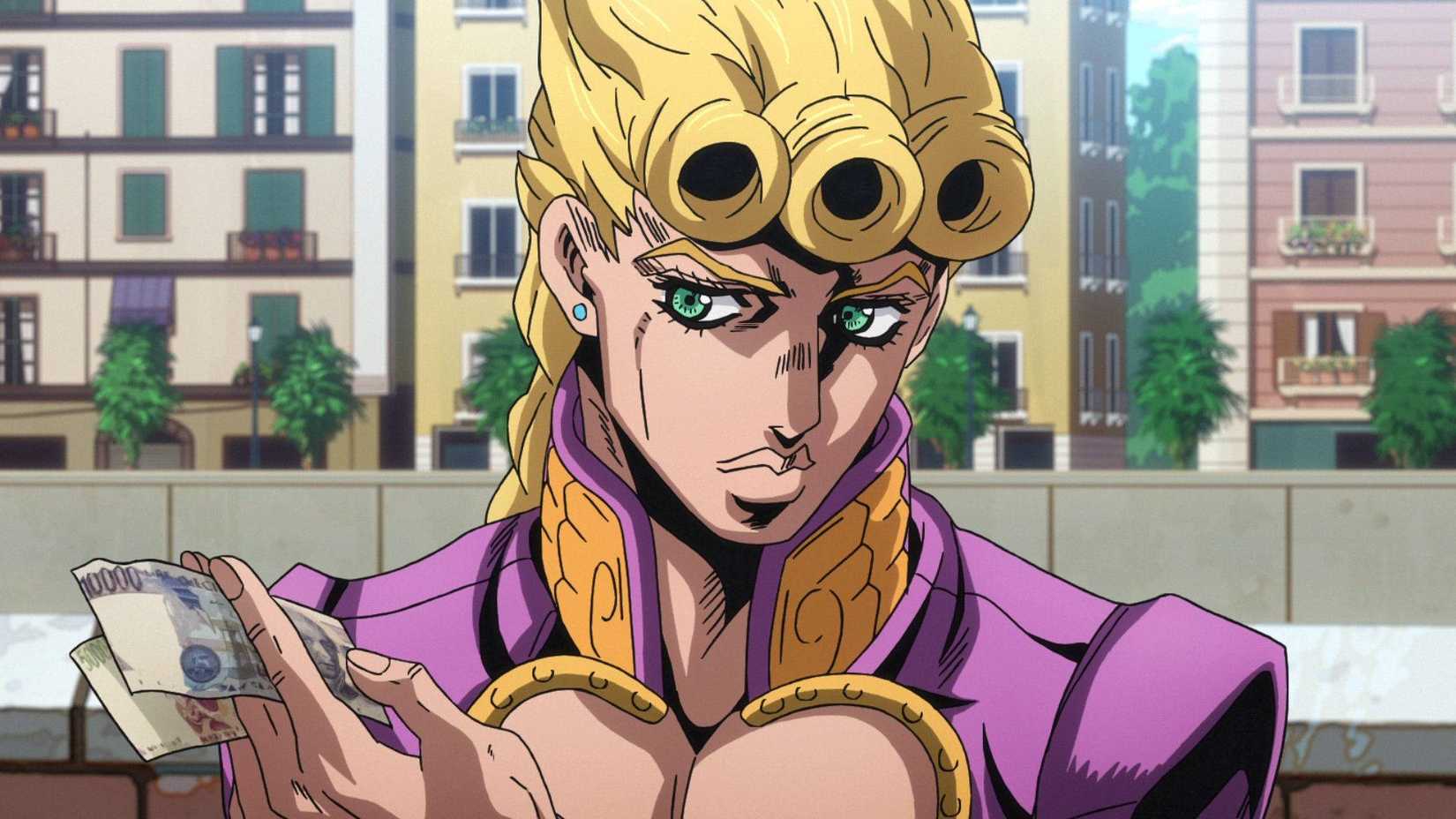
Hirohiko Araki excels at transforming abstract concepts into bizarre, visually inventive conflicts. The Civil War arc stands out even within a series built upon surreal confrontations.
The arc’s titular Stand belongs to government agent Axl RO and transforms the guilt carried by Johnny Joestar, Hot Pants, and Gyro Zeppeli into physical manifestations. Johnny’s accumulated trauma is laid bare, exposing the defining childhood experiences that continue to haunt him.
These manifestations assume various forms, from a broken knife to a teddy bear. Once touched, they surround their target in a membrane that slowly crushes them to death. The only way to endure this nightmare is to confront the guilt that gave it form.
That forces Johnny to reckon with his past and unlock a new stage of his Spin ability. Jesus Christ himself appears during the conflict, reinforcing a story already steeped in ideas about faith, personal transformation, and the destructive consequences of unchecked ambition.
The Sugar Mountain and High Voltage/D4C arcs are exceptional, but Civil War represents a monumental turning point for Johnny. It transforms an inventive Stand battle into something resembling a spiritual rebirth.
Source: Polygon
Related articles
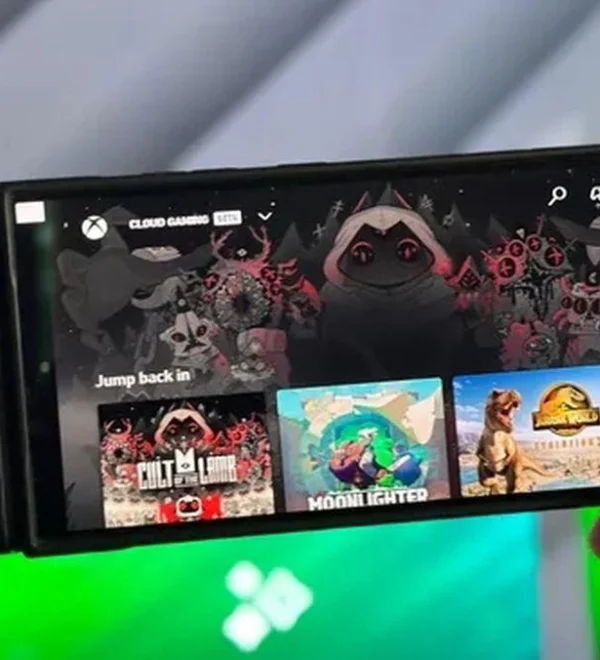 Reports: Microsoft Remains Committed to Cloud Gaming as Xbox Strategy Continues
 Yakuza Creator’s Nagoshi Studios Reportedly Shut Down
 Gears of War: E-Day Sets Franchise Record in Early Access
 AION 2 Pre-Registrations Surpass 100,000 Players
 Silent Hill 2 to be removed from PS Plus ahead of Halloween
 Gears of War: E-Day Developers Pleased Game is Not Coming to PS5
 The Twilight Zone Aired Its Creepiest Episode 65 Years Ago
 Five Soviet-Era Sci-Fi Movies Available on Streaming Services