
Five Classic Anime Series That Do Not Need Remakes
Many classic anime have earned successful second chances. Adaptations such as Fullmetal Alchemist: Brotherhood (2009), Hunter x Hunter (2011), and Hellsing Ultimate (2006) remain definitive because they follow their source material closely. At the same time, newer productions do not erase the charm of older shows like Naruto or Dragon Ball, which retain loyal audiences despite their rough edges.
Some classic series achieved lightning in a bottle and should never receive a reboot. Singular works like Paranoia Agent (2004) and Revolutionary Girl Utena (1997) arose from specific artistic circumstances that cannot be duplicated. The first season of FLCL (2000) also stands apart with an experimental animation style that its sequels could not capture. Reworking these projects risks diluting their original voice. Five particular anime classics should never be remade.
Cowboy Bebop
Shinichirō Watanabe crafted a masterpiece with Cowboy Bebop. Across 26 self-contained episodes, the space western follows a mismatched crew of bounty hunters confronting personal loss and isolation. The production blends moody jazz, cyberpunk worldbuilding, and detailed hand-drawn animation to explore existential melancholy. The story achieves power through brevity and restraint, knowing exactly when to pull back.
Protagonist Spike Spiegel cannot outrun the consequences of his past, forcing his companions to share that burden. Netflix’s live-action adaptation struggled because it could not recreate Watanabe’s dynamic visual storytelling or the lived-in texture of the original environment. The anime also gains strength from its willingness to leave questions unanswered rather than forcing tidy resolutions.
Steins;Gate
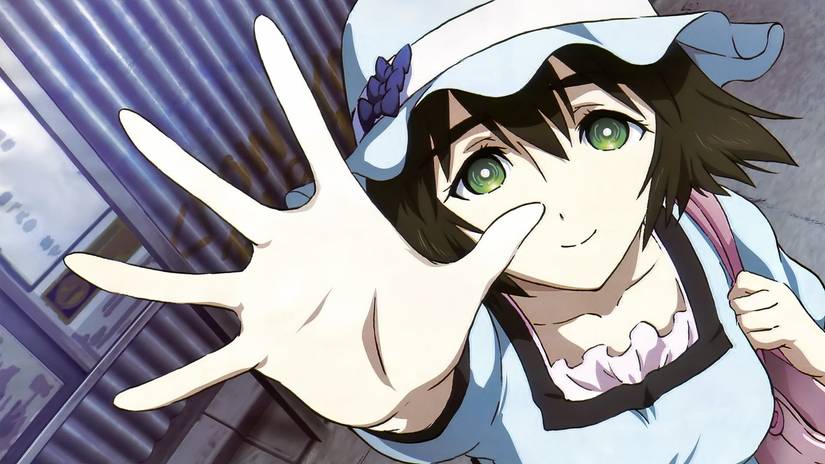
The 2011 anime adaptation of Nitroplus’ 2009 visual novel, Steins;Gate, stands as a complete realization of its premise. Across 24 episodes, one OVA, four ONA entries, a movie, and the sequel series Steins;Gate 0, the production streamlines a dense, branching narrative into a focused visual format. The central time-travel mystery explores complex concepts like retroactive causation with exceptional precision.
Rintaro Okabe anchors the plot after an academic lecture leads him to discover time travel, plunging his research group into high-stakes temporal dilemmas. The original visual novel offers more interactive pathways, but the animated version provides the most coherent way to experience the story while keeping viewers emotionally invested in every character.
Gurren Lagann
Gainax delivered a distinct celebration of human willpower with Gurren Lagann in 2007. The series follows Simon, a timid youth who discovers a mecha named Lagann and escapes his underground home alongside his friend Kamina. Together, they confront dangerous surface monsters and a shadowy cosmic regime that monitors human civilization.
A new adaptation might modernize the action sequences, but the original production relies on raw, expressive 2D animation to reflect the inner resolve of the cast. Simon develops naturally from an insecure boy into a capable leader, giving the narrative an earned emotional payoff. The show embraces its earnest melodrama, making any prospective remake feel unnecessary.
Haikyu!!

Haikyu!! recently expanded with an exciting new update revealing the television special “Where Monsters Go” and the feature film Haikyu!!: VS The Little Giant. Production I.G’s four-season run remains the gold standard for sports storytelling. The narrative tracks Shoyo Hinata, an athletic high school student whose short height does not deter him from pursuing competitive volleyball alongside a driven team.
The series highlights collective growth over individual dominance. Tense relationships between teammates become productive energy on the court, demonstrating the emotional maturity required to succeed in a demanding sport. Because the studio continues to adapt later portions of the manga, starting the series over would serve little purpose.
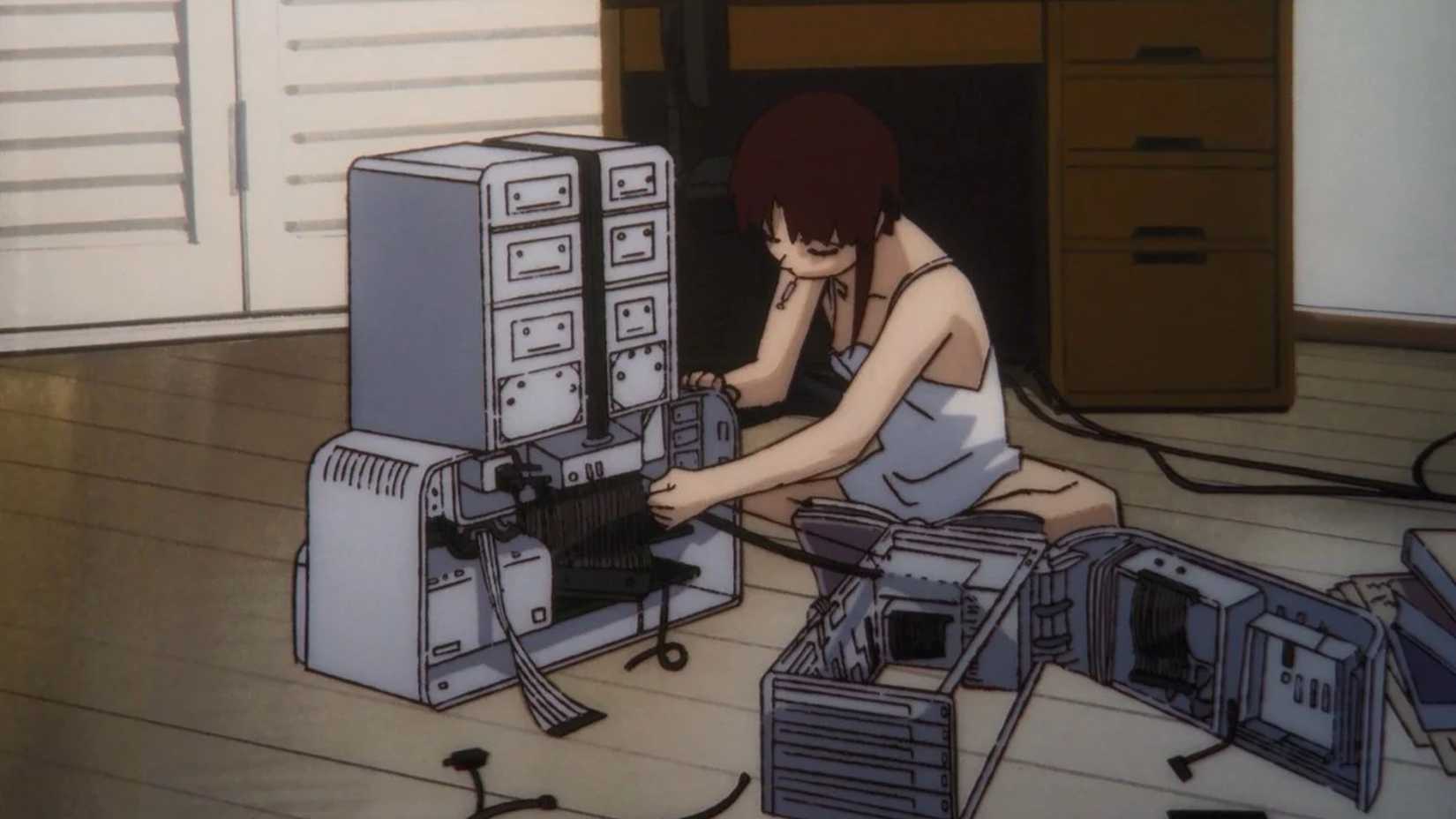
Serial Experiments Lain
The 1998 classic Serial Experiments Lain explores cyberspace through an early digital realm known as The Wired. While modern technology has advanced far beyond the era when the show was made, the series derives its dread from bulky cathode-ray tube monitors, tangles of wiring, and droning power lines. These tactile elements make the digital landscape feel tangible and haunting.
Lain Iwakura begins investigating The Wired after receiving messages from a deceased classmate, beginning a surreal descent into digital isolation. The direction favors ambient silence, unsettling sound design, and minimal dialogue over conventional exposition. Stripping away the vintage hardware or explaining its psychological ambiguity in a remake would destroy the atmospheric horror that makes the original unforgettable.
Source: Polygon
Related articles
 Post-apocalyptic adventure Caravan SandWitch is free on the mobile Epic Games Store
 Lanterns Scores Biggest Debut of Any DC Studios Project on HBO Max
 Prime 1 Studio Opens Pre-Orders for Godzilla vs. King Ghidorah Statue
 Western Critics Praise Metal Gear Solid Master Collection Vol. 2
 Second Teaser Released for Fool’s Night Anime
 Peanuts Marks 65th Anniversary of Iconic Linus Quote
 Alan Wake 2 Gets Major Update Nearly Three Years After Release
 Why Metal Gear Solid 4 Can Never Be Replicated