
Disney’s Five Biggest Sci-Fi Box Office Flops
Disney has regularly gambled on high-stakes science fiction. Across decades of Pixar animation and Marvel adventures, the studio has built massive cinematic worlds that drew millions of fans to theaters. Alongside those blockbuster triumphs, Disney has also funded several expensive misfires that collapsed at the box office.
These missteps were not minor underperformers. They were high-profile tentpoles built with huge production budgets, major stars, and ambitious visual effects. Studios pitched some as potential successors to Pirates of the Caribbean, while others were conceived to launch brand-new sagas. Production and distribution costs turned these five sci-fi releases into massive financial setbacks.
Lightyear (2022)

Focusing on Buzz Lightyear from the popular Toy Story series, the 2022 spinoff Lightyear looked like a dependable hit on paper. Instead, the film became an uncommon theatrical stumble for Pixar. Directed by Angus MacLane, the story was framed as the sci-fi adventure film that inspired the classic toy line, casting Chris Evans in place of Tim Allen as the voice of the space ranger.
Audiences found the concept confusing. Following direct-to-streaming releases like Soul and Turning Red, family audiences had grown used to watching Pixar releases at home on Disney Plus. Lightyear opened to a modest $50.6 million domestically and finished with $226.4 million worldwide against a $200 million production budget. A report from Deadline calculated that the release lost Disney around $106 million.
Mars Needs Moms (2011)
Before Disney took a massive financial hit on John Carter, the studio suffered another major loss set on the red planet.
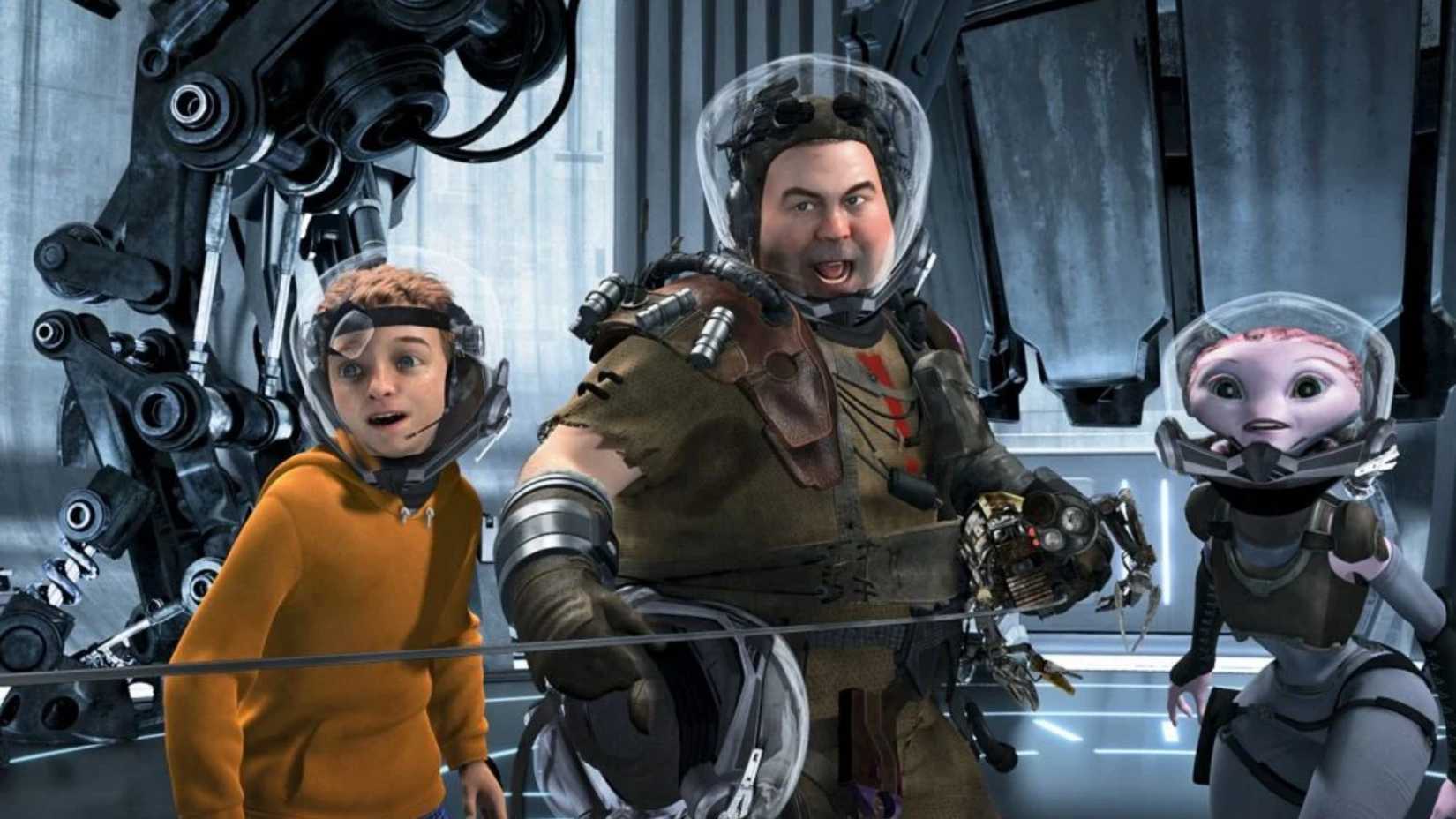
Directed by Simon Wells and produced by Robert Zemeckis, who directed Forrest Gump, Cast Away, and the Back to the Future trilogy, Mars Needs Moms was a motion-capture animated feature. The plot centered on a young boy traveling to Mars to rescue his abducted mother. Producing the feature required a budget of about $150 million, plus tens of millions in marketing spending.
Moviegoers showed little interest. The film opened to $6.9 million in North America and totaled just $39.2 million globally. The poor performance led Disney to close ImageMovers Digital, the production studio behind the film. Disney later took a $70 million write-down on the project, with overall financial losses running even higher.
Tomorrowland (2015)

Rather than reviving an established brand, Tomorrowland was an ambitious attempt to launch an original science fiction property. Director Brad Bird joined screenwriter Damon Lindelof for the project following Mission: Impossible – Ghost Protocol, enlisting George Clooney and Hugh Laurie to star. Inspired by Walt Disney’s Tomorrowland concept, the film depicted an optimistic, hidden world where inventors and visionaries built an advanced society away from global troubles.
A secretive promotional campaign left moviegoers uncertain about the story. The $190 million film debuted to $33 million domestically and ended its run with $209 million worldwide. The Hollywood Reporter reported estimated losses between $120 million and $140 million, cementing the release as a costly miss for an original live-action concept.
Strange World (2022)
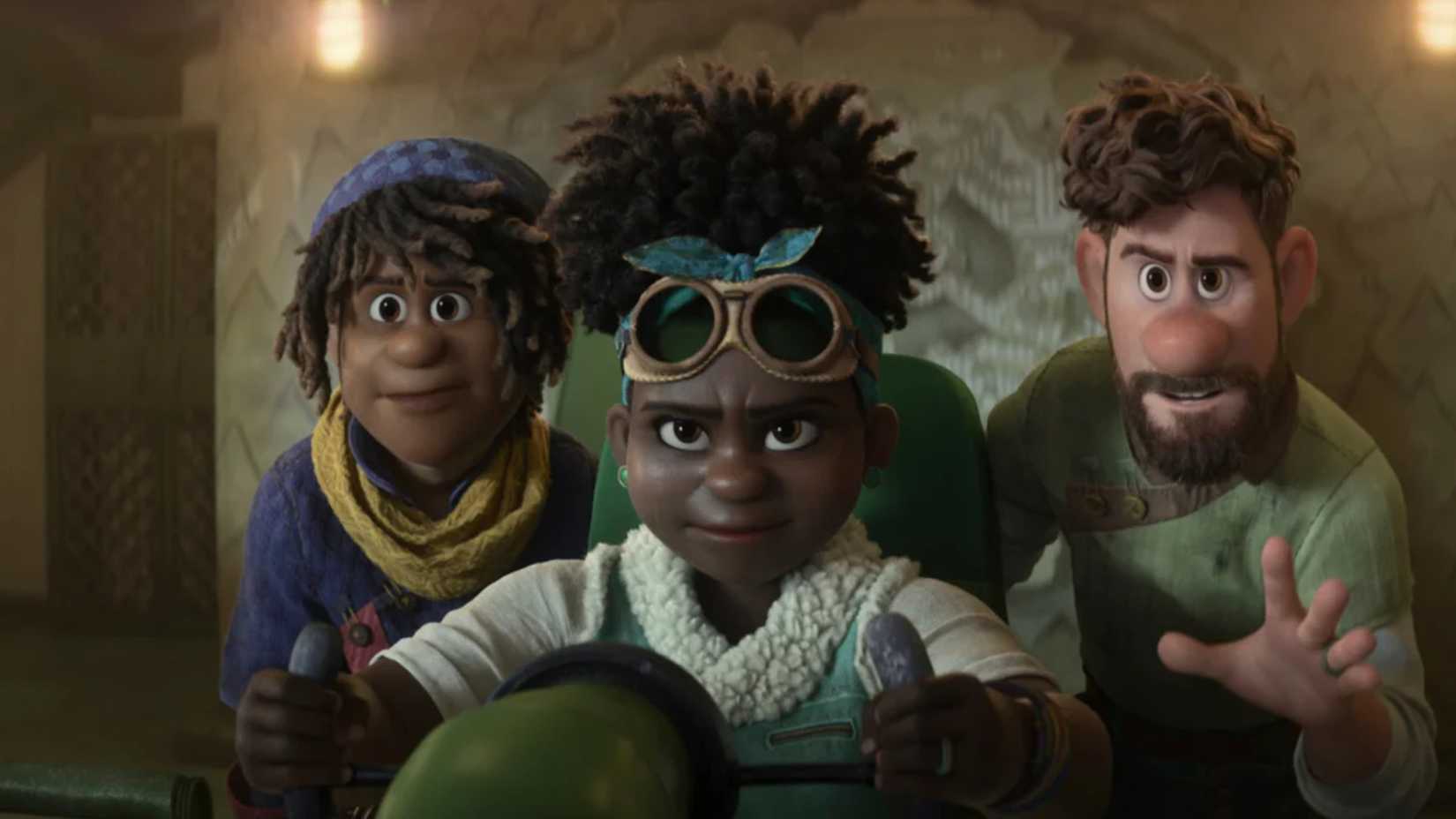
Directed by Don Hall, Strange World arrived with the hallmarks of traditional Disney animation, featuring an adventurous family exploration through a vibrant subterranean ecosystem. The pulp-style adventure followed three generations of the Clade family encountering unusual creatures, but the premise failed to connect with ticket buyers.
Releasing over Thanksgiving weekend in 2022, Strange World earned roughly $73.6 million globally against a $180 million production budget. An analysis by Deadline estimated total costs at $317.4 million, resulting in an eventual loss of roughly $197 million across all revenue streams. The lingering habit of families waiting for Disney Plus debuts made it difficult to sell an original, unfamiliar story in theaters.
John Carter (2012)
Disney envisioned John Carter as the start of an expansive live-action franchise. The 2012 epic adapted Edgar Rice Burroughs’ Barsoom novels, which had previously influenced sci-fi works like Star Wars and Avatar. Pixar filmmaker Andrew Stanton, known for directing Finding Nemo and WALL-E, stepped up to lead the massive live-action production.

Troubles mounted throughout development and marketing. Wary of the box office failure of Mars Needs Moms, Disney executives removed “of Mars” from the title, resulting in a generic label that gave audiences little sense of the story. With marketing failing to explain the expansive lore, media attention shifted toward the escalating budget.
The film cost approximately $250 million to produce with an additional $100 million marketing spend, but opened domestically with only $30.2 million. John Carter earned $284.1 million globally, falling far short of profitability. Disney ultimately reported an operating loss of roughly $200 million on the film, ending plans for a continuing franchise.
Source: Polygon
Related articles
 Geoff Keighley Explains Who Pays for Gamescom Showcases, Says Event Is Not Just for the Rich
 Cosplayer Showcases Shani from The Witcher 3: Hearts of Stone
 PS5 Sales No Longer Sony’s Top Priority as President Outlines New Strategy
 The Last of Us Actor Returns to Naughty Dog to Work on Intergalactic
 FX’s Fargo Season 2 Stands Out as a Premier Crime Thriller
 Players Heavily Wishlist Onimusha: Way of the Sword
 Red Dead Redemption Multiplayer Was So Buggy Developers Suspected Hacker Sabotage
 Gothic’s Scavenger Cry Is Nearly 80 Years Old