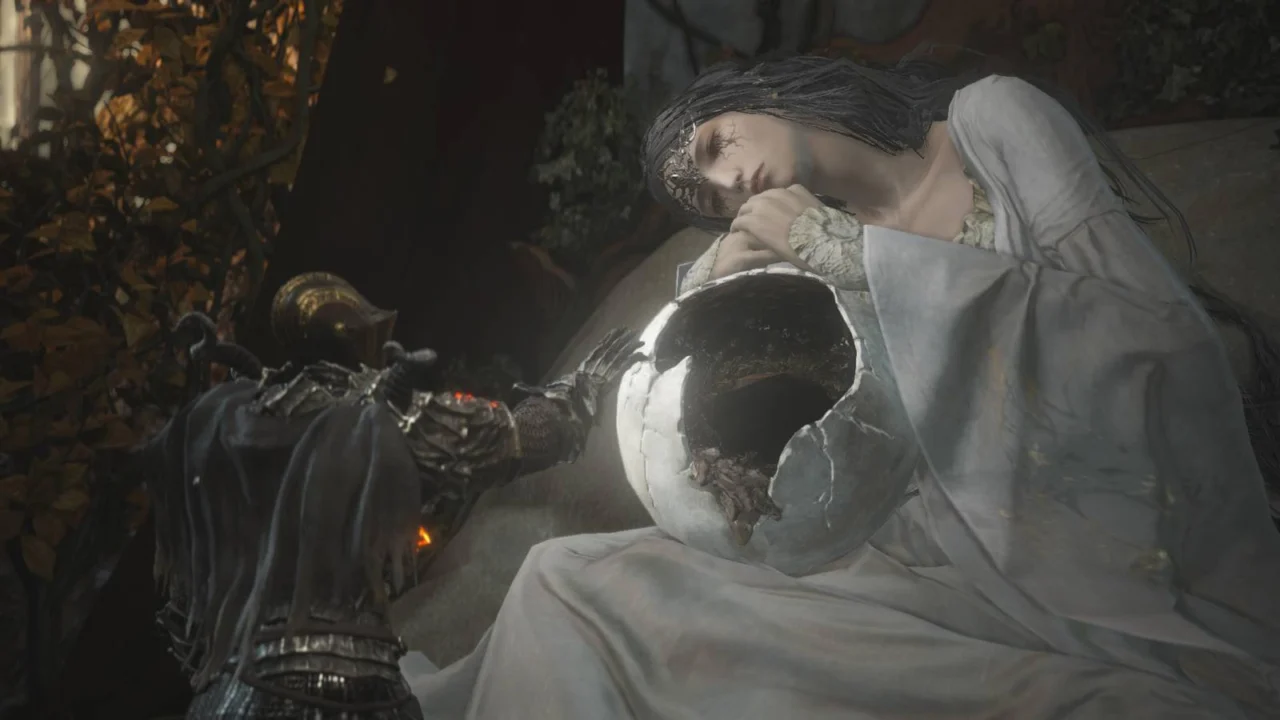
A Decade Later, the Best Dark Souls Game Refuses to Fade
A decade has passed, yet the ember of Dark Souls 3 continues to glow with surprising intensity. While Elden Ring has undoubtedly commanded the spotlight as FromSoftware’s magnum opus, and Sekiro: Shadows Die Twice carved out its own distinct identity, the third installment of the Souls trilogy retains a ghostly, lingering gravity. It remains a crumbling, haunting masterpiece that has yet to be truly surpassed.
There is an inherent, apocalyptic weight to Dark Souls 3 that feels more visceral than its successors. From the dragon-scarred ramparts of Lothric to the stagnant, sludge-filled depths of Farron Keep, the world is a sprawling testament to eons of decay. It is a primordial landscape of failing kingdoms folding into themselves, offering an intimate, raw exploration of the series’ core themes—refined, sharpened, and brought to a final, elegant conclusion.

This atmosphere is underpinned by a mechanical urgency. Combat feels tighter and more reactive than in previous entries, striking a perfect balance between the methodical tension of the original Dark Souls and the fluid pace of modern action. The sound design is equally vital; the swells of the soundtrack—from the sorrowful orchestration of the Abyss Watchers to the desperate, thunderous climax of the Soul of Cinder—turn every boss battle into a tragic, theatrical performance.
Even after 500 hours, the game remains a bottomless well of discovery. It serves as a love letter to the franchise, delivering a poignant, complex narrative that scholars and fans still dissect today. Its legacy is one of rare craftsmanship, providing an emotional resonance that even the vast, open fields of Elden Ring cannot quite replicate.
Beyond the single-player experience, Dark Souls 3 refined the multiplayer landscape. The Pontiff Sulyvahn bonfire was a legendary hub of community interaction, where a dense cluster of summon signs promised honorable 1v1 duels under the watchful eyes of spectators. Those vibrant days—where the ground was a patchwork of glowing marks—remain some of the most cherished memories for the Souls community.

Viewed in hindsight, Dark Souls 3 was a project birthed under immense pressure. It had to navigate the divisive reception of Dark Souls 2 while competing with the critical acclaim of Bloodborne. It was required to act as both a course correction and a definitive, satisfying conclusion to a multi-year cycle of fire and ruin. It wasn’t just a sequel; it was an evolution.
Perhaps that pressure is what birthed its unparalleled boss encounters. Whether it is the frantic brilliance of the Nameless King or the relentless onslaught of Darkeater Midir, the boss fights are nothing short of legendary. Yet, the pinnacle remains the duel with Slave Knight Gael. There is no greater moment in the series than that final, melancholic dance at the end of time, where two hollowed warriors fight for the soul of a dying world.
Dark Souls 3 stands as an exquisite piece of macabre art, capturing a world in its final, elegant decline. Though the Age of Fire may be destined to fade, the brilliance of this game remains undiminished. Its spirit survives in the games it influences, the players who return to its ash-covered lands, and the duels that still play out in the silence of Lothric. The flame may have been meant to die, but its legacy is eternal.
Source: Polygon
Related articles
 Masashi Kishimoto Announces New Naruto Manga Continuation with Teaser
 Amazon Releases First Trailer for Blade Runner 2099 Series
 New Naruto Anime Does Not Meet Fan Expectations
 One-Punch Man Season 3 Trailer Criticized by Fans Over Animation Quality Ahead of 2027 Release
 Amazon Developing New Stargate Series with WandaVision Creator
 New Trailer Released for The Apothecary Diaries Anime Film
 Dr. Stone Creators Announce Continuation After Final Season
 Charlie Cox Mocked Mike Colter Over The Defenders Leak