8 Nearly Perfect BioWare Games That Have Aged Like Fine Wine
A pack of wolves can wipe out your party just minutes after the tutorial in Baldur’s Gate. In Mass Effect 2, a companion you neglected may die for good during a mission you can’t replay. And a BioWare-made Sonic RPG for Nintendo DS ends with the heroes saving the universe—only to return home and discover that Eggman has taken over Earth.
BioWare is often remembered as the studio behind Mass Effect, but that reputation tells only part of the story. Its catalog ranges from party-based dungeon crawlers and ambitious morality systems to martial arts action—and even a much-maligned sci-fi game with an exceptional flight model.
Not every BioWare release reached the same heights. The troubled development of Dragon Age 2, for example, remains a cautionary tale about what can happen when a talented team is given too little time. But the studio’s weaker outings also help put its finest work in perspective. These eight games left a lasting mark on players and, in several cases, the wider industry. Whether you prefer fantasy role-playing, space adventures, or a surprisingly serious Sonic story, each is still worth exploring.
8 Mass Effect 2 (2010)
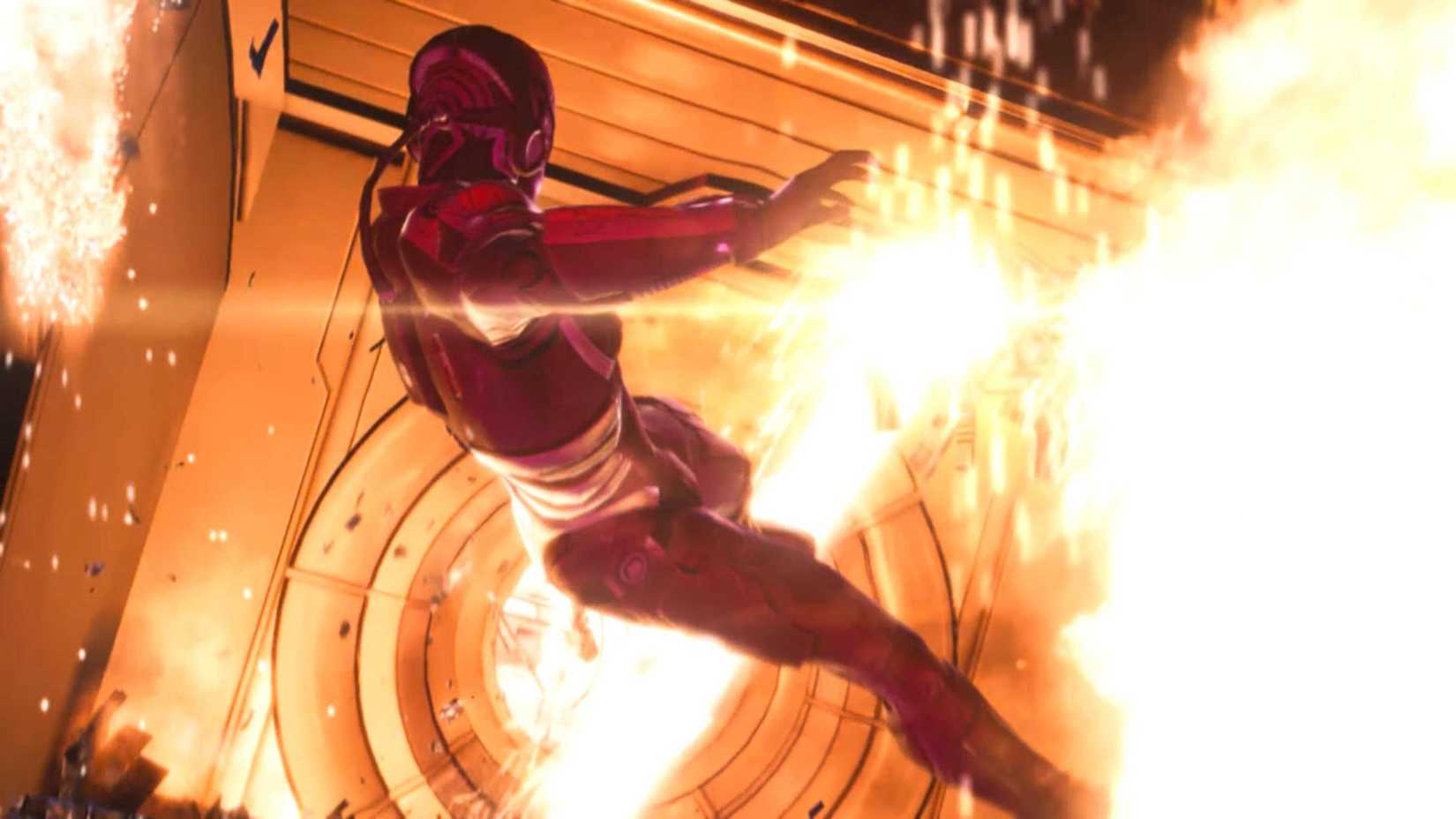
Why it still holds up: Neglect a loyalty mission, and a beloved squadmate may not survive the final operation.
In Mass Effect 2, Commander Shepard assembles a team for a suicide mission against the Collectors. The game makes no secret of the danger: survival depends on preparation, sound decisions, and the trust of the people you bring along. Mordin, a salarian scientist burdened by his past; Legion, a geth trying to understand its own kind; and Thane, a terminally ill assassin seeking peace, are among the crew members whose personal stories shape the journey.
Taking the time to earn their loyalty can make all the difference when the team reaches the Collector base. Ignore the wrong request or make a poor call under pressure, and a companion may be gone permanently. There’s no convenient reset—and the loss can follow you through the rest of the trilogy.
7 Dragon Age: Origins (2009)
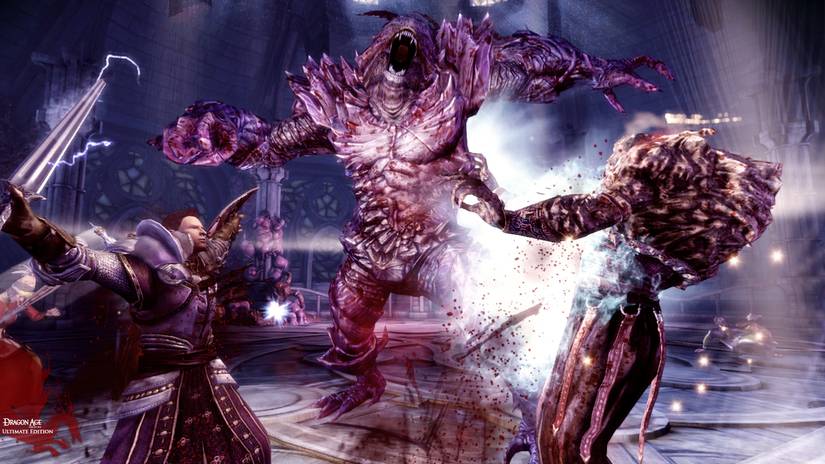
Why it still holds up: Your companions respond to your decisions with a depth many role-playing games still aspire to match.
Six distinct origins—including backgrounds as a human noble, an elven mage, or a dwarven commoner—lead into the same desperate struggle against the Blight. Each opening offers a different perspective on the world and changes how your character relates to the people they meet.
Your companions react to your conduct, your history, and your words throughout the adventure. Morrigan may welcome a ruthless choice that Alistair finds unforgivable, and pushing your allies too far can drive them away—or put them in danger. The game’s most memorable decisions often come with an ugly price. One late-game bargain may offer a way to survive, but only if you accept a deeply unsettling condition. It remains one of fantasy gaming’s most haunting examples of a seemingly positive outcome with a terrible cost.
6 Star Wars: Knights of the Old Republic (2003)
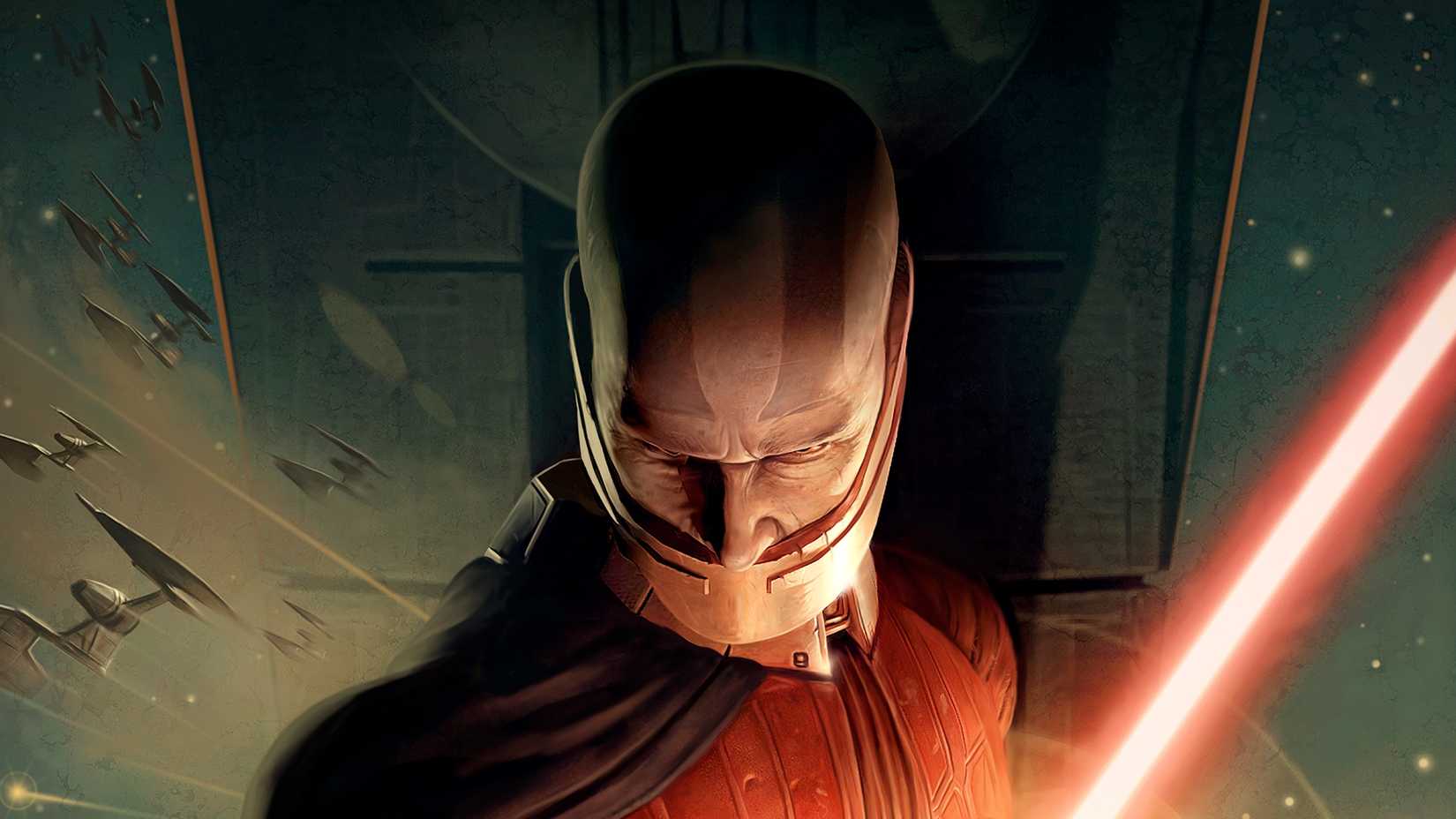
Why it still holds up: Its moral alignment reflects the choices you make across the adventure, not simply the answers you pick in conversation.
A quest to recover lost memories becomes the setup for one of role-playing games’ most famous revelations. The twist works because the game’s alignment system has been quietly keeping track of your actions all along. Whether you drift toward the dark side or struggle to remain virtuous, your character’s path feels shaped by your behavior rather than assigned by a single dialogue option. That sense of earned consequence is one reason Knights of the Old Republic remains a standard against which later RPG twists are measured.
5 Baldur’s Gate (1998)
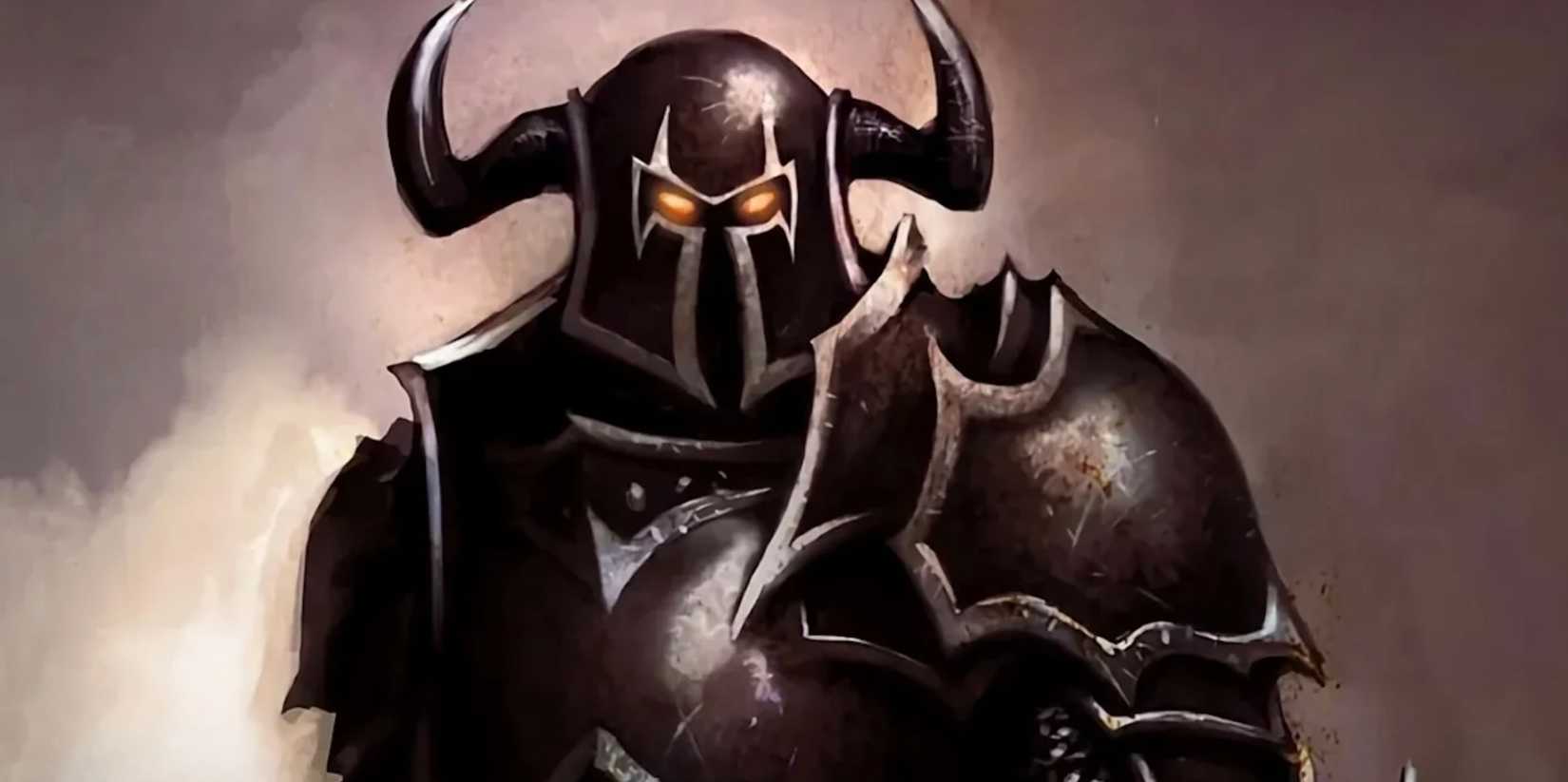
Why it still holds up: Its real-time-with-pause battles reward careful tactics—and can punish an unprepared party in a hurry.
Before Baldur’s Gate 3, and before BioWare’s acclaimed sequel, there was the original adventure: a band of heroes setting out from Candlekeep and running into a wolf pack that can end the journey remarkably early. The game adapts the intricate rules of Advanced Dungeons & Dragons Second Edition, including THAC0, into real-time combat that players can pause to issue commands.
That demanding system helped show that a computer RPG could offer genuine party tactics rather than hiding every decision behind menus and dice rolls. The Infinity Engine proved just as influential, providing the technical foundation for several later BioWare games.
4 Jade Empire (2005)
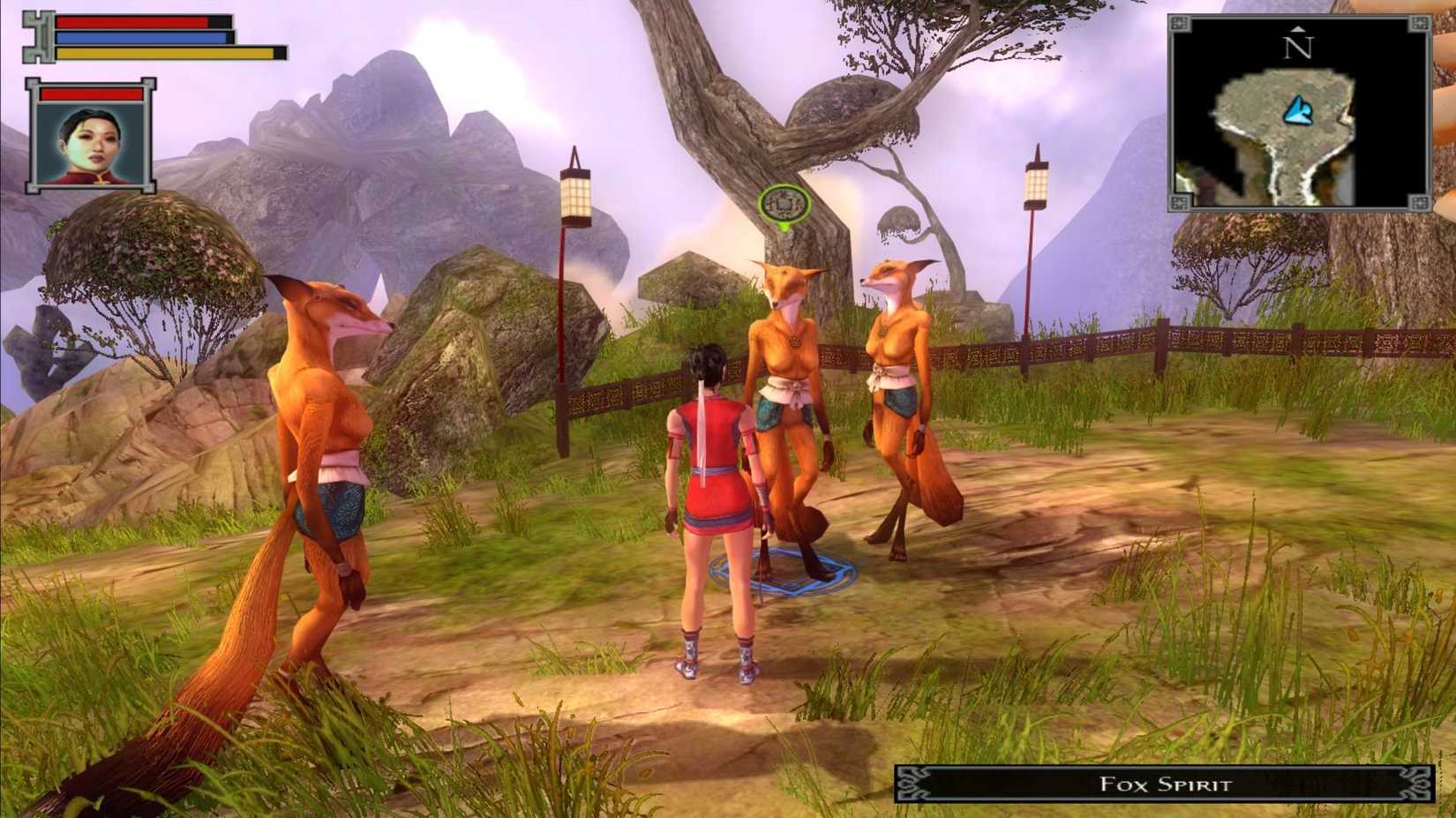
Why it still holds up: Switch combat styles on the fly, moving from hand-to-hand strikes to elemental attacks or a demonic transformation.
Set in a fantasy realm inspired by ancient China, Jade Empire gives its battles an unusually fluid feel. Players can change fighting styles mid-combo, trading martial arts blows one moment for magic or a towering spirit form the next.
The story’s moral framework also asks players to choose between the principled Way of the Open Palm and the forceful Way of the Closed Fist. As in some of BioWare’s later RPGs, the game judges what you do rather than relying solely on what you claim to believe. A promised sequel never arrived, but the original’s inventive combat still feels distinctive.
3 Neverwinter Nights 2: Mask of the Betrayer (2007)
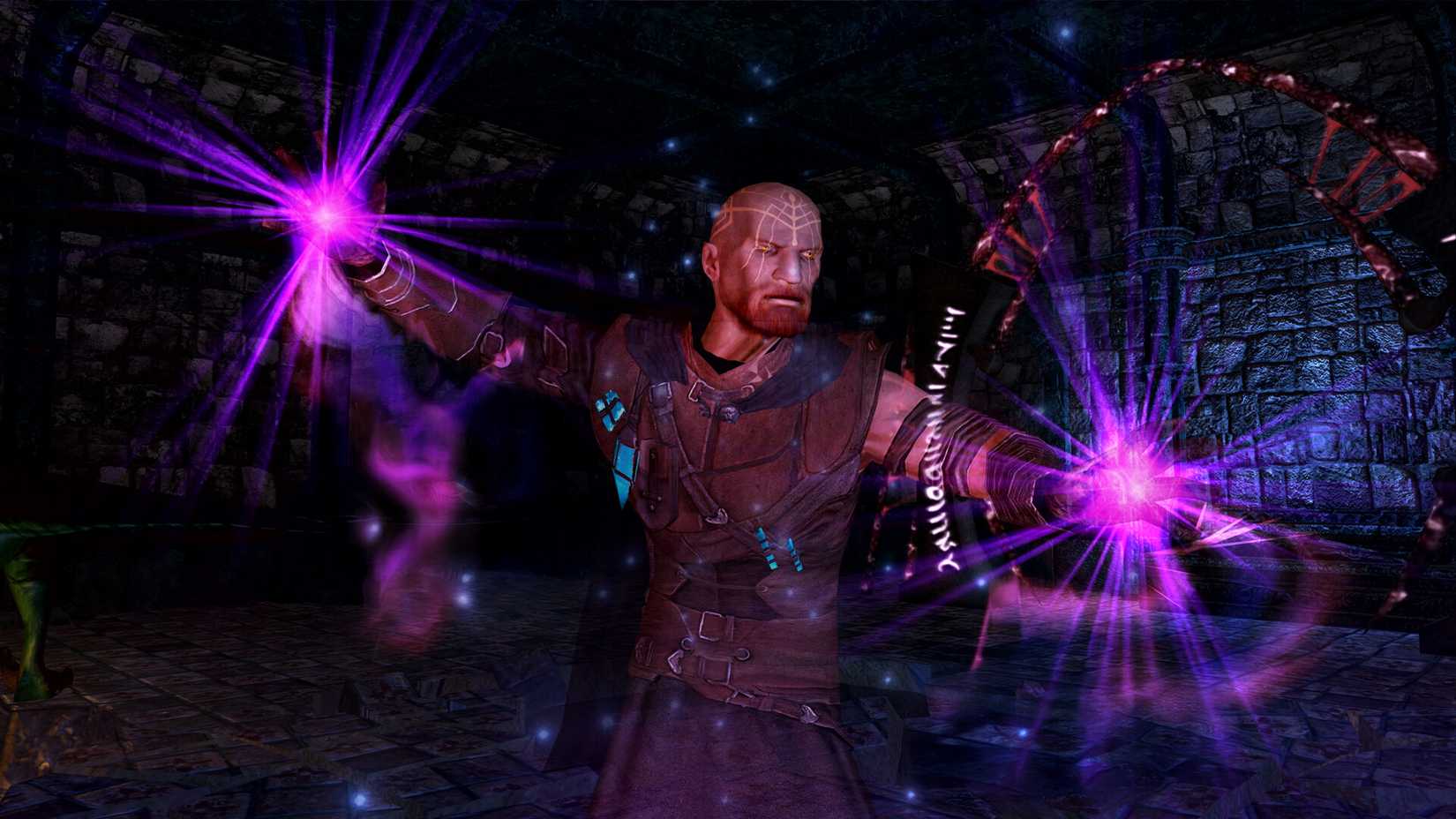
Why it still holds up: A supernatural hunger turns survival into a moral dilemma with real consequences.
Developed by Obsidian as an expansion to Neverwinter Nights 2, Mask of the Betrayer is often praised as one of the strongest stories to emerge from the collaboration between Obsidian and BioWare’s role-playing legacy. Its central curse is as compelling as it is disturbing: the protagonist must consume souls to satisfy an insatiable hunger.
That need makes morality part of the player’s struggle to stay alive, rather than a matter of dialogue choices alone. Companions such as the spirit-bound bear Okku and Safiya, a priestess living in exile, deepen the story’s questions about faith, power, and godhood. The expansion went underappreciated at release, but discovering it now feels like uncovering a hidden gem.
2 Sonic Chronicles: The Dark Brotherhood (2008)
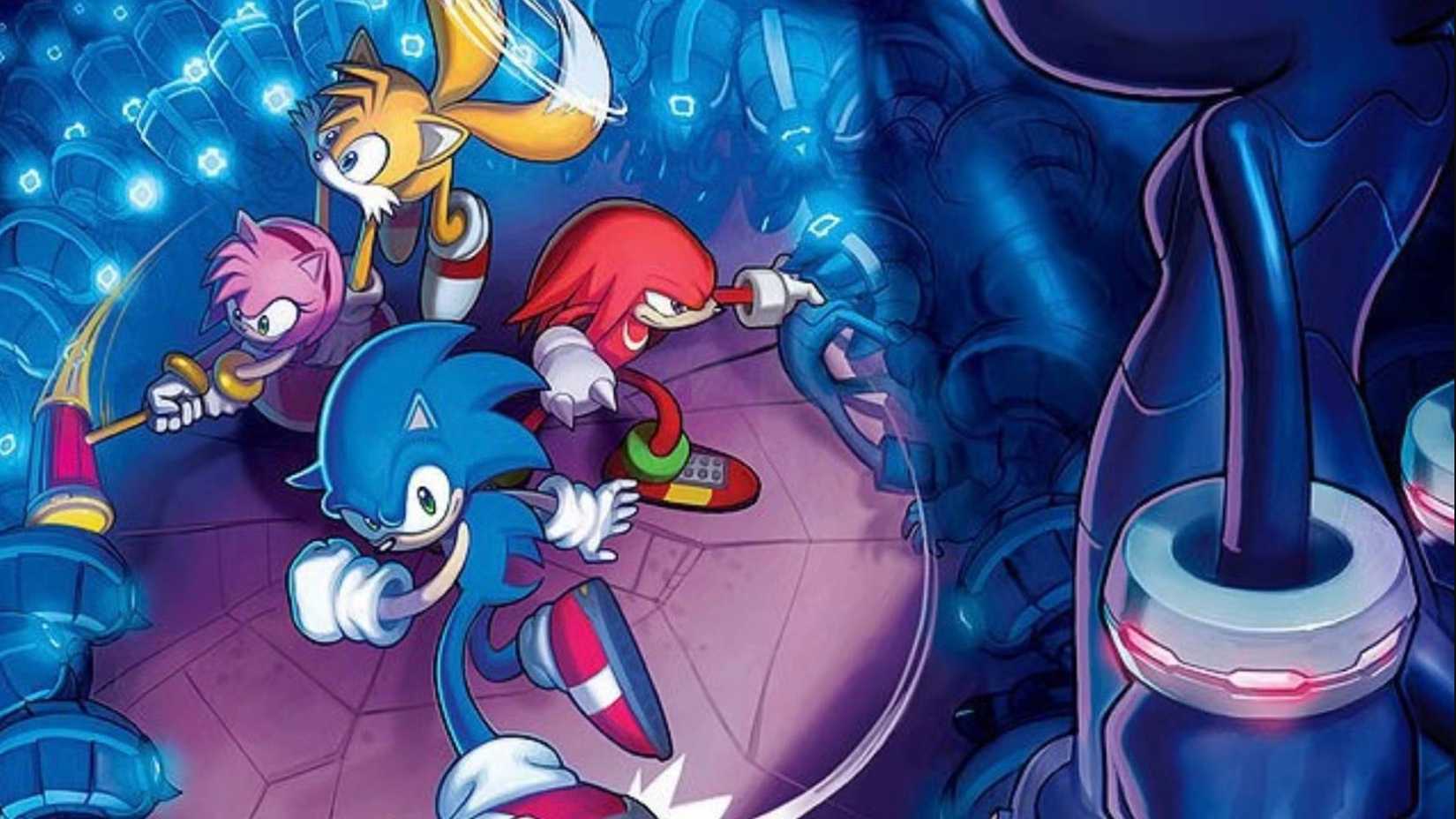
Why it still holds up: BioWare’s Sonic RPG is an unexpected but genuinely engaging adventure.
While working on Mass Effect and Dragon Age, BioWare also created a turn-based Sonic RPG for Nintendo DS. The project even involved future Dragon Age lead writer Mike Laidlaw. Battles make use of the handheld’s touchscreen, asking players to time stylus taps rather than simply mash buttons.
The story is more ambitious than the premise might suggest. At one point, the leader of the Nocturnus Clan betrays his second-in-command by throwing her from a flying island. The resulting chaos sends Angel Island crashing toward a city. The game may not be a forgotten masterpiece, but it is a thoughtful, capable RPG—and clearly more than a perfunctory spin-off.
1 Anthem (2019)
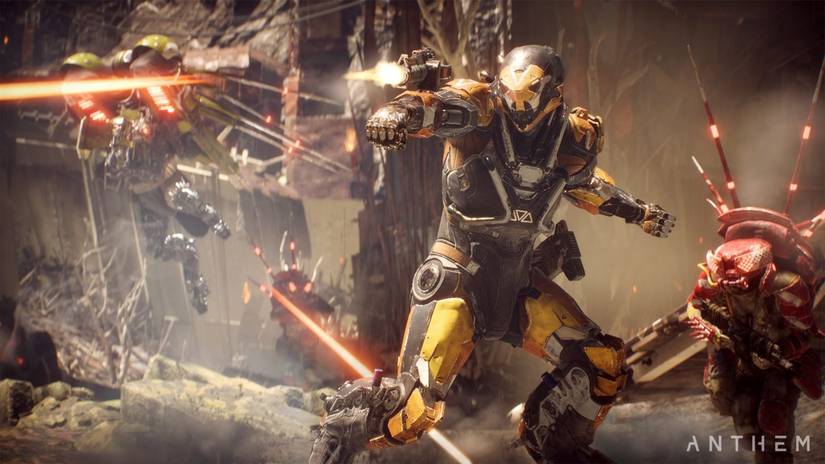
Why it still holds up: The flight controls make piloting a Javelin exhilarating, from open skies to underwater caves.
By most measures, Anthem was a major disappointment for BioWare. The live-service shooter received harsh reviews, and EA ended development in 2021 after plans for a substantial relaunch fell through. Yet even many critics who disliked the rest of the game recognized its standout feature: flight.
Taking a Javelin exosuit from the open air into an underwater cavern without a loading screen remains a thrilling experience. Banking, boosting, and diving through the environment gives Anthem a physical sense of momentum that few games have replicated. It may be a flawed game, but its flight system is still memorable.
Source: Polygon
Related articles
 PHYSINT Star Impressed by Kojima’s Goal to Blur the Line Between Movies and Games
 Xbox Will Get a New Owner, Analyst Explains What’s Happening at Microsoft
 Monster Hunter Wilds Sold 800,000 Copies in First Half of Fiscal Year 2026
 Warhammer 40,000: Dawn of War IV video shows hordes of Orks and Necrons in Last Stand mode
 Cosplayers portray the Rogue Trader and Heinrix from Warhammer 40,000: Rogue Trader amid sparks of love in the darkness
 How to Play Every GTA Game in 2026: The Complete Guide
 Hogwarts Legacy 2 Officially Confirmed
 Ninja Scroll Director’s Latest Anime, Spirit Ring, Gets First Trailer