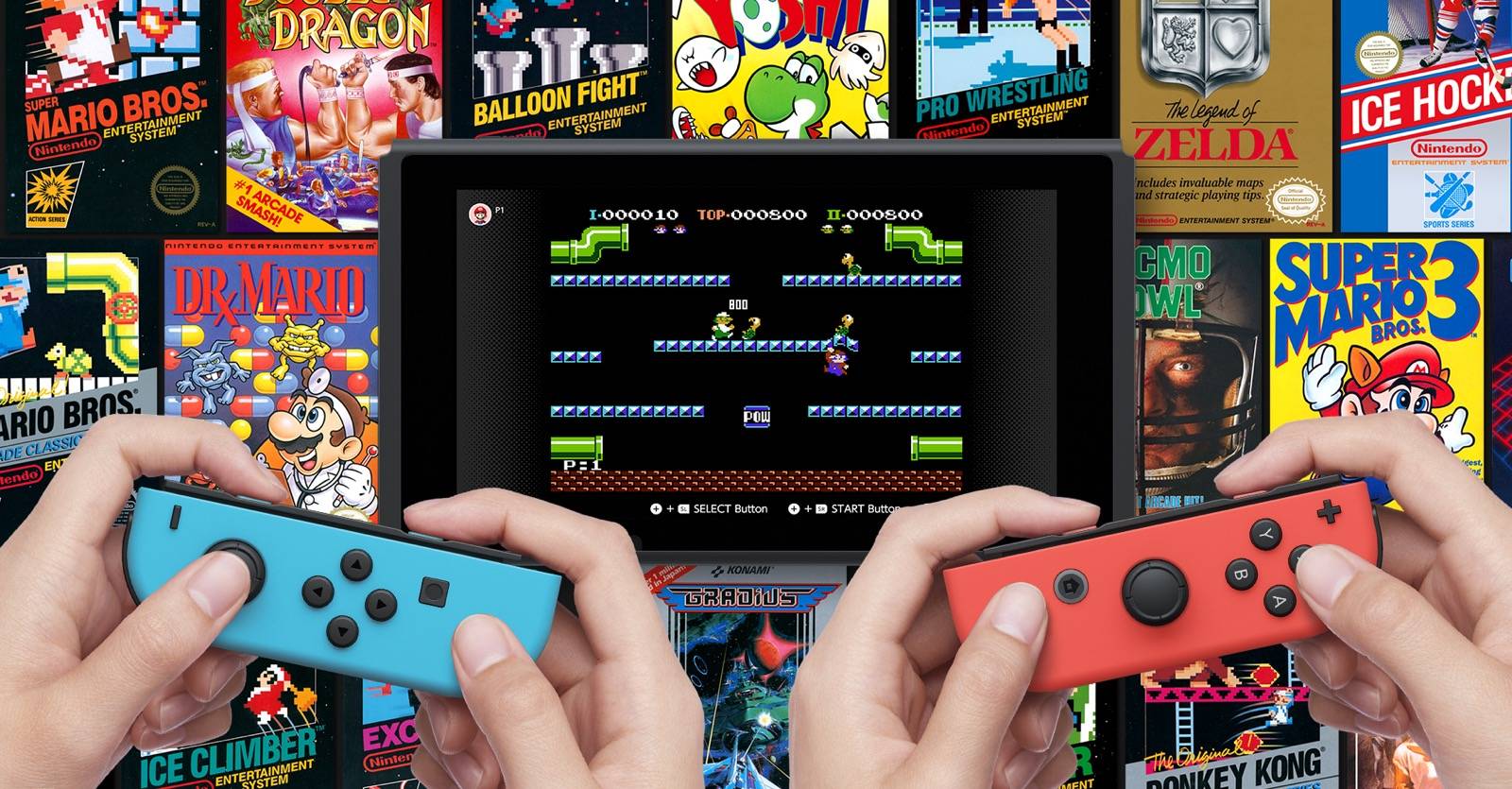
5 Essential Nintendo Games You Must Play at Least Once
Nintendo’s storied legacy of delivering critical masterpieces is indisputable. Yet amid modern blockbusters and the perennial titans dominating public discourse, several foundational titles risk falling into obscurity. Whether you are a newcomer navigating historic gaps in your gaming literacy or a veteran enthusiast who embraced the medium later in life, passively observing these milestones through cultural osmosis cannot replicate the firsthand experience of playing them.
This retrospective bypasses the standard recommendations—everyone already knows the profound virtues of Super Mario Bros. 3 or The Legend of Zelda: A Link to the Past. Instead, this curated selection focuses on pivotal watershed moments in Nintendo’s history: daring creative gambles, structural reinventions, and design philosophies that fundamentally steered the company’s trajectory. Fortunately, each entry remains readily accessible today via remasters, modern digital storefronts, or Nintendo Switch Online retro archives.
5
Metroid Prime (Remastered on Nintendo Switch)
 Image: Retro Studios, Nintendo/Nintendo
While Metroid Prime enjoys universal acclaim, its historical audacity is often understated. Transitioning a dormant 2D exploration pillar into a first-person adventure during an era when rival platforms dominated the shooter space was an immense industrial risk. The venture yielded a masterclass in atmospheric worldbuilding, seamlessly interweaving spatial puzzles, environmental lore, and precision combat without diluting the franchise’s intrinsic isolation. It established that first-person experiences could prioritize cerebral investigation over mindless gunplay, setting a paradigm for how Nintendo would later revitalize aging intellectual properties with bold, transformative reinvention.
4
Pikmin (GameCube, NSO)
 Image: Nintendo EPD/Nintendo
The GameCube era frequently relied on established franchises cloaked in experimental aesthetics. Amid these familiar properties arrived Pikmin: an utterly distinct, console-tailored real-time strategy title centered around an isolated corporate freight pilot and an army of compliant botanical organisms. The premise is deceptively harrowing—stranded on a perilous wilderness world with a strict 30-day life-support deadline, players must coordinate their fragile workforce to recover scattered spacecraft components while evading lethal predators.
Beneath its charming presentation lies an uncompromising exercise in time management and micro-logistics. The emotional weight of losing your loyal cohorts heightens every encounter, underpinned by immaculate environmental design that stands as a high-water mark for Nintendo’s puzzle-crafting pedigree.
Recommended For You
Hand-picked by GameRant editors
GameRant may earn an affiliate commission from links on this page.
3
Fire Emblem (Game Boy Advance, NSO)
 Image: Intelligent Systems/Nintendo
Modern tactical sensations like Three Houses trace their Western lineage directly to Fire Emblem: The Blazing Blade (marketed simply as Fire Emblem outside Japan). After years of assuming Western players would reject the harsh finality of permanent character death and punishing tactical difficulty, Nintendo finally localized the franchise’s seventh entry. To ease foreign audiences into its labyrinthine tactical mechanics, Intelligent Systems crafted Lyn’s prologue campaign as an intuitive pedagogical bridge before unleashing the intricate main narrative.
While its overarching plot remains relatively straightforward, the game features unforgettable antagonists alongside structural innovations that codified the series’ standard for decades:
- Atmospheric fog-of-war battlefields
- Elaborate, multi-tiered recruitment conditions
- Dynamic mission parameters transcending simple rout objectives
- Relentless, opportunistic enemy intelligence
- Rich support interactions revealing layered personal drama and progressive character dynamics
- Surprise enemy reinforcements that disrupt entrenched lines
- Complex topographical layouts prioritizing meticulous spatial planning
2
Chrono Trigger (Steam)
 Image: Square Enix
Though ported across various ecosystems, Chrono Trigger represents the zenith of the Super Nintendo role-playing golden age. Born from the unprecedented creative convergence of Square and Enix luminaries, it disrupted standard genre conventions through visible overworld encounters, positional Active Time Battle systems, and dungeons that eschewed rote maze navigation in favor of dynamic pacing. Its multi-era temporal narrative remains a storytelling benchmark, perfectly balanced and devoid of narrative padding. As the final grand collaboration before the industry’s RPG center of gravity shifted elsewhere, it marked the end of an era for Nintendo hardware—one that would take generations of concerted effort to reclaim.
1
Xenoblade Chronicles (Remastered, Switch and Switch 2)
 Image: Monolith Soft/Nintendo
Xenoblade Chronicles is not merely a monumental, hundred-hour odyssey; it is one of the most critical political turning points in Nintendo’s modern publishing strategy. Despite launching across European and Oceanic territories, the game was initially denied a North American release under the mistaken executive assumption that the Wii’s broad, casual player base had no appetite for complex, sprawling JRPGs.
The resulting grassroots campaign, dubbed “Operation Rainfall,” mobilized thousands of passionate advocates, successfully forcing Nintendo to publish the title stateside in 2011. Its resounding commercial and critical triumph shattered corporate preconceptions, revitalizing the platform holder’s commitment to core enthusiasts. Today, Monolith Soft stands as a vital pillar of Nintendo’s internal development network, and the series serves as a flagship showcase for ambitious open-world design across successive console generations.
Related articles
 Reports Say Microsoft Wants to Sell Halo, World of Warcraft, and The Elder Scrolls Film Rights for $300 Million
 Modders Release Gothic 1 Remake Multiplayer Alpha Version
 Survival Game with Dinosaurs and Voxel Maps Available to Play Free on Steam
 Survival Horror Game Inspired by The Maze Runner Released on Steam
 Unreleased Steam Game About Mobile Predator Fortresses Wins Pre-Release Award and Releases Demo
 Larian Warns Players That Old Baldur’s Gate 3 and Divinity Cloud Saves Will Soon Be Deleted
 Fable System Requirements List RTX 2060 for 1080p 30 FPS Gameplay
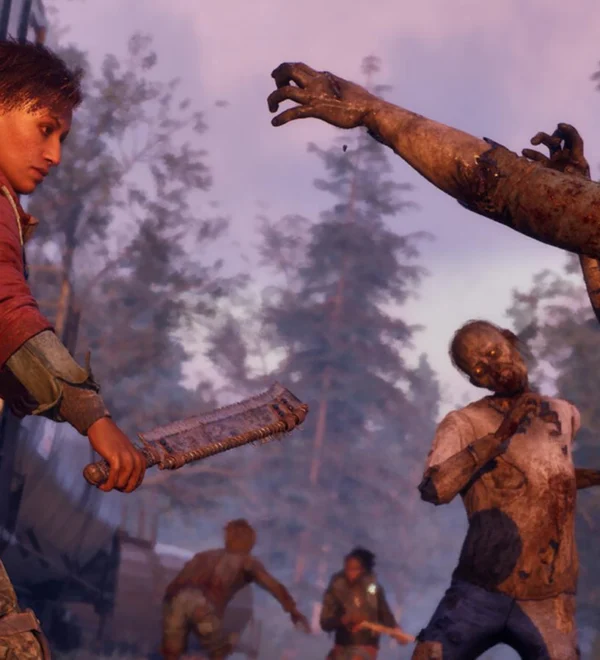 Gameplay Footage From State of Decay 3 Alpha Shows Combat and Vehicles