
5 Classic Nintendo Games That Have Aged Terribly and Are Unplayable Today
Nintendo has demonstrated a respectable commitment to legacy preservation across generations, breathing new life into older projects through full remakes or curating retrospective catalogs on subscription platforms. While the Nintendo Switch Online ecosystem still misses legendary Virtual Console keystones like Chrono Trigger, it deserves credit for resurrecting obscure gems such as Mario & Wario and Mario Paint. Even so, the archival mission is far from complete.
Rather than merely listing beloved classics trapped on dead hardware, this compilation focuses on historically crucial titles that remain frustratingly inaccessible today. These selections represent pivotal design shifts, fascinating corporate anomalies, and crucial cultural artifacts that the modern video game landscape desperately needs back in circulation.
5
Mario is Missing (1993, SNES and PC)
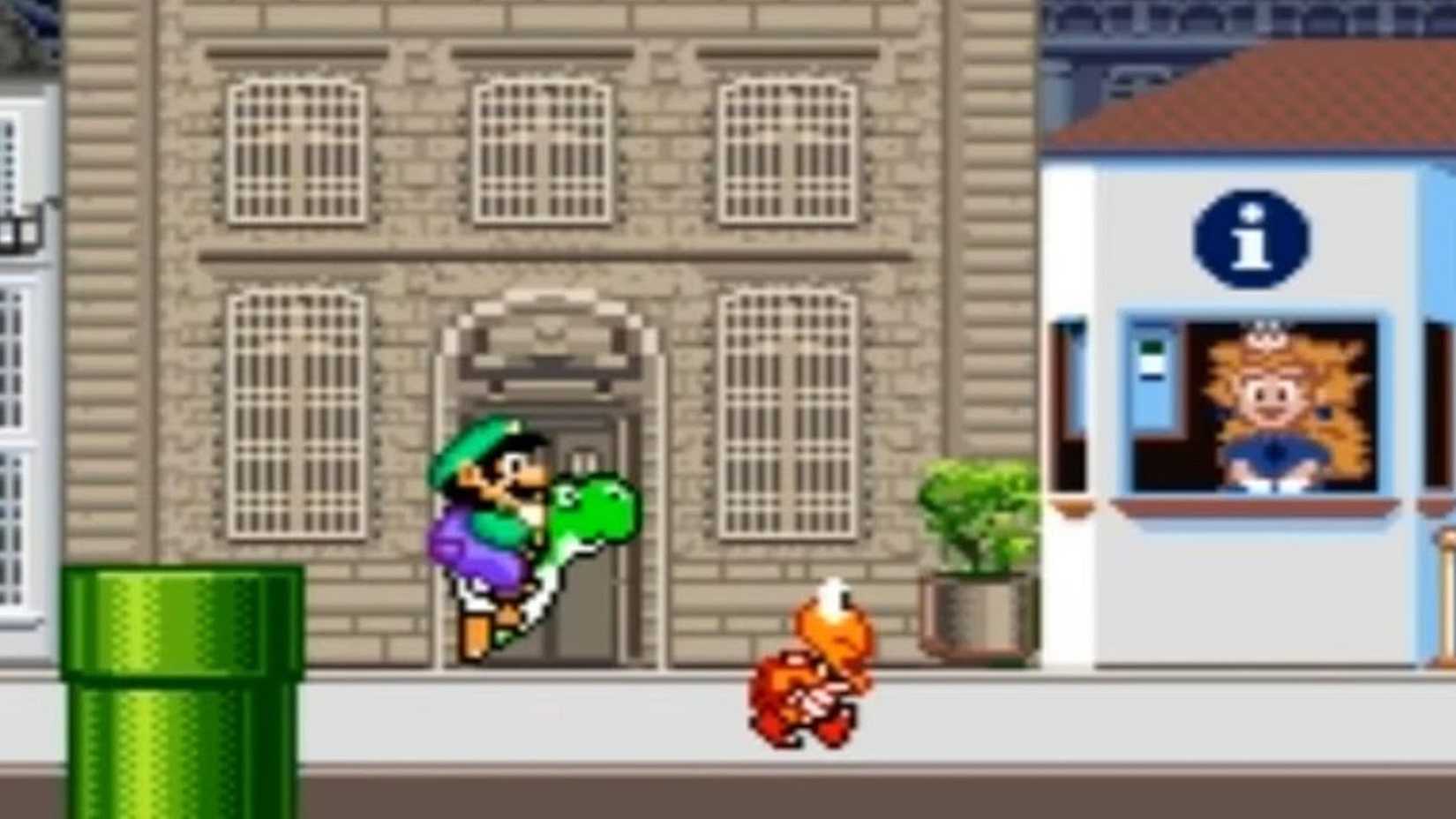
Is Mario is Missing a masterpiece of gameplay design? Absolutely not. Yet its profound mechanical awkwardness is precisely why its absence from modern storefronts is a loss. Developed during an experimental phase when Nintendo licensed out its crown jewels for edutainment ventures, this title pushed Luigi into the spotlight long before his titular mansion debuted. Setting out to rescue his kidnapped brother, Luigi navigates real-world metropolises like Cairo and Mexico City, interrogating civilians to recover stolen cultural artifacts—a thinly veiled premise to quiz children on world landmarks via clunky dialogue trees.
It stands as a fascinating artifact of an era before Nintendo rigorously curated its intellectual property. Today, Mario releases are treated as untouchable, genre-defining prestige events. While quality control is welcome, it tends to scrub clean the company’s messier, more freewheeling history. Reviving Mario is Missing would offer an honest, amusing window into the experimental missteps that helped shape contemporary brand discipline.
4
Yoshi’s Safari (1993, SNES)
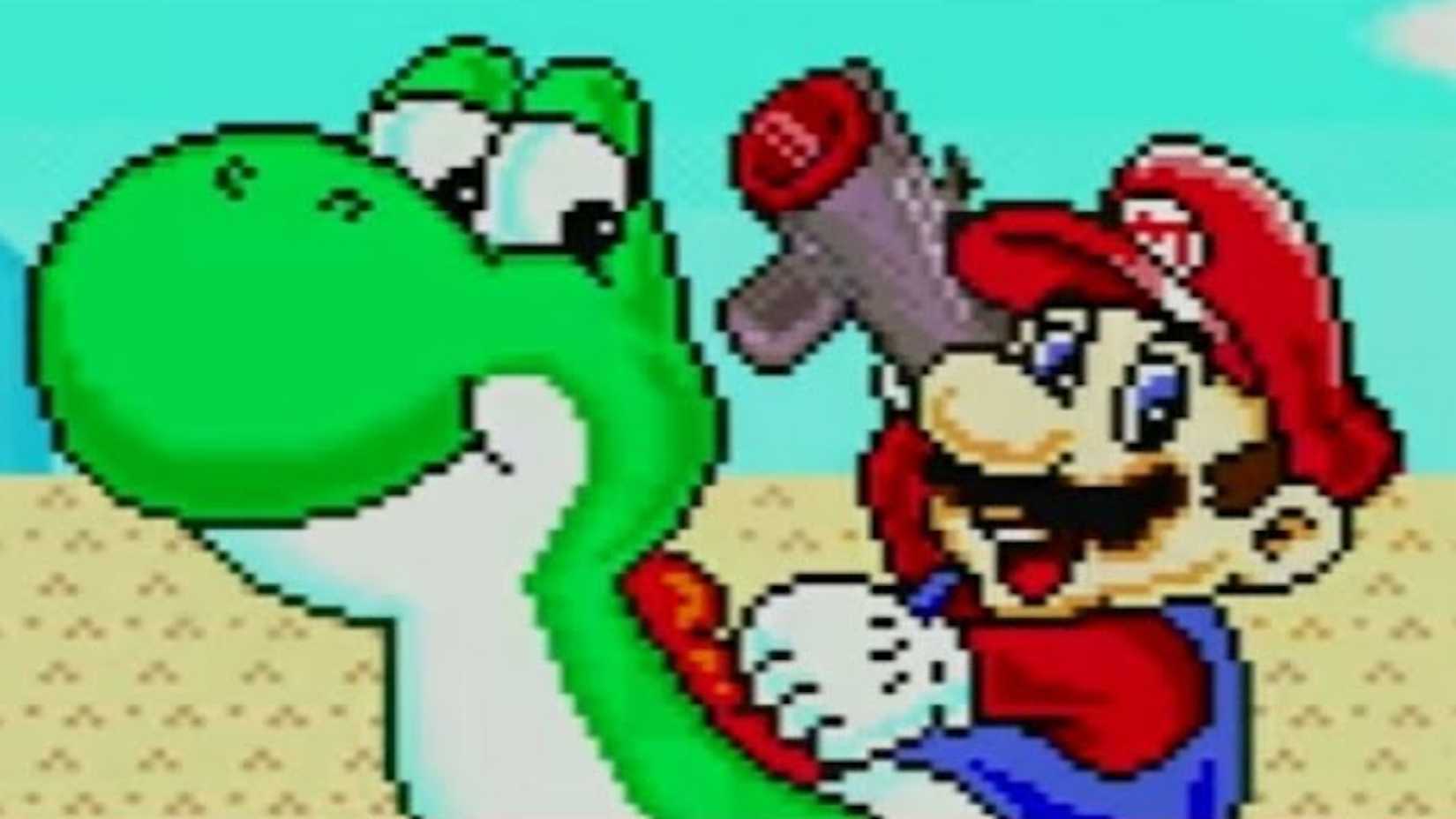
This entry comes with zero irony: Yoshi’s Safari genuinely deserves a modern revival. Conceptually, it reimagines the foundational mechanics of light-gun classics through a vibrant Mushroom Kingdom lens. Mounted atop Yoshi, Mario wields high-tech artillery from a first-person perspective to fend off Bowser’s invading forces. While light-gun shooters naturally lean into arcade simplicity, the game offers surprisingly dense, Mode-7-powered visual spectacle that stands among the Super Nintendo’s most striking technological feats.
Crucially, this project realized the original early-Famicom ambition of arming Mario with projectile weapons, executed with whimsical Saturday-morning-cartoon charm. Given that Nintendo has demonstrated a willingness to revive oddities from the ill-fated Virtual Boy library, engineering a gyroscopic or pointer-based update for this vibrant rail shooter ought to be an easy archival victory.
3
Super Smash Bros. Melee (2001, GameCube)
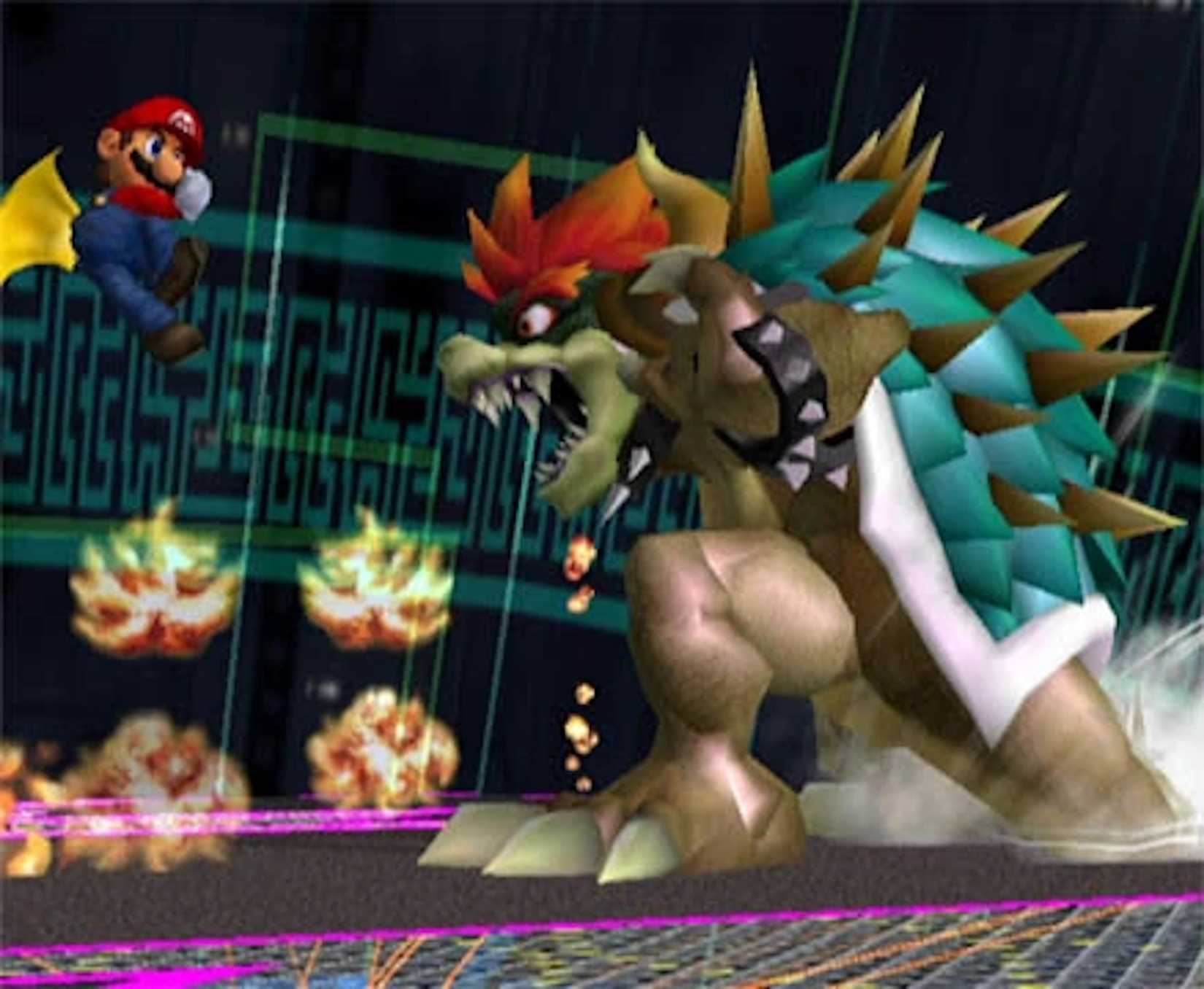
Modern entries in the Super Smash Bros. pantheon dominate online conversation primarily through earth-shattering guest reveals and sprawling roster counts. However, reducing this lineage purely to crossover spectacles ignores the design philosophy that made earlier iterations so enduring. Melee remains famous for its hyper-fast, emergence-heavy competitive engine, but its single-player architecture is equally brilliant and criminally overlooked.
Unlike the sprawling cinematic narratives seen in Brawl‘s Subspace Emissary or Ultimate‘s World of Light, Melee focused on punchy, replayable arcade-style Gauntlets. Classic and Adventure modes struck a tight balance of platforming stages, escalating brawls, and iconic boss showdowns against Master Hand or the terrifying Giga Bowser. Rewarding runs with collectible 3D trophies, it offered a satisfying solo experience alongside its legendary multiplayer. Denying contemporary audiences native access to the most mechanically fluid fighter of the sixth generation remains one of gaming’s greatest preservation oversights.
2
Fire Emblem: Thracia 776 (1999, Super Famicom)
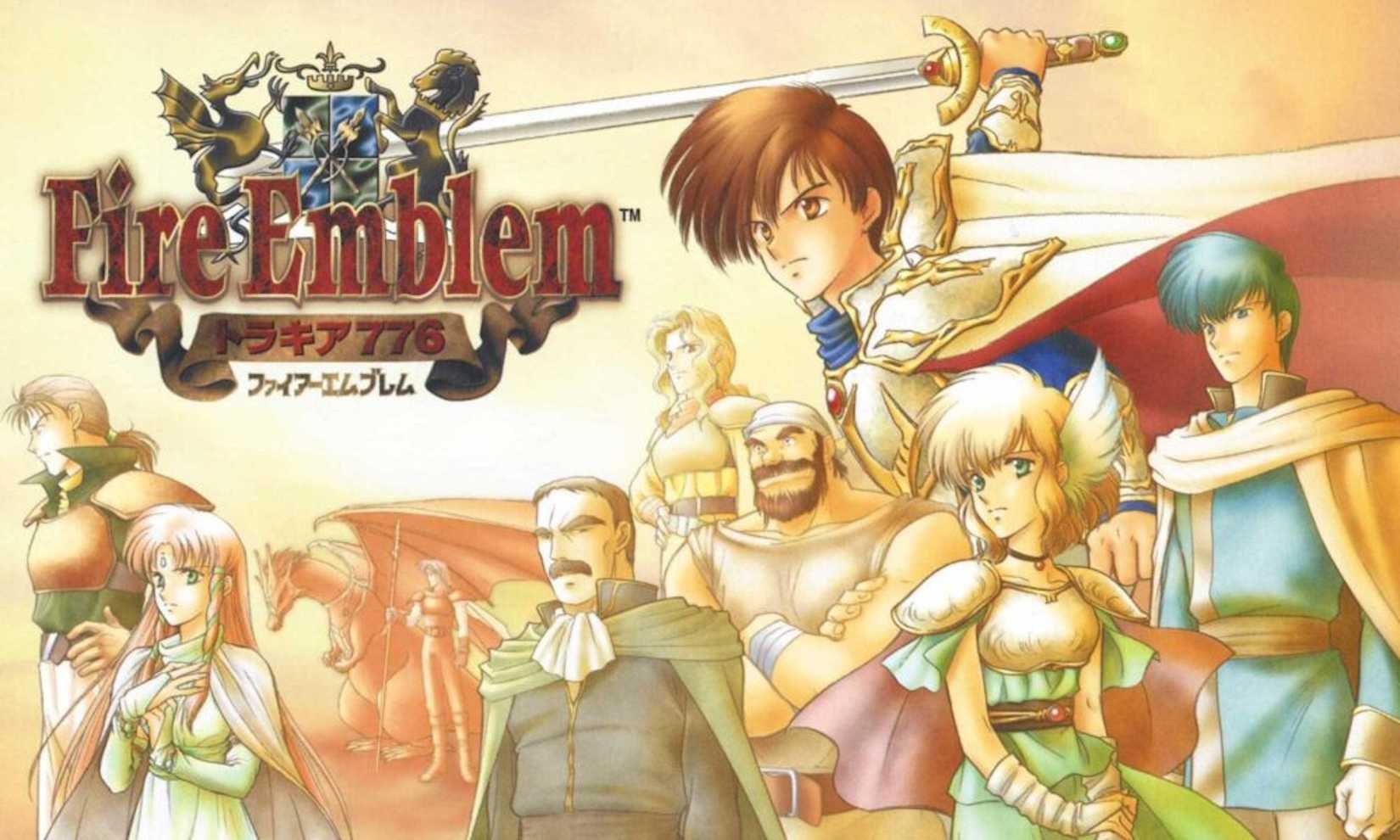
While Genealogy of the Holy War frequently commands attention as the narrative zenith of classic tactical RPGs, Thracia 776 represents developer Intelligent Systems at its most daring and mechanically uncompromising. Functioning as an interconnected midquel to Genealogy, it narrowed the focus from grand, sprawling geopolitical warfare down to an intimate, harrowing struggle of an insurgent army battling impossible odds.
It also introduced radical design mechanics that would reverberate through the franchise for decades. The infamous Fatigue system—which penalized overusing powerful units by benching them for subsequent battles—forced players to manage an entire roster strategically rather than relying on an elite few. Combined with dynamic capture mechanics and punishing fog-of-war scenarios, it laid the foundation for modern tactical experimentation seen in later franchise entries. While Genealogy is accessible on Japanese digital services, Thracia remains unfairly locked away from international players seeking the series’ most intricate tactical peak.
1
Mother 3 (2006, Game Boy Advance)
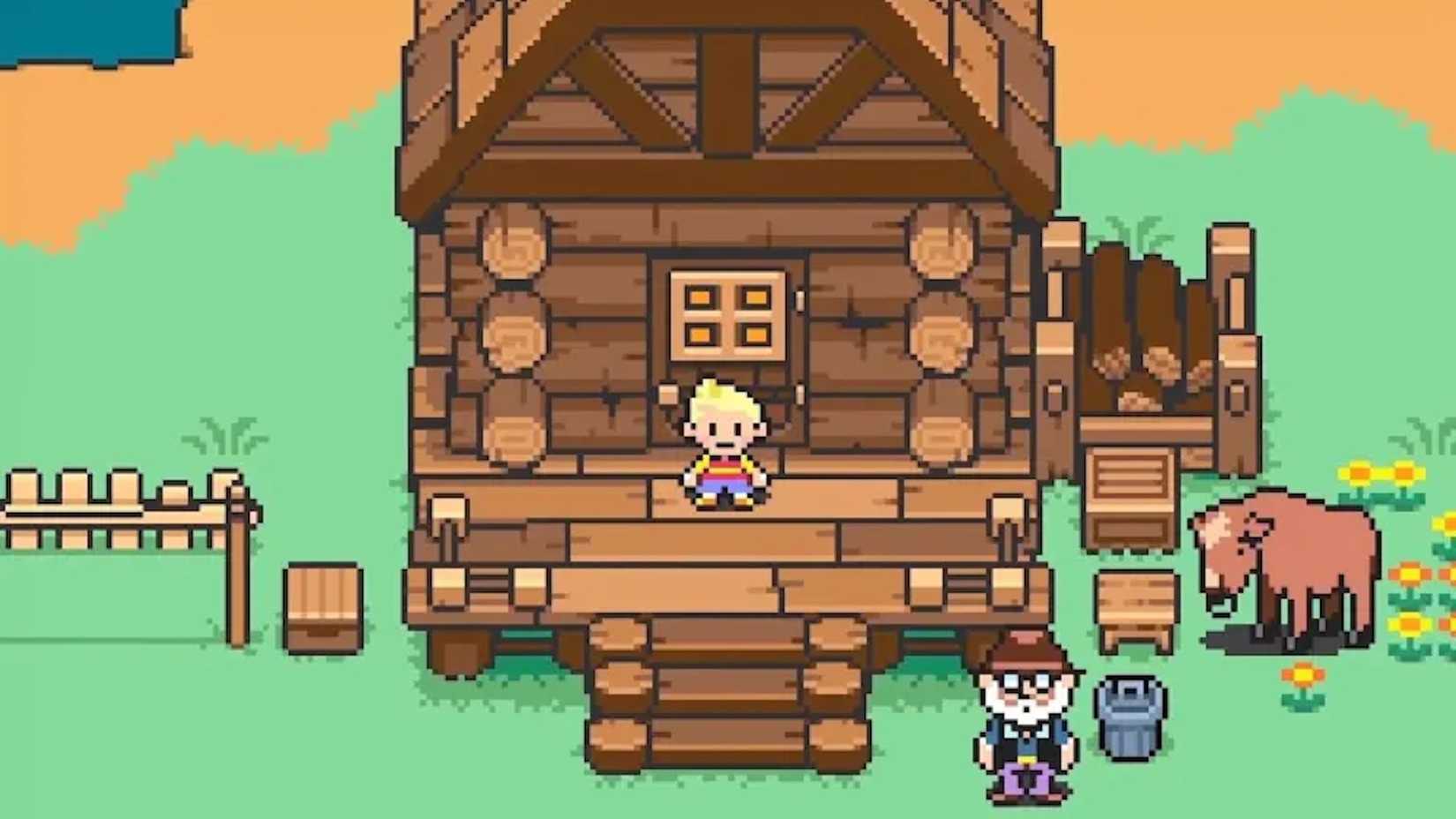
Highlighting Mother 3 in a discussion about game preservation might feel predictable, but its continued absence outside Japan remains a staggering cultural void. While available via Japanese subscription channels, the total absence of an official localized version leaves an iconic, critically lauded narrative masterpiece entirely dependent on community translation efforts.
Shigesato Itoi’s final chapter is far more than a charming RPG; it is a heartbreaking, deeply poignant critique of industrial encroachment, state-mandated conformity, and grief. The narrative confronts raw, mature themes—beginning with profound familial tragedy and culminating in a battle against an authoritarian regime that weaponizes consumerism and cultural amnesia. These complex political and emotional threads, balanced alongside boundary-pushing character designs, made domestic localization difficult during the mid-2000s climate. Today, however, its razor-sharp societal satire and tender philosophical core stand as a crucial high-water mark for video game storytelling that deserves global accessibility.
Source: Polygon
Related articles
 Next Borderlands 4 Story Expansion to Release in October
 Cyberpunk: Edgerunners Release Date Announced in New Trailer
 Dave Bautista Cast as Kratos in God of War Series as Filming Restarts
 God of War TV Series Officially Recasts Kratos
 Charles Melton Eyed to Play Kakashi in Live-Action Naruto Film
 Riot Games to End Active Development of League of Legends Fighter 2XKO in December
 GTA VI Fans Create Most Detailed Map of Leonida
 Rumor: Details on 14 Characters from FromSoftware’s The Duskbloods Leak Online