14 Years Later, Diablo 3 Is Still the Franchise’s Best—And I’ll Die on This Hill
Within action-RPG circles, one entry reigns supreme as the undisputed badge of prestige: Diablo 2. Released in 2000, it represents the franchise at its most gothic, atmospheric, and unforgiving. Even today—especially through the refined lens of the Resurrected remaster—its sheer scope, grim tone, and mechanical depth remain mesmerizingly effective.
Purists might champion the 1996 original for historical street cred, yet it clearly plays like a rough initial draft rather than a definitive experience. Meanwhile, Diablo 4 is far too massive and contemporary to carry cult appeal; within its active community, the prevailing pastime is scrutinizing live-service balance tweaks and seasonal endgame adjustments.
Then there is Diablo 3, caught in a peculiar cultural purgatory. Prior to release, purists derided its vibrant, painterly art style; upon launch, it suffered debilitating server outages, contentious tuning, and the infamous Real-Money Auction House. While Blizzard masterfully redeemed the title via the 2014 Reaper of Souls expansion and stellar console adaptations, the lingering stigma of its rocky debut has largely stalled any widespread critical reappraisal.
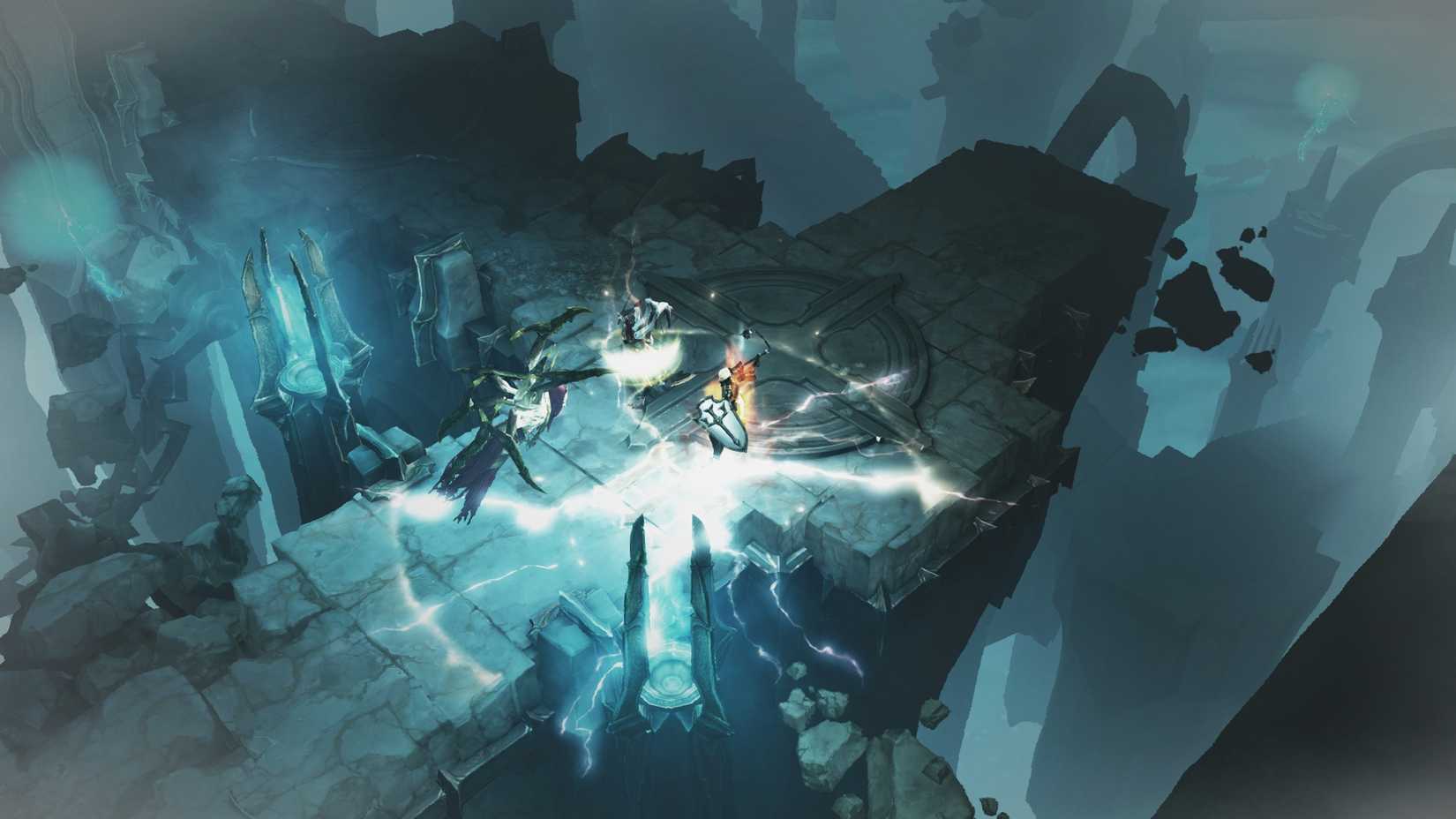
Yet away from the discourse, a dedicated community continues to log on—and they are having an absolute blast. I have harbored an enduring affection for Diablo 3 since day one, warts and all. Available on Xbox Game Pass, it remains the title I would unhesitatingly recommend above all others to anyone taking their maiden voyage into Sanctuary.
The primary reason is simple: it is the most welcoming, consistently rewarding, and frictionless entry in the saga. It avoids both the archaic rigidity of Diablo 2 and the cumbersome, bloated live-service obligations of Diablo 4. Despite offering virtually boundless replayability and over a decade of continuous refinements, the game feels lean, elegant, and self-contained.
While deeply rooted in classic PC role-playing lineage, Diablo 3 embraces a snappy arcade cadence that bypasses tedious stat-checking to deliver instant gratification. The combat fluidity is unmatched across the series: battlefield positioning, reactive crowd control, and the constant scramble for health globes elevate each skirmish into a dynamic, kinetic thrill ride.
Purists often bristle at its progression model, but the game’s greatest strength lies in its refreshing fluidity. Instead of punishing players with locked skill paths and punishing respec costs, abilities and skill-modifying runes can be shifted on the fly. Rather than adhering to rigid build guides and agonizing over spreadsheet optimizations, you dynamically adjust your build around the unique legendary gear you discover. To min-maxers, this flexibility might seem unorthodox; to me, it keeps the journey continually novel and exciting.
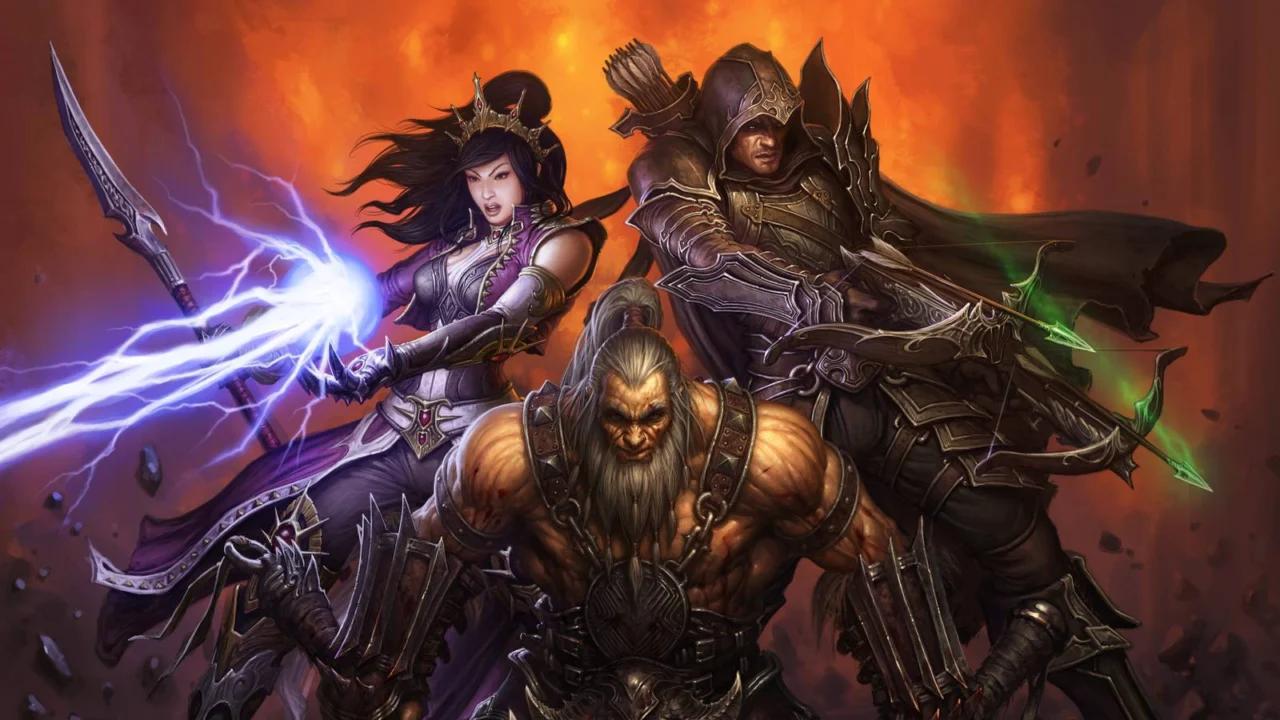
Every class archetype demonstrates Blizzard’s hallmark mechanical polish. The explosive Wizard stands as one of the most exhilarating glass cannons in ARPG history, while the Monk, Crusader, and Demon Hunter offer distinct, brilliantly stylized twists on familiar fantasy templates.
The campaign is admittedly the weakest link, leaning into theatrical, operatic camp that clashes with the franchise’s darker origins. Yet approached with the right mindset, its high-fantasy melodrama is delightfully entertaining—thanks in no small part to the scenery-chewing charisma of the spectral mage Zoltun Kulle.
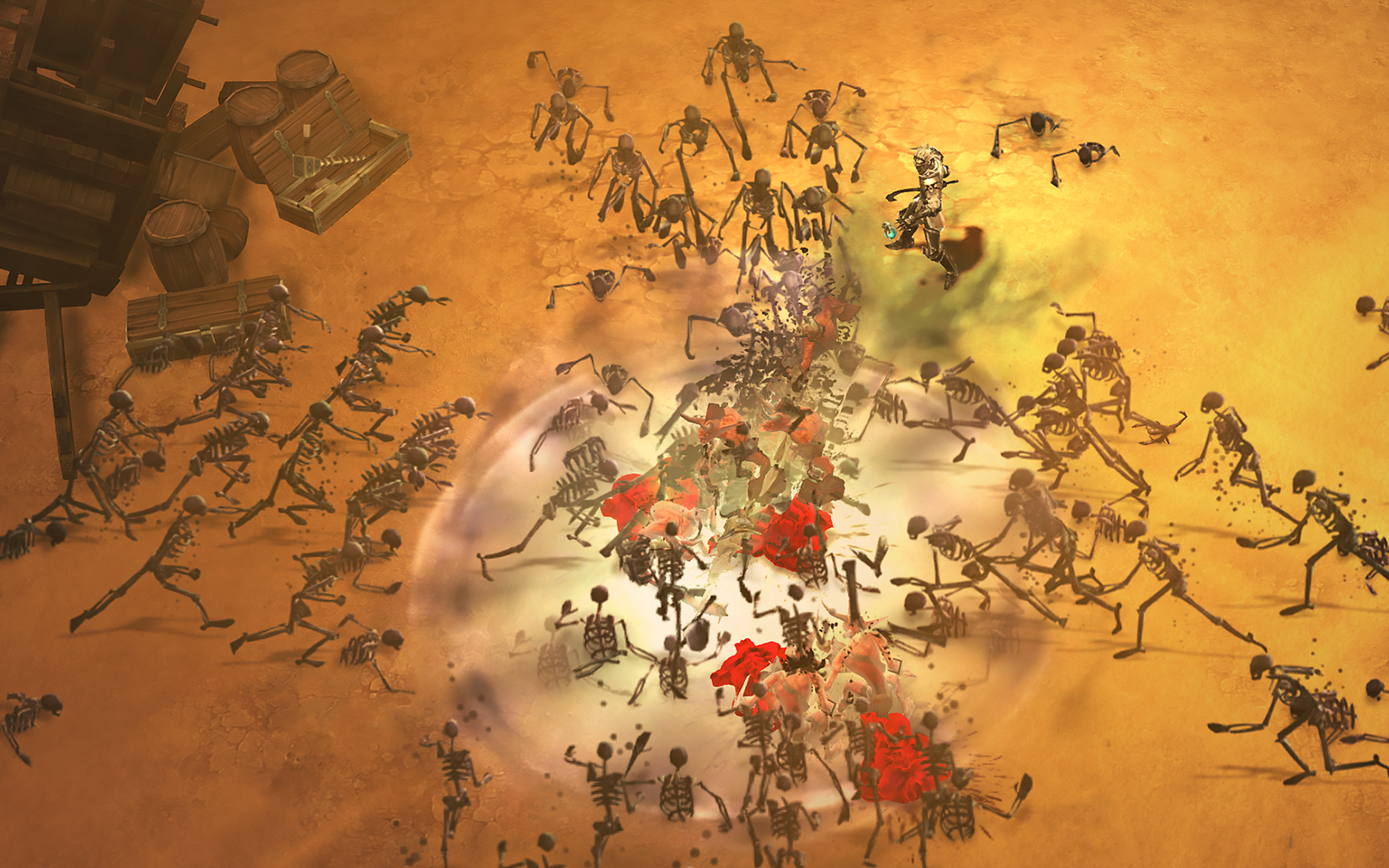
Once the story concludes, Adventure Mode unlocks the true essence of the experience: an electrifying, context-free loop of global Bounties and randomized Nephalem Rifts that delivers exponential power scaling and pure monster-slaying catharsis.
Crucially—and exclusive to consoles—Diablo 3 also stands as one of the finest couch co-op experiences ever crafted. Supporting up to four players locally with seamless drop-in, drop-out functionality and a clean, controller-friendly interface, it establishes a flawless gameplay loop: chaotic, explosive combat punctuated by lively living-room chatter as everyone sifts through their freshly gathered loot.
It may lack the grim prestige of its elder sibling, but Diablo 3 remains a masterpiece of accessible, unapologetic fun. It doesn’t need retroactive validation or future overhauls—it is already complete, thrilling, and as entertaining as ever.
Related articles
 Code Vein II to Receive Major Story DLC with New Heroine
 Superman Spin-Off About Jimmy Olsen Titled The People vs. Gorilla Grodd
 Trails in the Sky 2nd Chapter Demo Released One Month Ahead of Launch
 Cailee Spaeny May Still Join X-Men in a Different Marvel Role
 Aliens: Fireteam Elite 2 Developers Showcase Xenomorphs
 The Guild 1 Remake: Europa 1410 Launches in Early Access in September
 Stealth Horror Game Death Antique Launches on Android and iOS
 PCS Opens Pre-Orders for Comic-Version TMNT Shredder Statue