
10 Legendary Video Game Franchises That Debuted on the SNES
Many of the gaming industry’s most enduring and celebrated franchises trace their origins back to legacy silicon. In particular, an impressive array of legendary series debuted on the Super Nintendo Entertainment System, which arrived on North American shelves on August 23, 1991. As we commemorate over three decades of 16-bit brilliance, it is worth examining the iconic sagas that owe their existence to Nintendo’s pioneering console.
To keep the spotlight on true ground-up originations, certain caveats apply. Donkey Kong Country is excluded, as it fundamentally reimagined an established arcade titan. Square’s Mana series (Seiken Densetsu) achieved masterpiece status on the SNES with Secret of Mana, but its true maiden journey occurred on the Game Boy under the moniker Final Fantasy Adventure. Similarly, while Super Mario RPG: Legend of the Seven Stars broke fresh thematic ground for the portly plumber, it stands as an independent milestone distinct from the subsequent Paper Mario and Mario & Luigi lines. With those boundaries set, here are ten definitive video game franchises that launched on the SNES and etched their names into gaming history.
10
Lufia
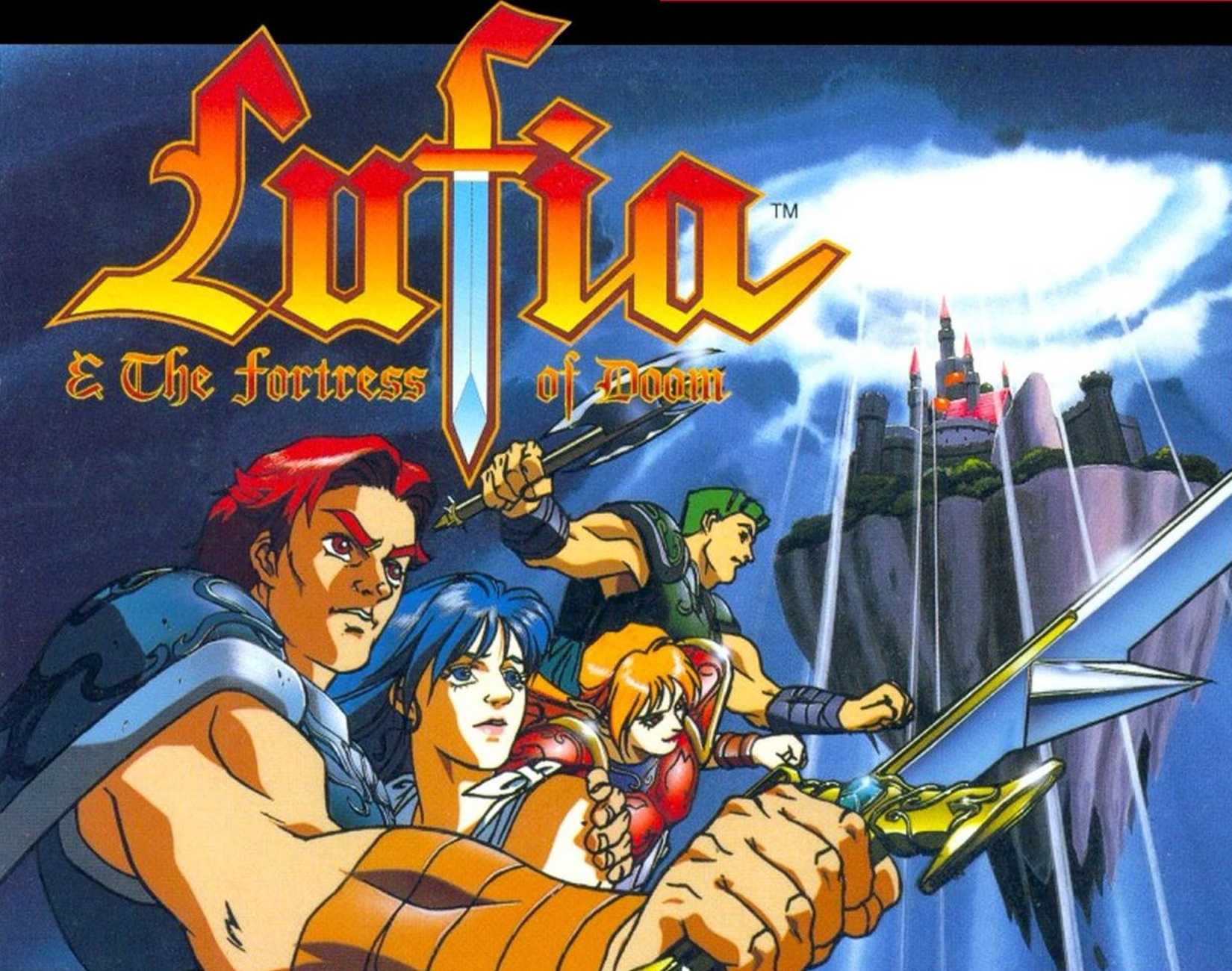 Image: Neverland/Taito
First released: 1993
Crafted by Neverland—the studio that later spearheaded Marvelous’s popular Rune Factory saga—the franchise debuted with Lufia & the Fortress of Doom. Widely praised as one of the standout role-playing titles of its year, the game quickly received an even more accomplished follow-up in the form of a prequel, Lufia II: Rise of the Sinistrals. Driven by clever dungeon puzzle designs and poignant storytelling, the series expanded across the Game Boy Color, Game Boy Advance, and Nintendo DS. While Neverland’s insolvency in 2013 stalled hopes for brand-new mainline entries, this classic turn-based property remains ripe for a curated modern retro collection.
9
Tales
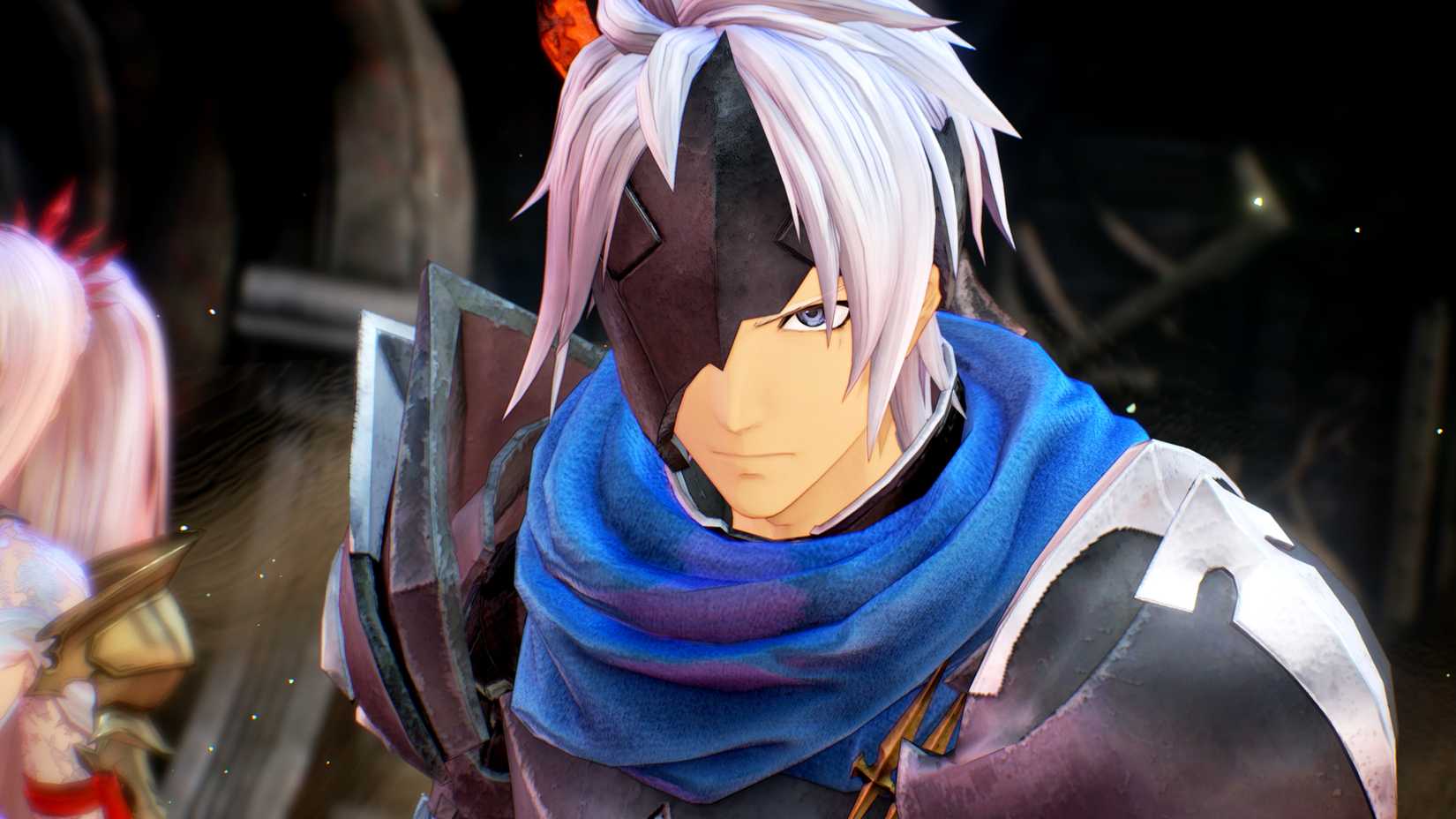 Image: Bandai Namco
First released: 1995
Tales of Phantasia served as the genesis for a powerhouse JRPG lineage that has flourished for nearly three decades. Developed by the ambitious team at Wolf Team (later evolving into Namco Tales Studio), the game pushed the Super Famicom’s audiovisual boundaries to their absolute limits, famously featuring digitized vocal performances and dynamic, real-time battle mechanics. Although Western players had to wait years for a localized Game Boy Advance port, this premiere entry laid the foundation for an action-RPG dynasty that went toe-to-toe with giants like Final Fantasy and Dragon Quest.
8
Breath of Fire
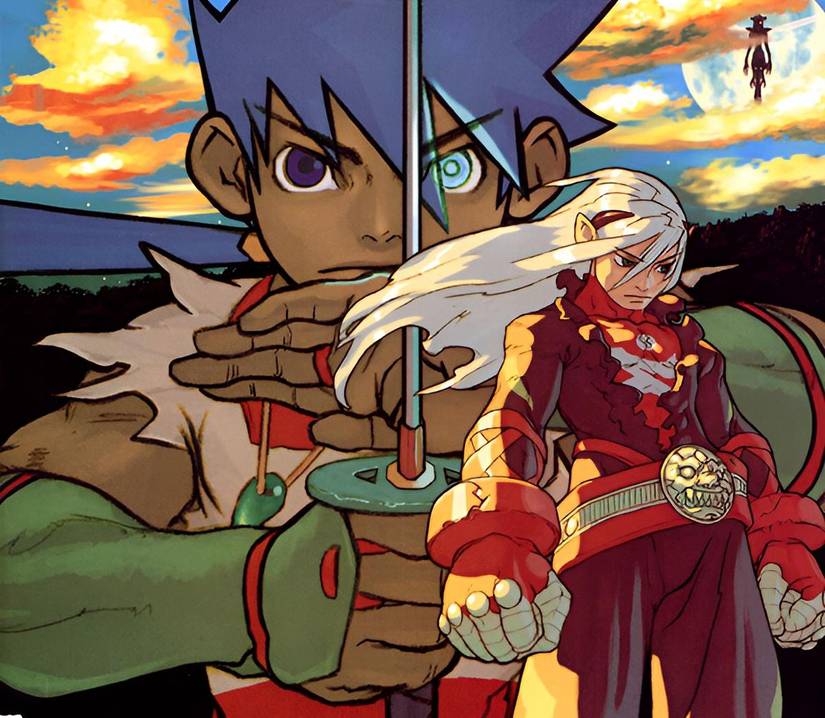 Image: Capcom
First released: 1993
Before establishing itself as a multi-generation favorite on PlayStation hardware, Capcom’s flagship fantasy RPG planted its roots on the SNES. The original journey of the dragon-shifting hero Ryu was brought across the Pacific through a publishing partnership with Squaresoft, before Capcom took full command of localized releases starting with Breath of Fire II. Defined by rich worldbuilding, anthropomorphic party members, and inventive dragon-transformation systems, the series delivered consistently memorable adventures. Though experimental shifts like the gritty Dragon Quarter and a disastrous mobile diversion stalled its trajectory, Capcom’s current creative peak leaves fans hopeful for a long-overdue resurrection.
7
Mega Man X
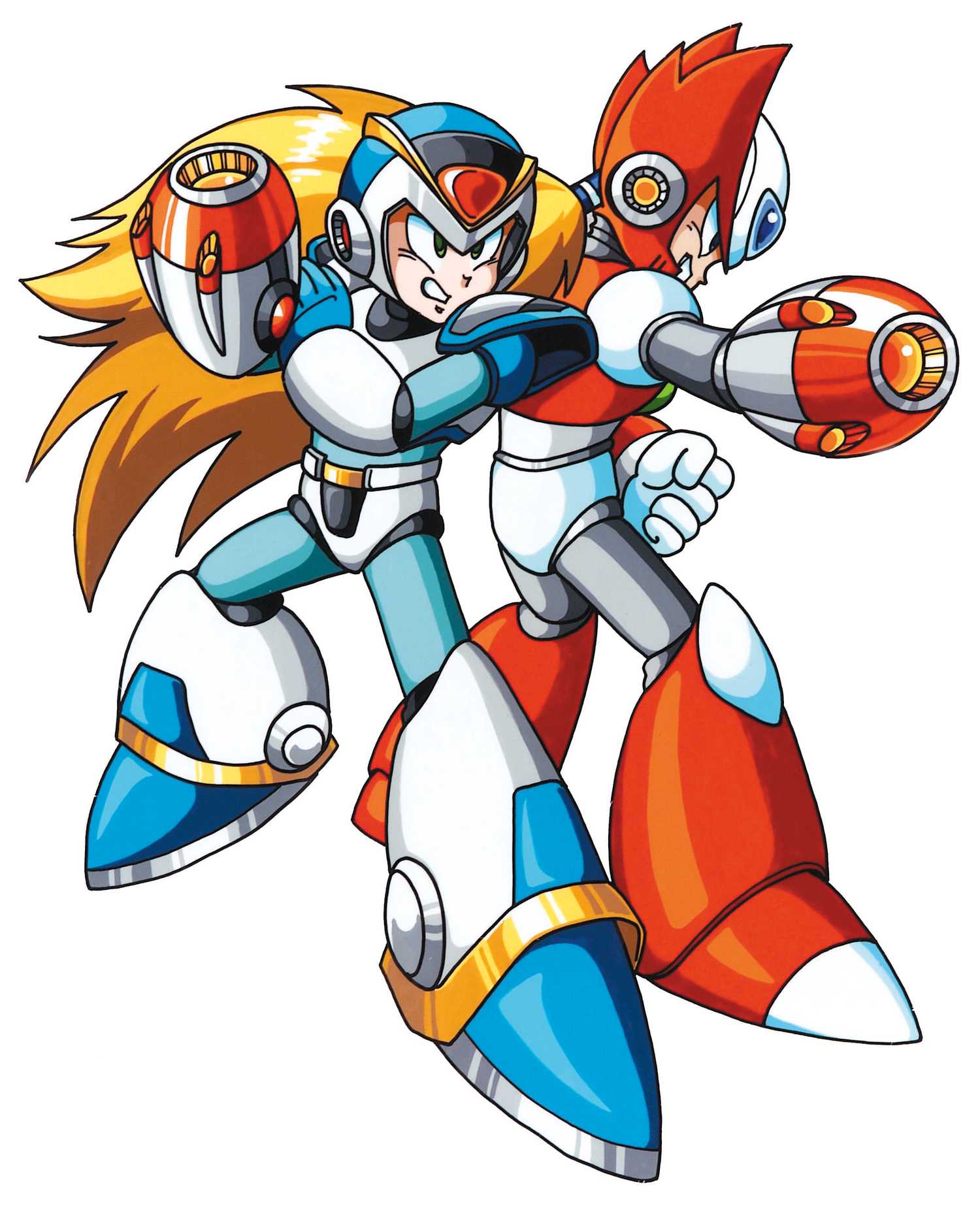 Image: Capcom
First released: 1993
The 1990s demanded high-octane attitude, and Capcom answered the call by thoroughly re-engineering the Blue Bomber. Set a century past the classic timeline, Mega Man X introduced a sleeker, darker cybernetic dystopia populated by rogue Mavericks and led by the villainous Sigma. X wasn’t just an aesthetic evolution; his gameplay incorporated fluid wall-kicks, dashing, mechanized Ride Armors, and modular upgrade capsules hidden throughout meticulously designed stages. Spanning eight numbered chapters alongside spin-offs like Command Mission, this sub-series remains an undisputed masterclass in platform-action precision.
Recommended For You
Hand-picked by GameRant editors
GameRant may earn an affiliate commission from links on this page.
6
Ogre Battle
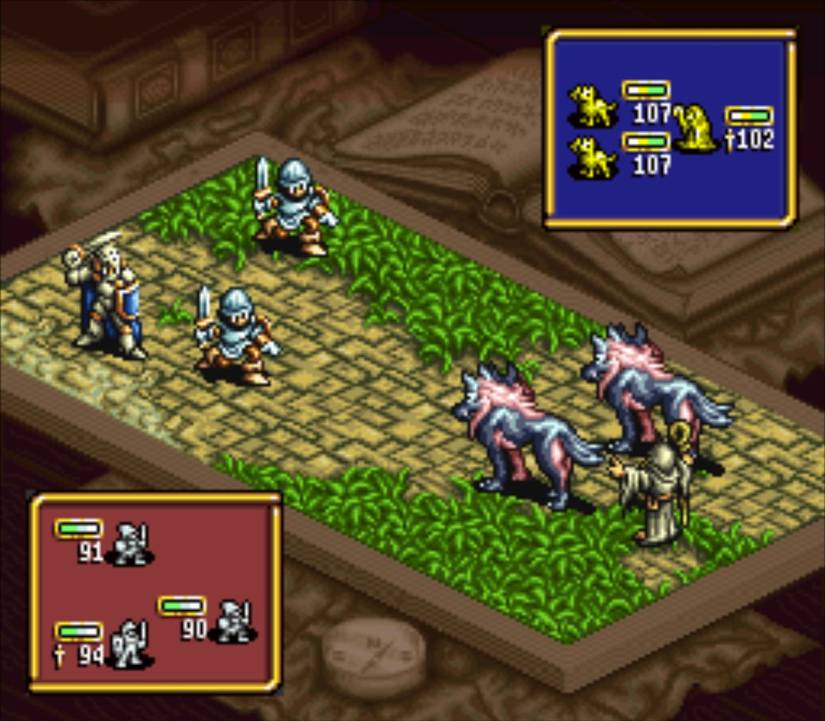 Image: Quest/Enix
First released: 1993
With Ogre Battle: The March of the Black Queen, developer Quest ignited a revolutionary branch of tactical role-playing. Directing a liberation army against Empress Endora and the corrupt Zeteginian Empire, players juggled squad formations, day-night cycles, tarot-card buffs, and moral alignments across a sprawling narrative that boasted 13 distinct conclusions. Its direct sequel, Tactics Ogre: Let Us Cling Together, established the isometric tactical blueprint later celebrated in Final Fantasy Tactics. Few strategy series have cast such a massive, enduring shadow over game design.
5
Star Ocean
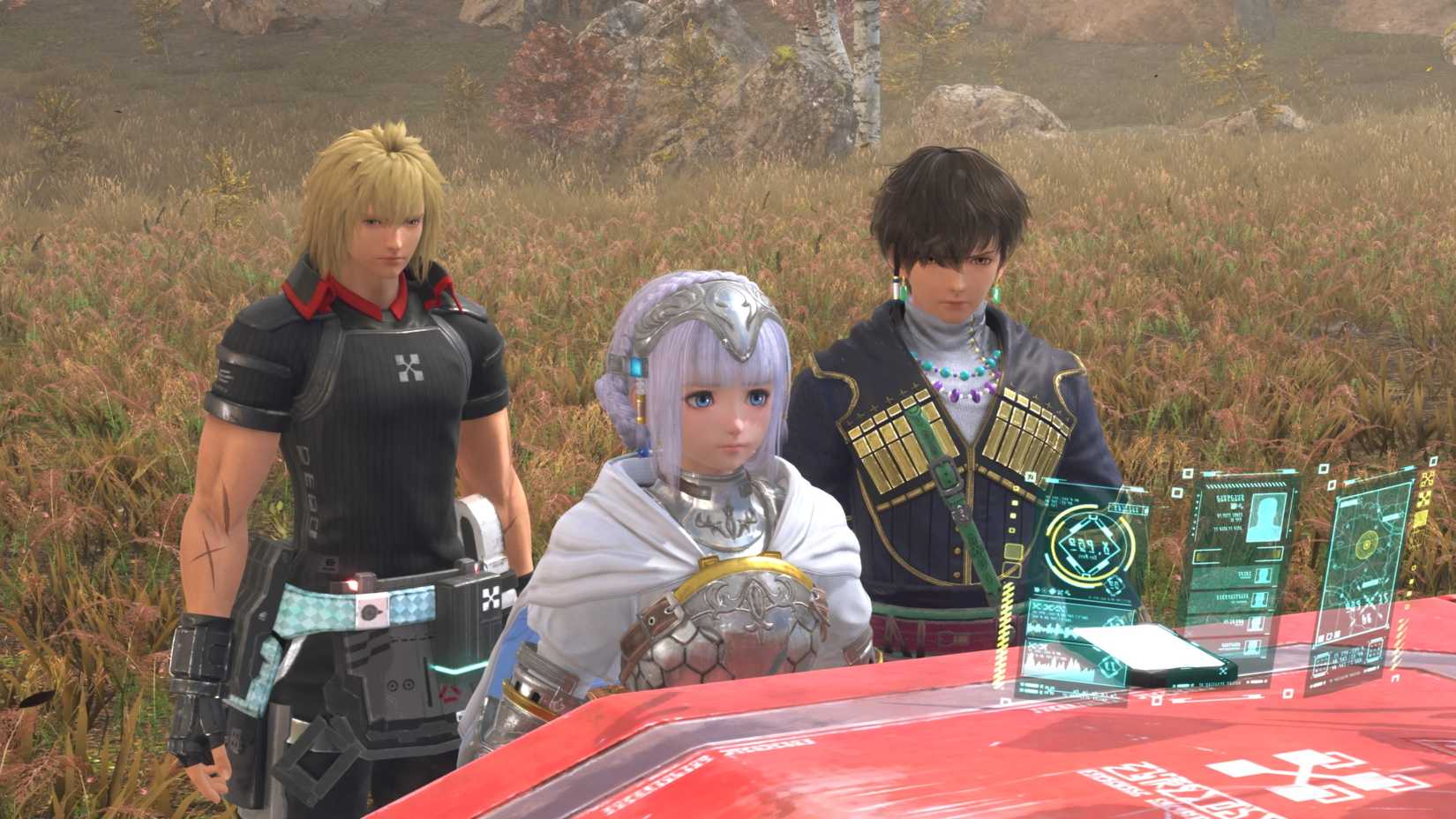 Image: tri-Ace/Square Enix via Polygon
First released: 1996
While many fans discovered the franchise through Star Ocean: The Second Story on the original PlayStation, the interstellar voyage began right on the Super Famicom. Developed by tri-Ace, the original Star Ocean employed a specialized sound compression chip and bespoke graphics processing to merge galactic sci-fi with classical medieval fantasy. Signature elements such as fast-paced combat, deep item creation, and relationship-shaping “Private Actions” all took form here, sustaining the series all the way through modern iterations like Star Ocean: The Divine Force.
4
Mario Kart
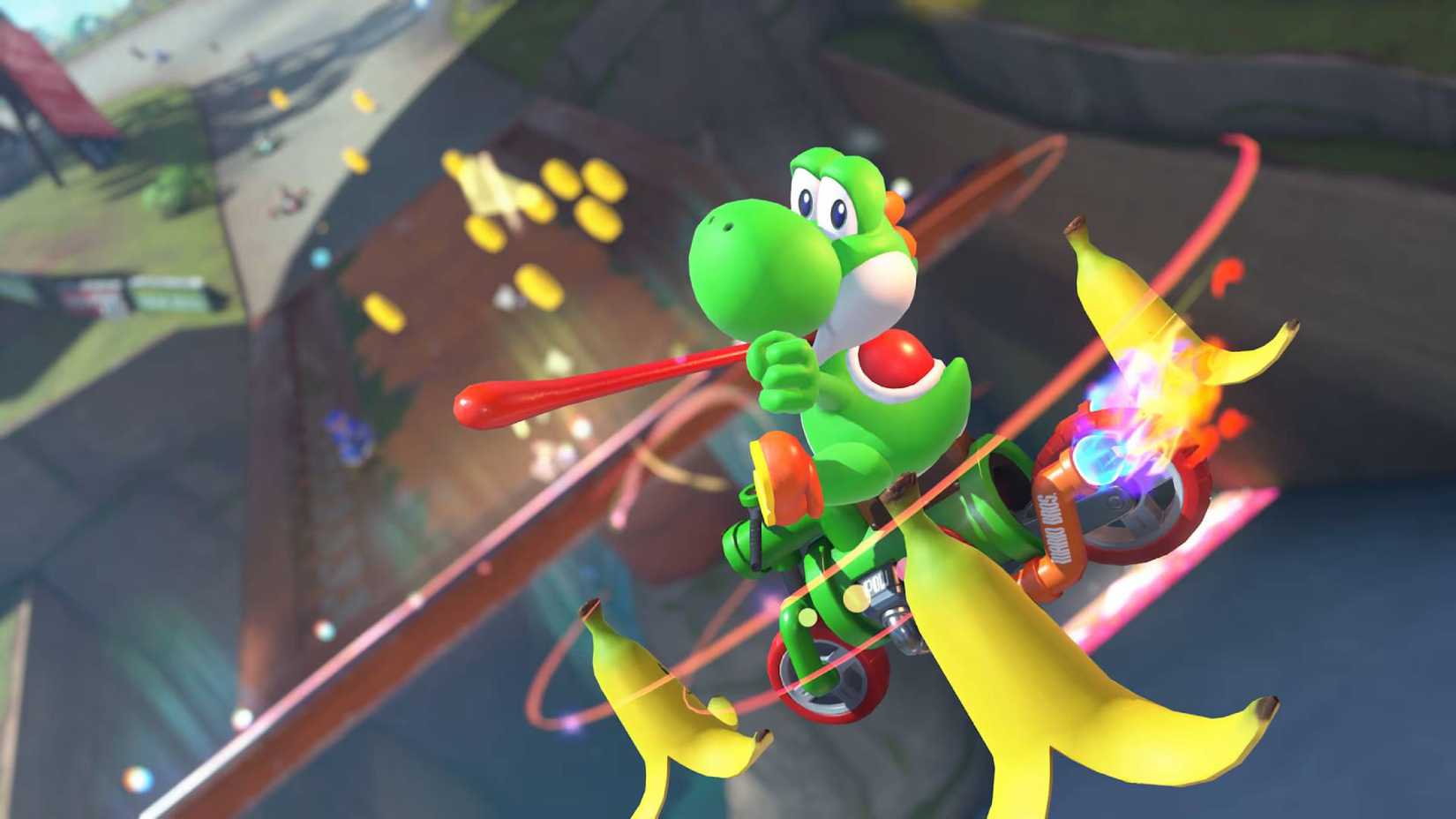 Image: Nintendo
First released: 1992
It is difficult to overstate the cultural footprint left by 1992’s Super Mario Kart. Leveraging the console’s revolutionary Mode 7 pseudo-3D scaling, Nintendo transformed a simple two-player driving experiment into the gold standard for the arcade kart racing genre. Decades later, with tens of millions of units sold worldwide and generational hits like Mario Kart 8 Deluxe reigning supreme, the high-stakes thrills of drifts, red shells, and Rainbow Road remain an unparalleled centerpiece of competitive multiplayer gaming.
3
Chrono
 Square Enix
First released: 1995
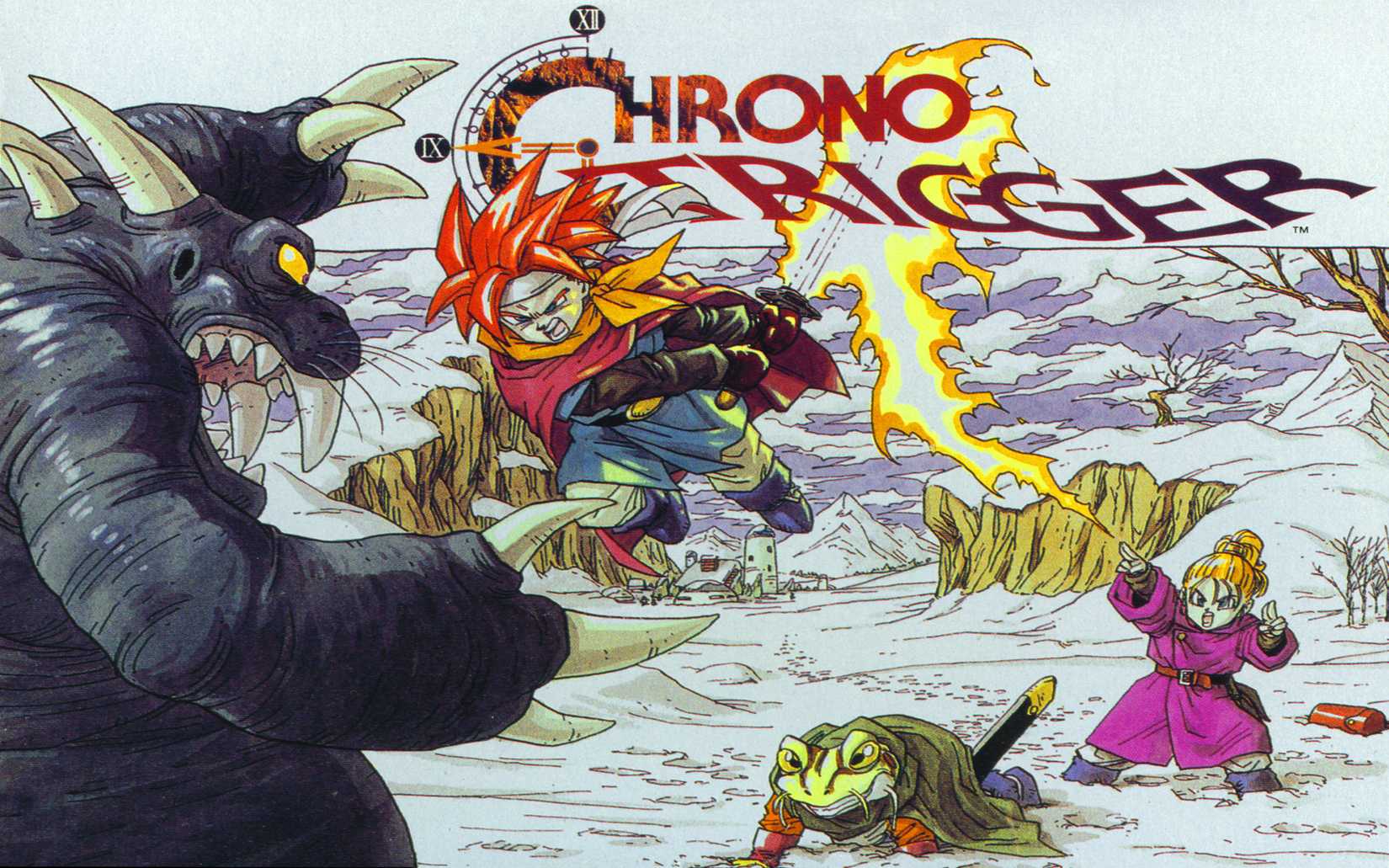
When Square and Enix assembled the legendary “Dream Team”—including Hironobu Sakaguchi, Yuji Horii, Akira Toriyama, and composer Yasunori Mitsuda—the resulting masterpiece was Chrono Trigger. Eschewing the conventional pitfalls of high-profile collaborative projects, it delivered a virtually flawless epoch-spanning epic complete with seamless combat encounters, iconic dual and triple tech abilities, a dozen endings, and the groundbreaking formalization of New Game Plus. Joined by the text-adventure curiosity Radical Dreamers and the visually arresting Chrono Cross, this remains one of the most revered intellectual properties in medium history.
2
Harvest Moon
 Image: Natsume
First released: 1996
Arriving late in the Super Famicom’s lifecycle as Bokujou Monogatari before Natsume localized it as Harvest Moon, this quiet pastoral simulation forged an entirely new gaming subculture. Tasking players with rehabilitating a neglected family homestead, tending crops, raising livestock, and forming bonds with a tight-knit village community, its peaceful loop provided a therapeutic counterweight to typical action fare. The franchise eventually bifurcated into Marvelous’s official continuation under the Story of Seasons banner and Natsume’s standalone Harvest Moon line, while also spawning the beloved fantasy spin-off Rune Factory.
1
Star Fox
 Image: Velan Studios/Nintendo via Polygon
First released: 1993
Powered by the revolutionary Argonaut-designed Super FX coprocessor, 1993’s Star Fox brought real-time 3D polygonal graphics into home living rooms. Piloting an Arwing fighter alongside anthropomorphic wingmen Peppy, Slippy, and Falco, Fox McCloud’s battle through the Lylat System to defeat the mad scientist Andross established a legendary rail-shooting formula. Later refined by the acclaimed Star Fox 64 and continued across numerous console iterations, this technological watershed remains one of the Super Nintendo’s most audacious and enduring triumphs.
Related articles
 Experts Call GTA VI One of the Most Impressive Graphics Showcases of All Time
 Rockstar Releases Full GTA VI Presentation in 4K on YouTube
 Black Library Unveils Three New Warhammer 40,000 Imperial Guard Novels
 Jason Statham’s The Beekeeper 2 Gets Update From Original Director
 Prime Video Adapting Stephen King’s Crouch End into Limited Series
 Unreleased Nvidia DLSS 5 Tested With Mixed Results
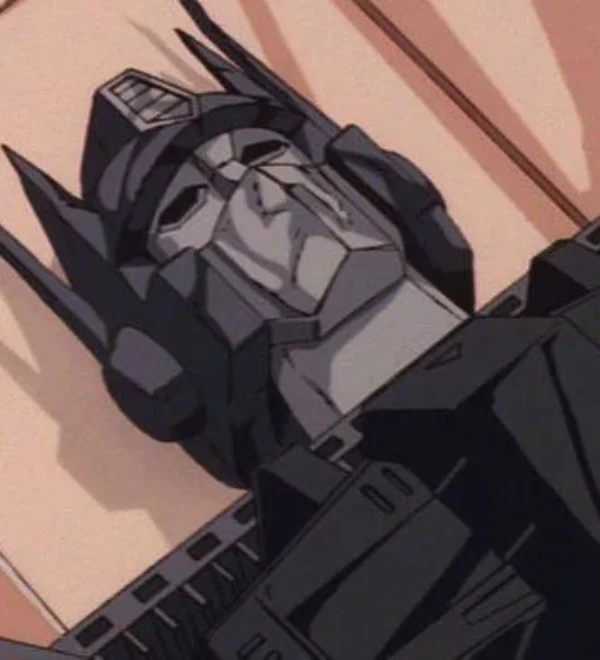 Transformers Cast Pays Tribute to Late Optimus Prime Actor Peter Cullen
 GTA VI Currently Runs at 30 FPS on All Consoles with 60 FPS Support in Question