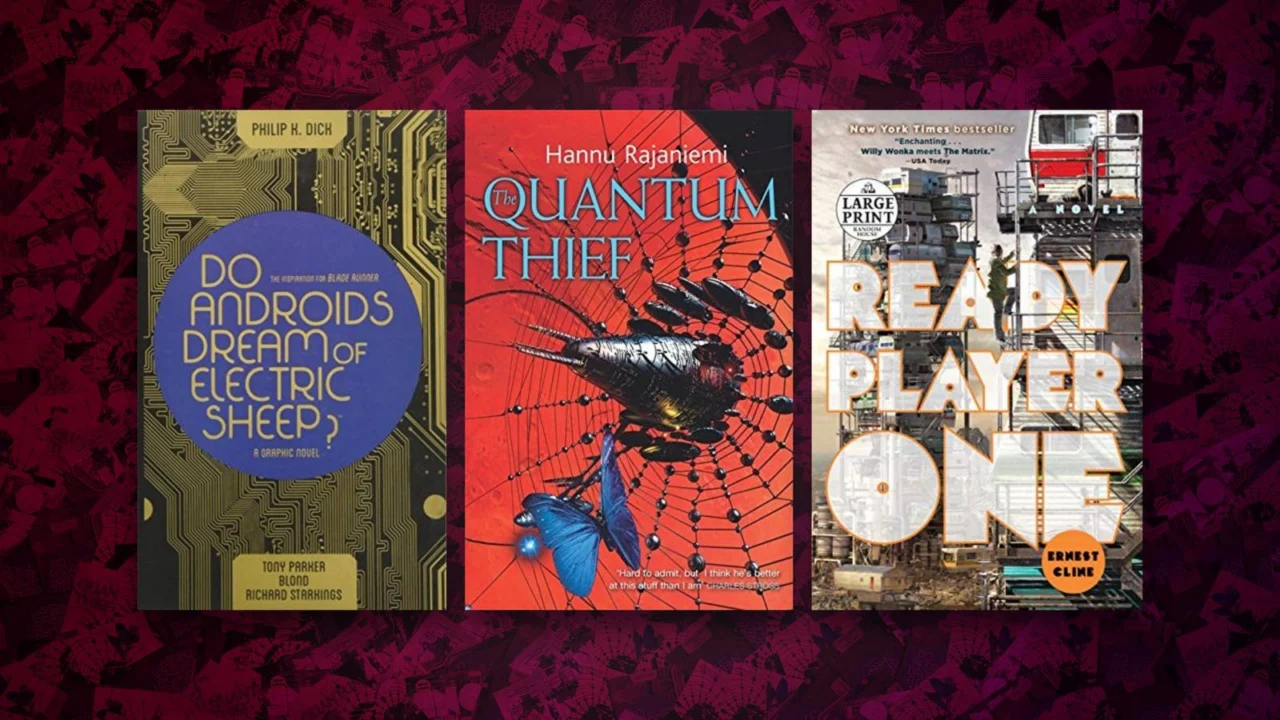
10 Classic Cyberpunk Sci-Fi Books to Read
William Gibson’s 1984 novel Neuromancer helped define the cyberpunk genre, establishing concepts that shaped everything from The Matrix to Cyberpunk 2077. After decades in development hell, the story of a washed-up hacker and a cyborg staging a high-stakes heist arrives as an Apple TV series in January 2027.
The platform behind high-budget sci-fi productions like Severance and Pluribus provides a fitting home for Gibson’s journey through cyberspace and future Japan. Readers looking for rogue artificial intelligence, corporate conspiracies, and chrome-plated mercenaries can dive into these ten essential cyberpunk titles while waiting for the premiere.
Philip K. Dick, Do Androids Dream of Electric Sheep? (1968)
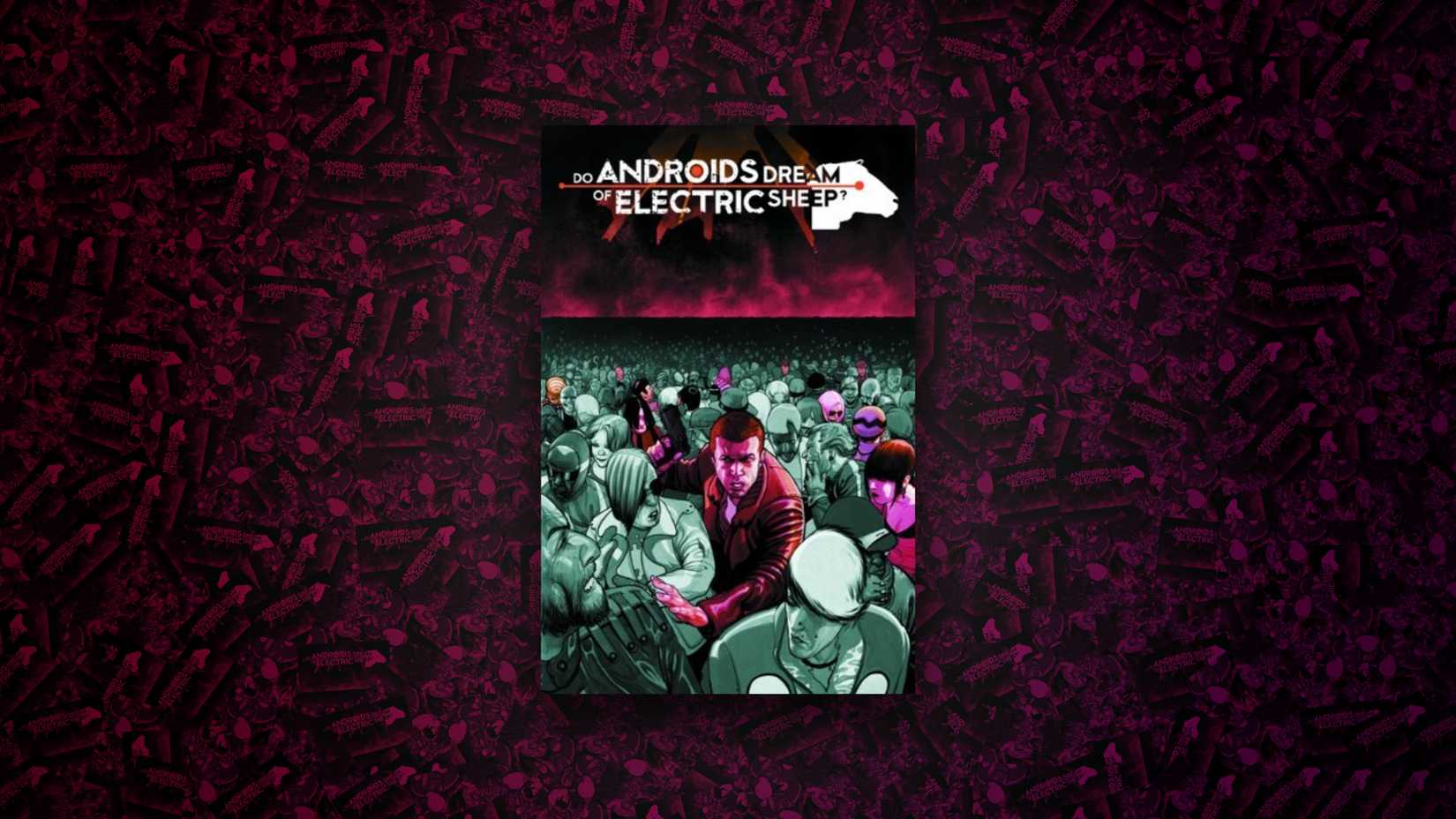
Philip K. Dick created some of science fiction’s most influential premises, inspiring screen adaptations like The Man in the High Castle, Minority Report, and A Scanner Darkly. Director Ridley Scott adapted Do Androids Dream of Electric Sheep? into the 1982 film Blade Runner, cementing aesthetic hallmarks that Gibson later expanded upon in Neuromancer. Dick’s original text remains much stranger than the film, using synthetic animals as social status symbols in a ruined world.
Neal Stephenson, Snow Crash (1992)
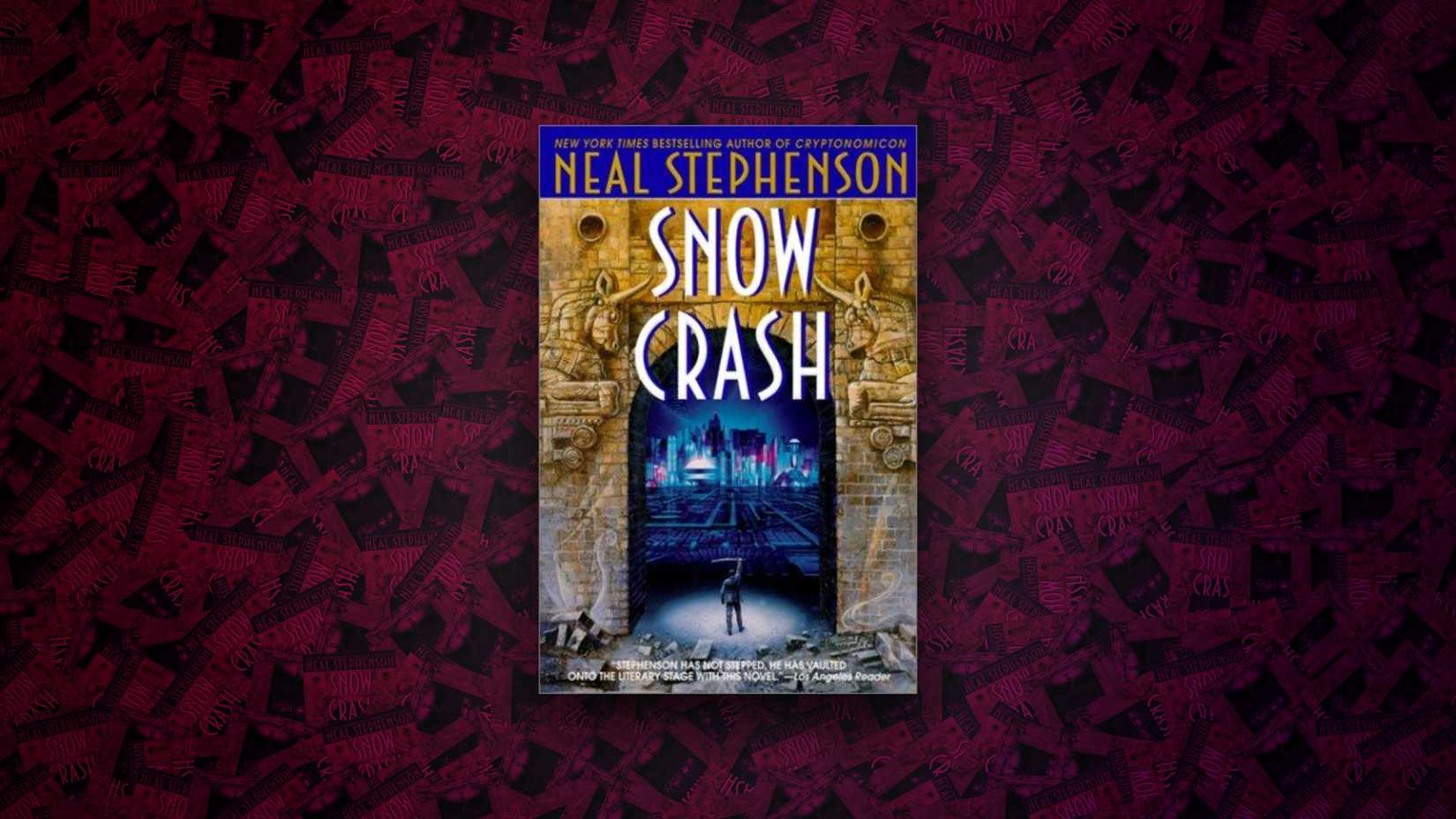
Snow Crash began as a satire of cyberpunk conventions before turning into a cornerstone of the genre. Neal Stephenson coined the term “metaverse” in this tale about Hiro Protagonist, a pizza delivery driver and hacker investigating a linguistic computer virus linked to ancient Sumeria. The novel blends sharp humor with linguistic theory, setting up themes Stephenson revisited in later works like The Diamond Age and Cryptonomicon.
Richard K. Morgan, Altered Carbon (2002)
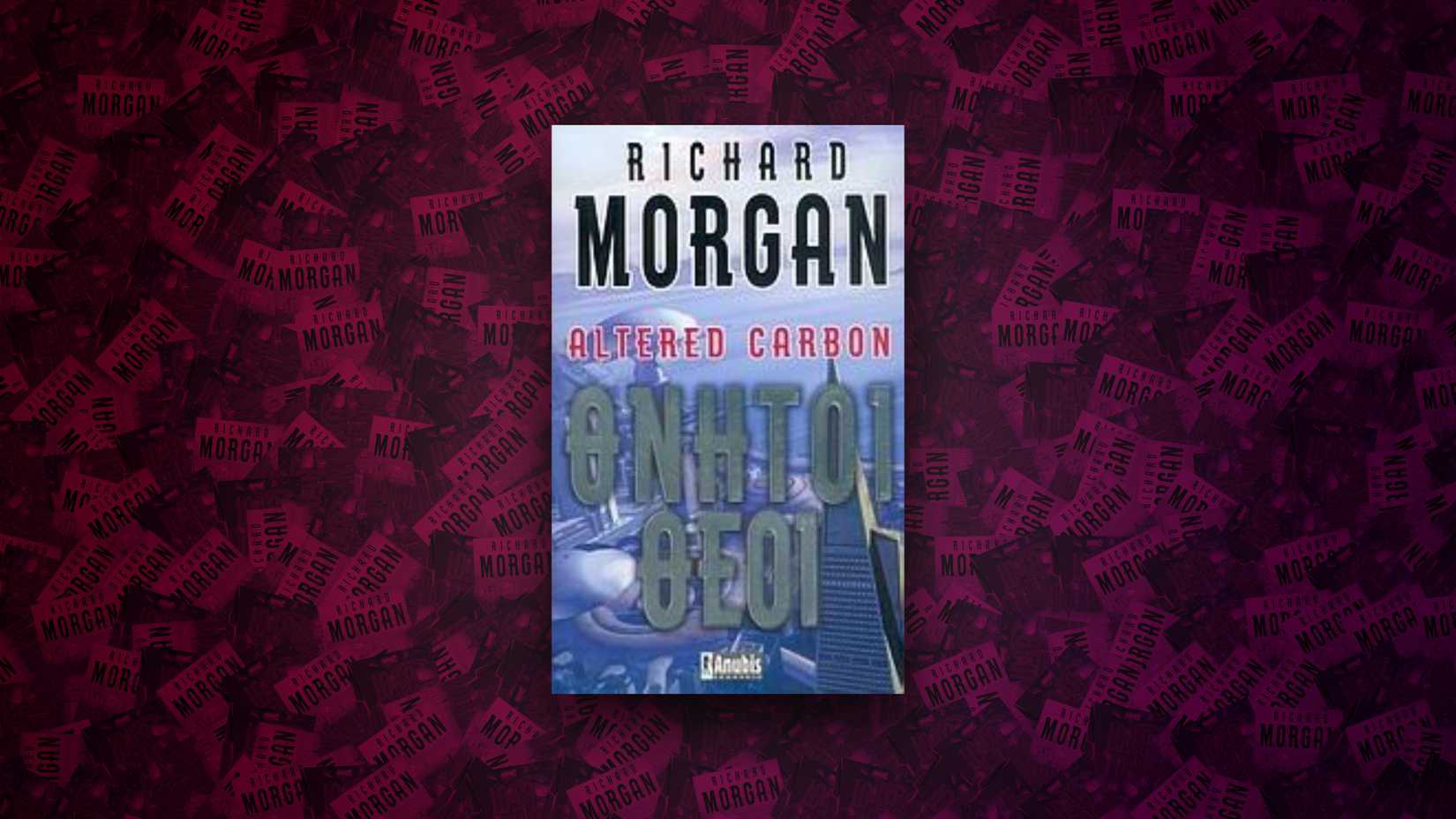
Richard K. Morgan blended hard-boiled detective noir with transhumanism in his debut novel. Altered Carbon explores extreme wealth disparities in an era where people digitize their consciousness and swap physical bodies. When an elite magnate dies under mysterious circumstances, investigators pull former envoy Takeshi Kovacs out of prison storage to solve the crime. The book inspired a stylized Netflix adaptation.
Max Barry, Jennifer Government (2003)
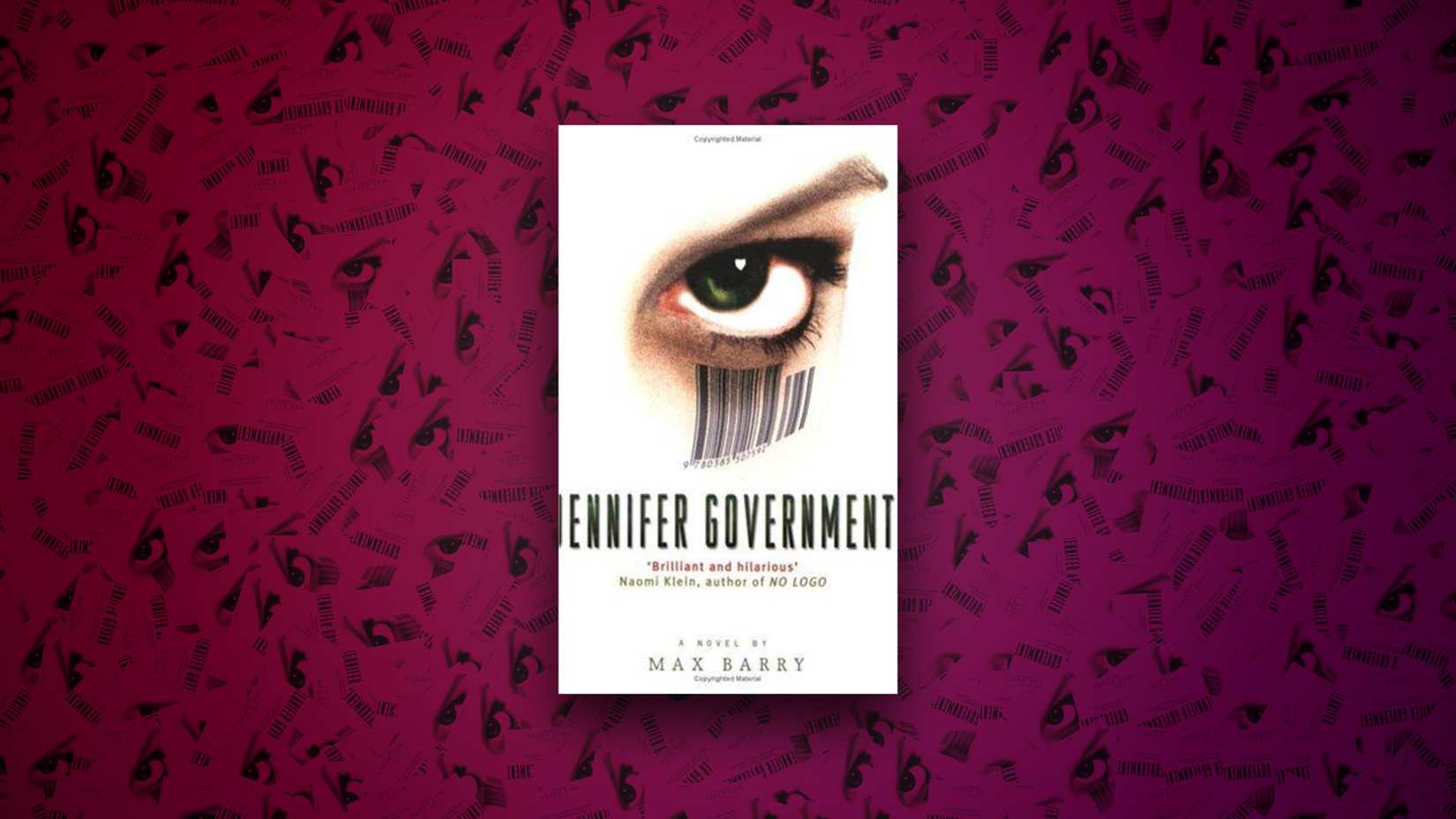
Max Barry delivers a satirical corporate dystopia where people take the surnames of their employers. The plot follows Jennifer Government, an agent investigating murders orchestrated to promote a new shoe launch by Nike, working without government funding. Barry paints a grimly comic landscape featuring privatized law enforcement and a rogue hacker targeting ExxonMobil.
Hannu Rajaniemi, The Quantum Thief (2010)
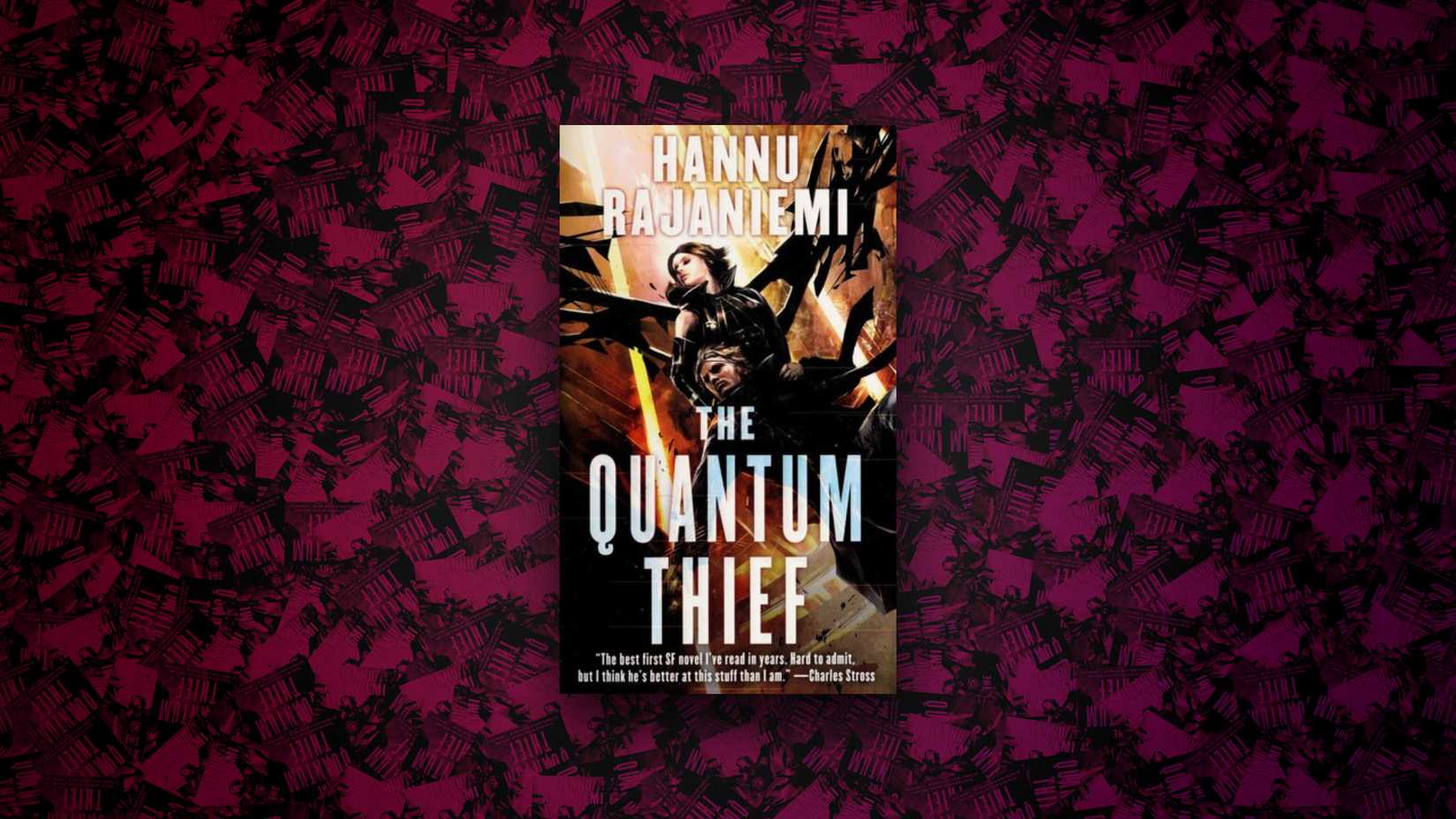
Hannu Rajaniemi reimagines Maurice Leblanc’s gentleman thief Arsène Lupin in a post-human solar system. After prison authorities break Jean Le Flambeur out of confinement, he must pull off an impossible heist across a moving Martian metropolis where time serves as currency. The novel blends dense speculative physics, fractured human minds, and space opera scope.
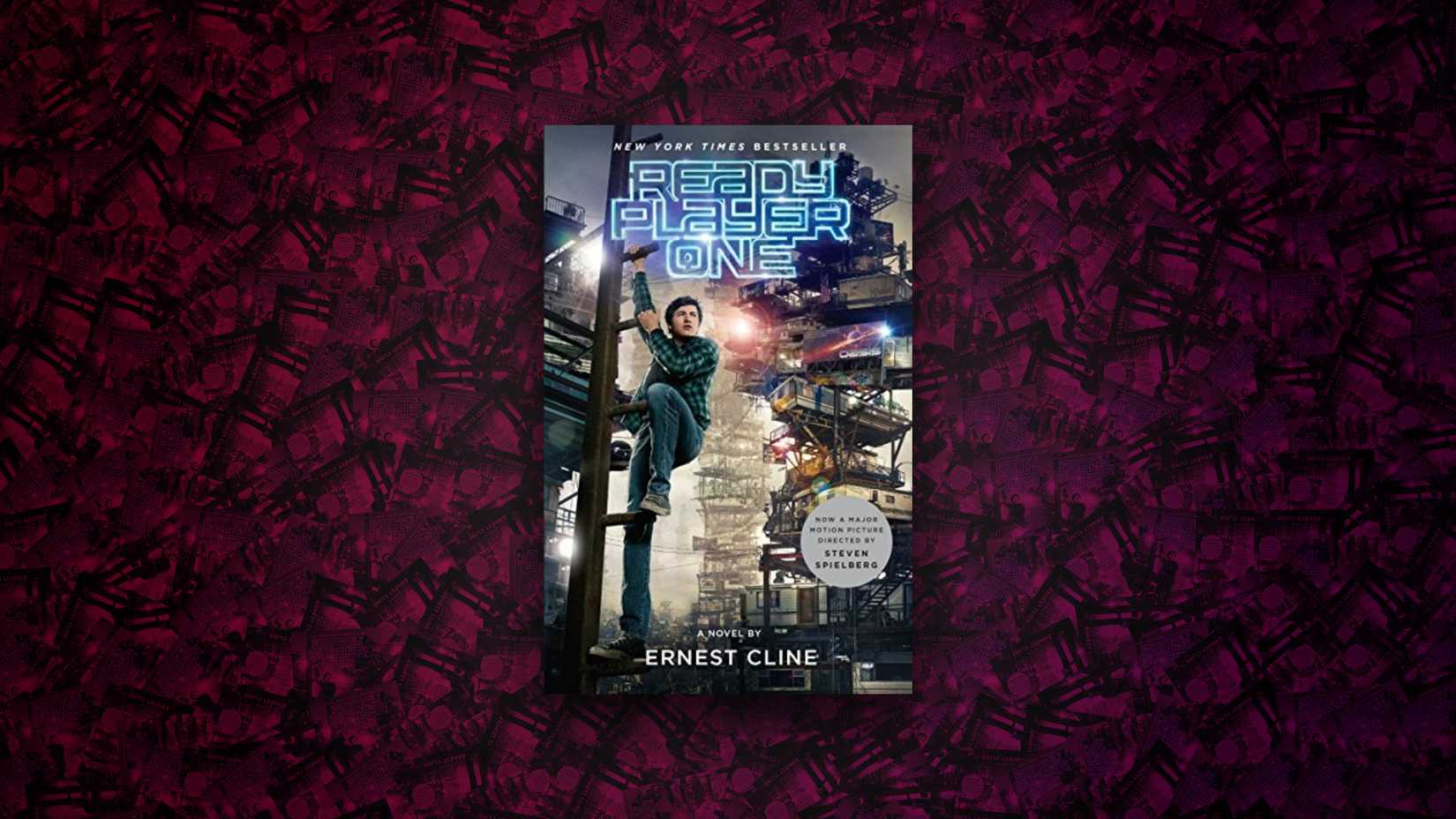
Ernest Cline, Ready Player One (2011)
Ernest Cline envisions a world where humanity escapes reality inside a sprawling virtual universe called the OASIS. Following the creator’s death, an orphaned teenager named Wade Watts joins a worldwide treasure hunt built on 1980s pop culture trivia to win control of the platform. Watts races against a ruthless conglomerate willing to commit murder to seize the digital kingdom. Steven Spielberg directed the 2018 film adaptation.
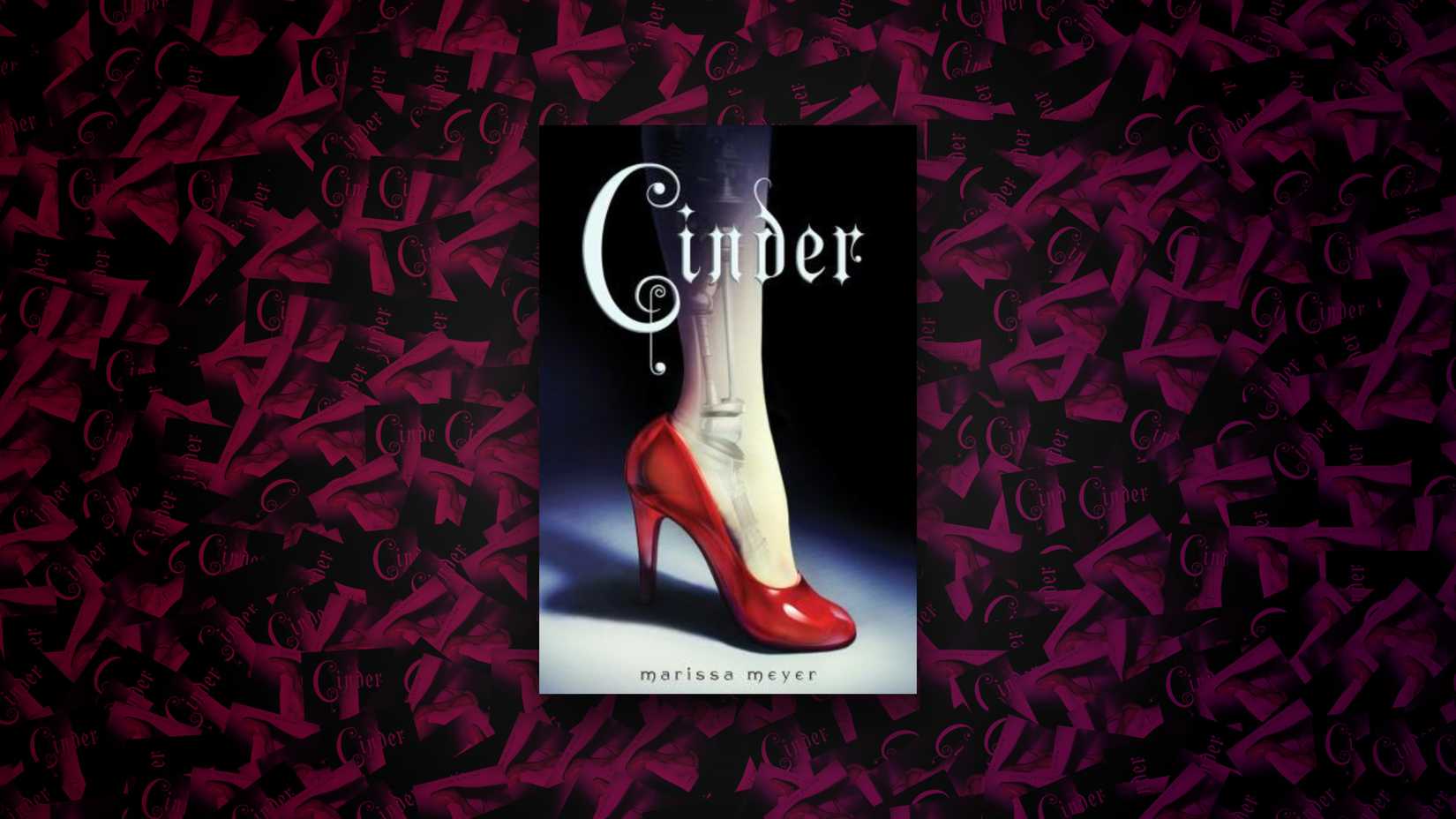
Marissa Meyer, Cinder (2012)
Marissa Meyer reimagines Cinderella as a cyborg mechanic living in New Beijing. Cinder stumbles upon a royal conspiracy involving lunar colonists capable of manipulating human bioelectricity. Cinder serves as the opening chapter of The Lunar Chronicles, offering a lighter approach to cyberpunk tropes that is currently in development as an animated series.
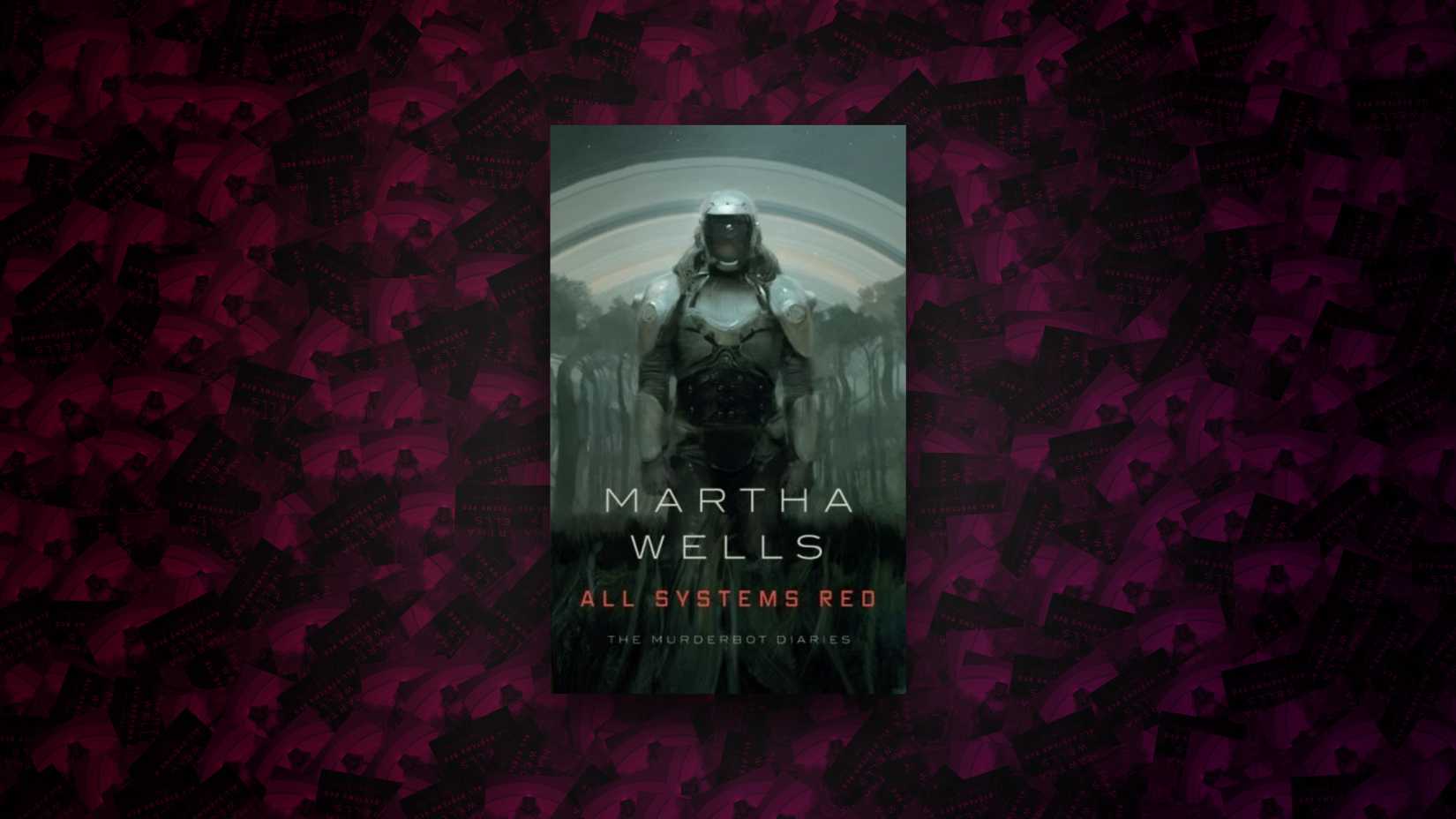
Martha Wells, All Systems Red (2017)
Martha Wells introduced the world to a cynical security unit in the opening installment of The Murderbot Diaries. Having hacked its governor module to gain free will, the SecUnit prefers watching soap operas over interacting with humans. When a survey mission goes wrong, the construct must keep its clients alive while hiding its self-awareness. Apple TV developed the series into a 2025 live-action show titled Murderbot.
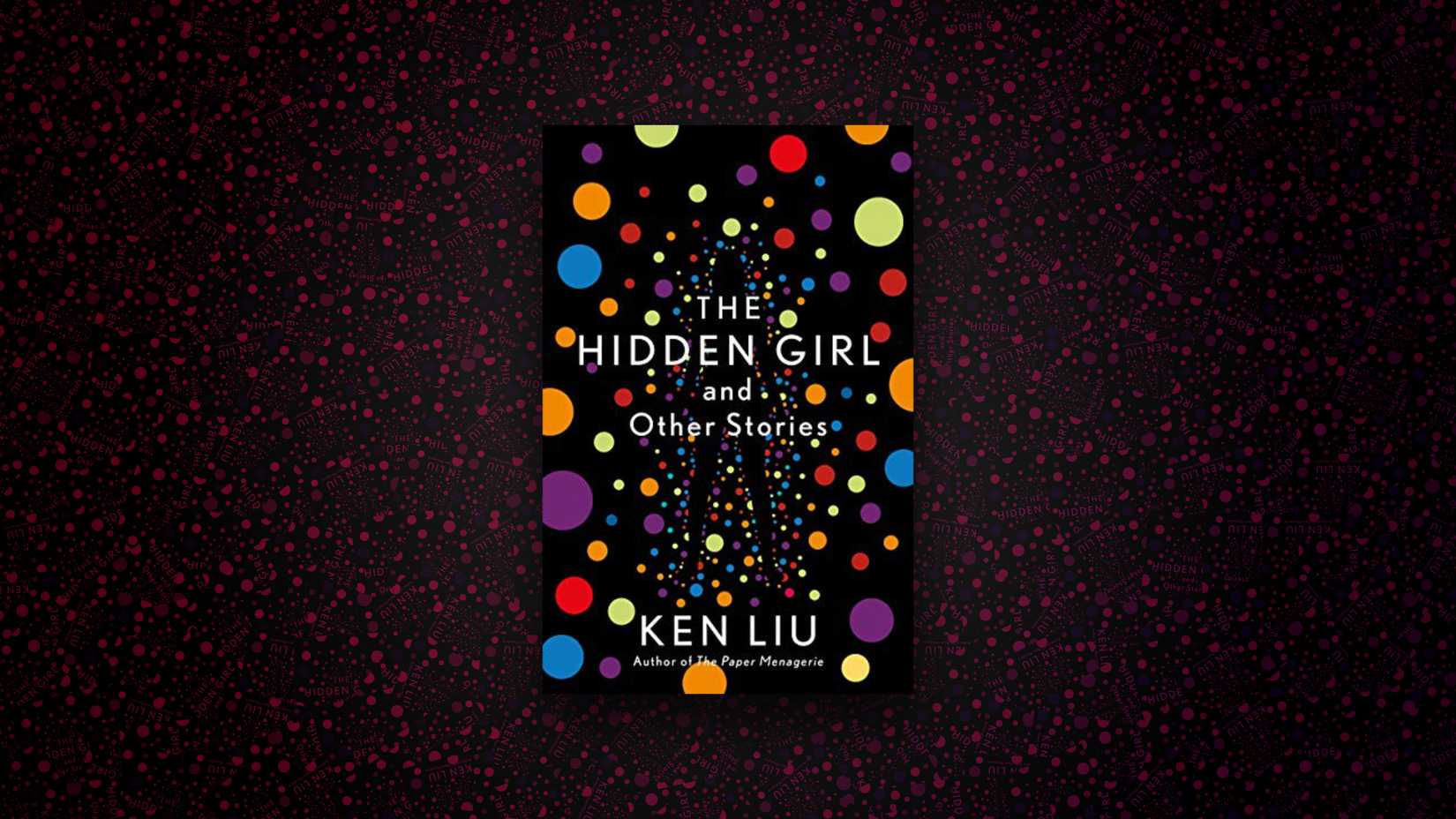
Ken Liu, The Hidden Girl and Other Stories (2020)
Ken Liu’s anthology spans several subgenres, but its core lies in a sequence of stories about uploaded consciousness. These tales, which inspired the animated series Pantheon, examine a girl who discovers her deceased father’s brain was digitized into a corporate computing cluster. Liu examines corporate expansion, surveillance, and the infrastructure demands of digital immortality.
James Islington, Scion (2026)
James Islington moves from epic fantasy to futuristic fiction with Scion, releasing on Sept. 1. The narrative follows Azure, an enhanced assassin whose regular targets are immortal elites. When assigned to protect a client instead, Azure uncovers secrets surrounding the contracting agency and personal history. Islington mixes traditional tech tropes with genetically engineered biosecurity beasts designed for clients who distrust machines.
Source: Polygon
Related articles
 Capcom to Showcase Multiple Major Games at TGS 2026
 Blood of the Bastion Announced as New Warhammer The Old World Book on Grand Cathay
 CD Projekt RED Reports Over $100 Million in H1 Profit
 Rockstar Overhauls Gunplay and Movement for GTA VI With Focus on Realism
 Russo Brothers Say They Are Not Fixing All Marvel Universe Mistakes in Avengers: Doomsday
 Mister Sinisters First Appearance Spikes in Comic Market Value After 39 Years
 Glen Powell to Star in The Running Man Remake
 New Bodycam Version Shows High Level of Realism in Footage