
Why the New Pokémon Left Critics Stunned
Patch Notes is our weekly digest curated by the Polygon team, delivered to your inbox every Friday and available online every Sunday. Subscribe here to stay in the loop.
The gaming industry exists in a state of perpetual flux. While one live-service experiment falters—the developers of the briefly celebrated Highguard recently announced they are shuttering the project—a new contender emerges to claim the spotlight. Bungie’s Marathon has arrived, and it is remarkably polished. Elsewhere, leadership transitions at Microsoft Gaming have ushered in a new era of hardware development under fresh executive guidance. In this landscape, someone is always willing to take a calculated risk on the next big thing.
Amidst this constant churn, however, certain fixtures remain immovable. Pokémon is the quintessential example. Long ago dismissed as a transient fad, it has transformed into a cultural juggernaut—an eternal constant that provides nostalgia for adults and discovery for children. It serves as a communal sanctuary, as reliable and comfortable as a giant Snorlax rug. Having crossed the 30-year milestone, Pokémon feels less like a product and more like a permanent fixture of our collective reality.
Why, then, is there such a sense of astonishment surrounding the quality of the latest release? Pokémon Pokopia, a serene life-simulation spin-off focused on establishing a Pokémon society in a world reclaimed by nature, debuted on the Nintendo Switch 2 this week to rave reviews. The game is undeniably enchanting, but the low bar of initial expectations warrants further scrutiny.
The reality is that Pokémon’s technical execution has historically lagged behind Nintendo’s flagship titles like Mario or Zelda. The core RPGs often feel constrained by their own traditions, and recent attempts at modernization have been hampered by performance issues. Spin-offs have typically fared even worse, often settling for mediocrity. Yet, here is Pokopia, climbing the ranks of the highest-rated Pokémon titles on Metacritic. What changed?
The answer lies in the pedigree of its creators: Pokopia was developed by the Omega Force team at Koei Tecmo, the same minds behind the exceptional Dragon Quest Builders 2. They have once again demonstrated their mastery of the “builder” genre, seamlessly blending creative freedom with the established identity of a legendary franchise. With Pokopia, they haven’t just placed Pokémon in a sandbox; they have re-engineered the sandbox to suit the Pokémon.
Perhaps our collective surprise stems from how we view the series—as a relic of childhood that we revere but don’t necessarily respect as high-quality software. We don’t often look to Pokémon for profound satisfaction in our adult lives. Fortunately, Omega Force did. —Oli Welsh
Pokopia captures Pokémon’s environmental spirit in a charming new light

Giovanni Colantonio explores a world where you must restore the planet, one structure at a time.
Mastering your island: 10 essential tips for Pokémon Pokopia

Diving into the game this weekend? Polygon’s Julia Lee shares some vital advice: stealing is a viable strategy, and always inspect unusual rock formations.
The Definitive Ranking: The 100 Greatest Pokémon

You won’t believe where Pikachu landed on our list.
Additional Highlights:

- Shelf Quest: Matthew Lillard’s Gaming Odyssey: In our debut video series, we visit a legendary New York game shop with our favorite creators to discuss the titles that shaped them.
- Emulate Leon Kennedy’s Style: Jen Glennon breaks down how to find the perfect shearling jacket to match the Resident Evil icon, regardless of your budget.
- Fringe’s Must-Watch Episodes: Sam Nelson curates a guide to the most mind-bending standalone stories from the cult sci-fi classic, currently available for free on Pluto.
- Vince Gilligan on The Lone Gunmen: The Breaking Bad mastermind revisits his X-Files spin-off and discusses why the characters remain relevant today.
- Reviewing ‘The Bride!’: Tasha Robinson examines Maggie Gyllenhaal’s visceral and frenetic reimagining of the classic Frankenstein mythos.
Source: Polygon
Related articles
 Quiet Express: Cabin 909 Is a Blue Prince-Style Mystery About a Train That Crashes Every 7 Days
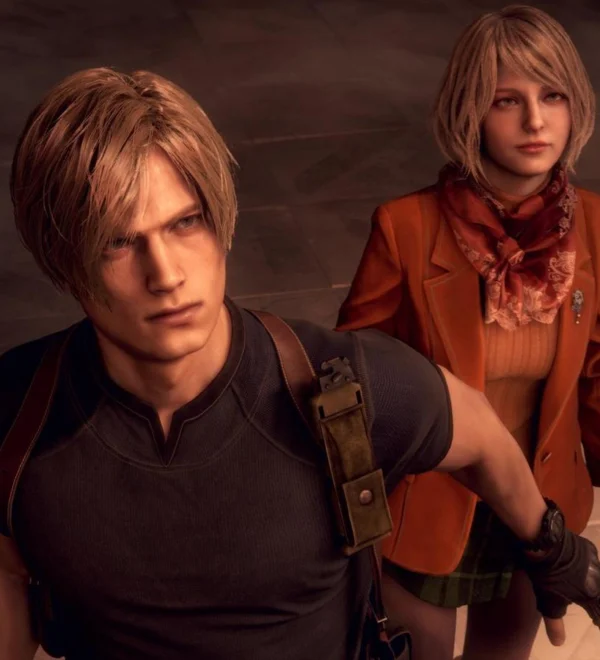 Three Resident Evil Remakes Launch on Switch 2
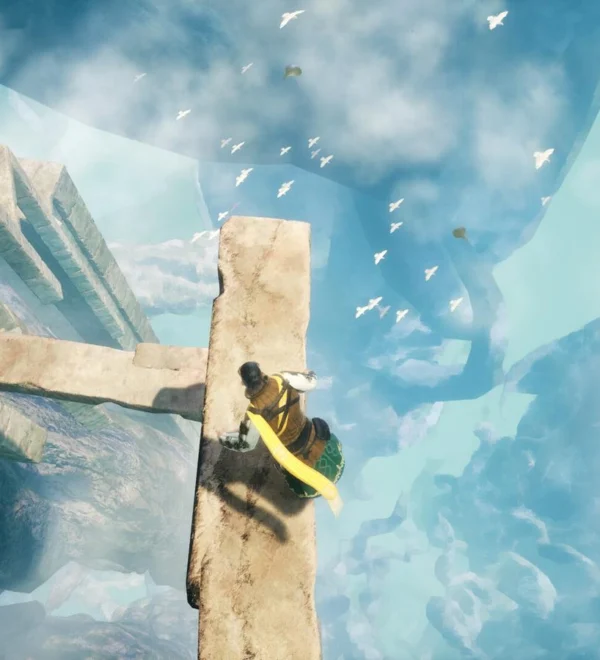 Leap of Faith in a Ruined World: Where the Seeds Fall Demo Is Out
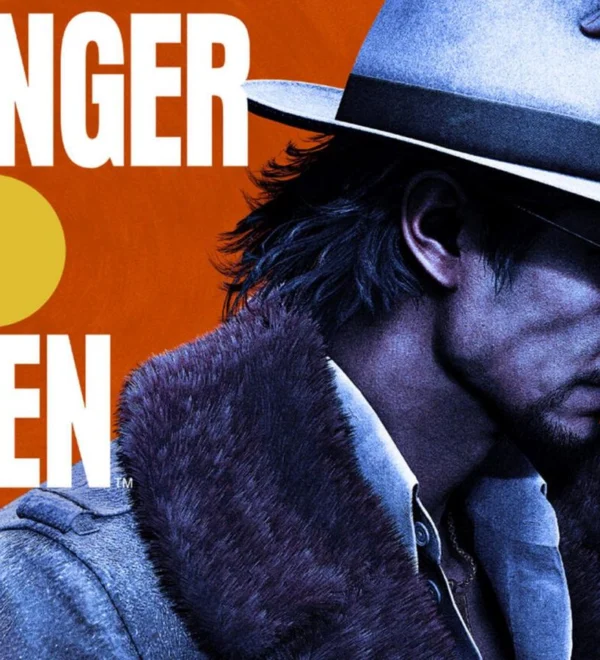 Stranger Than Heaven Opening Act Trailer Shows Snoop Dogg’s Orpheus Captaining Ship in 1915
 Doug Cockle, Geralt’s game voice actor, initially mistook Henry Cavill’s invite for a scam, per an interview with Ginx TV (Cockle’s own account). Final headline: Witcher Game Voice Actor Doug Cockle Initially Mistook Henry Cavill’s Premiere Invite for a Scam
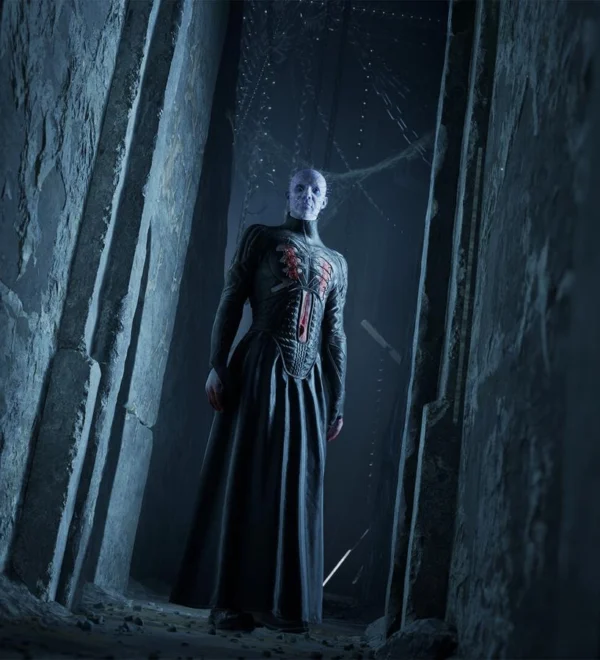 Hellraiser Creator Hints at New Projects After Hellraiser: Revival Success
 Final Trailer Released for Bleach: Thousand-Year Blood War – The Calamity Anime
 Robert De Niro’s Best Gangster Movie Quote From Goodfellas Endures 36 Years Later