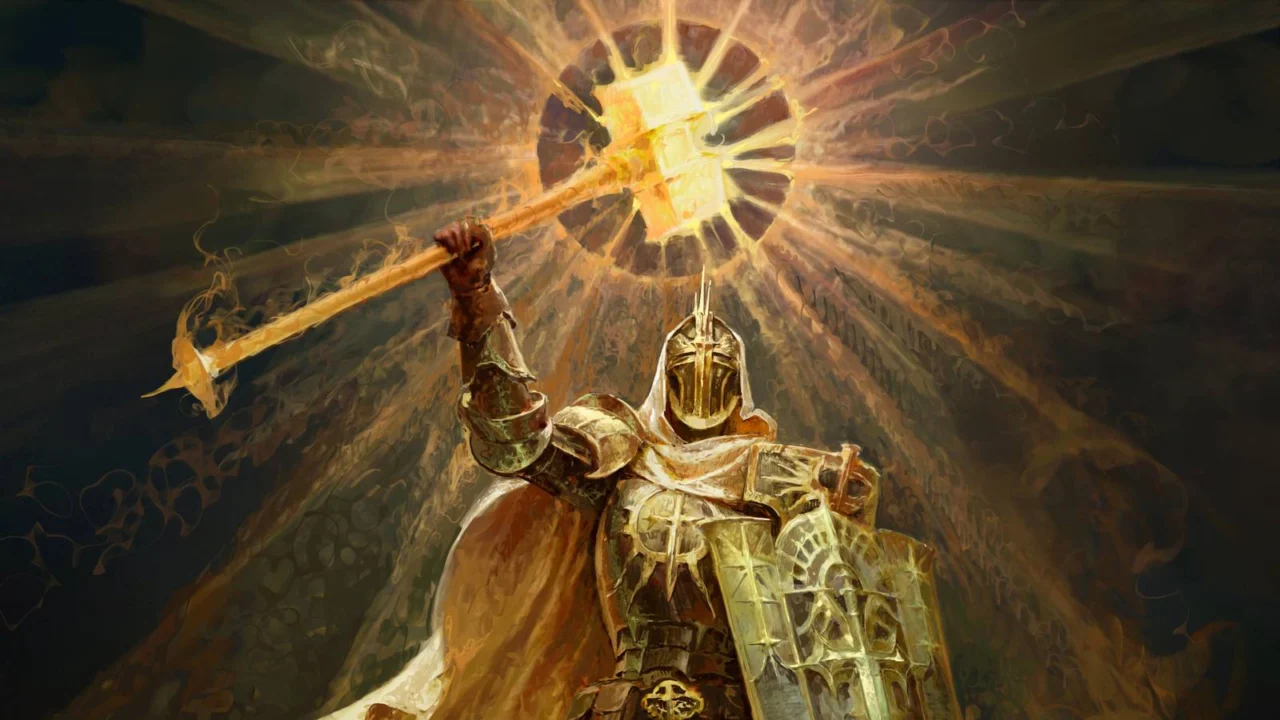
Why Is Blizzard Thriving Despite Xbox’s Struggles?
The gaming sector finds itself in a grim climate, casting a particularly heavy shadow over the Xbox division. Team members who managed to weather the sweeping wave of 1,600 layoffs across Xbox earlier this July now face the looming anxiety of wondering if the next round of cuts will target them. This palpable unease extends directly to the workforce at Blizzard Entertainment. Even prior to this, Blizzard weathered a tumultuous half-decade, navigating the turbulent aftermath of a California state workplace lawsuit, a predictable exodus of veteran leadership, and severe stumbles with major tentpole titles like World of Warcraft and Overwatch.
Yet, amidst this gloomy backdrop, fortunes appear to be turning around for Blizzard. In a recent internal memo penned by company president Johanna Faries—which inevitably found its way into the hands of Windows Central—it was revealed that Blizzard closed out its 2025–2026 fiscal year standing tall as the top-performing studio under the Xbox umbrella. The company recorded its third-highest revenue in history, marking two consecutive years of financial expansion for the first time in nearly ten years.
This stellar performance places Blizzard ahead of its former corporate sibling, Activision, whose flagship franchise Call of Duty suffered a lackluster year. It may even outpace Minecraft creator Mojang in revenue terms, though whether Mojang still falls under Faries’ definition of the primary Xbox studio division remains debatable, given that Xbox CEO Asha Sharma recently restructured Mojang to report directly to her. Regardless, securing the runner-up spot behind the architects of history’s best-selling game is no small feat.
 Image: Blizzard Entertainment
It is a rare query in the modern gaming landscape to ask what is actually going right. Leading up to the close of its fiscal year in June, Blizzard maintained a remarkably brisk schedule. February brought the rebranding of Overwatch 2 back to simply Overwatch, alongside a delightful surprise for the Diablo faithful with the shadow-drop of the first Diablo 2 expansion in a quarter-century. March saw the launch of Midnight, a major World of Warcraft expansion that finally introduced player housing to the legendary MMO. This was followed swiftly in April by Lord of Hatred, the second expansion for Diablo 4.
To outsiders, this may sound like standard DLC rollout chatter. To an extent, that is true. However, even among live-service developers, Blizzard treats expansions with substantial heft, pricing them accordingly. For all practical intents and purposes, Midnight and Lord of Hatred function as full-fledged game releases. In short, it has been a monumental year.
More significant than this flurry of activity—which could easily be dismissed as good scheduling fortune—is that every single release resonated well with the public. Following years of controversy and community friction, Overwatch enjoys its healthiest state since launch. Diablo 2: Reign of the Warlock proved to be a massive public relations triumph. Midnight successfully sustained an era of consistent, high-grade updates paired with robust player retention for WoW. Meanwhile, Lord of Hatred garnered a much warmer reception than its predecessor, Vessel of Hatred, largely due to a noticeable leap in quality. Faries highlighted Overwatch and Diablo 4 as primary profit drivers for the fiscal year, proving the studio has successfully molded its newer titles into reliable, long-term live-service pillars capable of standing shoulder-to-shoulder with WoW.
 Image: Blizzard Entertainment
Across the board, Blizzard seems more deeply aligned with consumer desires—and its own historically high standards—than it has been in years. Even from a journalistic standpoint, the polished, comprehensive PR support behind all four rollouts recalled the gold standard of Blizzard’s late-2000s heyday. Things are simply clicking into place.
Blizzard has been methodically working toward this inflection point. As Faries noted, this marks the company’s second consecutive year of financial growth, following a previous term that also featured major expansions for Diablo 4 and World of Warcraft. Maintaining such a breakneck cadence is grueling, yet quality has scaled alongside output. Can the developer sustain this momentum? We will get a clearer picture next month when BlizzCon returns from a three-year hiatus. Expectations point toward the unveiling of an entirely new StarCraft project, alongside updates for Diablo, Overwatch, and Warcraft. Planners face a delicate balancing act; the studio has historically overextended itself, leading to punishing delays and canceled initiatives.
Even so, hearing about a major game developer enjoying prosperity and clear skies in 2026 feels both reassuring and slightly surreal. Given how poorly most Microsoft studio acquisitions have fared under corporate stewardship, Blizzard stands out as a clear exception. It may simply be that the corporate culture under the tech giant accommodates Blizzard better than its previous homes. Blizzard has answered to multiple owners over the years, yet has always functioned best as an autonomous, self-publishing entity, having suffered its darkest era under the suffocating micro-management of Bobby Kotick’s Activision regime. Perhaps Microsoft has proven wise enough to afford them the breathing room required to excel.
If only that corporate grace could extend to sparing Blizzard from impending layoffs in light of its stellar financial output—an outcome that remains tragically unlikely. Nevertheless, Blizzard is well-positioned to remain the crown jewel of Xbox for the foreseeable future. As Sharma emphasizes a renewed focus on core, heavyweight franchises, Blizzard continues to do what it has always done best: build massive worlds designed to endure.
Related articles
 Cosplayers Depict Sisters of Battle From Warhammer 40000
 The Game Awards 2026 Date Announced
 Metal Gear Solid 4 Trophy List Leaks for Master Collection Vol. 2
 Marvel Faces Challenges Casting X-Men Ahead of Potential D23 Presentation
 Aliens: Fireteam Elite 2 Medic Class Details and Abilities Revealed
 Big Walk Sells One Million Copies in Six Days
 X-Men ’97 Renewed for Season 3 Ahead of Release
 Wo Long 2 Will Feature Wall-Running and New Combat Mechanic Instead of Parrying