
Tron’s Box-Office Flop Exposes a Bigger Problem of Disney’s Own Making

Once again, Disney has invested heavily—both in production and promotion—on a film bearing the Tron name, hoping to ignite a franchise, only to see it fail to gain traction at the box office. Tron: Ares, the latest entry in the sporadic series, looks even less likely to spawn a follow-up than either the original 1982 release or 2010’s Tron: Legacy. The films are often visually arresting and sonically ambitious, and they reliably satisfy a segment of sci‑fi fans. But as a symbol of Disney’s uneven track record in live-action filmmaking, they are telling.
When the first Tron debuted in 1982, Disney was navigating a difficult era for both its animation and live-action divisions. The studio’s animated output struggled, and several live-action experiments—aimed at competing with the blockbuster model popularized by the likes of Star Wars—didn’t deliver the kind of cultural dominance the company sought. To broaden its reach the studio eventually launched Touchstone Pictures, which allowed Disney to pursue different tones and audiences without directly stretching the Disney family brand.
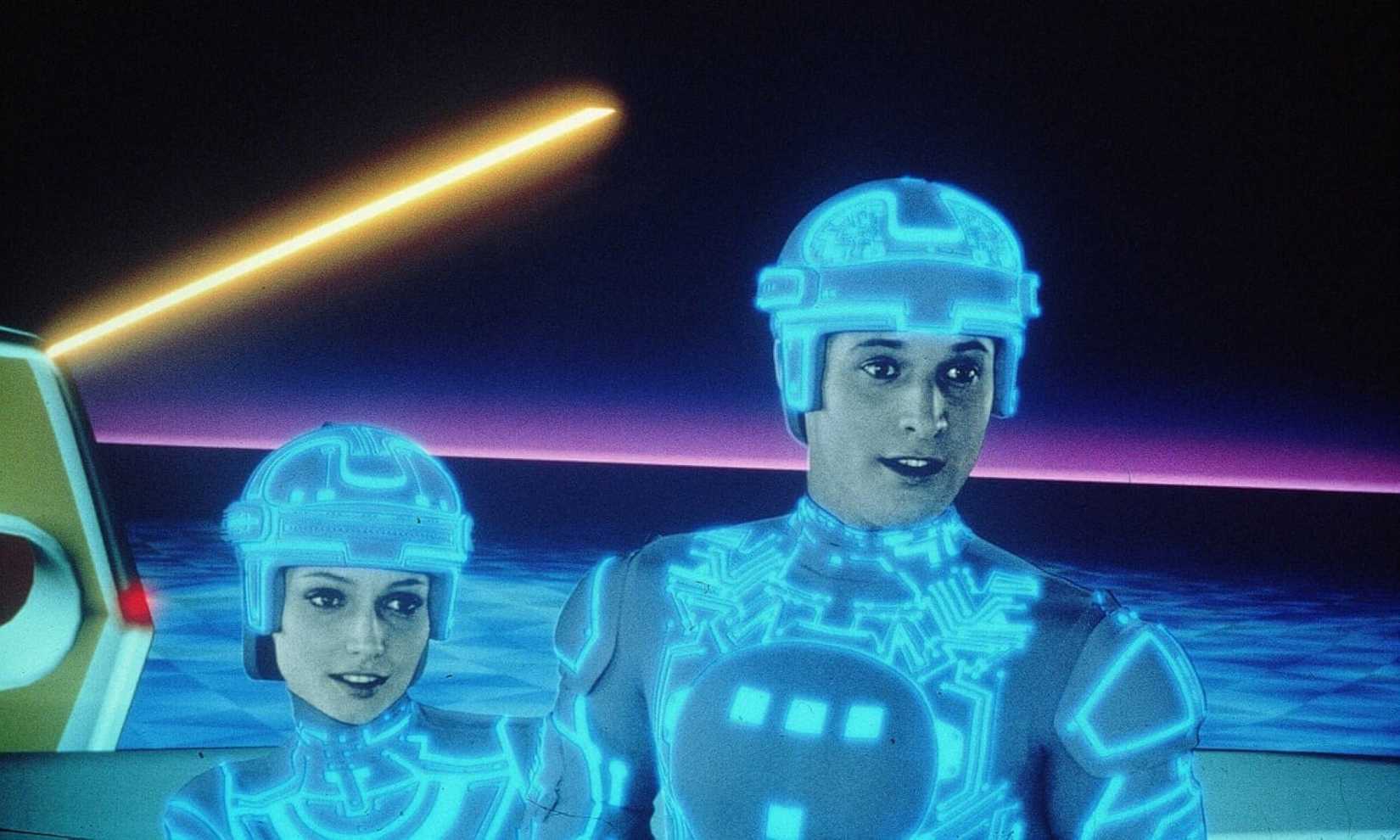
Tron eventually found a devoted audience—the iconic lightcycles helped cement its cult status—and that cult enthusiasm prompted Disney to revisit the property decades later. By 2010 the company’s fortunes in animation were far healthier: Pixar’s success and stronger in‑house output gave Disney more flexibility. Meanwhile, live-action tentpoles such as the Pirates of the Caribbean series, spearheaded by producer Jerry Bruckheimer, demonstrated Disney could still carry large-scale spectacles under its own banner. Films like National Treasure likewise signaled a renewed appetite for star-driven adventure fare.
The early 2010s represented a period of experimentation for Disney’s live-action slate—an attempt to blend established auteurs with family-friendly, broadly appealing material. Tim Burton reimagined Alice in Wonderland, Andrew Stanton took on the sprawling John Carter, Gore Verbinski and Johnny Depp reunited for The Lone Ranger, Sam Raimi tackled Oz the Great and Powerful, and Joseph Kosinski directed the visually ambitious Tron: Legacy. The results were mixed: a few box-office hits, several high-profile disappointments, and plenty of creative ambition.
While some projects fared well, others flopped or underperformed relative to their budgets. Tron: Legacy landed somewhere in the middle—commercially respectable but costly enough to discourage a rapid franchise expansion. As Disney recalibrated its priorities, an industry trend toward reliable brand extensions and remakes grew stronger, and riskier, standalone experiments became rarer.

Tron: Ares now reads like a vestige from that more adventurous chapter. Joachim Rønning—who has worked on franchise installments and mid‑budget prestige pictures—directs with visual flair, yet the film arrived into an environment where Disney increasingly favors proven IP and remakes. Rønning’s varied assignments, from pirate adventures to fantasy sequels to intimate period dramas, illustrate how the studio’s shifting priorities can make it hard to place directors whose tastes don’t always align with brand-safe formulas.
Perhaps Tron has always occupied a niche too narrow for mainstream crowds, or maybe its revivals have simply come at awkward moments for the studio. The 2010 revival showed that nostalgia and spectacle could draw audiences back, but it didn’t guarantee a sustained franchise. Over time, Disney’s strategy shifted toward both acquisitions—Marvel and Lucasfilm—and recycling familiar animated properties into live-action forms. Those choices prioritized predictability over novelty, encouraging a climate in which new or mid-tier legacy properties struggle to thrive.
For all their flaws and uneven commercial outcomes, the live-action experiments of the 2010s displayed genuine creative energy. Films like Alice in Wonderland, Oz, and The Lone Ranger attempted bold reinterpretations; even when they failed financially, they often retained distinctive directorial voices and striking imagery—qualities largely missing from many of the later straightforward remakes. That visual ambition persists across the three Tron films, even as Disney’s broader appetite for risky, original live-action fare has diminished.

Ultimately, Disney’s habit of retreating to well-worn properties has narrowed the space available for mid‑tier revivals like Tron. Audiences have been trained to expect iterations of familiar hits, making it harder for less universally adored worlds to regain momentum. That context helps explain why a film like Tron: Ares, which combines technical polish with a narrower fanbase, struggles to justify further sequels.
There’s an ironic resonance in the saga: each Tron film depicts entities fighting to transcend their programming and adapt to change, while Disney itself seems locked between innovation and formula. The newest entry attempts an escape from that cycle, but for now, it’s emblematic of a studio still negotiating how to balance spectacle, originality, and reliable brand value.
Source: Polygon
Related articles
 Nolan’s “Oppenheimer” Surpasses “Spider-Man” at the Box Office
 Natalie Portman Becomes a Mother for the Third Time
 Zach Cregger Will Not Direct Franchises After “Resident Evil”
 The Rolling Stones to Receive a Biopic
 “Spider-Man: Brand New Day” breaks all-time US record
 “Prime Time” starring Robert Pattinson receives critical reviews
 Robert Pattinson Responds to Chris Hansen’s Complaints About the Movie “Primetime”
 Ryan Reynolds’ “Mayday” receives positive reviews from critics