Tim Burton’s Corpse Bride Returns to Streaming
Independent studio Laika is the first name that comes to mind for beautiful, high-quality stop-motion animation. Its hand-crafted puppetry and 3D-printing technology have brought stories to life for years, from Coraline to ParaNorman. Each film leans toward adult themes and gothic undertones while keeping a strong focus on family dynamics. Laika’s most recent film, Travis Knight’s ethereal fantasy Wildwood, follows the same pattern.
Wildwood is a technical and emotional achievement, but you don’t need a local theater to see Laika’s best animated film. Tim Burton‘s 2005 Corpse Bride is streaming on HBO Max right now.
A gothic fairy tale
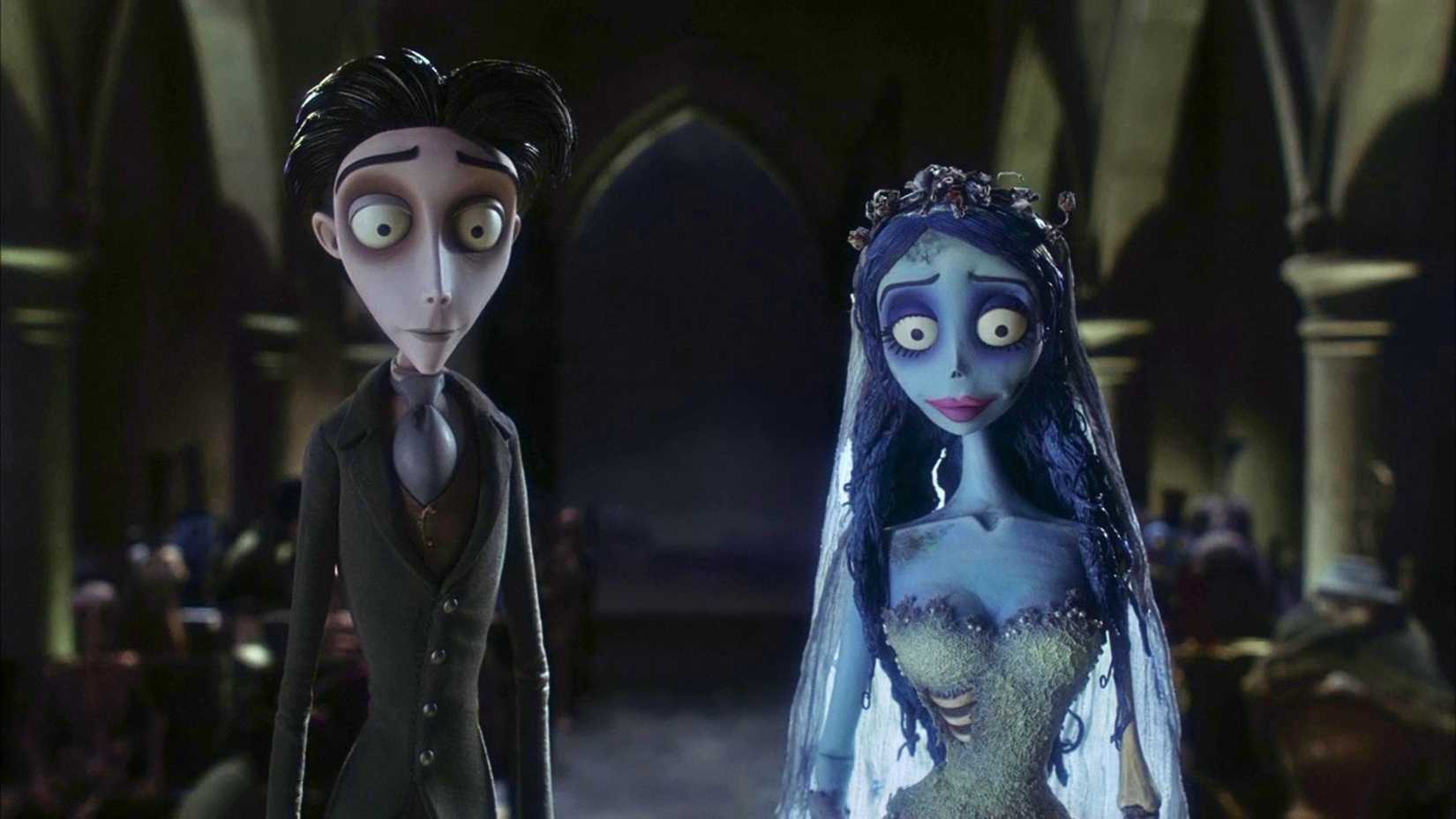
Burton and Mike Johnson directed Corpse Bride. The story follows Victor Van Dort (Johnny Depp), who is set to marry Victoria Everglot (Emily Watson) in an arranged match. After a terrible rehearsal dinner, Victor goes into the woods to practice his vows. He says them aloud without thinking and slips his ring onto what he believes is a tree branch poking out of the ground.
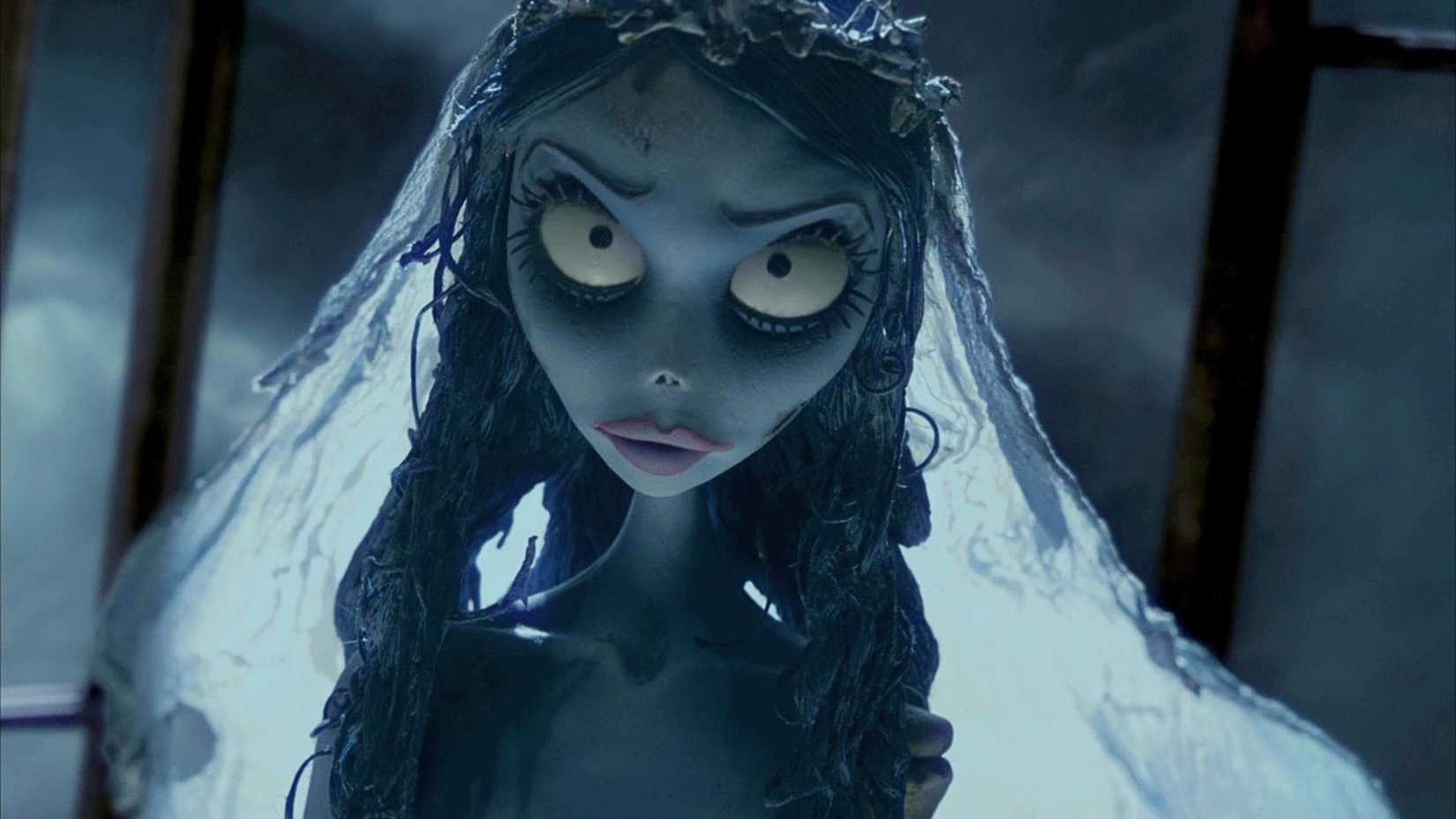
The “branch” is actually the finger of an undead bride named Emily (Helena Bonham Carter), who immediately assumes they’re engaged. Victor is dragged into the land of the dead and meets its inhabitants face to face.
The setup may sound familiar. Burton was open about the film’s source, “The Finger,” a Jewish tale by Howard Schwartz that appears in “Lilith’s Cave: Jewish Tales of the Supernatural.” The story is set in Russia instead of Victorian England, and its young bridegroom makes the same mistake as Victor, putting his wedding ring on a corpse’s finger as he recites his vows.
The endings part ways. The groom in the folktale doesn’t help the undead bride find peace. He takes her to a local rabbi, who annuls the marriage because his wife is dead. The bride falls into a pile of bones, and the groom lives on as if nothing happened. C’est la vie.
Moving from Jewish folktale to mainstream gothic fairy tale brought many changes. Burton’s productions can be macabre and unsettling, yet his endings usually have a sweet quality, bitter or otherwise. Emily found a more peaceful, fulfilling end, and Victor became more empathetic. Even Burton’s most frightening films tend to aim at a family-friendly, universal audience.
“We wanted to make a version that wasn’t so disturbing that you couldn’t put it in a family movie,” said John August, the film’s co-screenwriter, in an interview with Jewish Journal. On the new setting and the shift to non-Jewish characters, August said Burton gravitates toward “universal, fairy-tale qualities in his films.”
A new direction for Burton
Corpse Bride was a first for many of its cast and crew. Burton had already produced stop-motion films, including The Nightmare Before Christmas (1993) and James and the Giant Peach (1996). Corpse Bride was his first stop-motion directing credit. He mostly took a backseat as co-director because he was working on Charlie and the Chocolate Factory at the same time. Johnson described his own approach to directing as more “organic.”
“Tim knew where he wanted the film to go as far as the emotional tone and story points to hit,” Johnson said in an interview with Creative Planet Network. “My job was to work with the crew on a daily basis and get the footage as close as possible to how I thought he wanted it.”
Burton kept exclusive control over storyboards, concepts and scenes. Each one had to be reviewed and approved before Johnson could call it finished. For the bulk of production, though, Johnson was in charge.
Johnson’s role didn’t strip the film of Burton’s style. Burton has never shied away from a macabre, stark aesthetic. Even his less well-received work, such as his Alice in Wonderland adaptations, uses a clear visual divide that makes the contrast appealing. The Red Queen’s castle, for example, looks and feels very different from the Mad Hatter’s tea party.
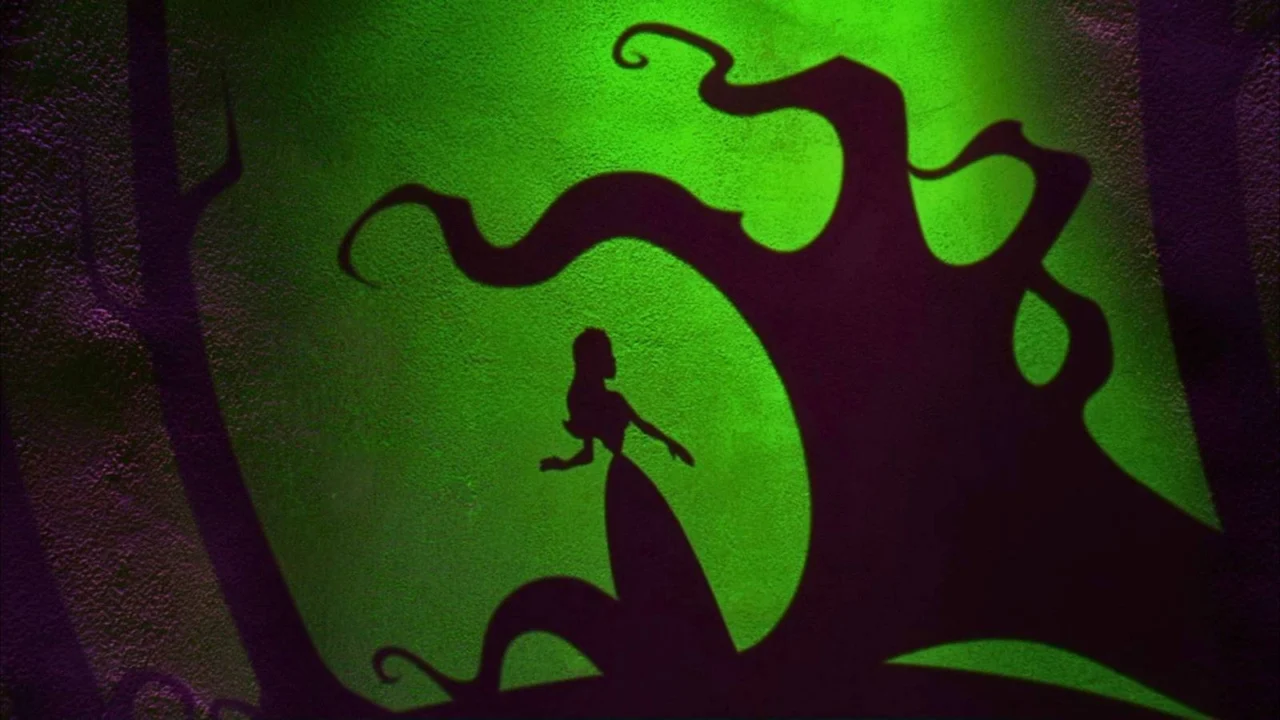
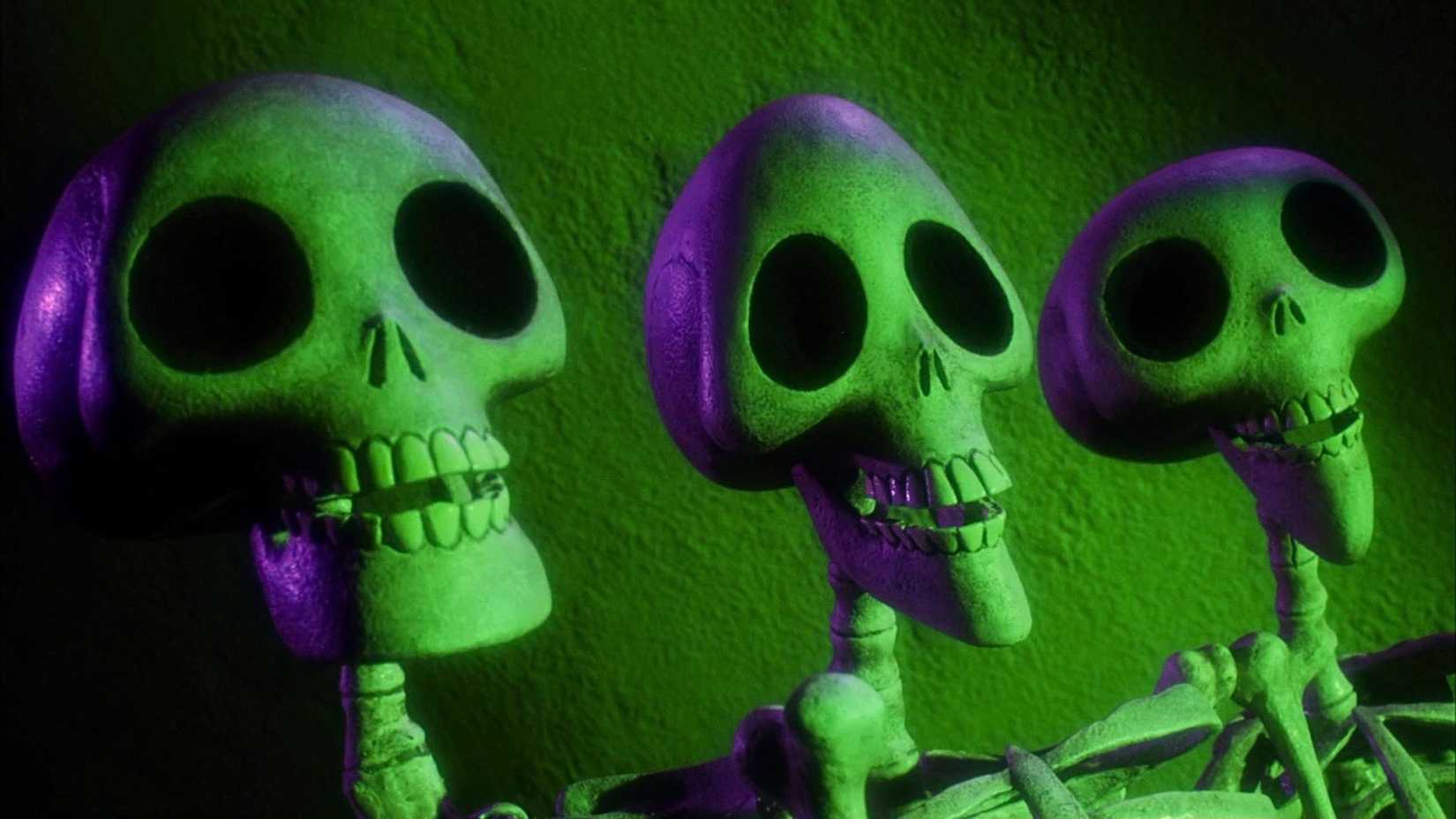
Contrast makes Corpse Bride puzzling at first. The world of the living is steeped in dreary gray and black, and every character looks miserable and worn down. Life begins only in the land of the dead, an explosion of yellow, green, blue and red. The dead have more life and music, and they live as they wish, with the freedom death has granted them.
The film also has a place in Laika’s history. The stop-motion studio co-produced Corpse Bride as its first official project, after Travis Knight, now its CEO and the director of Wildwood, took over what had been Will Vinton Studios. Four years later, Laika released its debut feature, the very Burton-esque Coraline, directed by Henry Selick. The studio then charted its own course as a leading name in stop-motion. Every Laika project since still carries a hint of Burton’s childlike wonder and gothic beauty.
Both Burton and Laika have long made a habit of flipping audiences’ expectations of what they’ll see. More than 20 years on, Corpse Bride remains beloved.
Corpse Bride is available to stream on HBO Max now.
Source: Polygon
Related articles
 Vincent D’Onofrio Denies Rumors of Kingpin’s Return After “Daredevil: Born Again” Finale
 Sandra Hüller Played a Role in Avengers: Doomsday
 Warhammer Team Showcases Golden Demon 2026 Miniature Painting Winners at SPIEL Essen
 Delicious in Dungeon Season 2 Character Illustrations Shown
 Report: Sucker Punch, Developer of Ghost of Yōtei, Hit by Layoffs
 T’Nia Miller Describes Motion Capture Experience Playing Jocasta in ‘VisionQuest’
 Inscryption Developers Announce Mobile Version, Answer Questions About Sequel and Add-Ons
 Aaron Paul Mostly Cut From “Clayface,” Director James Watkins Explains Why