The Legend of Zelda: Ocarina of Time Is—and Always Will Be—the Greatest Game Ever Made
Beyond its gods, spirits, and ancient legends, The Legend of Zelda: Ocarina of Time finds its emotional power in something deeply familiar: growing up and returning to a place that no longer looks quite the way you remember.
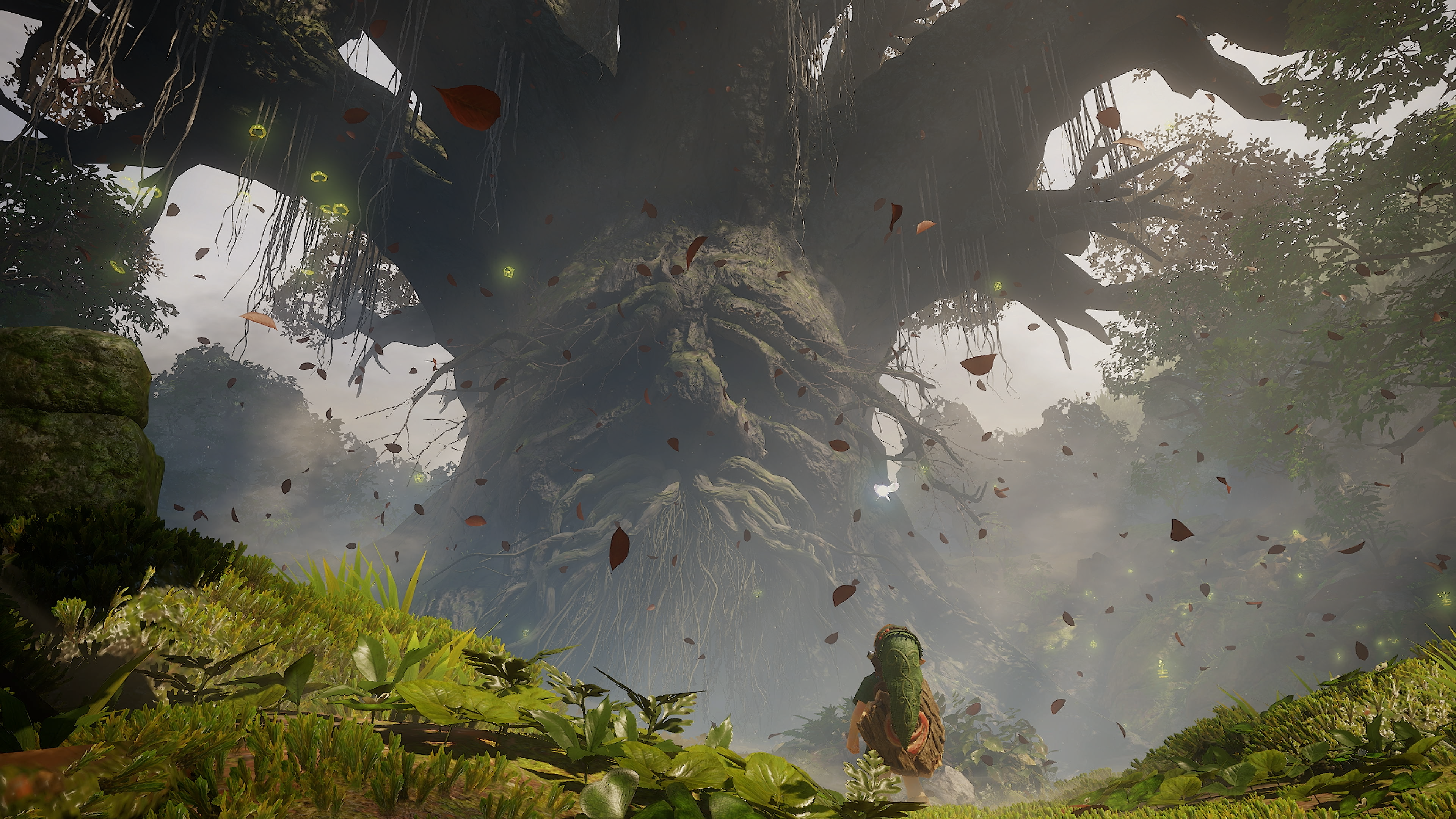
Link discovers just how much can happen in seven years. Political turmoil transforms once-familiar streets, a beloved local character disappears, and an archery range moves into town. Yet beneath the unsettling changes, something recognizable remains. Stand beneath a tree you once played around, and you can still sense the heart of the place you knew.
That tension makes an Ocarina of Time remake both daunting and irresistible. There is something fitting about inviting generations of players back to the wide-open field where they first found their footing. Like a childhood hometown, a game this formative may be worth revisiting throughout life rather than preserving solely as a memory.
Nintendo’s Switch 2 remake makes that return worthwhile. Its refreshed presentation offers a compelling reason to revisit the classic, even if some modern additions may unsettle longtime fans. The scenery has changed, but the spirit that made Hyrule feel like home remains intact.
What’s Different?
The remake balances respect for the original with a new approach to storytelling, and its opening may surprise returning players. The plot follows the same path: young Link meets his fairy companion Navi and sets out across Hyrule to stop Ganondorf. This time, however, storybook narration frames the adventure as a legend being passed from one generation to the next. It is an effective way to emphasize the game’s fairy-tale roots.
The newly voiced dialogue makes a less convincing first impression. Where the original relied largely on text and occasional character sounds, the remake spells out its story in cinematic scenes. An early exchange between Navi and the Deku Tree, Hyrule’s guardian spirit, trades some of the original’s mysterious atmosphere for bright lighting and a high-pitched delivery of exposition. It recalls the challenge Nintendo faces when giving its games a more overtly cinematic treatment: expand the presentation too far, and a game like Star Fox 64 can begin to resemble an animated children’s movie. Given Nintendo’s collaboration with Illumination on Mario, the resemblance is perhaps unsurprising.
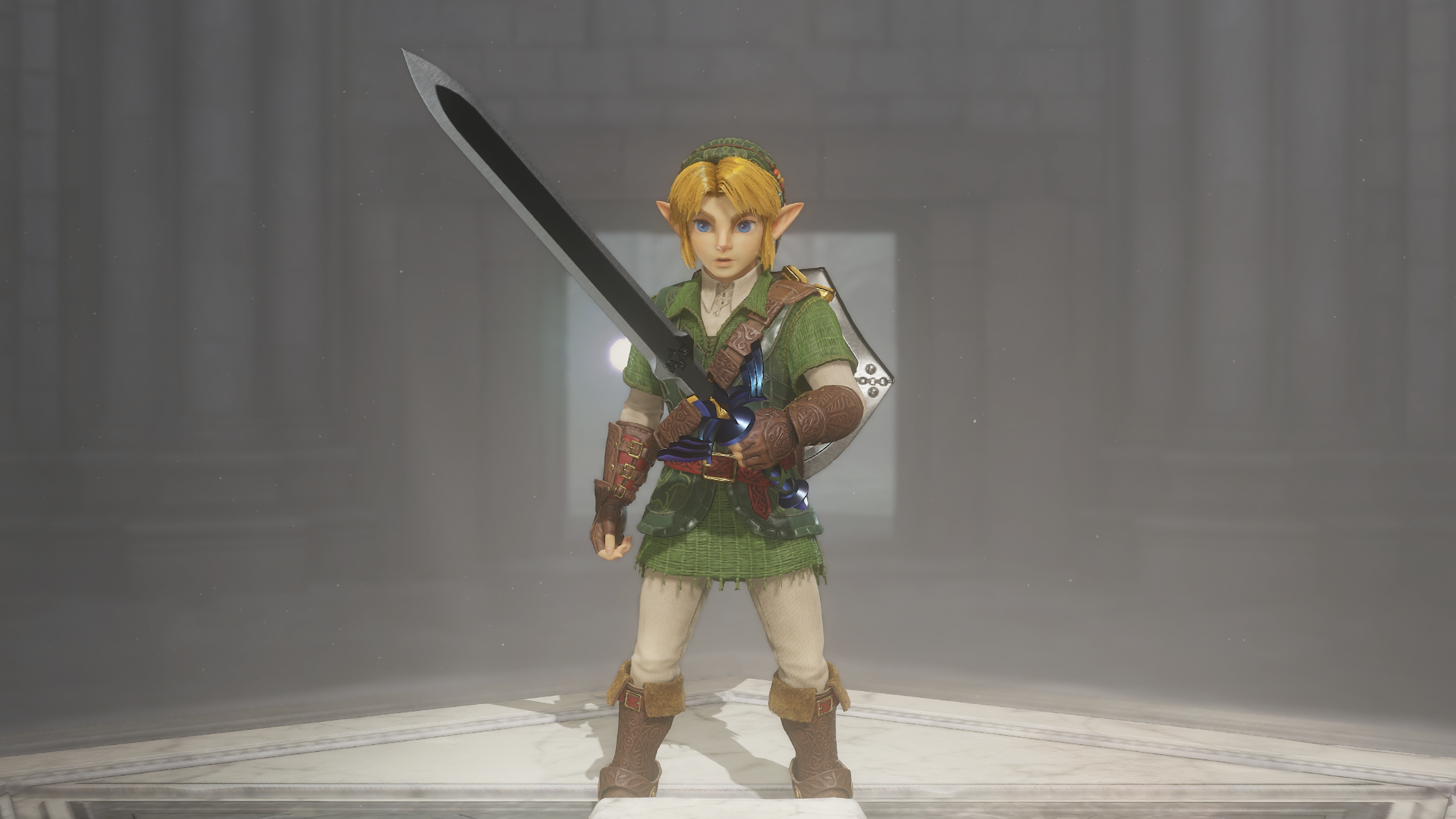
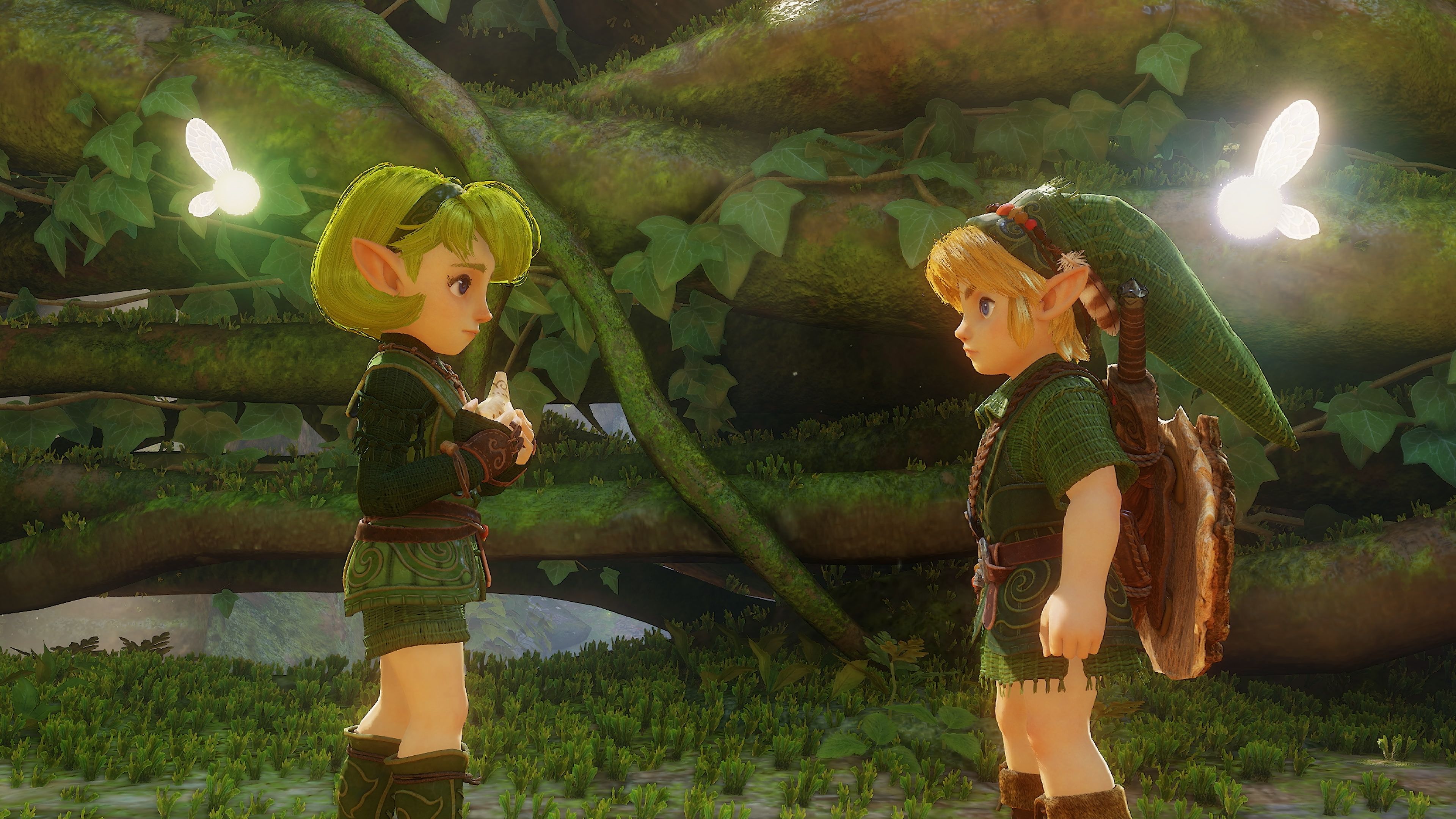
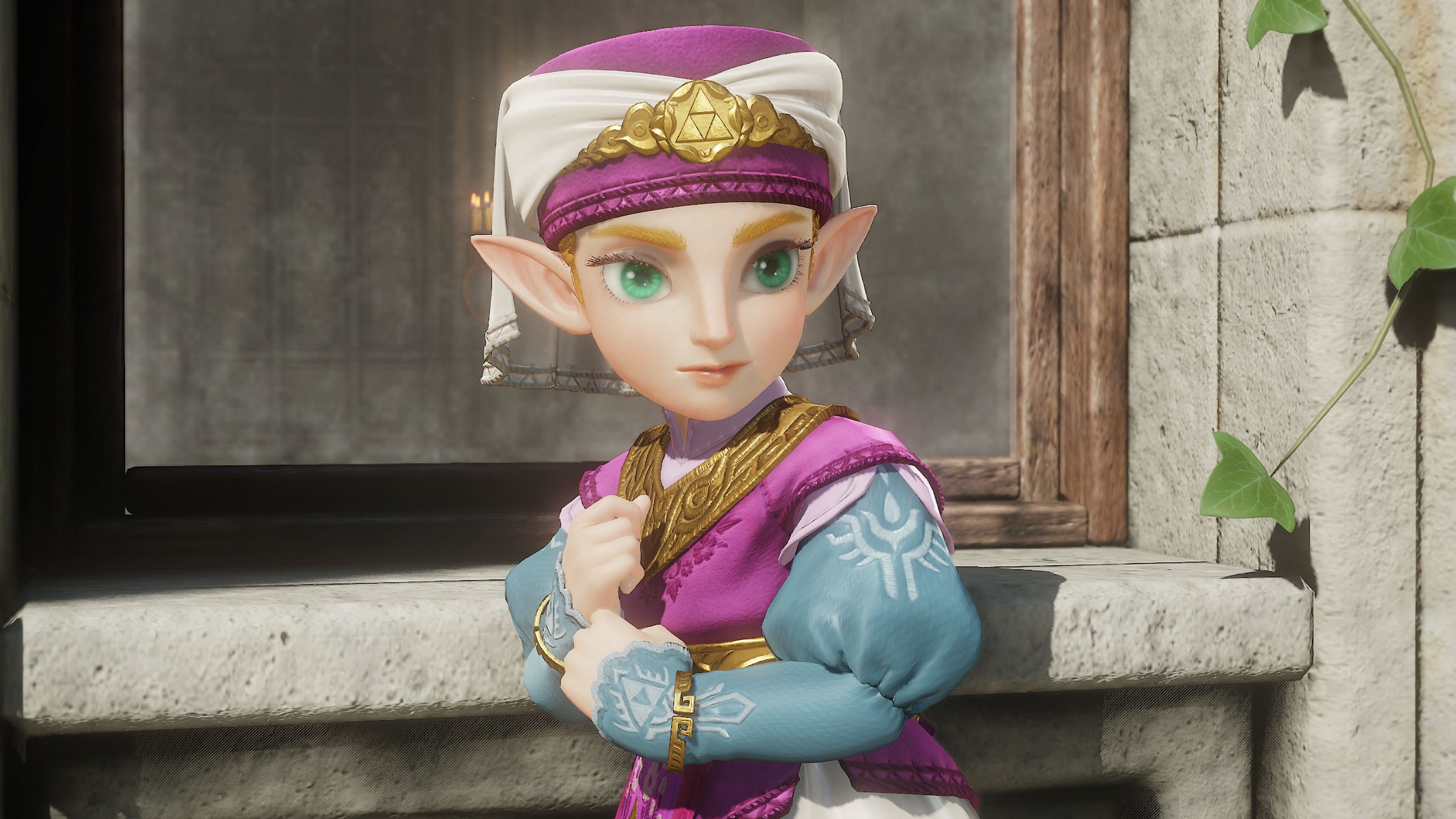
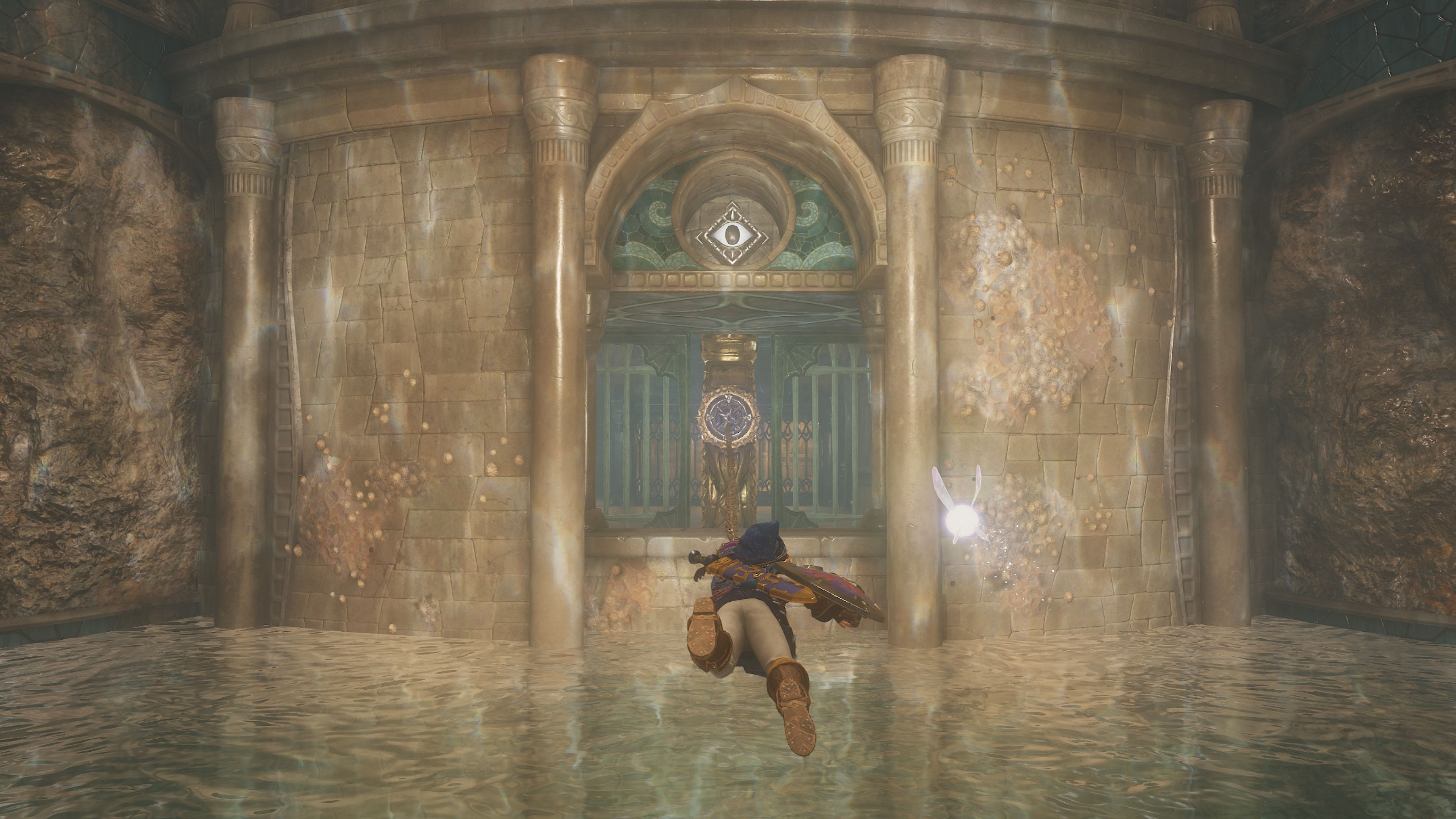
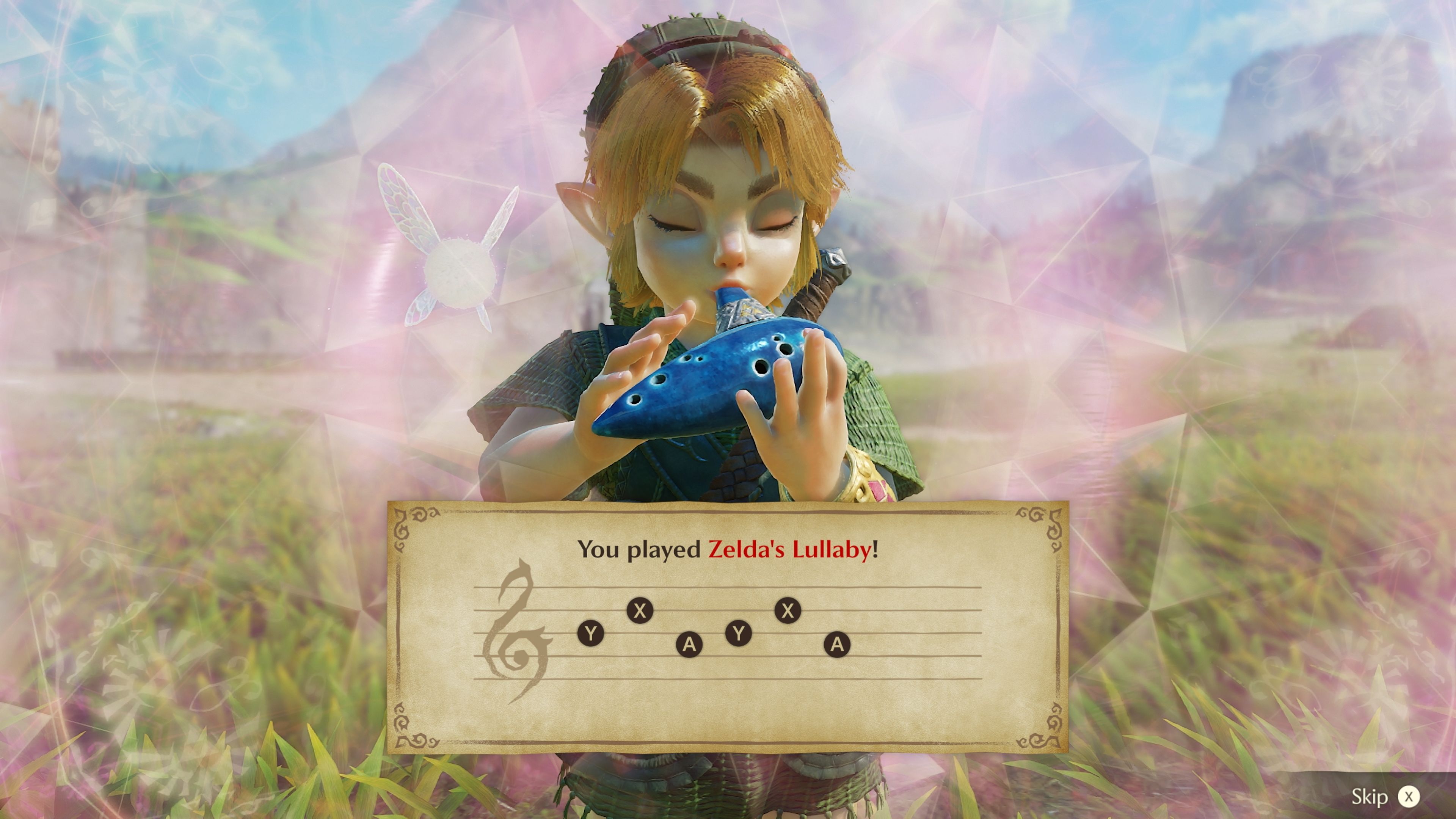
The early hours also lean more heavily on tutorials. In Kokiri Forest, a child no longer simply explains how Link’s sword works; the player must repeat each move in a practice session before heading toward the first dungeon. Considering Navi’s reputation for guiding players, the added instruction can feel excessive. Together, these small adjustments create an uncertain first impression of an old favorite.
The visual overhaul, however, becomes easier to appreciate with time. When the remake was first teased, some players worried that its cartoon charm had been exchanged for generic realism. In motion, the result is far more expressive. Sunlight filters through the dense canopy of Kokiri Forest, giving the village a dreamlike warmth. Exploring it feels like opening a cherished childhood picture book and discovering its illustrations have come alive.
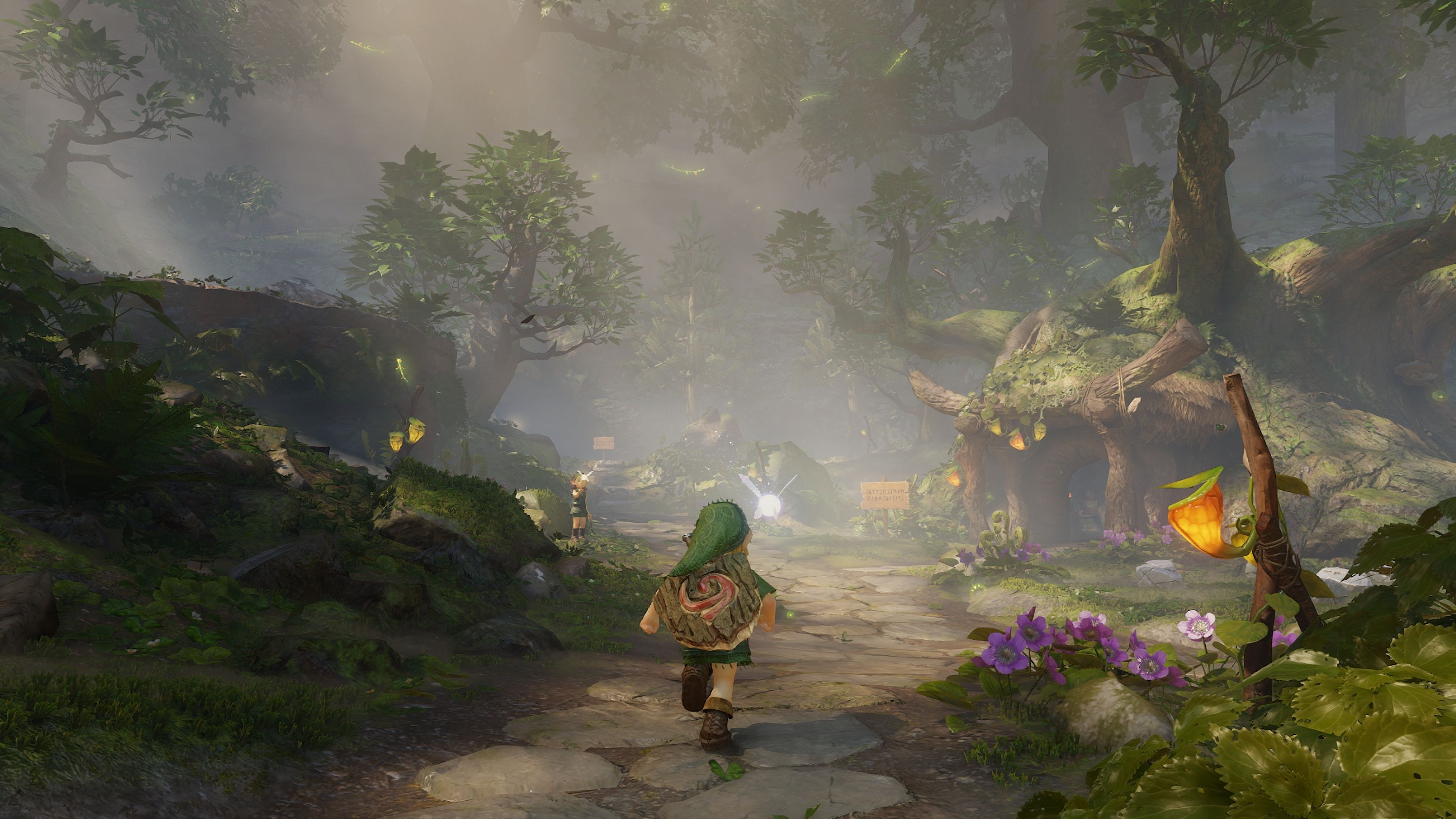
Nintendo preserves Hyrule’s sense of scale without making its locations unrecognizable. The kingdom is compact by modern standards, but its carefully designed areas still feel expansive. Hyrule Field gains richly detailed grass rather than a surplus of activities, while the light shimmering across Lake Hylia turns a simple body of water into a peaceful retreat. In Kakariko Village’s graveyard, ornate headstones draw attention to the secrets beneath them.
Hyrule Castle Town is one place where the new presentation loses something. Free camera movement replaces the original’s fixed angles, which helped make the town’s eventual decline feel especially eerie.
The art direction can also feel uneven. The elaborate environments do not always sit comfortably beside the smooth, doll-like characters. Link’s porcelain appearance and carefully stitched clothing suit the game’s storybook sensibility, but the more naturalistic world around him does not always share that handcrafted look. The contrast may explain why details such as Zelda’s glassy eyes and the clay-like hookshot have divided players.
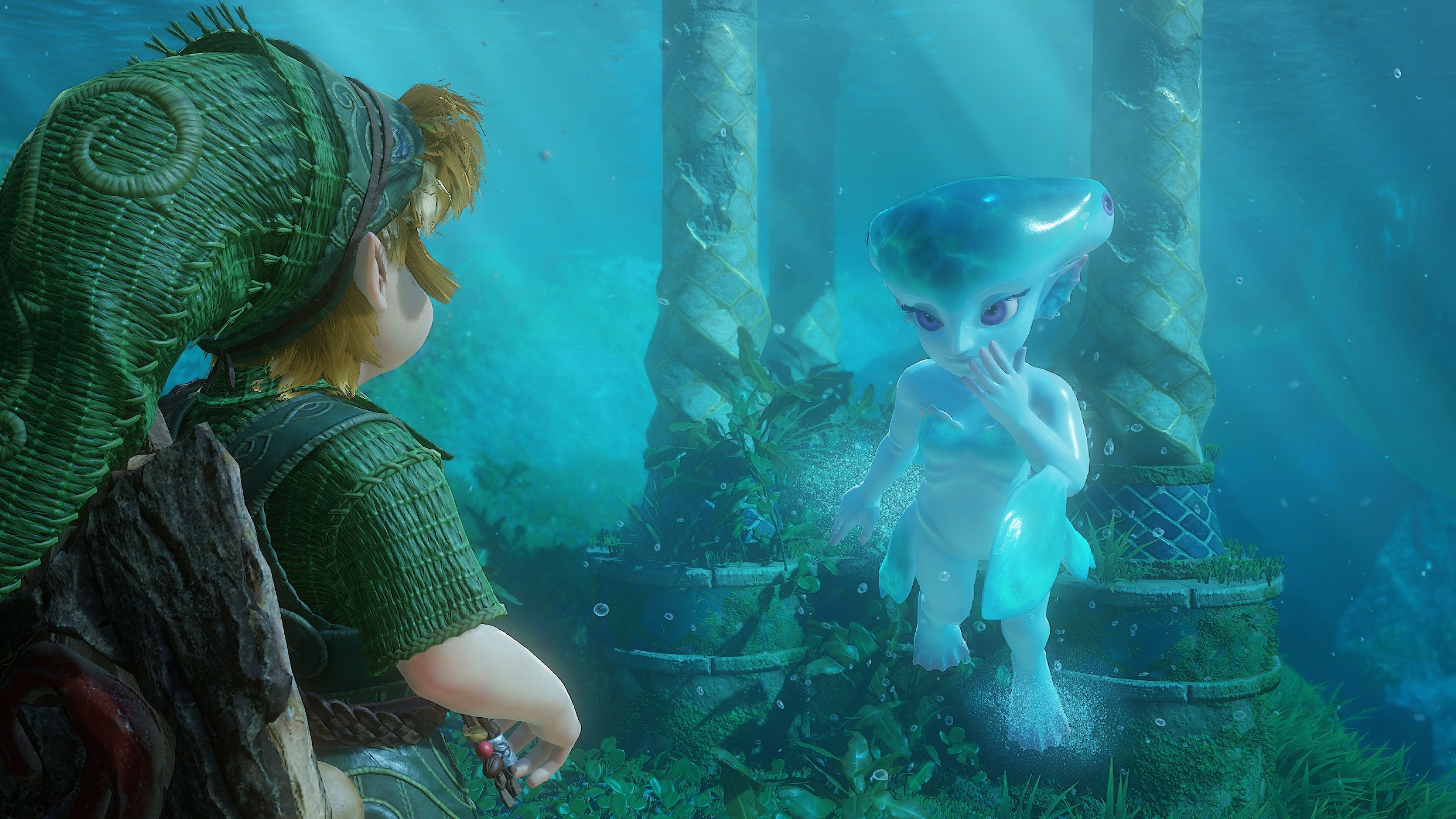
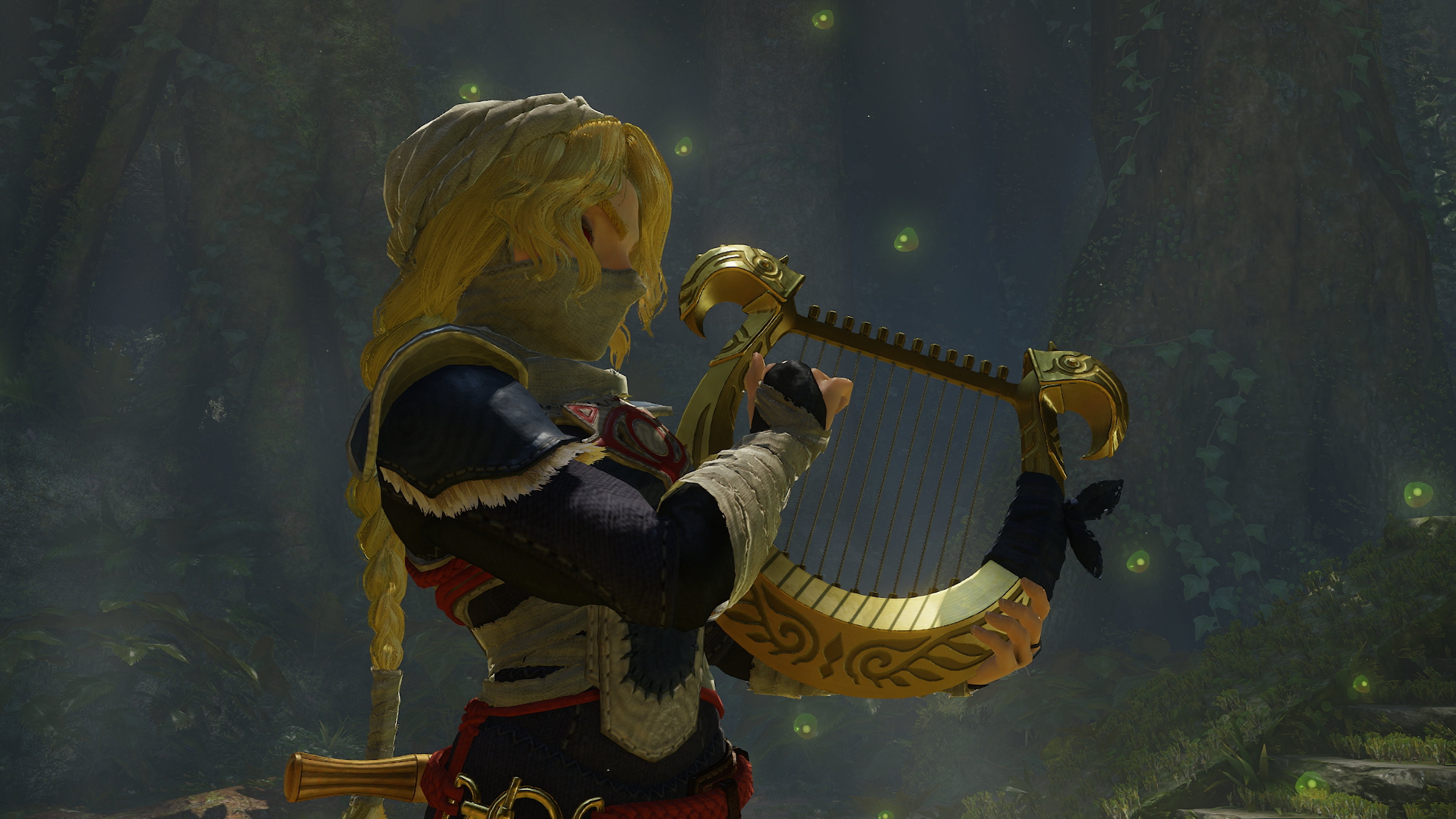
Many of those initial reservations faded as the adventure unfolded, particularly after Link reached adulthood. The shift from cheerful cartoon to darker fairy tale gives the artistic choices room to work. Cinematic scenes shine during Link’s musical encounters with the mysterious Sheik, while redesigned Redeads and Like Likes bring the game’s horror influences into sharper focus. Newly orchestrated music adds drama without abandoning melodies that players have carried with them for years.
The polished new Hyrule may not always have the original’s rough-edged atmosphere, but its changes rarely obscure what makes the adventure special.
Strengthening the Foundation
For all the visual changes, the remake leaves the structure of the adventure largely untouched. A dedicated jump button is a modest addition, and the modern controller layout makes switching items easier, although the horizontal item menu from Breath of the Wild returns. Link still travels between two eras, explores themed dungeons, solves puzzles, defeats monsters, and finds tools that gradually open new paths.
That structure helped shape adventure games in 1998, and revisiting it reveals how remarkably focused it remains. Conversations with Gorons, hidden grottos, side quests, and minigames all feel deliberately placed. Singing frogs beside a river, scarecrows standing in the sun, and a scientist’s diving tank each offer a distinct encounter rather than another variation on a repeated activity. The result is a world that often accomplishes more with less than its larger modern counterparts.
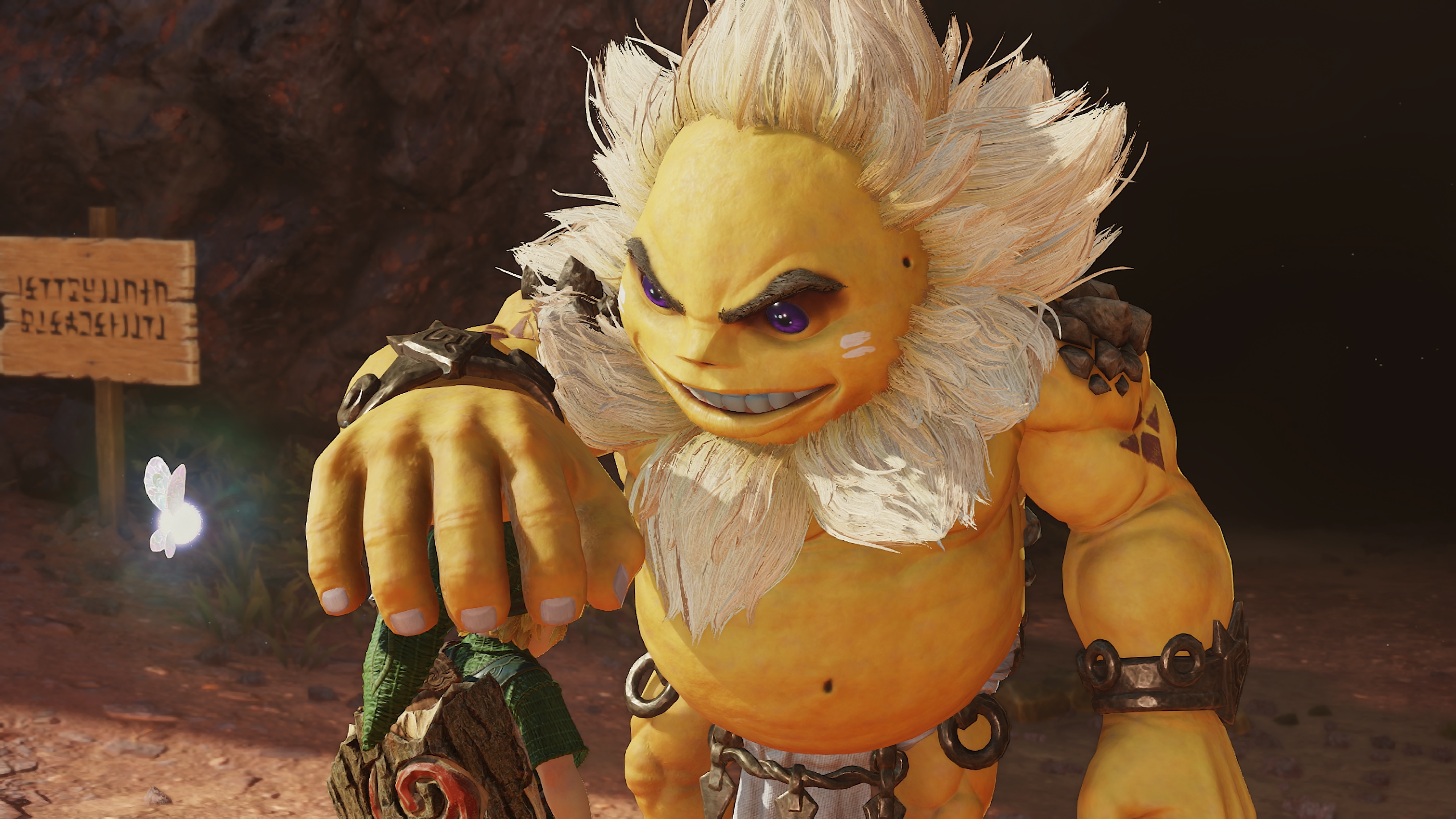
Even during a 20-hour playthrough, returning across Hyrule Field or climbing Death Mountain rarely feels dull. The dungeons are a major reason why. Each is a puzzle box built around its own setting, enemies, and essential item. Twisted corridors in the Forest Temple and an escape from the belly of an enormous fish remain memorable because they offer challenges unlike anything that came before them. The remake preserves those designs while making the Water Temple easier to navigate at a glance.
More than anything, the remake benefits from restraint. Nintendo trusts that Hyrule Field can inspire wonder without being packed with new diversions. Rather than rebuilding every system to match contemporary expectations, the developers preserve the original game’s priorities and make selective improvements around them.
There is a special relief in returning to a beloved game and discovering that its magic has survived.
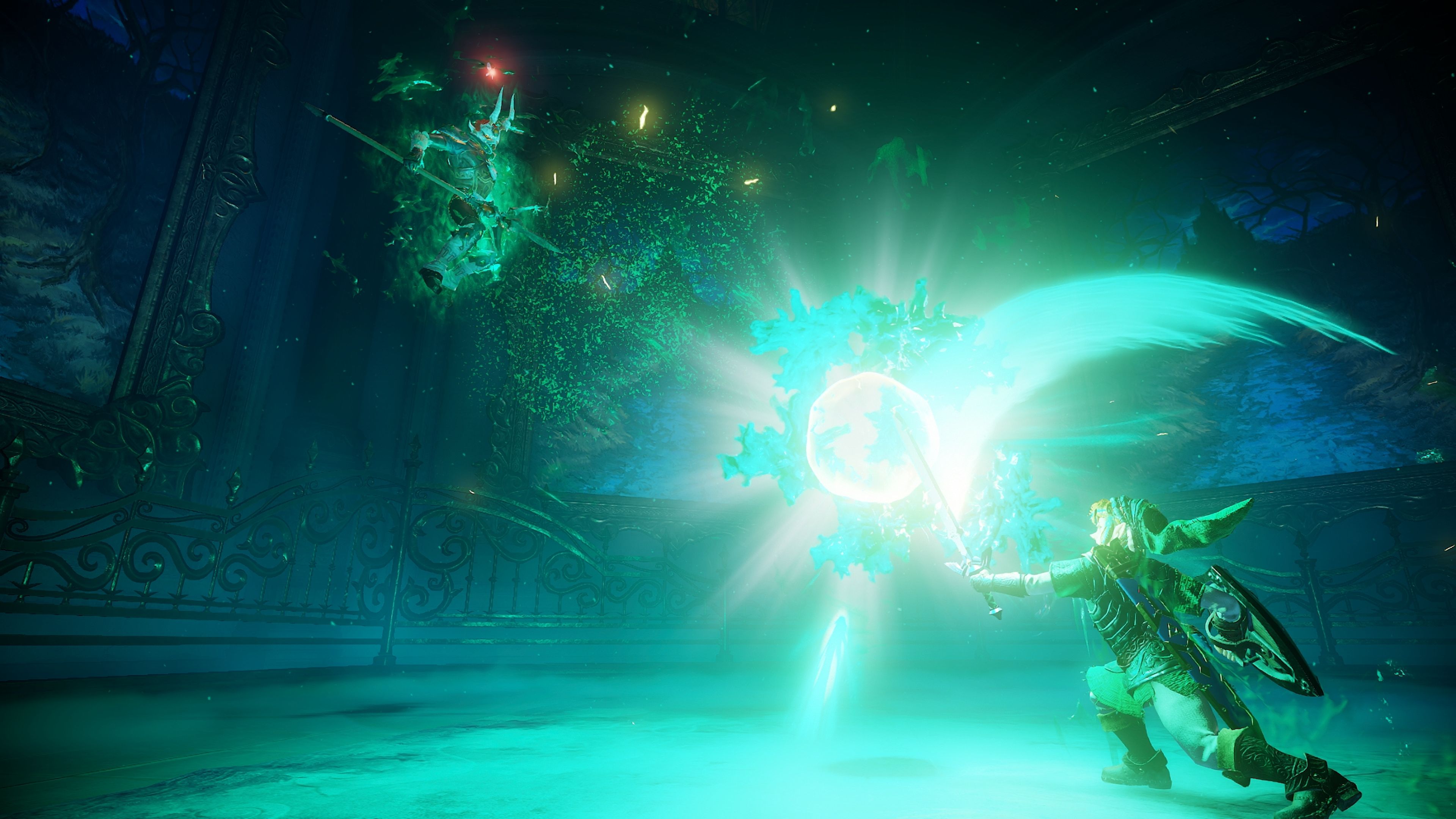
Swordplay shows how well that approach works. Instead of adding parries, slow-motion dodges, elaborate combos, and enemies with oversized health bars, the remake keeps the focus on timing, slashing, and evasion. Battles with Stalfos retain their almost Punch-Out!!-like rhythm. What changes is the feedback: sparks burst from successful strikes, and satisfying sound effects give each blow weight. Even defeating a Deku Baba feels heroic. The combat is among the most satisfying in a Zelda game since The Wind Waker, achieved by refining the foundation rather than replacing it.
The remake succeeds in much the same way as a familiar tale retold by a new storyteller. Small adjustments to dungeon rooms and more dramatic encounters add fresh flourishes, but the adventure’s defining moments remain recognizable.
Coming Home
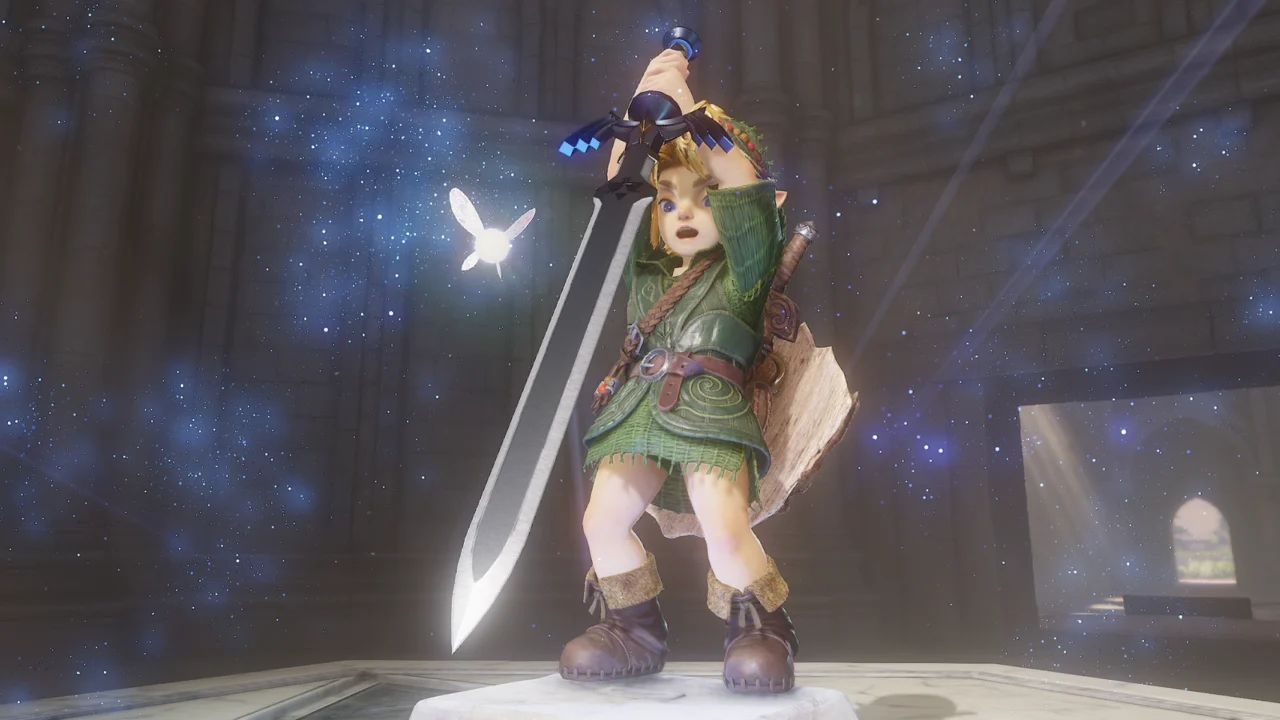
Technical improvements alone cannot explain why returning to Ocarina of Time feels so meaningful. Revisiting it is a little like placing the Master Sword back in its pedestal: suddenly, I am young Link again, standing in the shelter of Kokiri Forest.
For me, the game is inseparable from my hometown. The first video game review I ever read was written by my late friend Andrew for our fourth-grade newspaper. Hyrule is bound up with memories of a small Massachusetts town, and that connection has always made me protective of it.
Many players understand that sensitivity when a treasured part of childhood is reconsidered. Over the years, I have watched opinions of Ocarina of Time shift from reverence to frustration with its aging design. Whenever a newcomer criticizes it, the instinct to defend it can be immediate: You had to be there.
That reaction is also a defense mechanism. For years, I hesitated to return to the game because I worried it might no longer feel the same—or that I might have changed too much to appreciate it. The feeling resembles going back to a hometown after college and finding that a once-magical place seems smaller in the context of a wider world. Perhaps that is why remakes provoke such strong responses: keeping the past safely in memory can feel easier than seeing it change.
The remake offered a welcome reassurance. My worries about outdated design and a glossy new exterior faded when I played the familiar notes of “Saria’s Song.” Hyrule felt as inviting and full of possibility as I remembered, with discoveries waiting for anyone willing to stray from the path in the Lost Woods.
After hearing Ocarina of Time called the greatest game of all time for so long, the praise can begin to sound automatic. The remake offers a chance to consider why the game earned that reputation. Even without nostalgia, it remains a warm-hearted fable set in a lively world, populated by characters who feel like old friends. Link’s journey into adulthood and back again is a story about finding the courage to protect a place that matters to you.
The qualities my friend recognized in his fourth-grade review are still here. That is the most important test of a remake: not whether it has a jump button or a smoother frame rate, but whether the adventure still feels like home. Despite a few changes that invite an old-fashioned complaint, Ocarina of Time does. Returning to Hyrule Field and watching the sun go down is a pleasure that has only deepened with age.
The Legend of Zelda: Ocarina of Time is scheduled for release on Nintendo Switch 2 on November 5, 2026. The original review was based on a prerelease download code provided by Nintendo.
Source: Polygon
Related articles
 Players Again Criticize Sony for Prioritizing Live-Service Games Over New Single-Player Titles
 Pokémon Pokopia Expansion Pass Part 2: Dazzling Decorations Brings New Accessories and More Next Month
 Sony’s New DualSense Controller Colors Spark Debate Among PS5 Owners
 Study Finds New Player Habits, Raising Questions About the Future of Expensive Releases
 Mario Kart World With DLSS 5 Looks Like an Animated Movie in PC Demo
 Ghost of Yōtei Now Runs on PC Through a PS5 Emulator
 Hyperkin Prepares to Open Preorders for Mega95 Handheld for Sega Genesis and Mega Drive Cartridges
 Mike Flanagan’s The Fall of the House of Usher Is an Eight-Part Netflix Gothic Thriller