
The Director Cut This Scene From “Exit 8” Because It Was Too Scary for Cannes

Rarely do filmmakers find the opportunity to craft novelizations of their own work. The mediums of directing and prose are distinct disciplines, and few artists bridge the gap successfully. However, Exit 8 writer-director Genki Kawamura defies this convention; he is both an internationally acclaimed author and a visionary producer behind hits like Your Name, Suzume, Mirai, and Weathering With You. For Kawamura, adapting Exit 8 into a novel was a natural progression of his desire to dismantle the boundaries between storytelling mediums.
While the game, film, and novel are deeply intertwined, they each offer a unique experience. One significant deviation is a chilling sequence Kawamura wrote for the book and filmed for the screen, only to excise it from the final theatrical cut—deeming it perhaps too intense for the Cannes Film Festival. We are pleased to present that cut sequence below.
“I genuinely enjoyed that anomaly,” Kawamura shared with Polygon. “We actually shot it, so there is always a chance it could resurface in a future director’s cut.”
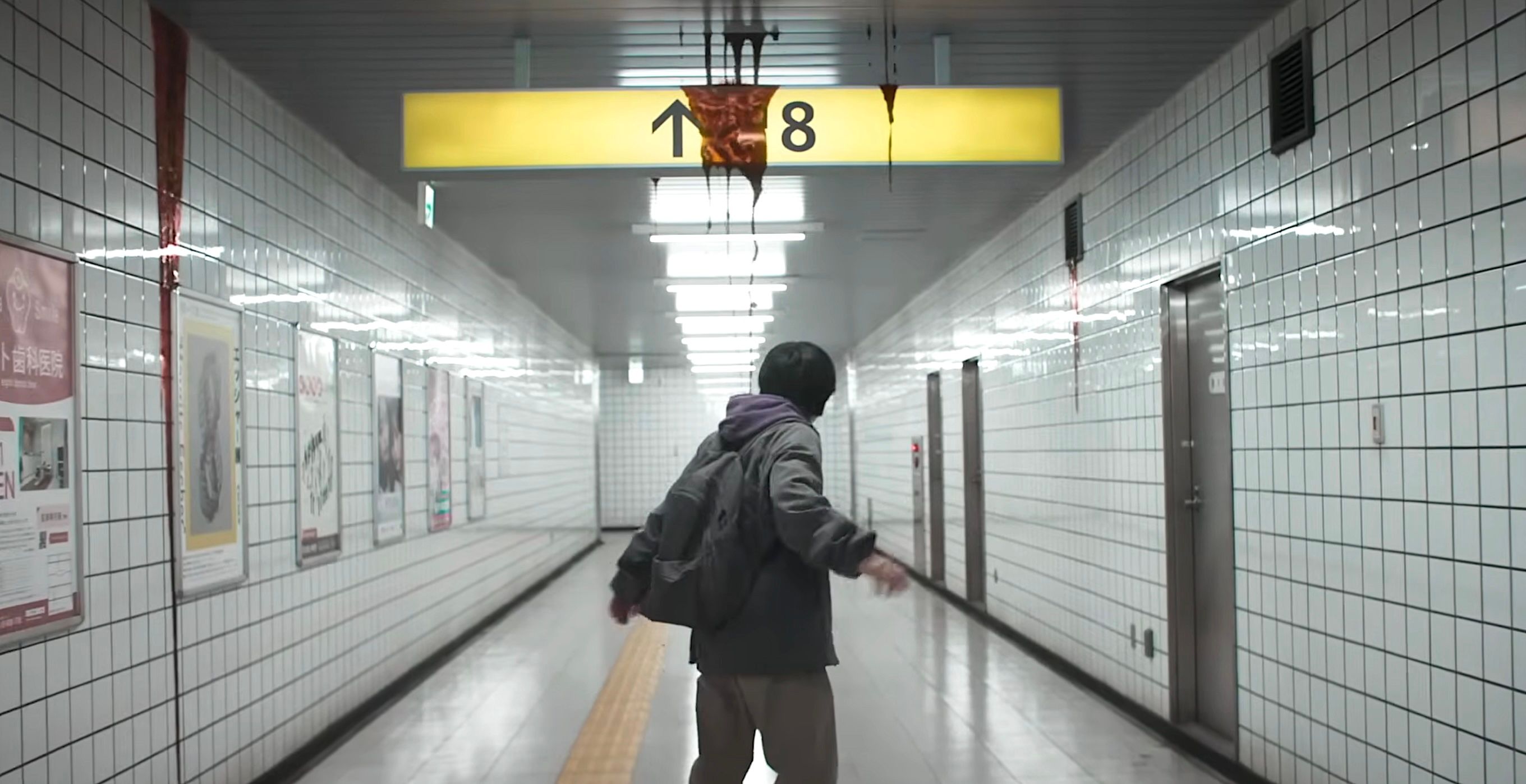
Image: NEON
In the original indie game, players traverse a desolate, looping subway corridor, identifying subtle “anomalies” to find their way out. The game functions as a minimalist walking simulator without an explicit narrative. Conversely, Kawamura and co-writer Kentaro Hirase wove a complex emotional arc into the film, introducing a protagonist—”The Lost Man” (Kazunari Ninomiya)—and grounding his struggle in personal guilt and existential dread. Many of the game’s anomalies were transformed into terrifying reflections of his deteriorating psychological state.
Some of the film’s horrors—such as an eerie photo booth or a pile of discarded personal belongings—are entirely new, while others, like the robotic “Walking Man” (Yamato Kôchi), draw directly from the game’s unsettling source material. In the movie, the Walking Man confronts the hero with a ghastly, contorted grin that defies human anatomy.
Kawamura notes that an abandoned subplot in the book explored the origin of the Walking Man, who was once a commuter much like the protagonist. The cut scene regarding the photo booth was meant to provide further depth, hinting that the protagonist risked becoming a similarly hollowed-out automaton or being trapped in the labyrinthine station forever.
“In the book, there was a homeless character who represented what our protagonist might become if he never escaped,” says Kawamura. “We cut that, opting instead to film a new sequence where he opens a door into darkness and confronts the mundane, bleak reality of his life.”
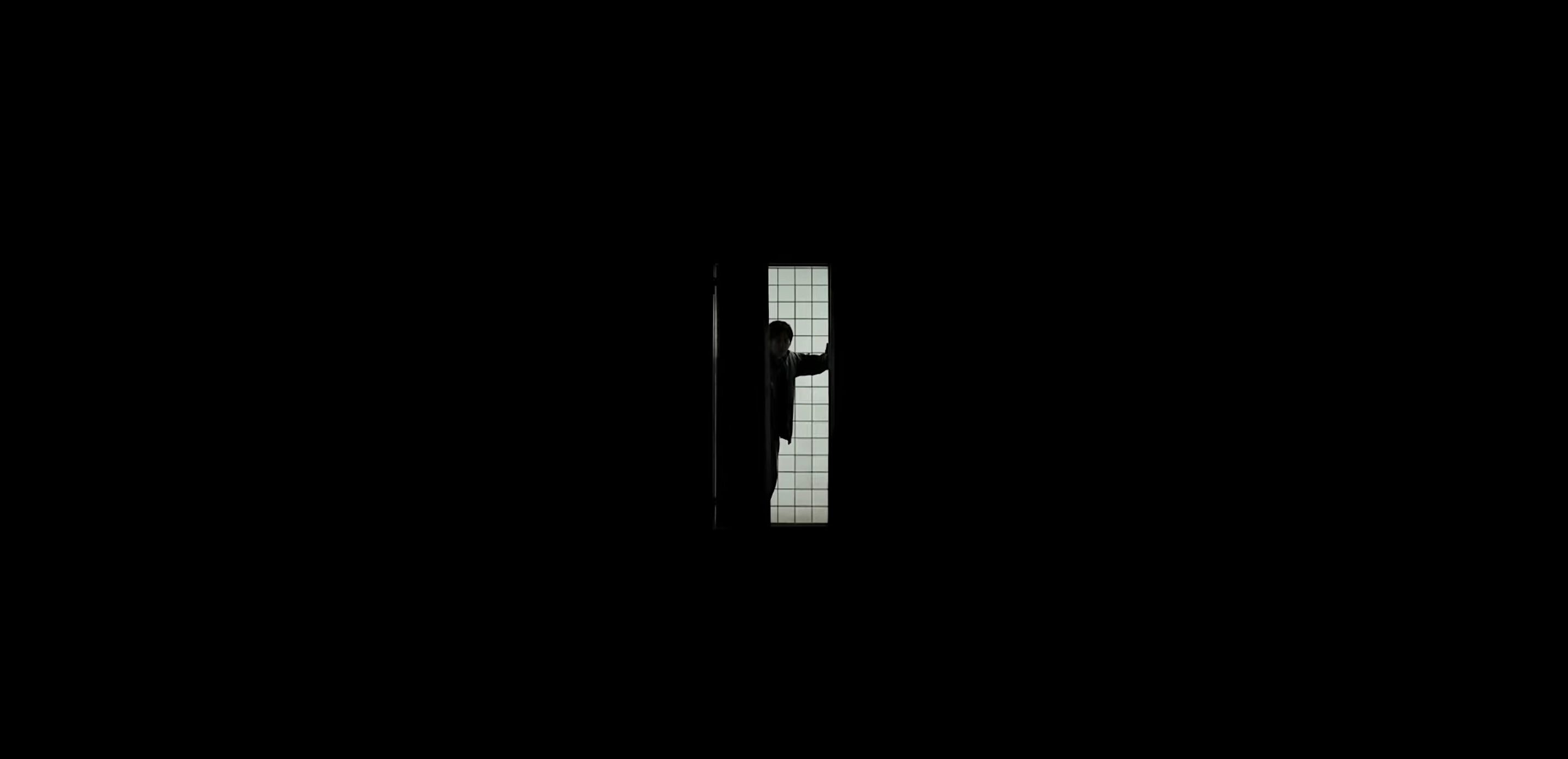
Image: NEON
Ultimately, Kawamura realized that forcing the protagonist to confront the crushing banality of his everyday existence was perhaps more frightening than any supernatural threat. “What if you realized your daily life was essentially a purgatory?” he muses. “What if the thought of returning to that life was more terrifying than staying?”
Regarding the removal of the photo booth sequence, Kawamura felt it was a tactical choice to maintain the film’s tonal integrity for Cannes. “As one of the first video game adaptations to earn an official selection at Cannes, the film needed a strong, cohesive theme. We focused on the narrative core rather than relying on jump scares.”
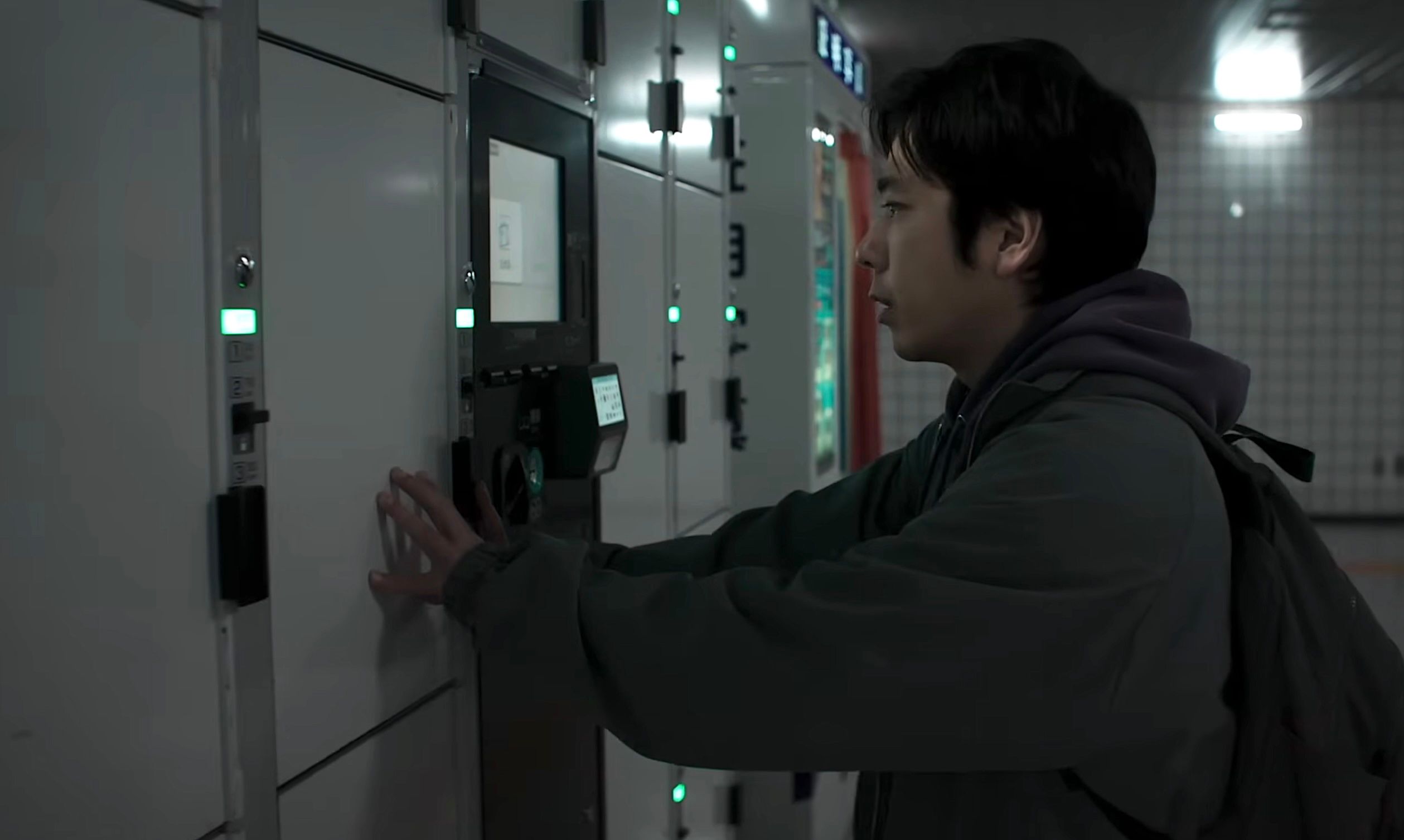
Image: NEON
Drawing inspiration from classics like Kenji Mizoguchi’s Tales of Ugetsu and Stanley Kubrick’s The Shining, Kawamura aimed for a timeless quality. “Social commentary was a pillar of the film,” he explains. “I wanted to emphasize the protagonist’s internal voyage.”
The novelization is slated for a September release. Below is the excluded scene from the novel, shared with permission.
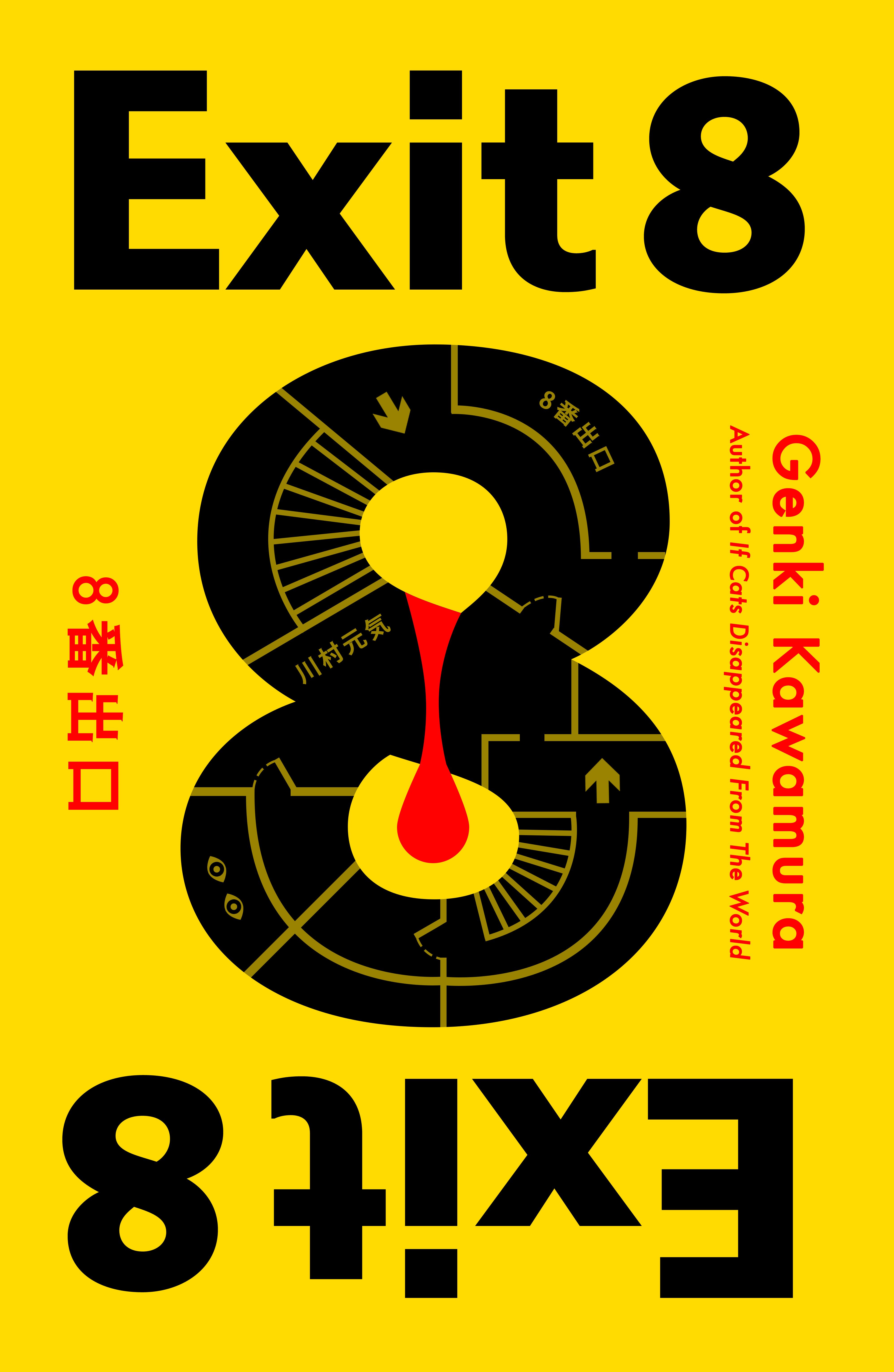
Image: Flatiron Books
The white passageway stretched infinitely before me. I recited the posters aloud: “Dental clinic… Escher exhibit… Judicial services… Beauty clinic…” Then, the sharp click of a camera shutter broke the silence at the end of the hall.
A synthetic, flat voice announced: “Printing your photo.” The phrase echoed, bouncing off the walls. I turned the corner and found the sound emanating from a solitary photo booth.
An anomaly.
I froze. The booth’s curtain was drawn, but a pair of feet were visible beneath. “Excuse me?” I croaked. No answer—only the sound of a photo sliding into the dispenser. I retrieved it, my hands trembling. Eight identical ID photos. Each featured my face, warped into that same, rubbery, inhuman grin.
I looked down at the shoes poking from beneath the curtain. They were mine. Or rather, they were identical to the ones I was wearing. The realization hit me like a physical blow: was the person inside… me? I reached for the curtain, but my courage failed. I couldn’t bear to see who—or what—was hiding there.
“Your photo is ready,” the machine monotone-ly repeated. With every chime, another print emerged. In each, my smile grew wider, my eyes turning into glossy, lifeless orbs. The transformation was accelerating, and I was losing myself to the loop.
This is an anomaly. It has to be. I turned and fled. The robotic voice continued to drone behind me until I reached the next station, a safe zone where the anomalies reset. I leaned against the wall, drenched in sweat. Another piece of the puzzle, yet another step deeper into the abyss.
Excerpted from Exit 8. Copyright ©2026 by Genki Kawamura. Used by permission of Flatiron Books.
Source: Polygon
Related articles
 PlayStation Store Price Increases Raise Global Concerns Among Gamers
 Sony Announces All-Black PS5 Console for November Release
 Kenshi Yonezu Sets New Record as Chainsaw Man Jane Doe Music Video Hits 100 Million Views
 ARC Raiders Sees Surge in Steam Popularity
 Games Workshop Unveils New Skeleton Horsemen Miniature Set for Warhammer: The Old World
 Star Wars: Galactic Racer Developer Criticizes Constant Racing Rewards
 Street Fighter 6 Producer Warns Series Faces Decline Due to Aging Audience
 Max Factory Opens Preorders for Berserk Guts and Griffith Figures