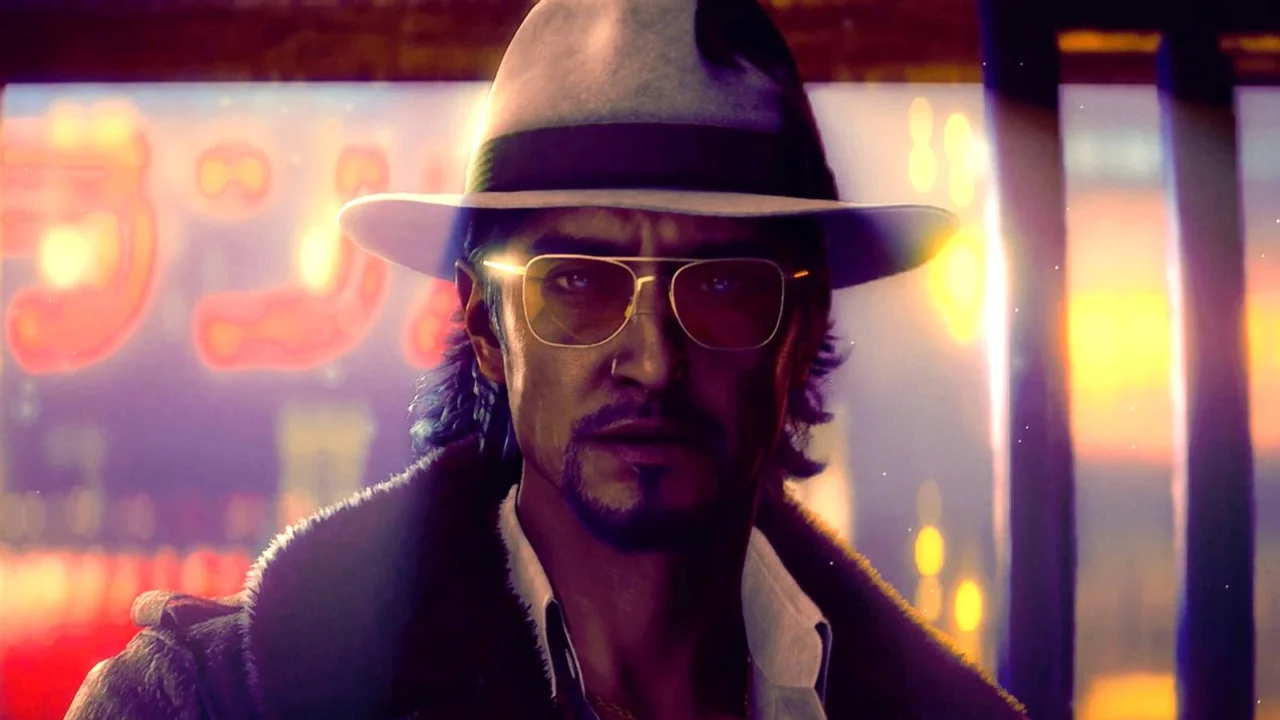
Stranger Than Heaven Director Says the Game Takes a More Serious Tone Than Past Yakuza Titles
Stranger Than Heaven is the most ambitious action-adventure yet from Ryu Ga Gotoku Studio. It follows protagonist Makoto Daito across five Japanese cities and five decades. After a half-day preview session, I left impressed by the richly detailed urban environments and by how convincingly the game portrays a society in flux. Still, I’ve played most of RGG’s Yakuza and Like a Dragon titles, and one question kept nagging me: would Stranger Than Heaven carry over the studio’s distinctive, endearing brand of humor?
RGG’s games are famous for their whiplash tonal swings. In one scene, Kiryu sobs out the name of his sworn brother as the man dies in his arms. In the next, he’s hiring a chicken called Nugget for his real estate empire, or passing tissue paper under a stall door to a stranger with an upset stomach. My Stranger Than Heaven demo didn’t feature any substories or side quests, so I asked the developers whether that kind of studio-trademark absurdity would show up in those parts of the game.
Director Mikinobu Abe told Polygon that the team took a different path this time.
In a modern-day setting like our earlier games, everyday life offers an enormous range of situations to draw from. That applies to substories, minigames and other side content alike, and it let us explore everything from comedy to drama, presenting reality in a funnier and more entertaining light.
But when we started researching the eras we wanted to portray here, we discovered that the world of several decades ago, or even a hundred years back, already seemed remarkable and strange.
The gap in values and common sense between then and now is startling and captivating in its own right. So instead of manufacturing scenarios purely for laughs, we felt that letting players run into the social norms and attitudes of the period could be a profoundly surprising experience.
With that in mind, we treated this game first and foremost as a serious work, one that captures the raw, immediate feel of the era. That said, there are certainly still moments that may bring a smile to your face.
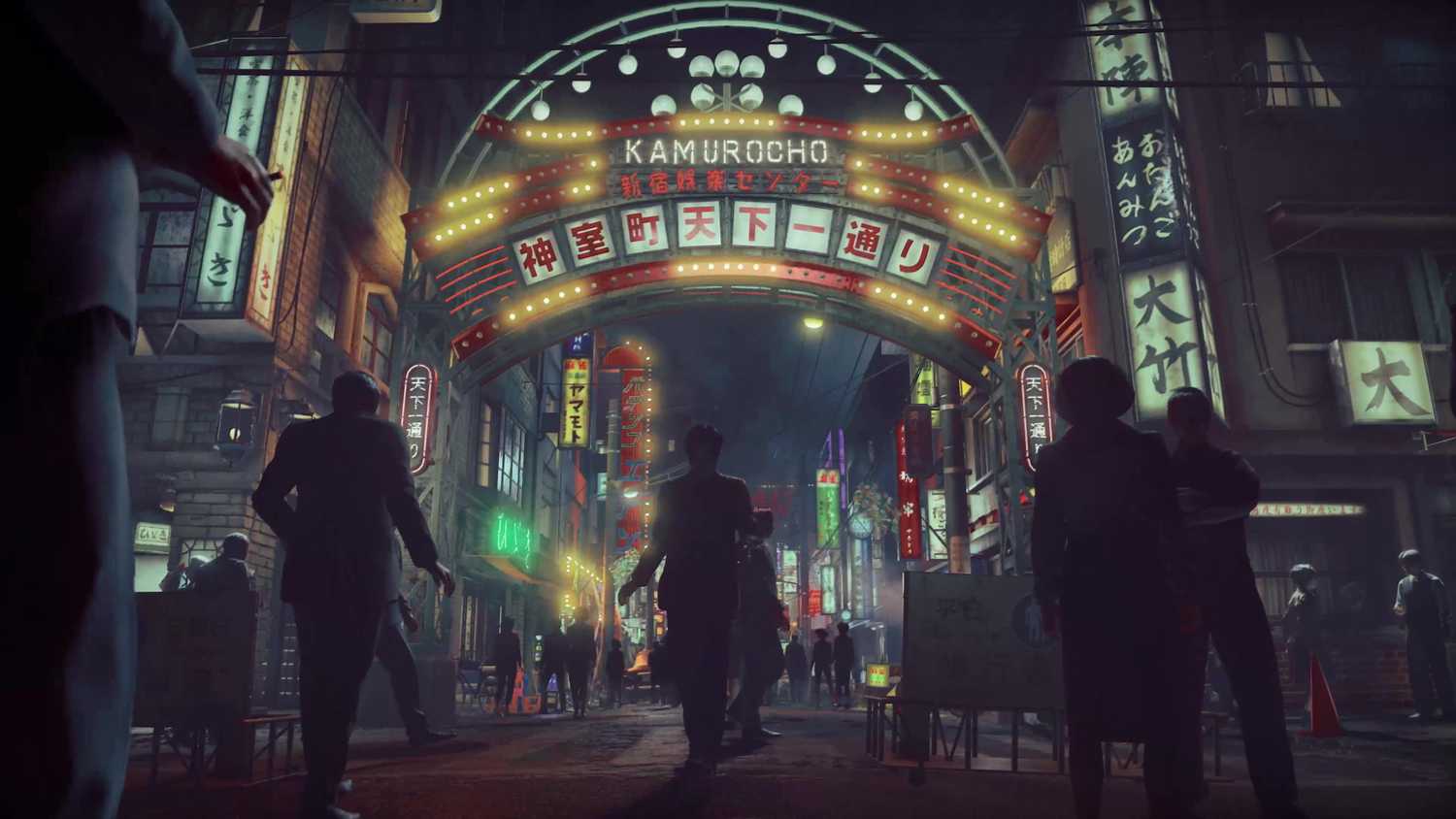
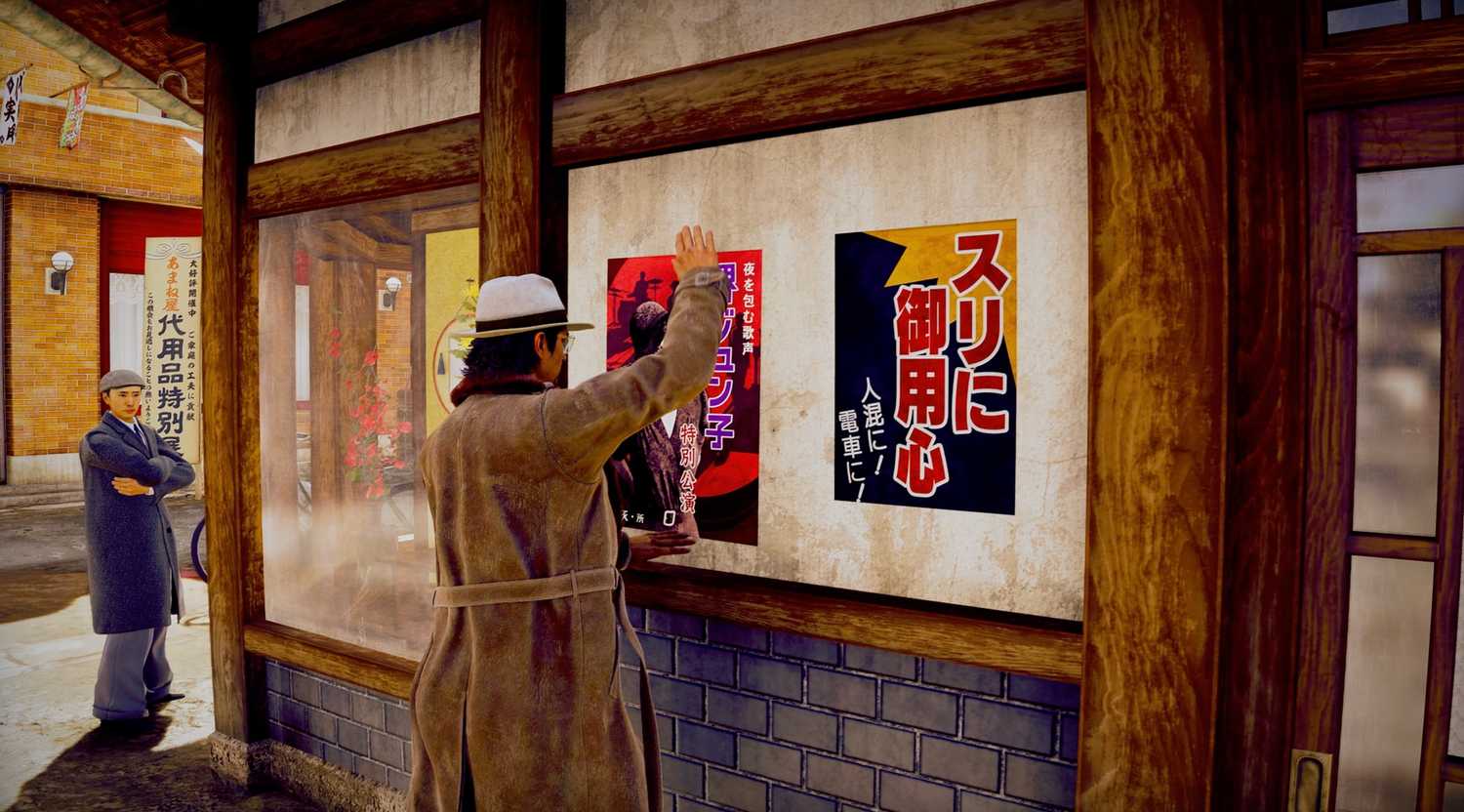
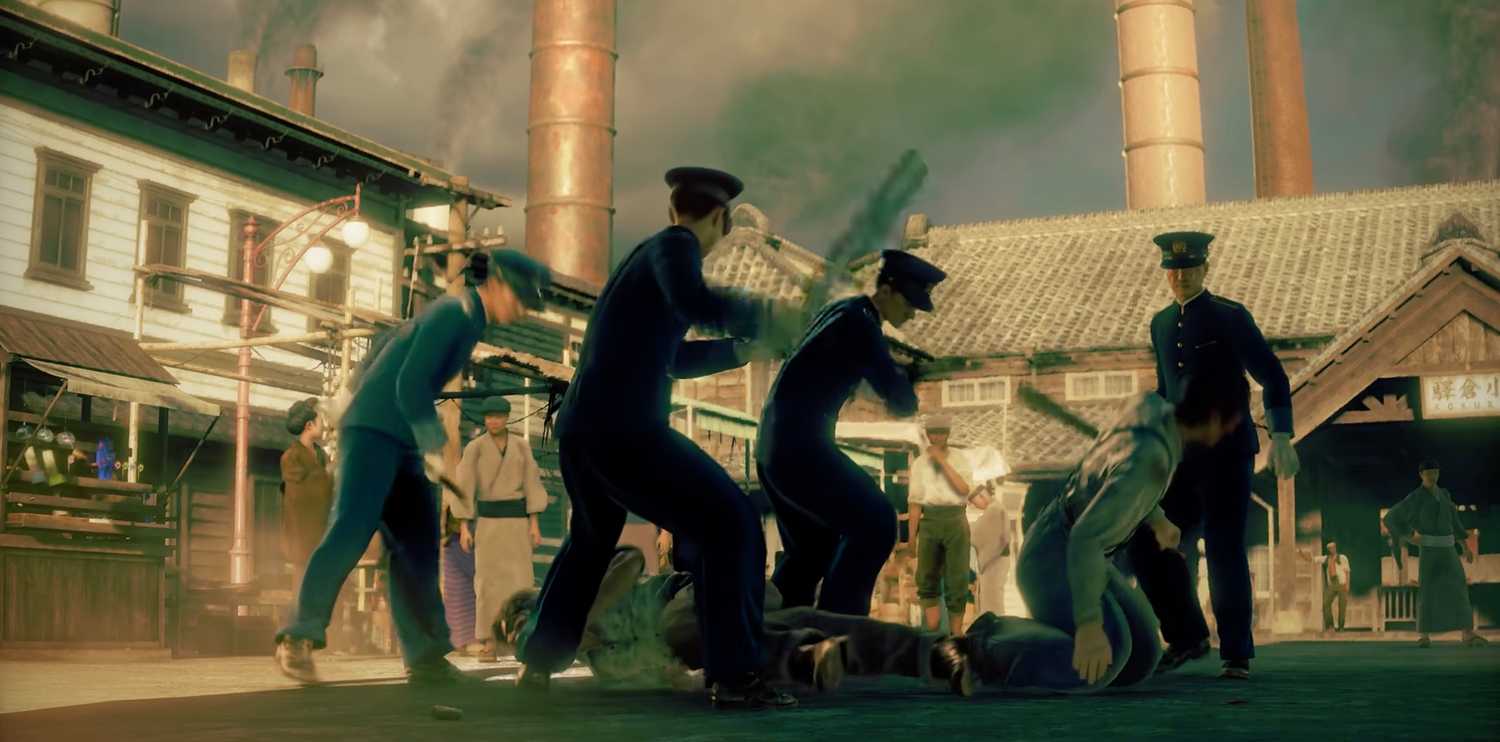
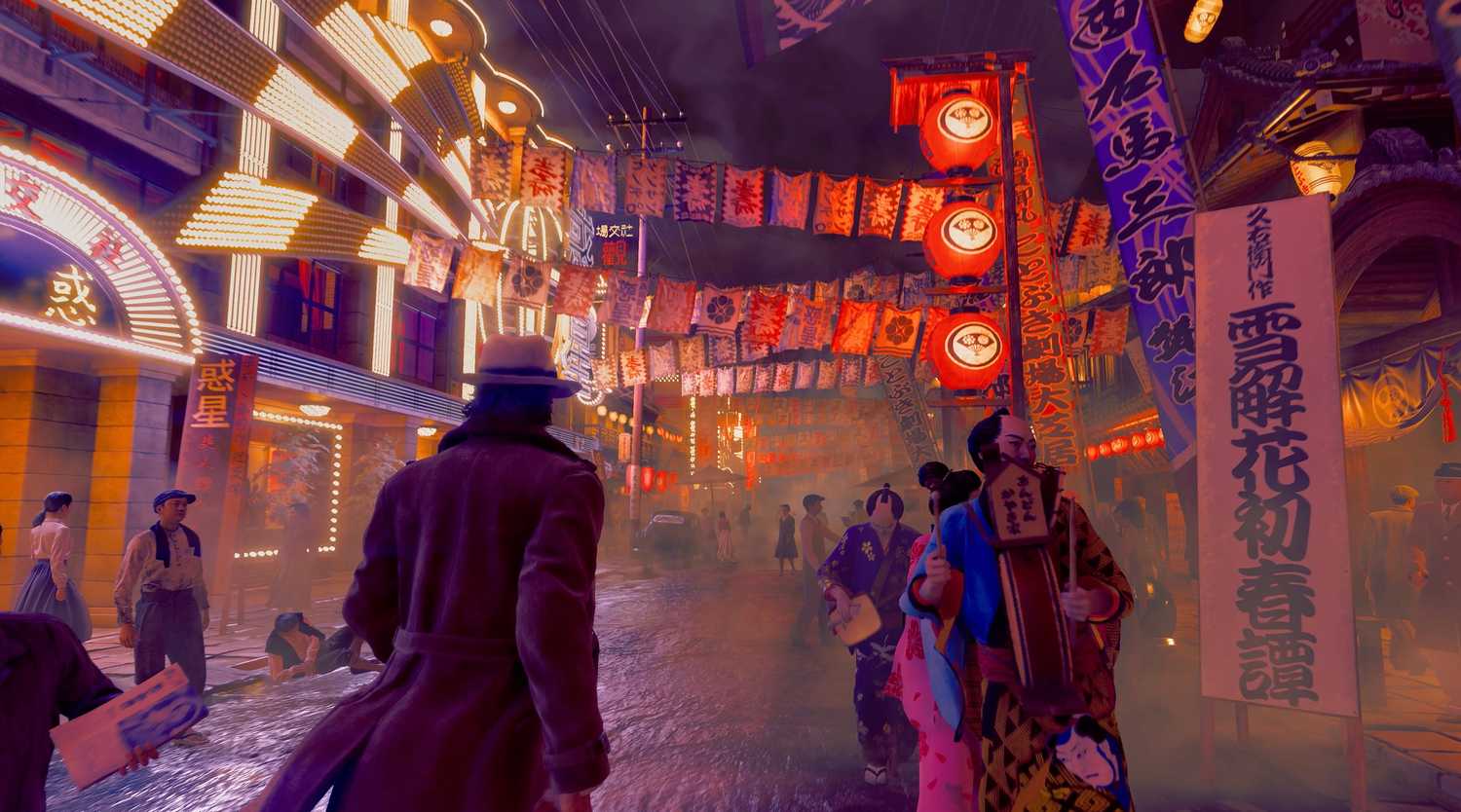
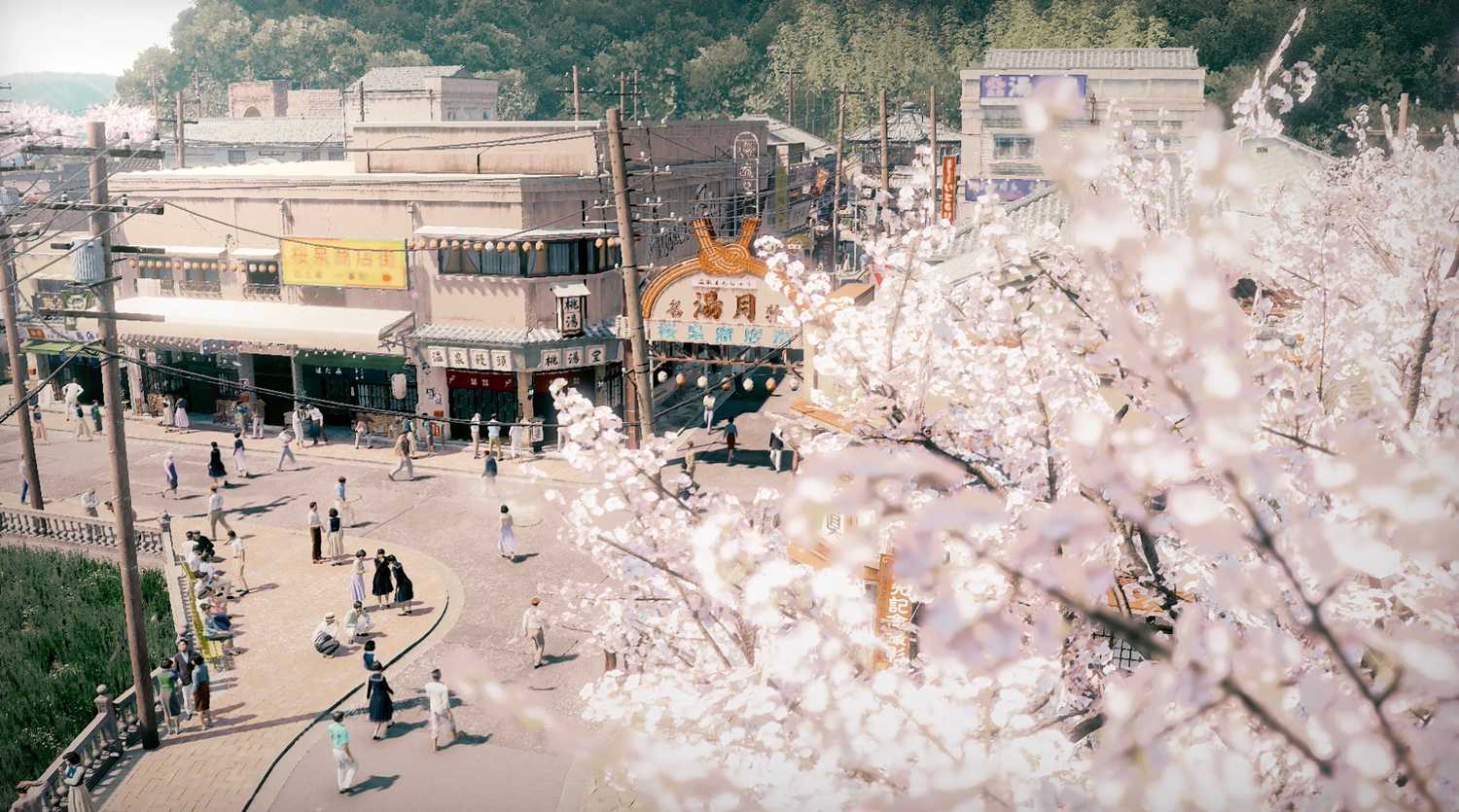
I’ll admit it’s a bit disappointing to learn that Stranger Than Heaven will have fewer bizarre, left-field substories. After several hours with the game, though, the decision makes sense. Makoto’s world is far harsher and more grounded than the ones Kiryu and Ichiban inhabit in the Yakuza and Like a Dragon series. There’s no shortage of brawling, but the whole experience plays more like a period drama than a pulpy action flick. I won’t be expecting diaper fetishists or lovestruck grandmothers to chase Makoto through the streets, but I’m still eager to dive in when Stranger Than Heaven arrives on PlayStation 5, Windows PC and Xbox Series X on Jan. 15, 2027.
Related articles
 Paradox Announces Release Date for Stellaris DLC Willpower, Which Focuses on Creating an Ideology
 Assassin’s Creed Shadows Getting Tabletop Tactical Game With Stealth Mechanics
 Zero Parades: For Dead Spies to Launch on Xbox Series X|S With Expanded Edition in November
 HBO Poison Ivy Series Reportedly in Development With ‘The Penguin’ Producer
 GTA VI Preorders Reportedly Generated $630 Million Before Release, Analysts Say
 8 Fallout 4 Replay Ideas to Make the Commonwealth Feel Brand New
 Techland CEO Paweł Marchewka Says Players Expect Too Much, Ends Substantial Content Support for Dying Light: The Beast
 Diablo: Unbound Officially Announced for 2027 Release