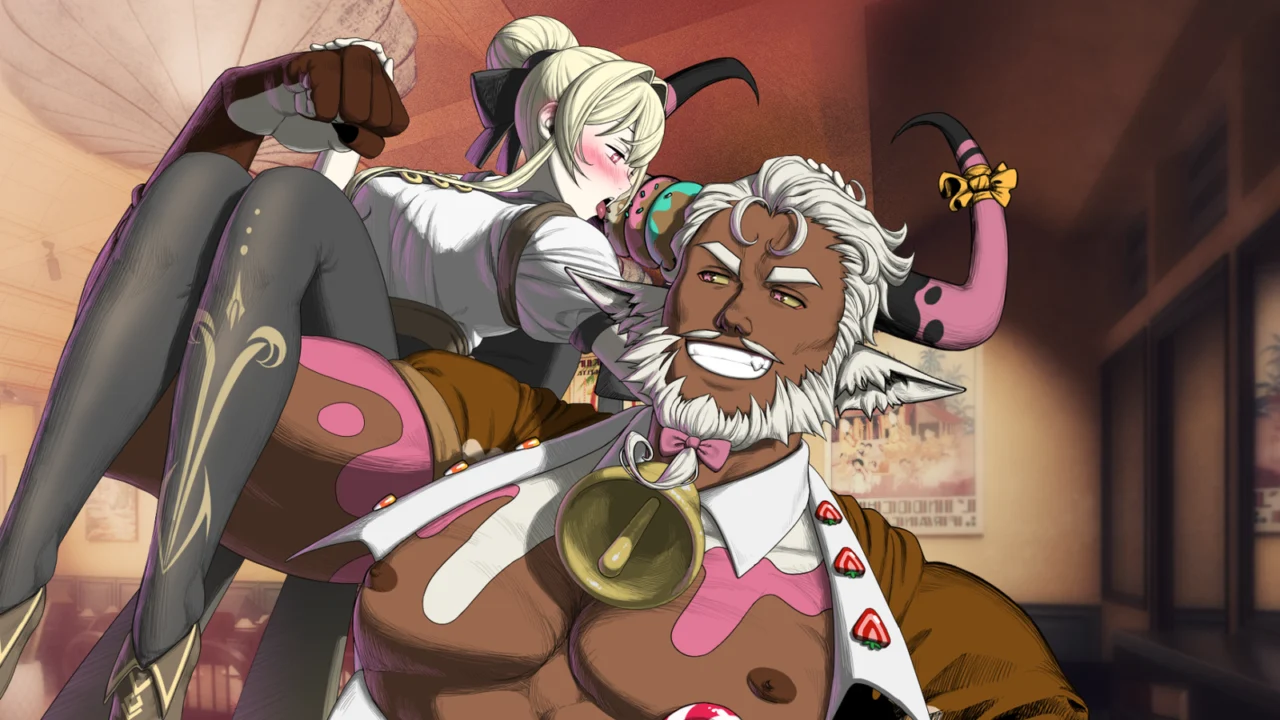
Spicy Fire Emblem-Inspired RPG Blends Roguelikes, Dating Sims, and Hot Devils
As an exclusive highlight of our comprehensive 2026 Fall Preview, we can confirm that Food Devils—the upcoming tactical RPG developed by Studio Daimon—is scheduled to launch on November 5. Blending grid-based strategy, restaurant management, dating simulation mechanics, and a strikingly charismatic cast of demons, the title is quickly positioning itself as a standout indie sensation of the year.
Within the world of Food Devils, players assume the role of a resourceful chef striving to endure a desolate, post-apocalyptic landscape by recruiting powerful demons. Enticing these supernatural entities requires culinary persuasion—specifically, cooking for them. Securing the necessary ingredients demands venturing into hazardous expeditions involving turn-based, grid tactical battles reminiscent of the Fire Emblem series. Afterward, players return home to curate and operate a bustling restaurant that welcomes traveling adventurers, ultimately drawing the attention of the five titular Food Devils, opening pathways to powerful contracts and romance.
While the sheer scope of these mechanics might sound ambitious, Studio Daimon sat down with us ahead of the official announcement to offer an in-depth look at the game’s foundational systems. Game director Alfred Kamon detailed how every gameplay pillar seamlessly intersects, while also highlighting the traditional genre tropes that Food Devils deliberately subverts.
An exclusive interview with the developers of Food Devils
Food Devils successfully juggles numerous moving parts. What keeps these systems cohesive rather than disjointed, and how do they directly influence one another?
Alfred Kamon, game director on Food Devils: Our primary design philosophy was ensuring that every single mechanic naturally feeds into the next. You hunt monsters to harvest ingredients, transform those resources into hearty meals that grant powerful buffs, and customize your restaurant to attract specific adventurers—who then accompany you on future expeditions. Even the narrative reflects this loop, as characters react dynamically to your choices while the establishment constantly evolves around you.
On a practical level, altering your restaurant’s decor attracts different types of patrons with unique traits, while the meals you prepare directly impact expedition statistics like movement range and healing efficiency. Rather than feeling like an administrative chore, the restaurant serves as the restorative counterbalance to the intense tactical combat. And while considerable attention went into the culinary animations, we intentionally omitted traditional cooking minigames so players could dive right back into relationship-building and strategic combat.
The Devil Contract mechanic allows players to fundamentally reclass adventurers based on their demonic partners. How drastic are these shifts, and what kinds of emergent strategies do they enable?
The transformation is quite substantial. Adventurers are initially summoned with distinct base stats and personal traits. A Devil Contract can entirely redefine their class, visual presentation, and starting toolkits, allowing the exact same recruit to fill entirely different roles depending on which entity leads the expedition.
This flexibility encourages experimentation: you can take a favorite character, pair them with a different Devil, and build around a completely fresh set of synergies. The roguelite framework expands on this further through Skill Packs and dynamic events that let units evolve mid-run. Ultimately, you can look at a standard Shielder-class adventurer and decide whether they will focus on generating defensive armor and knocking back foes, or summoning volatile swarms to heal poisoned allies.
Calories and Hunger introduce a fascinating twist to standard tactical combat. How do these meters reshape decision-making compared to genre staples like Fire Emblem?
As a devoted fan of Fire Emblem, I’ve always found it amusing how pre-promoted veteran archetypes often end up sidelined because they overshadow newer units or hoard experience points. Food Devils flips this convention entirely: every expedition features a single, overwhelmingly powerful Devil accompanied by up to four human adventurers.
The catch is that these demons require Calories to execute their devastating abilities, which must be generated by human allies interacting with the battlefield. At the start of a run, players select a Master Rule that dictates how these resources are accumulated—perhaps by ending movement near a campfire or triggering explosive summons. Devils can certainly be demanding companions.
Fortunately, human units are far from passive bystanders; with proper synergy, they can handle significant portions of the combat themselves. However, this power comes at a steep price: every generated Calorie inflicts Hunger on the participating adventurer, and excessive Hunger results in permanent death. Balancing tactical aggression with survival creates a high-stakes risk-and-reward loop inspired by challenging roguelikes like Darkest Dungeon and Aethermancer.
The game tracks the distinct “culture” of your establishment based on peaceful or aggressive playstyles. In what ways can these choices permanently alter characters, relationships, and the broader narrative?
Food Devils gradually introduces its complex lore and evolving systems, ensuring that once players understand the world, their decisions carry genuine narrative weight. While these world-altering features are still actively expanding, our goal is to ensure the chosen playstyle visibly transforms the environment.
For instance, leaning into the Poison Devil’s progress-driven advice might eventually introduce currency to a traditionally free-of-charge tavern, granting access to scientifically enhanced starting skills. Alternatively, following the Vegan Devil’s ideals unlocks a pacifist route that prioritizes neutralizing threats over eliminating them. Aligning with a specific entity means embracing their ideology, which eventually reshapes the core mechanics of the game.
Romance plays a prominent role, but player choices also influence how the Devils interact with one another. How do these interpersonal dynamics affect tactical gameplay beyond standard RPG relationship tropes?
While I appreciate romance in RPGs, it can often feel static once a confession scene concludes, offering little beyond minor stat boosts. In Food Devils, relationships are tied directly to progression because each demon embodies a distinct aspect of Appetite and ideology. Nurturing that bond through quests and supportive dialogue increases their power and unlocks crucial meta-progression abilities.
Encouraging the Devils to form bonds with each other also opens up unexpected strategic avenues. Normally, appointing the Hunter Devil as an expedition leader forces all recruits to use his specific contract. If he grows fond of the Poison Devil, however, he may permit units to utilize her contract instead, combining starting skills and Master Rules into devastating new combinations.
These support conversations are also deeply tied to major narrative milestones. Ultimately, we wanted to give players not only visually appealing characters and engaging dialogue, but tangible consequences that make the world feel alive—alongside plenty of sharp, witty writing that is rarely found outside of niche titles.
If Studio Daimon’s eclectic, genre-bending project has captured your interest, the wait to experience it firsthand is almost over. Food Devils officially launches on November 5, and an extensive four-hour free demo is currently available to try on Steam.
7 games to play while you wait for Fire Emblem: Fortune’s Weave
Tactical RPGs to get you through the next two weeks
Source: Polygon
Related articles
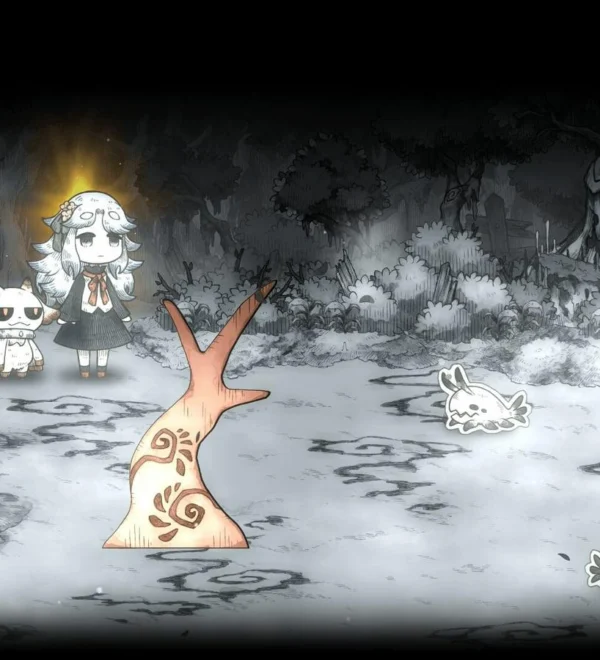 Dark Fairy Tale The Grimm Reapress Scheduled for Release in 2027
 Nintendo Simplifies Battery Replacement in Updated Switch 2 Teardown
 Cosplayers Bring Warhammer 40,000 Junior Inquisitor and Tech-Priest to Life
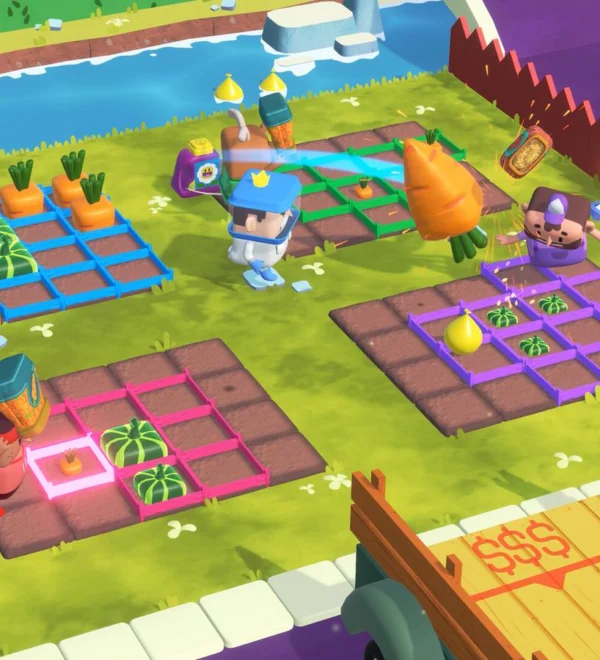 Cooperative Simulator Planted Scheduled for Fall Release
 Insider Reports StarCraft Third-Person Action Game in Development
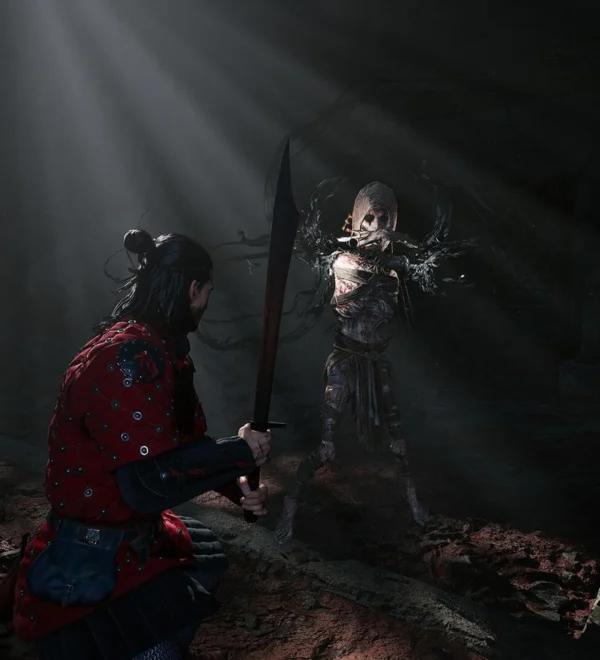 Polish Game The Blood of Dawnwalker Improves Steam Ratings
 Bungie Downsizes Following Weak Marathon Performance
 Microsoft Xbox App to Launch on TCL TVs Without a Console