Sheridan Le Fanu’s 1839 Gothic Story Preceded Poe’s Locked-Room Mystery
Gothic horror and the roots of dread
Gothic horror has lasted for a reason. These stories draw on universal feelings like psychological trauma and fear of the unknown. Gothic books often turn desolate settings into sources of oppressive fear. Isolated mansions, dark forests and empty cemeteries create dread before any monster shows up on the page. In a sense, the genre anticipates liminal horror, where uncanny architecture unsettles readers alongside literal creatures of the dark.
Bram Stoker (Dracula), Henry James (The Turn of the Screw) and Wilkie Collins (The Woman in White) are prominent Victorian-era Gothic horror writers. J. Sheridan Le Fanu belongs on that list too. He wrote Carmilla, a pioneering lesbian vampire novella that predates Stoker’s Dracula by 25 years. Considered one of the best ghost story writers of his generation, Le Fanu also wrote macabre poetry and the horror collection In a Glass Darkly.
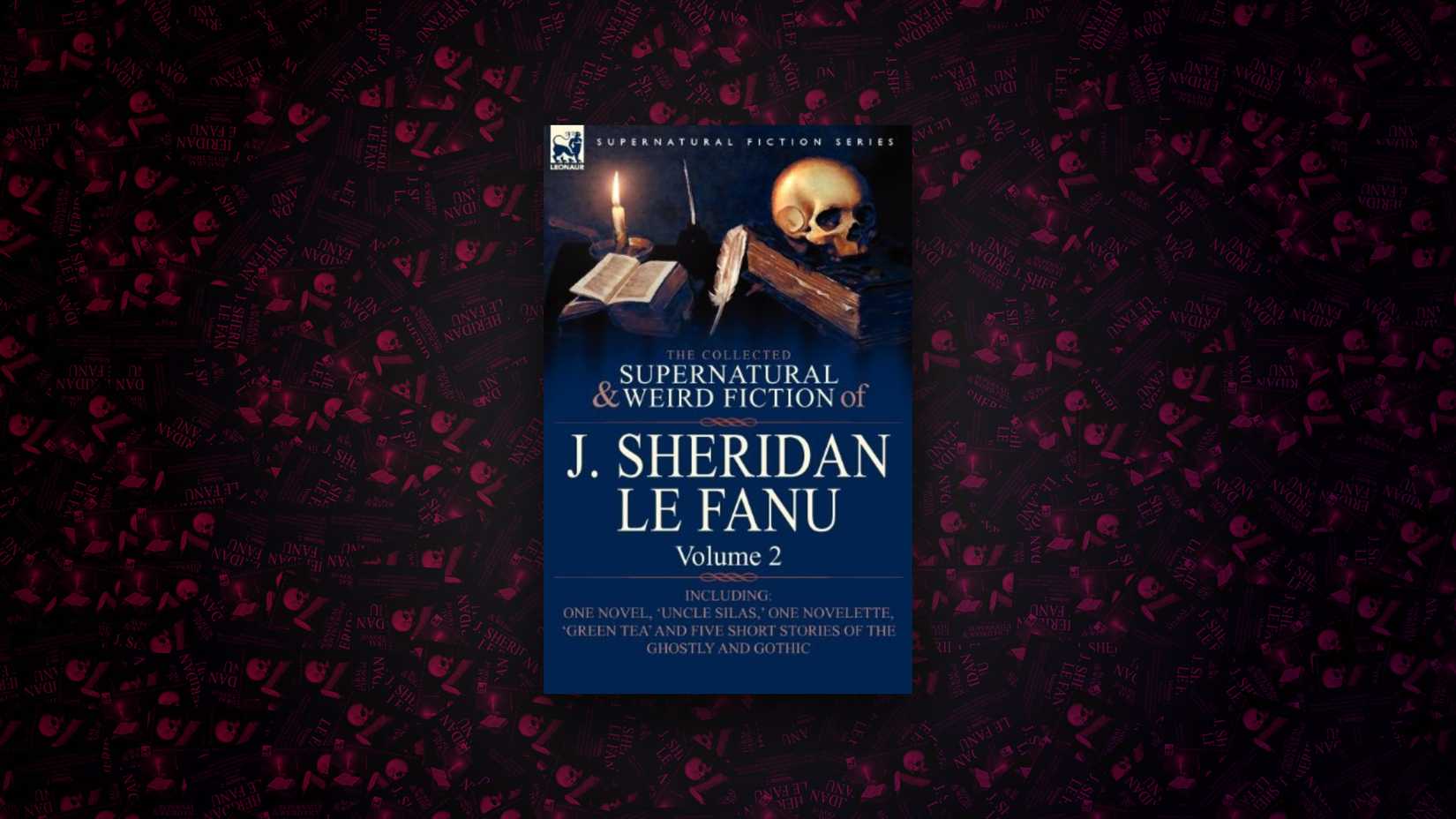
Carmilla has enjoyed a resurgence in popularity over the years. Still, the Gothic horror genre also owes a debt to Le Fanu’s 1864 novel Uncle Silas. The book grew out of his 1838 short story “A Passage in the Secret History of an Irish Countess.”
Uncle Silas pioneered the locked-room mystery format
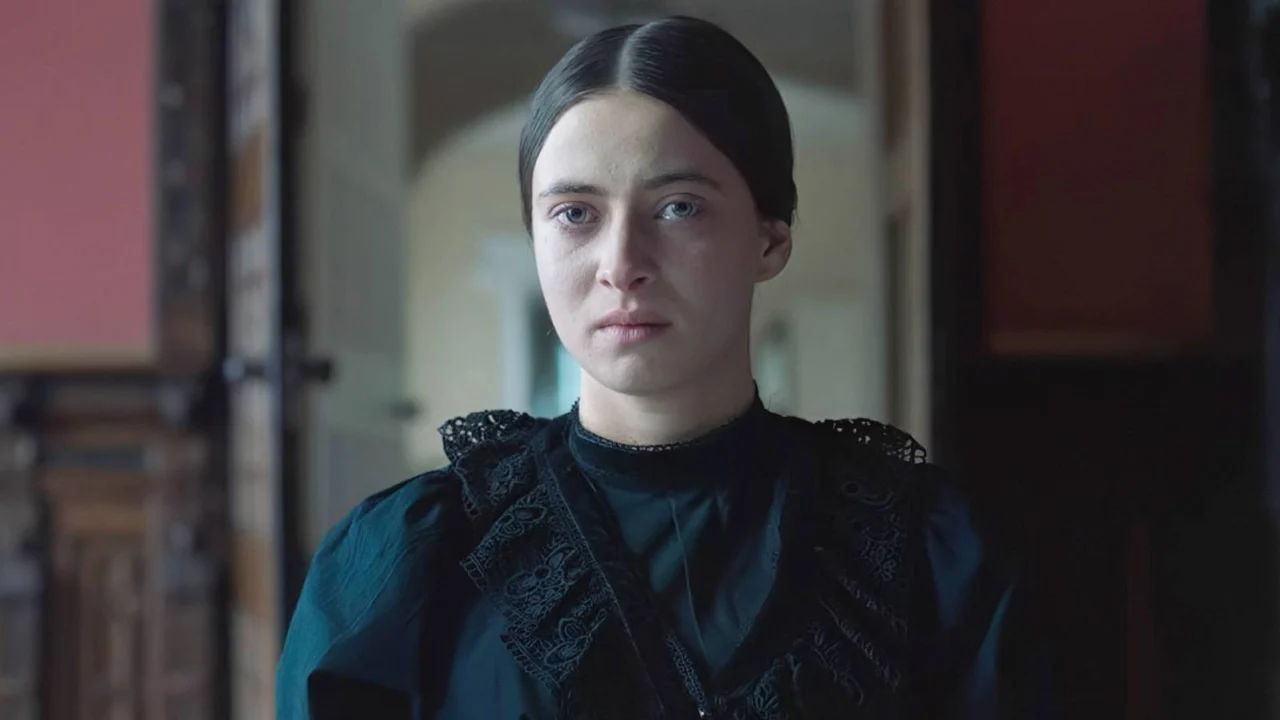
Like Carmilla, Uncle Silas opens with the first-person narration of a young woman. Heiress Maud Ruthyn lives in an opulent mansion with her somber, reclusive father, Austin Ruthyn. She recounts a childhood in isolation, with a father who stays mostly distant. She remains devoted to his wishes anyway and spends much of her time trying to understand his reserved nature. As the novel moves on, readers hear about the black sheep of the family. Uncle Silas is a notorious ex-rake and gambler who claims to have repented by becoming a reformed Christian.
Maud has reason to fear even before she meets her dubious uncle. Her father hires a governess, Madame de la Rougierre, to ease Maud’s loneliness. The woman seems both suspicious and frightening. She is even more terrifying from Maud’s naive perspective, since she actively endangers the girl at several points. Le Fanu writes her as an eldritch caricature of a human woman, which adds an eerie sense of danger to a domestic setting.
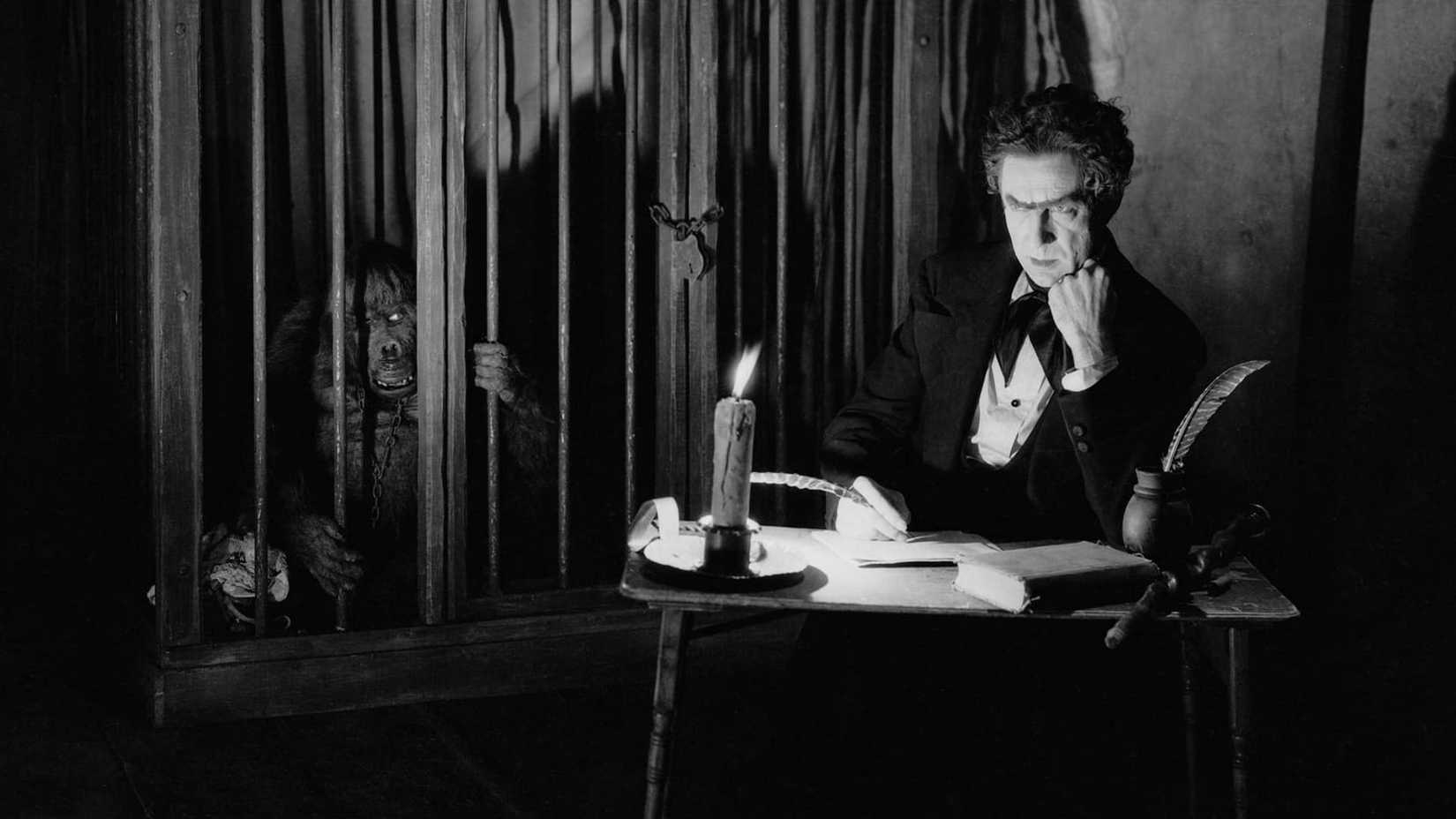
The heart of the horror, however, is a murder mystery. Silas’s mansion, Bartram-Haugh, becomes the site of a suspicious suicide. One of Silas’s major debtors is found dead inside the impenetrable house, and his already precarious reputation draws further scrutiny. Maud shares her father’s misplaced belief that Silas is innocent, so she is compelled to travel to Bartram-Haugh to clear his name. With no means of escape, she must solve an inexplicable locked-room murder. Edgar Allan Poe’s 1841 tale The Murders in the Rue Morgue is said to have popularized the format. Le Fanu, though, published “A Passage in the Secret History of an Irish Countess” three years earlier.

Polygon’s Halloween Countdown has a horror pick for every night in October.
Uncle Silas is a claustrophobic exploration of human malice
Le Fanu adds some ambiguous supernatural elements, but Uncle Silas is primarily about the horrors of human malice. Maud is a minor, and unsavory adults constantly take advantage of her. Their motivations are ones she doesn’t fully understand. Even her father puts her in a precarious position when he adds a conditional codicil to his will, which endangers her life again. Madame de la Rougierre’s evil is dramatic. Silas feels more grounded, an antagonist who pulls the strings covertly from the shadows. Even so, the book describes him as a creature haunting his mansion like a vampiric recluse.
The Gothic horror of Uncle Silas shines in Le Fanu’s ability to weave atmospheric dread into events that feel plausible. A naive child duped by manipulative adults is as real as it gets, and that realism colors Maud’s struggles. She is strong-willed and intelligent, yet her instinct to trust people leaves her helpless. Le Fanu extends this vulnerability into a fear of liminal spaces. When Maud steps into the decaying halls of Bartram-Haugh, every locked room and eerie corridor deepens her exposure.
Carmilla explores female homoeroticism and its intersection with social class. Uncle Silas, on the other hand, exposes how sharply female agency is limited in a patriarchal society that thrives on exploitation. At the halfway point, the book turns into survival horror. No entities chase Maud, but she must stay alive while cornered and with nobody to turn to. Can she outwit her captors and escape the limits of Victorian society? Uncle Silas brings that thread to a satisfying conclusion. It offers an experience more profound, and more terrifying, than the average sensation novel.
Source: Polygon
Related articles
 Valve Launches Personal Release Calendar in Steam
 Classic Resident Evil Outbreak Now Playable for Free in Web Browsers
 Flying Hopper Enemies From the Film Added to Starship Troopers: Extermination
 Hockey roguelike with referee bribes and special abilities gets full release on Steam and consoles after 3 years
 No More Room in Hell 2 Gets New Map and Progression System in Camp Blood Update
 Owlcat Shows Lady Inquisitor and Massive Power Armor in New Warhammer 40,000: Dark Heresy Teasers
 Legend of Zelda Movie Cast List: Who Plays Link, Zelda and Ganondorf So Far
 Pokémon Pokopia Player Discovers Trick to Get Missing Event Pokémon