
S.S. Rajamouli Follows RRR With His Most Epic and Personal Film to Date
S.S. Rajamouli never consciously pursued the mantle of a global icon. The visionary behind the sword-and-sandal phenomenon Baahubali, the revolutionary epic RRR, and the upcoming cross-continental odyssey Varanasi has prioritized intimate, culturally resonant storytelling over international appeal.
“When I developed RRR, the Western or Japanese markets weren’t part of the calculation,” Rajamouli explained during a conversation in Hyderabad, where production on Varanasi is currently underway. “My focus was entirely on bridging a connection with the local audience I understand. It resonated globally because the cultural textures were authentic and the emotions were palpable.”
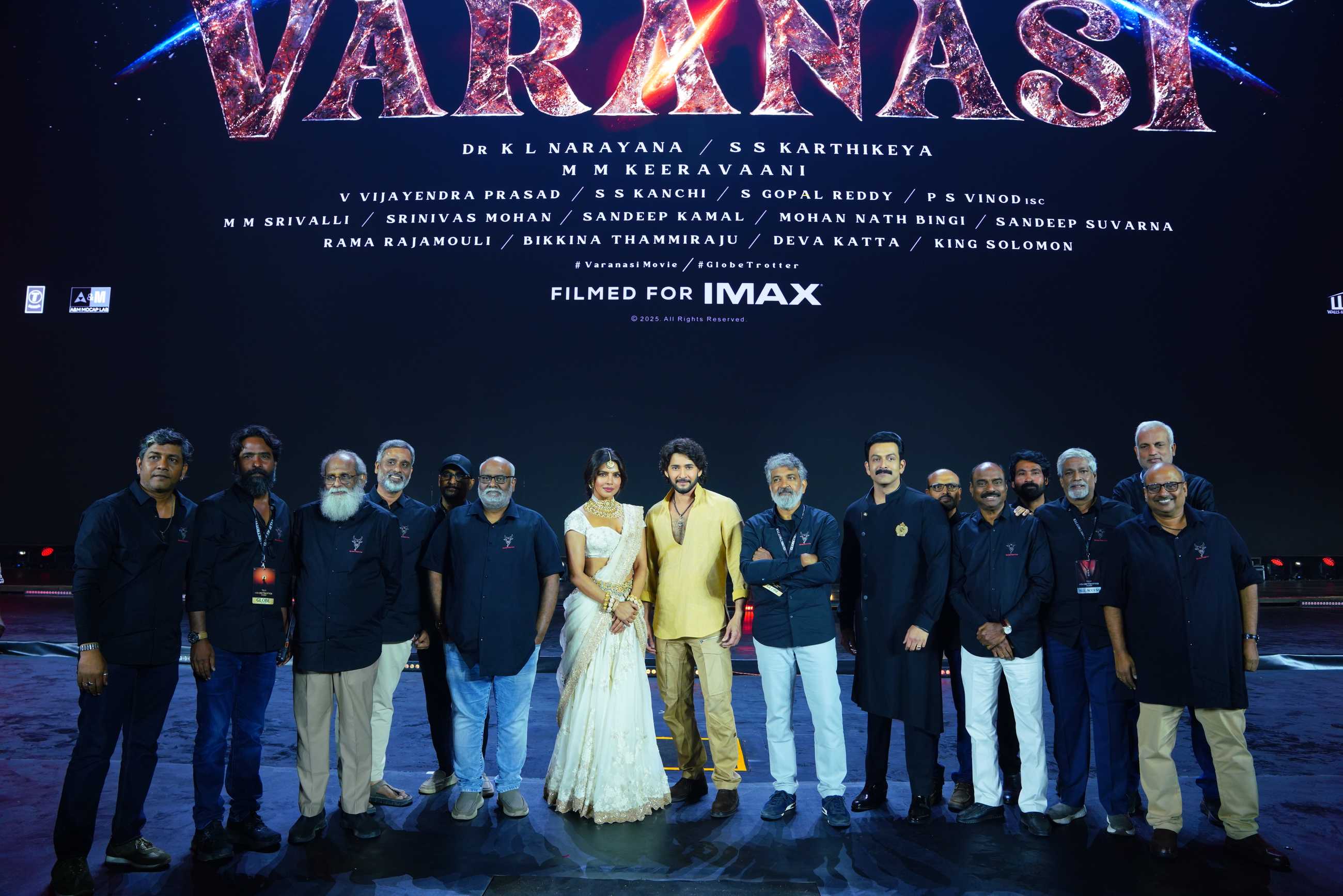
Varanasi promises an even more staggering ambition than its predecessor, weaving a narrative that transitions from ancient Hindu lore to the contemporary world, traversing landscapes from the African savannah to the frozen reaches of Antarctica. The film’s centerpiece is a direct adaptation of a sequence from the Ramayana, a foundational text originating in the 7th century B.C.E. While such deep mythological roots might seem daunting to uninitiated audiences, Rajamouli remains unfazed.
“I am convinced that to achieve a global reach, one must remain fiercely local,” he asserts. “This is the cornerstone of my philosophy, and I’ve leaned into it for Varanasi. It is steeped in Indian heritage, yet the core human struggles are universal. I trust that audiences will embrace it with the same fervor they showed for RRR.”
Several months later, Rajamouli provides an update via Zoom. Despite the demanding production schedule for Varanasi—set to debut on April 7, 2027—he is eager to discuss his creative process. His commitment to cultural grounding echoes the sentiments of fellow auteur Bong Joon Ho. Reflecting on the worldwide success of Parasite, the Korean director once remarked:
“While filming, I sought to capture a sentiment unique to Korean society, assuming it would feel distinctly ‘foreign’ to outsiders. Yet, upon release, the global response was remarkably uniform. It dawned on me that the themes were universal; we all exist within the same framework of capitalism, which explains why the film resonated across borders.”
Rajamouli finds common ground in this perspective.
“I share Bong Joon Ho’s view that the more a story is anchored in your own identity and culture, the further it can travel,” he says. For Rajamouli, the bridge to the global audience isn’t found in economic critiques, but in the visceral reality of his characters.
“Audiences connect with people, not just concepts,” he adds. “When the characters and their emotional stakes feel genuine, the viewers are naturally drawn into their world.”
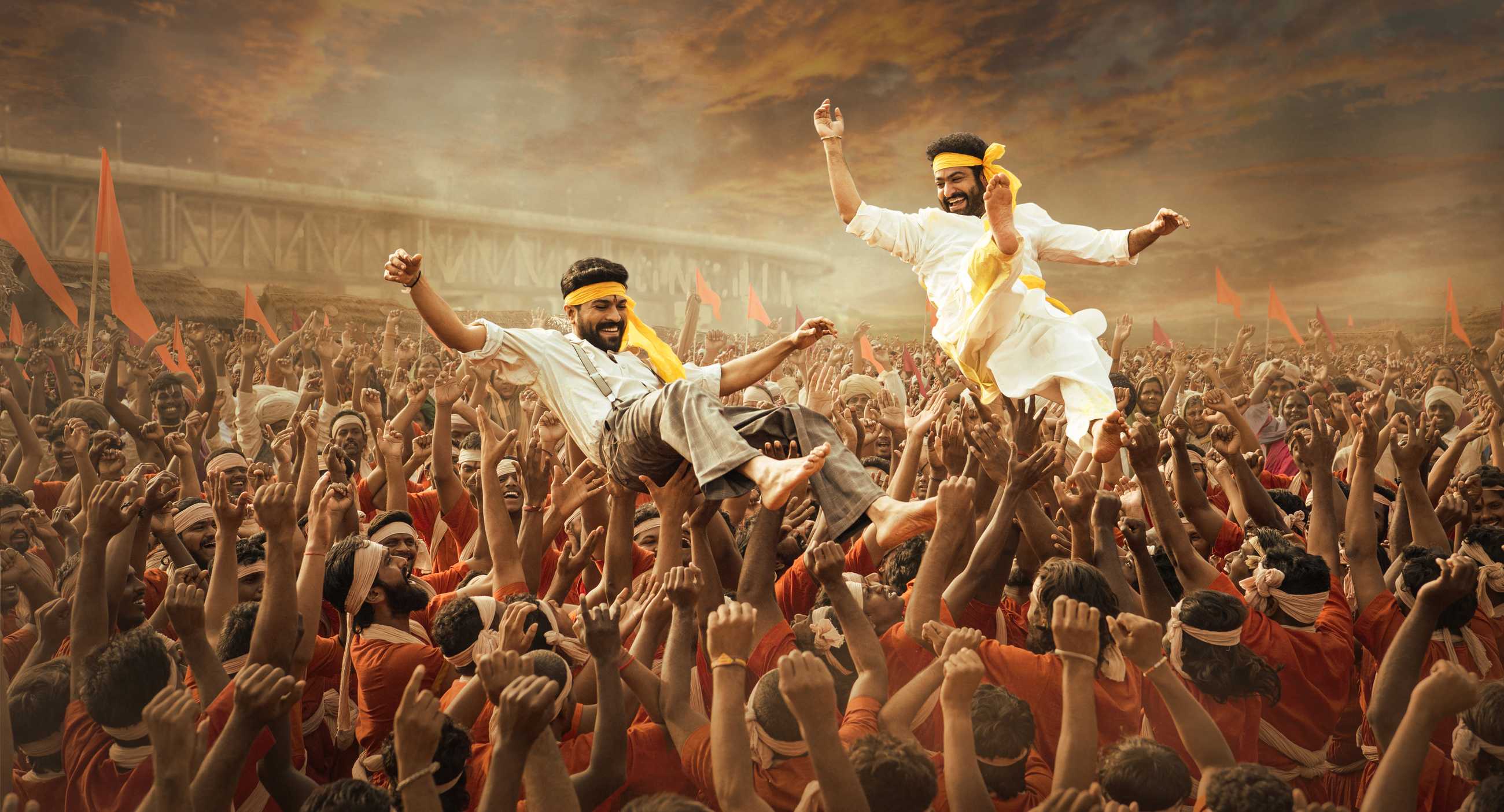
Using RRR as a prime example, Rajamouli notes that while the backdrop of 1920s anti-colonial resistance was powerful, it was the central bond between the two leads that truly captivated the world. “The setting is a revolution, but the heart of the movie is friendship,” he explains. “That connection is what people latched onto. Most international viewers aren’t familiar with those specific historical figures, but they understand the loyalty and love between friends.”
This principle extends to Varanasi, which will explicitly draw from the mythological feats of the deity Rama. “My entire filmography is influenced by the Rama epics,” Rajamouli admits. “This project finally allows me to present a specific chapter from the Ramayana in a grand cinematic format.”
However, he emphasizes that a prior understanding of the texts isn’t a prerequisite for enjoying the film. “As a storyteller, it’s my responsibility to ensure the audience never feels adrift. You don’t need to know the entire history of Rama; you only need to empathize with the characters on screen. If the emotion is clear, the narrative follows.”
In Varanasi, the pivotal relationships involve a poignant father-son dynamic and the electric chemistry between the protagonist Rudra (Mahesh Babu) and a clever thief named Mandakini (Priyanka Chopra). “Their interaction is incredibly relatable,” Rajamouli says. “Even amidst a backdrop of mythological gods and global vistas, these human connections are what anchor the story.”

Whether Varanasi will duplicate the global hysteria of RRR is yet to be seen, but Rajamouli’s unwavering belief in his “local-first” approach remains his North Star. Reflecting on his journey, he remains humble about his success.
“When Baahubali was made, we were just a regional production from the Telugu film industry,” he recalls. “We had no history of reaching a Pan-Indian audience, let alone the world. But because I made it for my people, it resonated with everyone.”
Varanasi holds the potential to catapult Rajamouli into a different stratosphere of fame. While Hollywood has come calling, he has remained singularly focused on this epic. Despite his growing friendship with James Cameron, Rajamouli politely declines any interest in massive Western franchises like Avatar. “That is a staggering responsibility. I don’t feel I’m ready for that level of machinery,” he admits.
The director’s path forward is clear: continue crafting stories that are deeply personal and culturally specific. It is a formula that has yet to falter. “The more rooted you are, the more your voice can travel across the globe.”
Varanasi is scheduled to arrive in theaters on April 7, 2027.
Disclosure: This piece was written following a press junket in India. Travel and lodging were provided by the producers of Varanasi. Further details on editorial standards can be found here.
Source: Polygon
Related articles
 Sandra Hüller Played a Role in Avengers: Doomsday
 Warhammer Team Showcases Golden Demon 2026 Miniature Painting Winners at SPIEL Essen
 Delicious in Dungeon Season 2 Character Illustrations Shown
 Report: Sucker Punch, Developer of Ghost of Yōtei, Hit by Layoffs
 Inscryption Developers Announce Mobile Version, Answer Questions About Sequel and Add-Ons
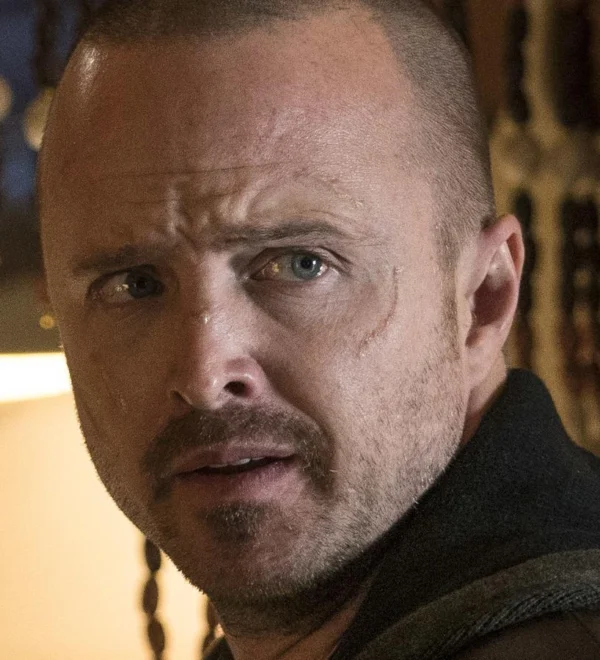 Aaron Paul Mostly Cut From “Clayface,” Director James Watkins Explains Why
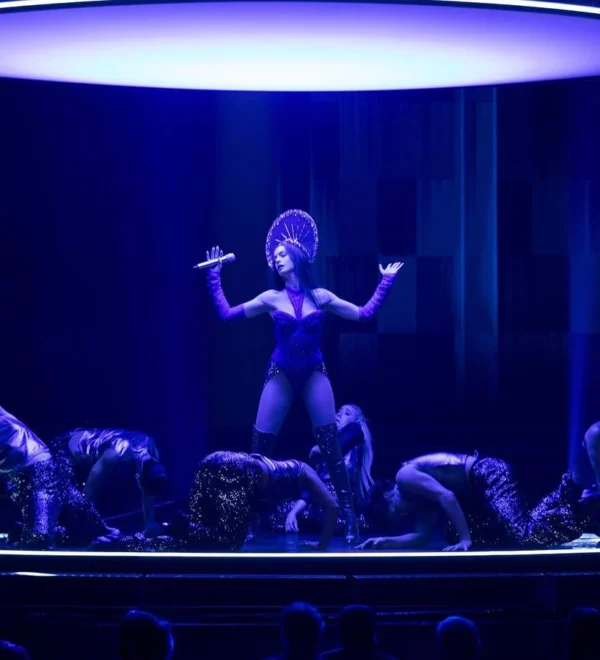 Anne Hathaway’s A24 Film “Mother Mary” Finds Streaming Audience After Box Office Struggles
 Fan-Made NFS: Most Wanted Port for Android Adds Online and Local Multiplayer Support