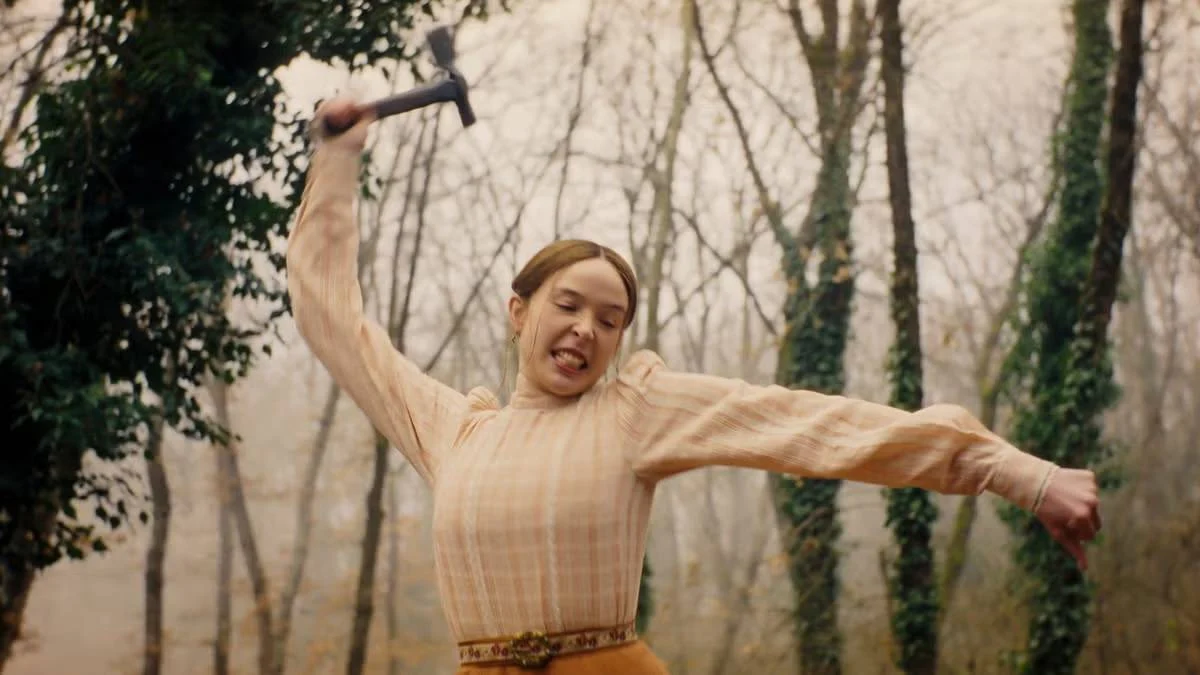
Ryan Murphy’s Monster Season 3 Focuses on Lizzie Borden
Ryan Murphy has created numerous frustrating television programs that start strong before taking bizarre turns, such as Nip/Tuck and Glee. Other projects are anthology shows that embrace wild twists, including his American Horror Story franchise.
Then comes Monster, the hit Netflix anthology exploring the stories of various serial killers. The problem arises when the series shifts its focus to a woman for the first time, and Murphy alongside co-creator Ian Brennan fail to actually understand female motivations, resulting in an unwatchable show.
Monster: The Lizzie Borden Story stars Ella Beatty as Lizzie Borden, the historical figure acquitted of all criminal charges in the murder trial of her father, Andrew Borden (Charlie Hunnam), and her stepmother, Abby Borden (Rebecca Hall). Andrew and Abby were discovered dead in their home from multiple axe wounds. The case inspired the infamous rhyme: “Lizzie Borden took an axe, gave her mother 40 whacks. When she realized what she’d done, she gave her father 41.”
The wound count lacks historical backing, and Lizzie Borden was found innocent of any wrongdoing. Nevertheless, Murphy and Brennan treat Borden as a murderous monster, completely misunderstanding the underlying drivers of such actions.
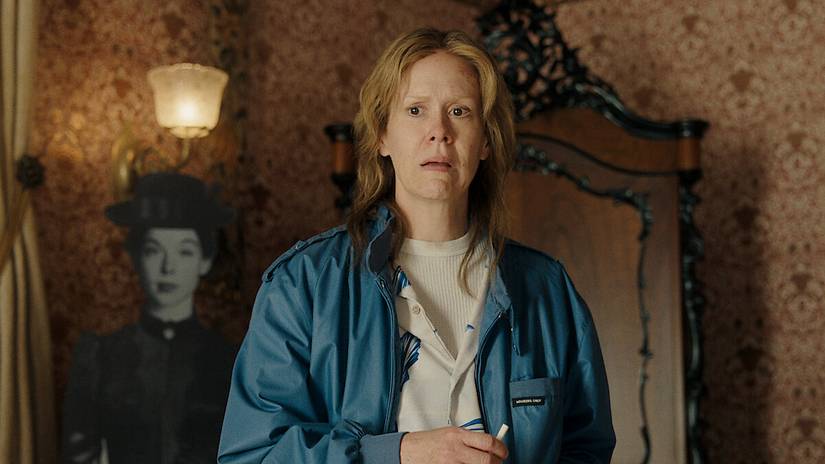
Much like Monster: The Ed Gein Story, Lizzie Borden weaves other elements of the Borden legacy into the narrative. Unlike Ed Gein, however, Murphy and Brennan fabricate facts about another serial killer to fit their overarching thesis. Another famous female serial killer, Aileen Wuornos (Sarah Paulson), is depicted as being obsessed with Borden and her perceived rage. This leads to the most frustrating aspect of the series: the exploration of female rage.
A significant portion of the story centers on Borden’s anger. Beatty lets Lizzie’s fury over her circumstances simmer until it overflows, driving Lizzie and her lover and maid Maggie (Vicky Krieps) to kill both parents so Lizzie can escape her trapped life. None of these events are confirmed facts. Like many of Murphy’s other Monster installments, historical accuracy takes a back seat to sensationalism. The genuinely interesting part of the case, which is the surrounding mystery, is discarded in favor of transforming Borden into a rage-filled murderer. Murphy and Brennan force two distinct women into a single reductive idea, resulting in an oddly sexist portrayal.
Female Rage Isn’t About Women Losing Control, Ryan Murphy

Monster: The Lizzie Borden Story forces Paulson’s Aileen Wuornos into a clumsy thematic pairing with Borden. The narrative asserts that both women allowed their anger over personal injustices to drive them to murder. For Borden, Murphy and Brennan decide she definitely killed her parents without exploring the ongoing theories surrounding the case. For Wuornos, who is typically viewed through the lens of surviving a history of sexual abuse before launching a murder spree across Florida, the creators build a baffling connection.
While Ed Gein utilized films like The Texas Chainsaw Massacre and Psycho to explore the legacy of Ed Gein, Lizzie Borden attempts a similar feat but lands on the superficial implication that Wuornos simply copied Borden.
In the series, Wuornos commits crimes because of an obsession with Borden. She tells her girlfriend, a fictionalized version of Tyria Moore named Shelby (played by Jessie Lee), that she admires Borden’s rage. The show fails to properly contextualize Wuornos’s killing spree as the result of lifelong sexual abuse, instead reducing her origin to a single attack by a man while she worked as a sex worker. The series boils down both historical figures to one woman who killed her family out of anger and another woman who fixated on her.
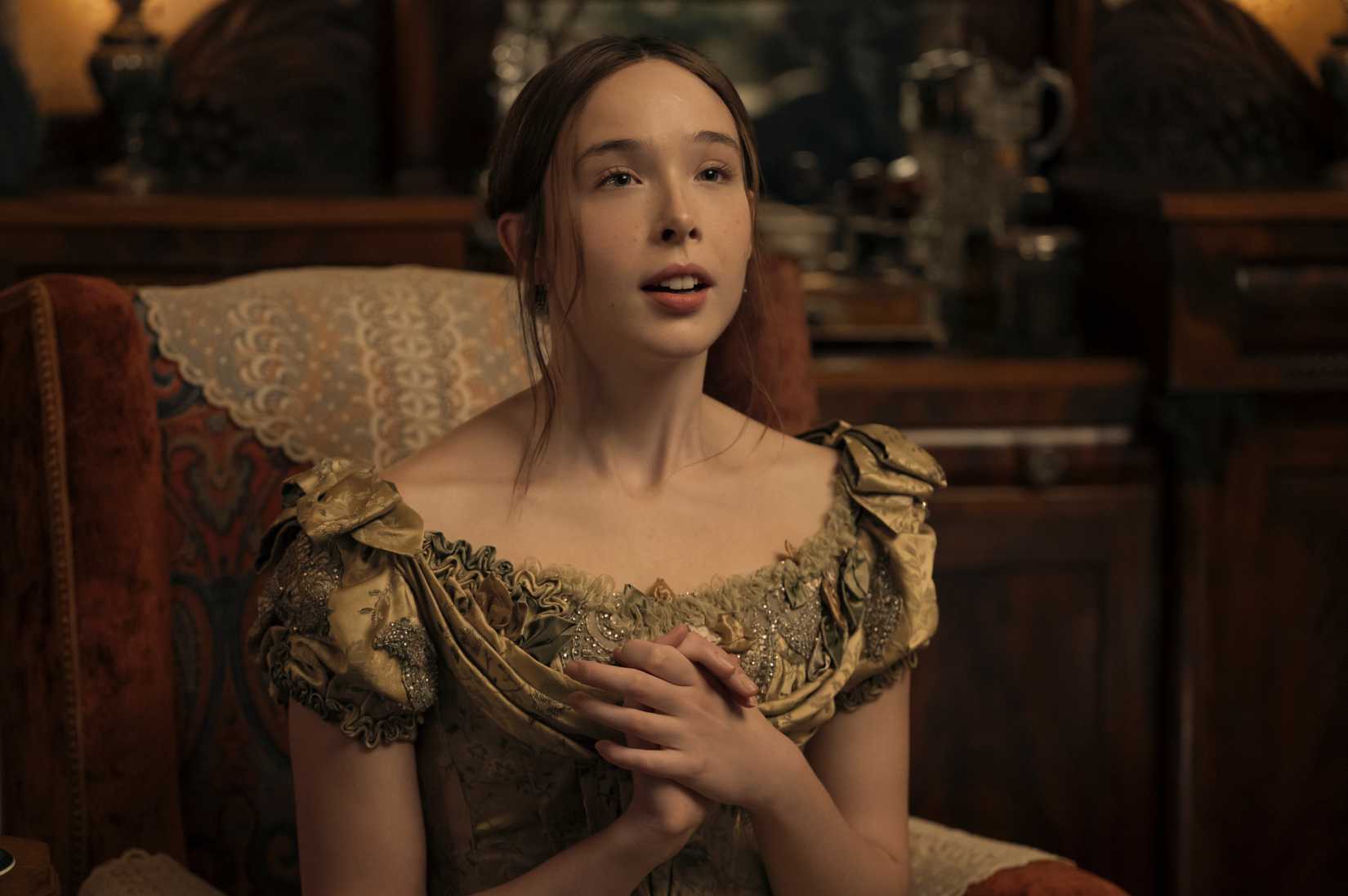
Female rage remains a complicated topic to explore, particularly when no women contributed to the writing of this show. Brennan is credited as the sole writer, and Max Winkler directed most episodes. Sarah Adina Smith directed two episodes and appears to be the only female creative behind the scenes. Consequently, the intended theme of female rage relies entirely on the talent of the female cast while getting lost in the writing. Performances make Lizzie’s rage believable and Wuornos sympathetic, but the overarching thesis collapses under the weight of Wuornos’s contrived obsession with Borden.
The show ultimately becomes laughable, which is unfortunate given that it marks the first time Murphy and Brennan centered Monster on female leads. The production operates on vague assumptions about what drives a woman to murder. The final result fails and offends viewers who might point to it as a definitive depiction of female rage.
Source: Polygon
Related articles
 Fifth Season of Ascendance of a Bookworm Announced
 Engineer builds oversized Game Boy Color Special Edition with giant Pokémon Yellow cartridge
 Chris Mars Piliero Discusses Making Upcoming Thriller Appofeniacs
 Control Resonant and Silent Hill Townfall Reviews Are the Week’s Top Stories
 Star Wars: Galactic Racer Is the Hades of Racing Games for One Ultimate Reason
 Magic Is Planning Another Kpop Demon Hunters Collab After Secret Lair Drop
 PS5 Players Report Losing Accounts to Scammers Bypassing PlayStation Security
 Analysts Estimate Wardogs Has Earned $100 Million on Steam