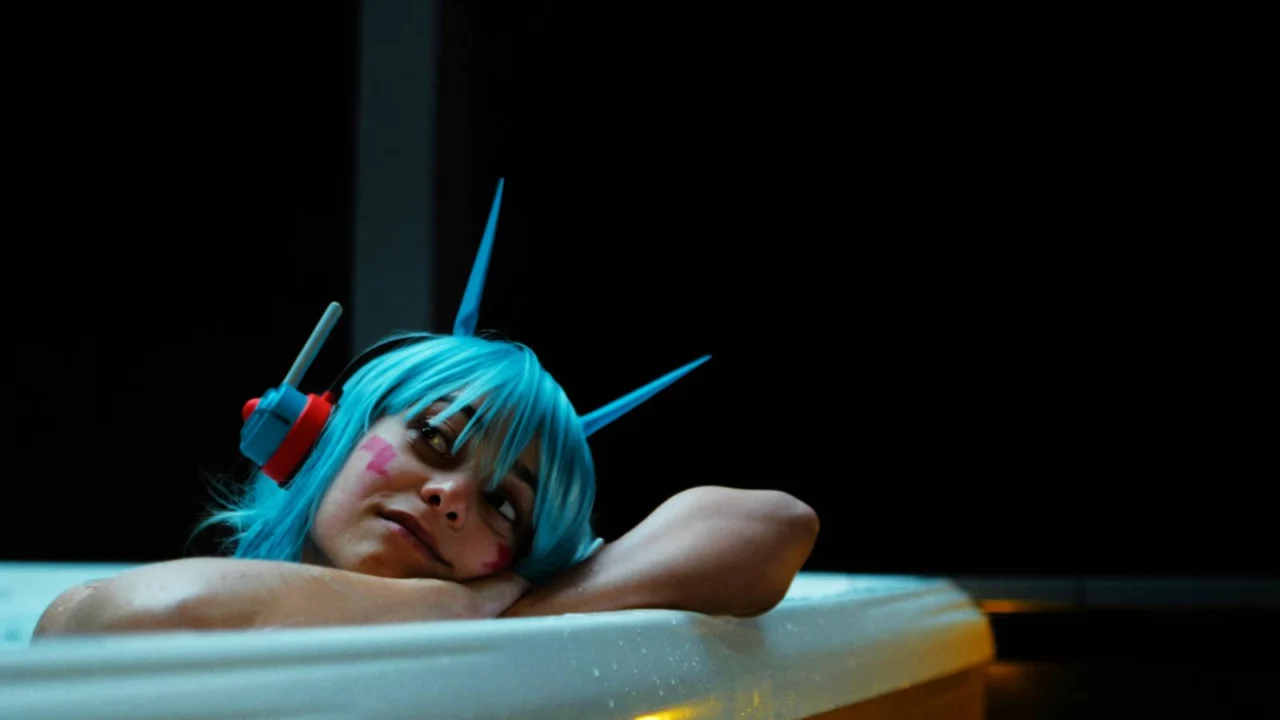
Chris Mars Piliero Discusses Making Upcoming Thriller Appofeniacs
When Chris Marrs Piliero first encountered deepfakes in 2018, his immediate reaction was fascination, followed by dread centered on all the terrifying ways the technology could be used in the wrong hands. Years later, that idea became the central premise for his debut feature film, Appofeniacs, a tech-horror thrill ride built around AI, paranoia, and apophenia, the human tendency to see patterns where none exist.
“Apophenia is our constant need to inject meaning into the meaningless,” Piliero tells Polygon.
At 47, after spending over a decade directing fast-paced music videos, Piliero stepped up to make something entirely new and all his own. His feature film debut, Appofeniacs, chronicles the bloody and interconnected fallout of deepfake media tearing through a group of Los Angeles residents over a 24-hour period. The escalating nightmare is set in motion by Duke, played by Aaron Holiday, an instigator who creates cruel AI-generated images purely out of boredom, weaponizing digital paranoia like a contagious party trick. As his fabricated footage spreads like a virus and shatters the realities of Texas Tim, played by Will Brandt, Lazzy, played by Paige Searcy, Poppy, played by Simran Jehani, and many more, the deceit sparks a wave of real-world slaughter that drags in a roster of eccentric locals, including a premium cosplay weapon craftsman named Clinto Binto, played by Sean Gunn.
In a conversation with Polygon over Zoom, the director explains everything that went into Appofeniacs, detailing how he shot the film on a Sony FX3, leaned heavily on practical effects, rewrote scenes so he could film them in his own house, and even rented out his home on platforms like Peerspace and Gigster to fund the $300,000 project.
“I would have people celebrating their birthday in my backyard while I was inside at my desk, writing the script,” Piliero says. “People get to celebrate and have a good time, and it’s actually really cool — the amount of special occasions that have happened at my home while I was in the process of creating my own important life moment. It gave me the ability to just focus, keep working on my film, and pay my bills. Though, it was definitely a good kick in the ass to finish the script and get on set. I knew it was going to be my turn soon.”
That guerrilla spirit ultimately defined Appofeniacs, a film that tackles our near-future post-truth anxiety through micro-budget ingenuity, sharp psychological observation, and an unyielding commitment to tactile horror.
The scariest monster isn’t AI
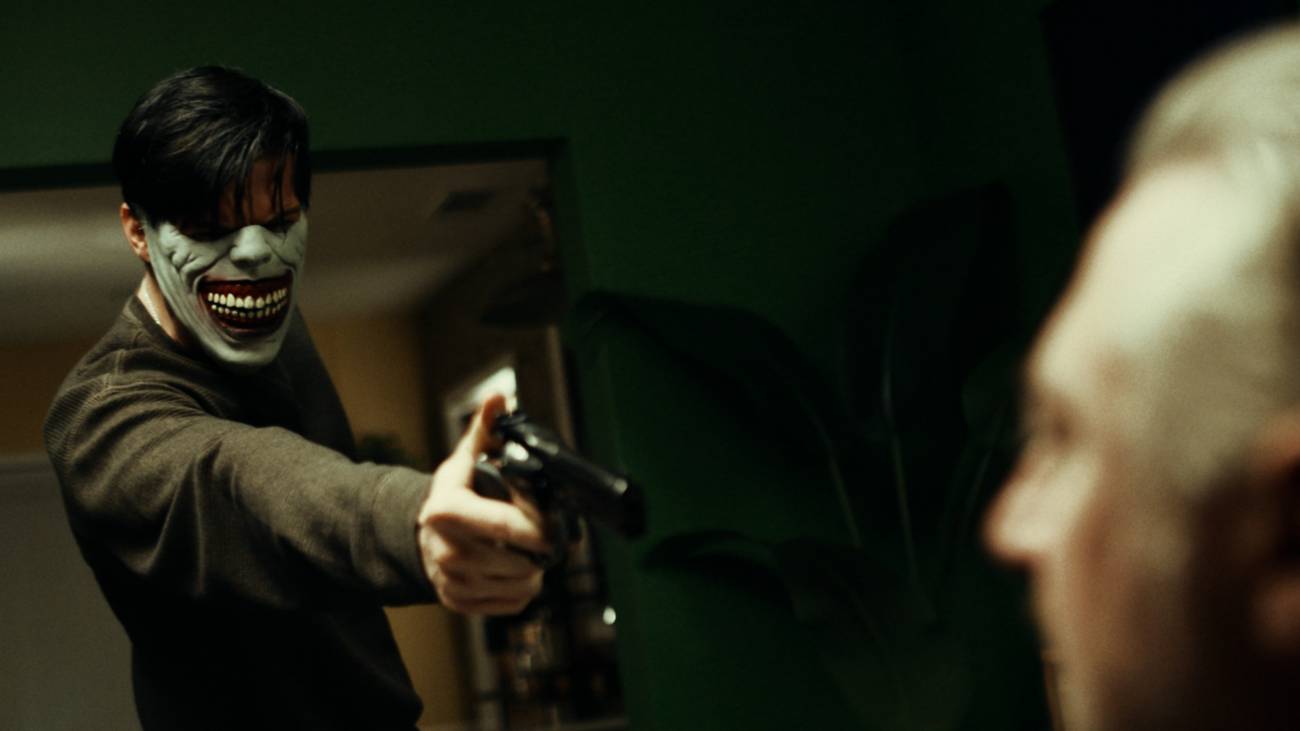
The initial spark that would become Appofeniacs caught fire when Piliero read a news report about students creating a deepfake video of their school professor to fabricate a devastating accusation against him.
“When that happened, I was like, ‘Yeah, this is exactly what I assumed would happen,'” he recalls. “And I foresaw many, many more cases of similar things happening.”
Yet as he marinated on the idea over several years, he realized the true horror wasn’t the algorithm itself. Artificial intelligence is top-of-mind for most people these days, but even in building a story around digital fabrications, Piliero insists the human drama came first.
“I wanted to focus the title more on human nature and our response to things, as opposed to the deepfake technology,” he says. “Overall, the point of the film is to put a spotlight on the fact that this technology is dangerous, but a lot of that danger comes from the way it exploits our tendencies.”
Appofeniacs anchors its central terror in apophenia, the clinical term for humanity’s innate reflex to force order, connections, and meaning out of total chaos.
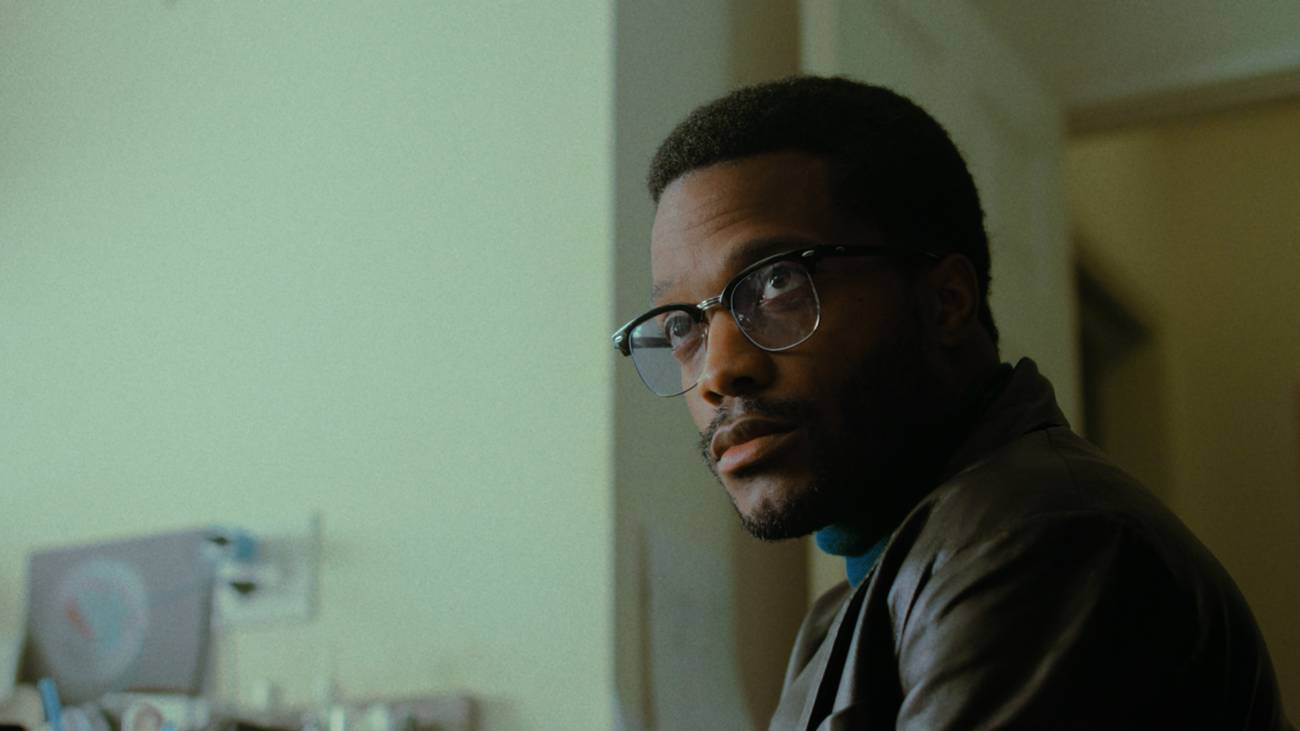
“It’s our confirmation bias,” Piliero says. “When we see something that aligns with how we already think, we’re quick to accept that it’s true because we’ve already predetermined it in our heads. Once you give someone any form of evidence that aligns with their thinking, they accept it. That human tendency is so easily exploited by deepfakes.”
In Appofeniacs, Piliero explores that psychological feedback loop across a spectrum of human reactions, from characters who don’t bother to fact-check at all to those who suspect a video might be synthetic but actively dismiss their own doubts because the fake aligns with their personal biases. The film also fractures its structure across a chaotic 24-hour period in Los Angeles, showing the mental breakdown of its ensemble cast through different perspectives.
Key to anchoring this descent is Duke, the film’s unspoken antagonist whose digital instigations set the nightmare in motion. But as his actions ripple across the city, Appofeniacs highlights an even more insidious phenomenon: people pulling an uno reverse card on reality itself, using the mere existence of deepfakes to claim that real footage is just a synthetic lie. For Piliero, this weaponized denial is just as dangerous as the fake videos themselves.
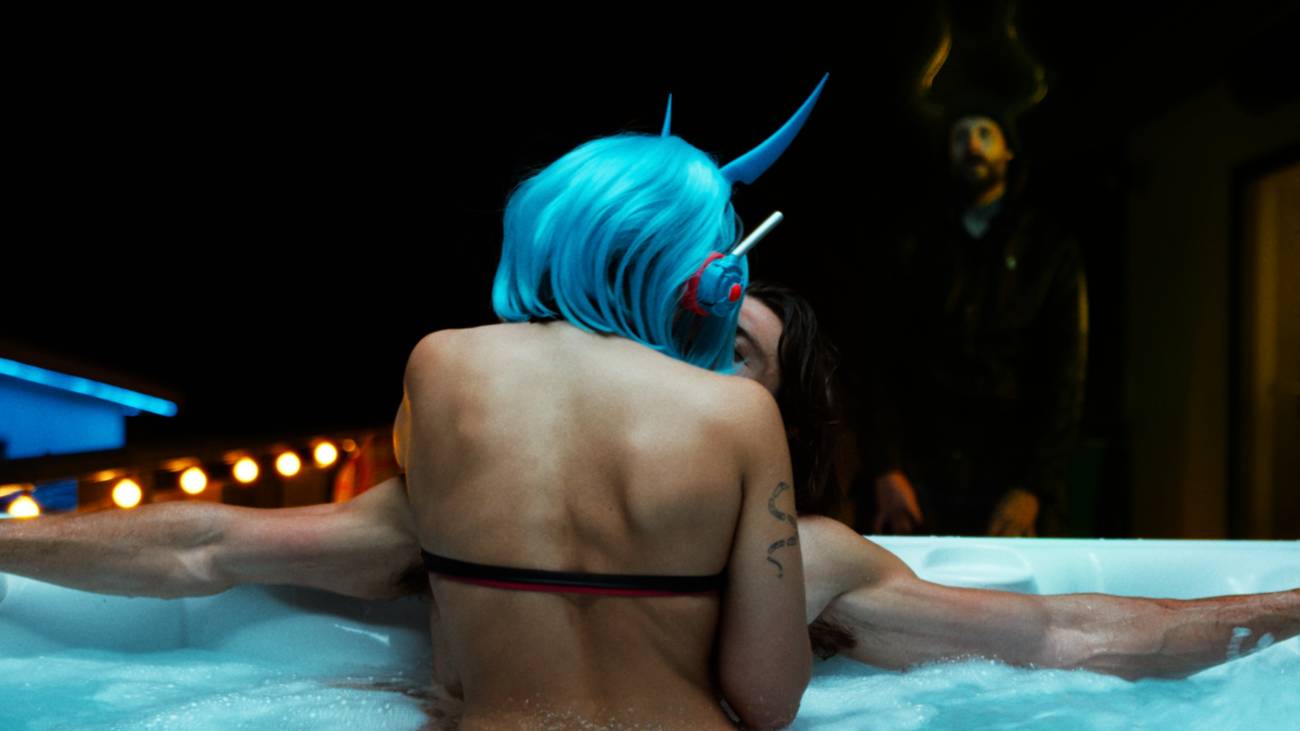
“It works both ways,” Piliero says, pointing to online sleuth communities, like Reddit’s r/isthisAI, where users obsessively analyze media. “It’s fascinating when people are so confident saying, ‘It’s AI! Look at these pixels, these don’t add up,’ and then they get completely proven wrong and it turns out to be 100% real. It’s crazy how confident people can be. That’s an interesting aspect of being human — our certainty is often our downfall. Being too overly confident in what we think we’re seeing.”
Practical blood, tiny crews, and the $300,000 hustle
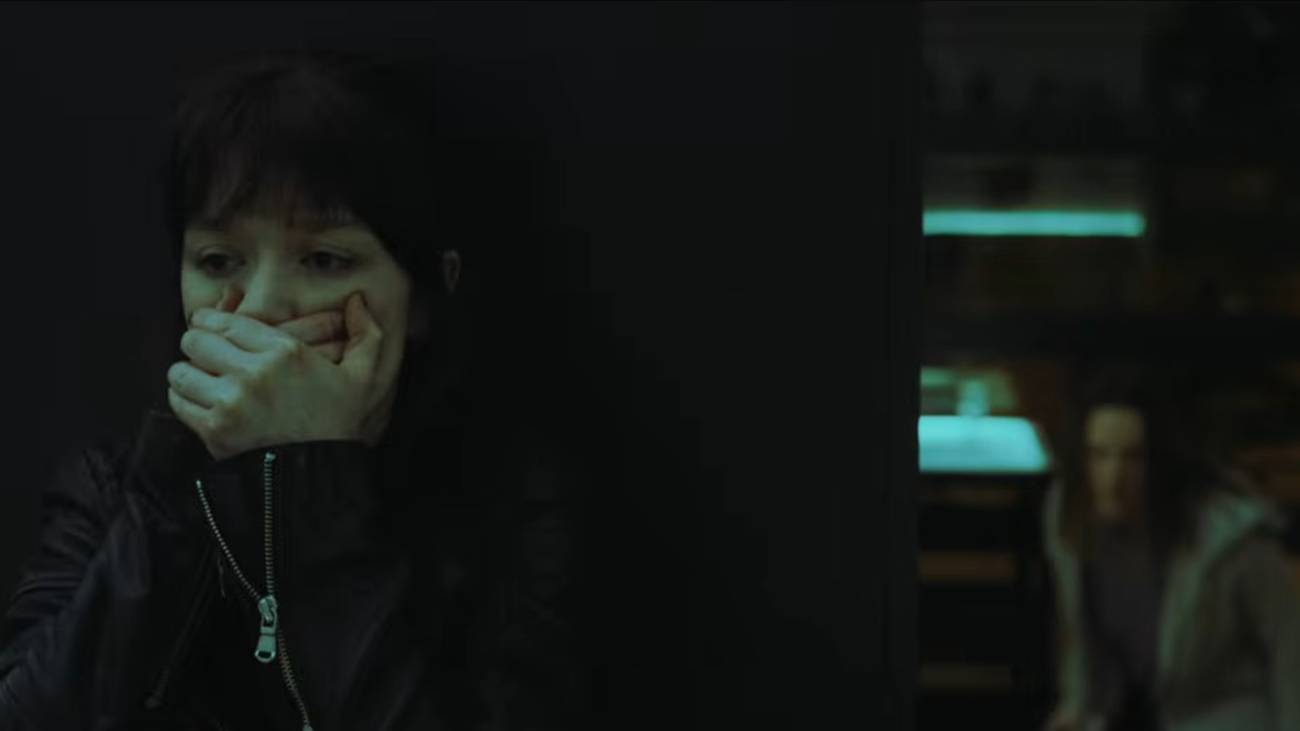
Despite making a film explicitly centered around the terrors of synthetic digital media, Piliero deliberately refused to use any cheap digital shortcuts. Appofeniacs was made on a lean $300,000 budget, relying heavily on old-school practical effects and channeling the visceral splatter-stick legacy of Sam Raimi’s The Evil Dead, one of Piliero’s favorite horror films.
“I love practical effects,” he says. “If you want your effects to look as realistic as possible and you don’t have a lot of money, you should put that money into practical effects. I cannot stand digital blood that just screams ‘I’m digital blood.’ It drives me crazy. Just give us real blood splattering.”
Working alongside a special effects makeup team consisting of Alyssa Holbrook, Allie Sheehorn, and Ingrid Weeks, Piliero ensured that roughly 75% of the film’s gore was performed practically, using digital retouching from Spitshot VFX merely to clean up seams or punch up physical carnage. Piliero points to one kill in particular where a practical air cannon misfired, threatening to ruin one of the only clean wardrobe options for a retake.
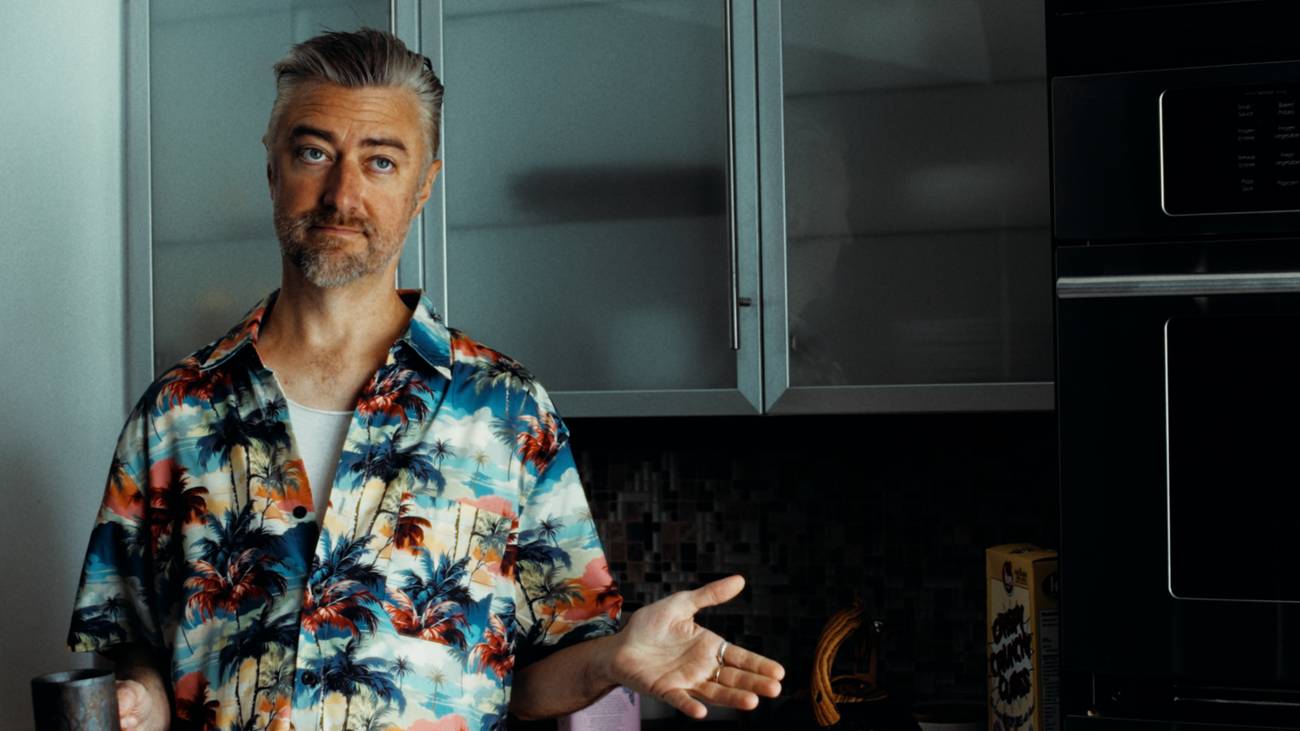
“The air cannon didn’t fully go off — it just spurted, so we got a few little blood drops on the shirt that shouldn’t be there. And it’s like, ‘Well, shit, we gotta redo this, but we’ve got blood on the outfit.’ On a bigger production, you might have four or five backup outfits. On a smaller film, you might only have two,” Piliero says. “So it was like, ‘Don’t worry about it. Keep going, and I’ll just have the VFX team paint those blood drops out so we can go again.’ That marriage between the practical and VFX teams is how you pull things off when you have such little time and money.”
Executing that level of practical gore on a shoestring budget required extreme adaptability. To save on location costs, Piliero rewrote entire sequences of the script specifically around the architecture of his own house, tailoring scenes directly to its hallways and kitchen layout. For the film’s desert sequences, associate producer Jeff Shufflebine secured his cousin’s home in the Mojave area outside Los Angeles, where the crew endured freezing sub-40-degree weather, hail, and snow on their final night of shooting.
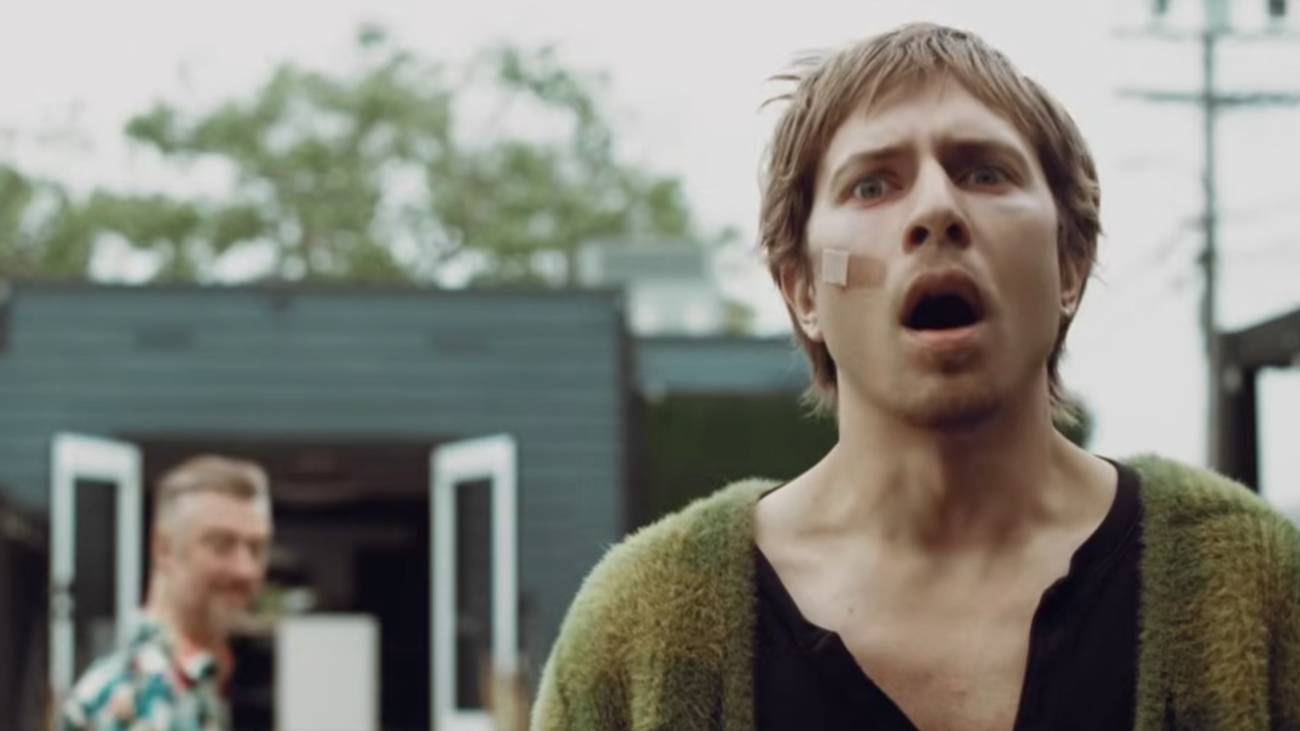
To capture it all without the bloat of a traditional Hollywood rig, Piliero and cinematographer Adam Lean opted for the compact Sony FX3 paired with affordable Rokinon cine lenses.
“When I shot music videos, we’d have crews of 30 to 50 people. On this film, our crew size was often 10 to 15,” Piliero says. “It was my DP Adam Lean, an AC, a gaffer, and a grip. That’s it. We didn’t have a DIT on set or super expensive lenses. Shooting on a small-form camera like the FX3 was crucial because we didn’t have the manpower for a larger package. But its low-light performance and cinematic look held up beautifully. My brother Mikey color-graded the film, and the goal was to emulate film as much as possible.”
The tactile nature of the shoot wasn’t just a budget consideration; it directly fed the actors’ performances.
“Giving the actors and crew something real to actually look at and interact with makes a massive difference,” Piliero says. “For an actor to react to something horrific, it’s so much more helpful to see real physical textures on set rather than just pretending in your head.”
The Real Horror Starts After the Movie Ends
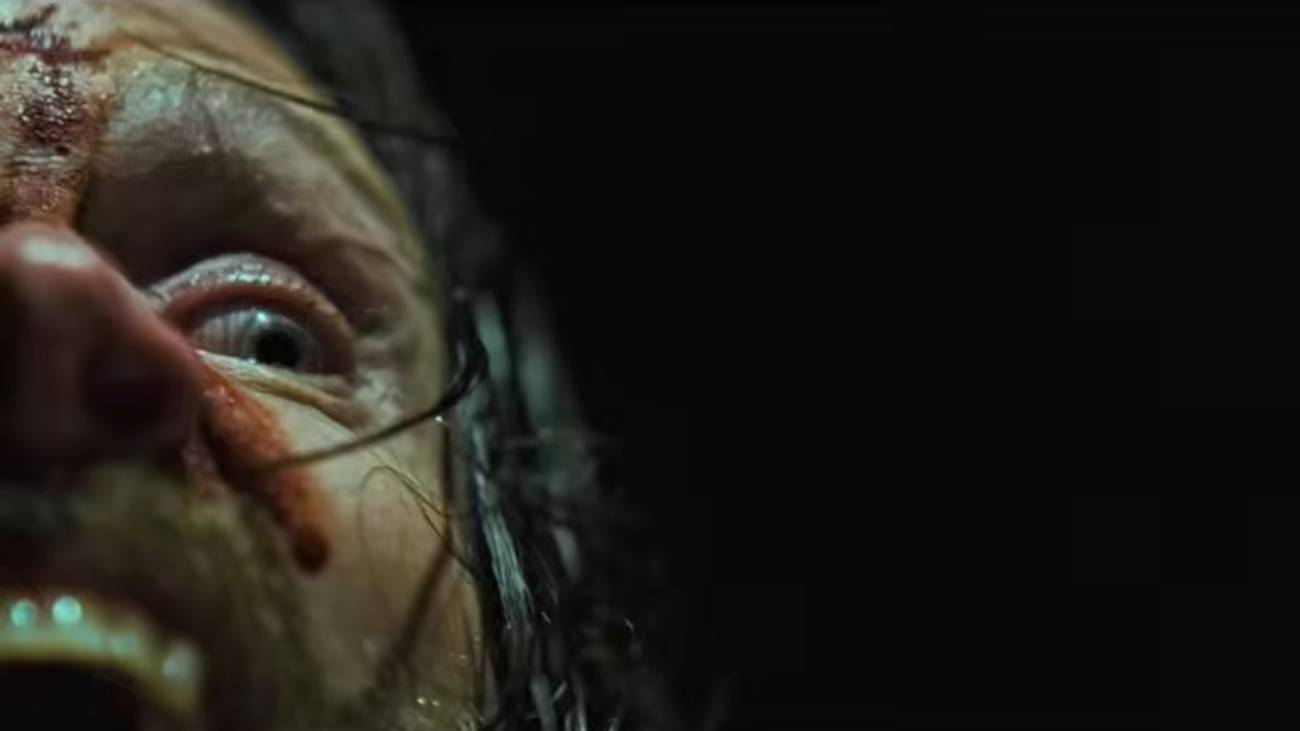
For Piliero, the true climax of Appofeniacs doesn’t actually happen on screen, but when the theater lights finally come back long after the credits roll.
“In my opinion, the scariest part of my film is when it’s over,” Piliero says. “I want audiences to feel that punch to the gut where they realize, ‘Oh shit.’ Even though we crank the knob to 11 with the set pieces and how extreme it gets, it’s all plausible. Reality is about to get really confusing.”
Rather than offering a comfortable resolution, Piliero hopes the film serves as a jolt of necessary skepticism for an era where online media is becoming increasingly indistinguishable from fabrication.
“I hope people add apophenia to their lexicon. Being aware of that tendency is how you remind yourself to double-check facts and stay mindful of your own confirmation bias,” he says. “Anytime something is presented to you, take a pause, step back, and ask why you’re being fed that information and why you lean toward agreeing with it.”
“The only way we can properly fight what’s coming is by proactively planning to be skeptics. Our overconfidence and certainty as humans is often our downfall.”
Appofeniacs is in theaters Oct. 2
Source: Polygon
Related articles
 Fifth Season of Ascendance of a Bookworm Announced
 Engineer builds oversized Game Boy Color Special Edition with giant Pokémon Yellow cartridge
 Control Resonant and Silent Hill Townfall Reviews Are the Week’s Top Stories
 Star Wars: Galactic Racer Is the Hades of Racing Games for One Ultimate Reason
 PS5 Players Report Losing Accounts to Scammers Bypassing PlayStation Security
 Analysts Estimate Wardogs Has Earned $100 Million on Steam
 Stephen Colbert Lord of the Rings Movie Still in Development
 Runtime for all eight episodes of Vision Quest finale revealed to exceed one hour