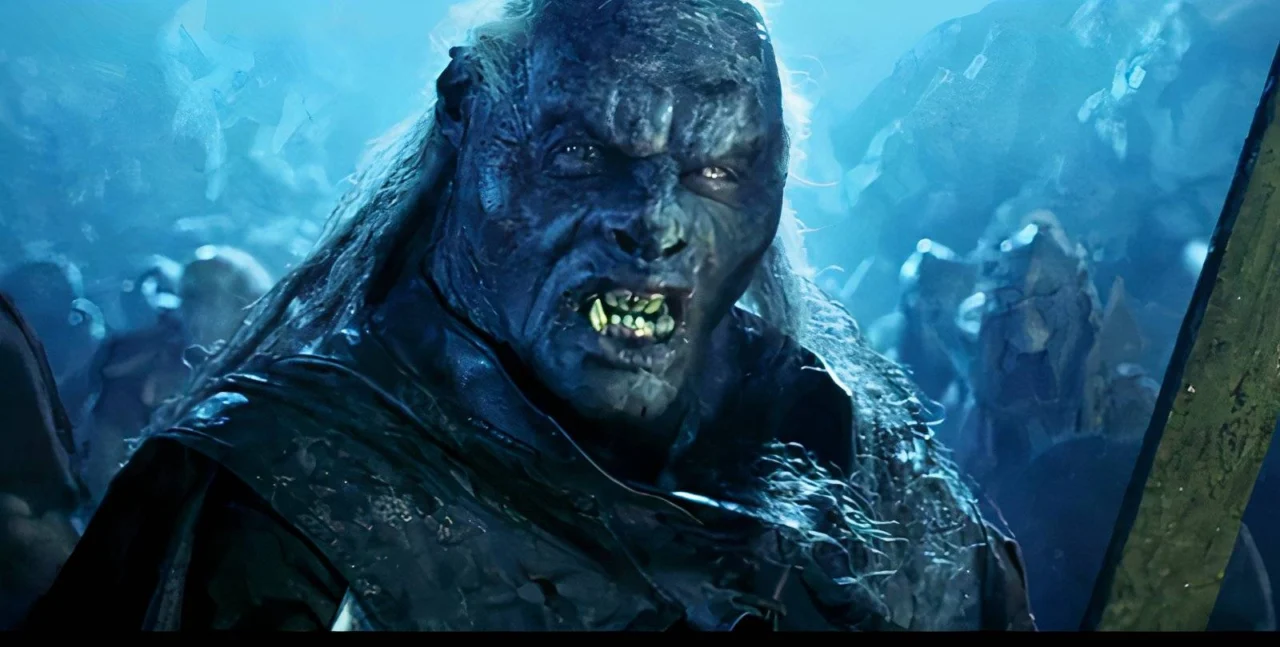
Rings of Power Season 3 to Introduce Character That Subverts Tolkien Mythos
The Age of Men is over, and the Age of the Orc Discourse has begun. In a recent interview with IGN about the upcoming season of The Lord of the Rings: The Rings of Power, co-showrunner Patrick McKay said big changes are coming, including a five-year time skip. McKay described season 3 as a soft reboot of sorts. While that is a big deal, another line in the interview stands out for Tolkien fans by introducing an Orc with an arc.
McKay explains that the new season introduces an Orc named Marnûkh, who says he is a defector from Sauron’s army wanting to help defeat his old boss. He claims to know all kinds of things about Sauron’s strategy and reveals to the Elves that Sauron is trying to make the One Ring. McKay stated that if Sauron succeeds, he will defeat everyone, including the orcs, because the One Ring will make them subservient and slaves forever, leaving no room for another Orc rebellion like the one led by Adar, who died last season. Episode director Sanaa Hamri added that she has a real soft spot for this Orc and thinks the audience will feel torn about Marnûkh.
Having an Orc with an arc matters because Orcs in Tolkien’s Middle-earth have traditionally been portrayed as universally evil brutes who carry out Sauron’s bidding without question. While Orcs are capable of speech, which implies they are sentient, they do not seem capable of moral good. The Rings of Power plays with that concept by introducing an Orc who works with the protagonists.
This is not the first time The Rings of Power has deviated from traditional portrayals of Orcs. Last season featured a brief glimpse of an Orc with a family. The story also introduced Adar, an Elf whom Morgoth corrupted into one of the first Orcs, but who fought against Sauron.
Tolkien wasn’t satisfied with his own handling of Orcs
The subject of Orc sentience and morality has been a hot topic for decades, and J.R.R. Tolkien contributed to it himself. He once described The Lord of the Rings as a fundamentally religious and Catholic work and struggled with the moral dilemma introduced when he made Orcs able to speak. In Tolkien’s view, their ability to reason meant they were open to morality and, in a Christian framework, could be seen as having souls. However, if Orcs had souls, portraying them as fundamentally evil and having them thoughtlessly slaughtered en masse becomes problematic.
For example, this dilemma came to a head in the game Shadow of Mordor, which introduced Orcs with distinct personalities while simultaneously encouraging players to slaughter and enslave them through mind control. The portrayal of Orcs as beings capable of reason while remaining fundamentally other has frequently been compared to real-world racism, as noted by the Tolkien scholar Robert T. Tally.
Tolkien attempted to solve the problem of Orc souls by proposing several contradictory origins for the creatures. These included theories that they were intrinsically evil beings directly created by Morgoth, that they were essentially beasts, and that they were corrupted Elves, which is basically the approach the television show takes. Tolkien was never fully satisfied with any of those origin stories.
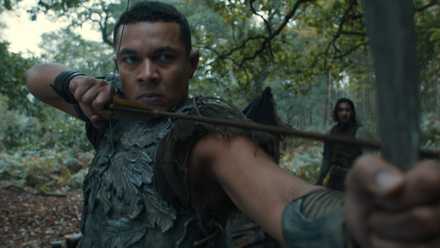
Audiences will discover whether The Rings of Power found a worthwhile solution to this age-old problem when the series debuts on Prime Video on Nov. 11.
Source: Polygon
Related articles
 Analysts Say Gran Turismo 7 Is Not on PS Plus Because It Has Earned Sony Hundreds of Millions of Dollars
 Mike Flanagan Hints at Unexpected Approach to Warhammer 40,000 Series Starring Henry Cavill
 Ganondorf’s Castle Walkthrough in The Legend of Zelda: Ocarina of Time
 Study Confirms Impact of Social Messaging on Video Game Sales
 Blue Eye Samurai Season 2 Gets Trailer and Release Date as Mizu Heads to London
 Crimson Desert: Patch Notes for Version 2.04.07
 Animated Western ‘Bass X Machina’ Debuts on Netflix With 100% Rotten Tomatoes Score
 Script Draft for Netflix’s Gears of War Movie Is Complete