Ridley Scott’s Hannibal Removed From YouTube 25 Years After Release
“The book is better than the movie” is a familiar refrain. A novel can give its characters more room to develop, pace its plot differently or simply have a stronger emotional effect. But some films do more than transfer a story to the screen.
Ridley Scott’s controversial 2001 film Hannibal is one of them. It was recently free to watch on YouTube but has since left the platform. It is still available with an MGM Plus subscription.
This article contains spoilers for the 1999 novel and the 2001 film adaptation of Hannibal.
Scott seemed well suited to the material. He had demonstrated his visual skill in 1982’s Blade Runner and his command of horror in Alien. Thomas Harris’ incarcerated psychiatrist Hannibal Lecter also had a devoted following. By 1999, the 1988 novel The Silence of the Lambs had sold more than 10 million copies, and its 1991 film adaptation had grossed more than $273 million worldwide.
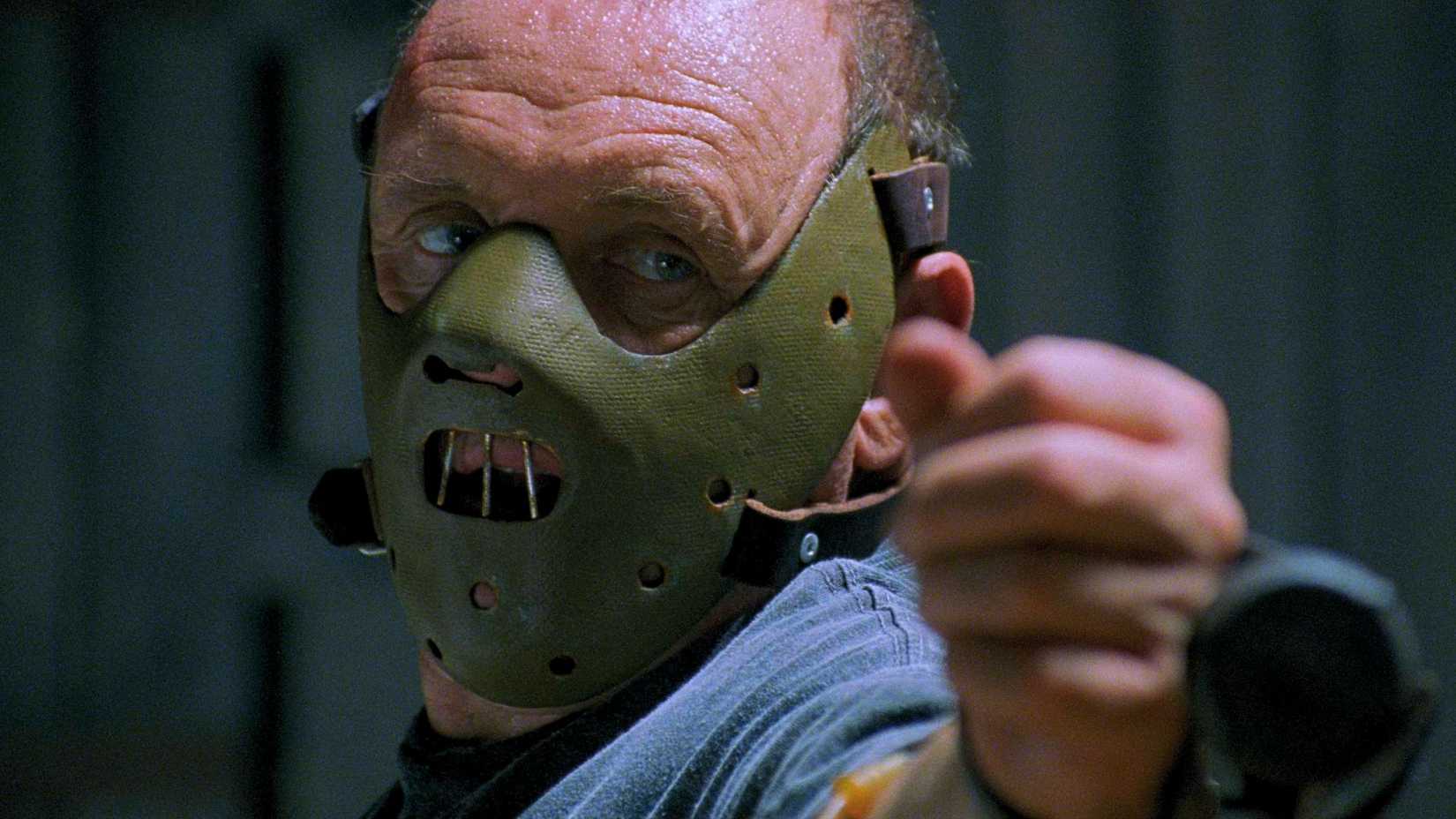
Producer Dino De Laurentiis held the film rights to Lecter after making the 1986 adaptation Manhunter, which flopped. Harris’ sequel followed in 1999, though he reportedly did not want to write it. Scott’s adaptation arrived in 2001. Both versions of Hannibal take place several years after The Silence of the Lambs.
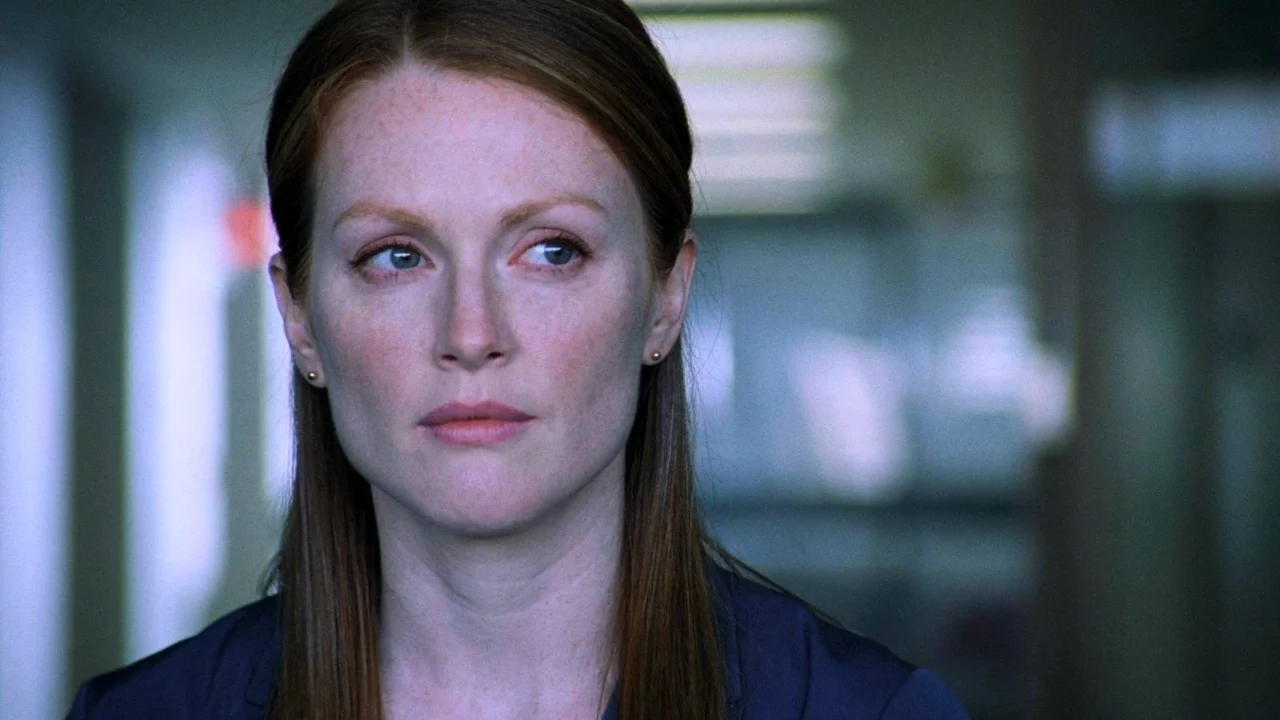
In the film, Hannibal Lecter (Anthony Hopkins) tracks down Clarice Starling (Julianne Moore, replacing Jodie Foster) after a raid goes wrong and FBI higher-ups blame her. Jaded but determined to do what is right, Clarice resumes her hunt for Hannibal, with whom she developed a complicated relationship while pursuing the serial killer Buffalo Bill.
One of her few leads is Mason Verger (Gary Oldman), a depraved pedophile and former patient of Hannibal’s. Without Clarice’s knowledge, Mason is also hunting Hannibal, hoping to feed him to his pigs. Meanwhile, Hannibal enjoys life as an art curator in Italy while keeping track of Clarice’s deteriorating reputation at the FBI.
The controversy over the Hannibal novel
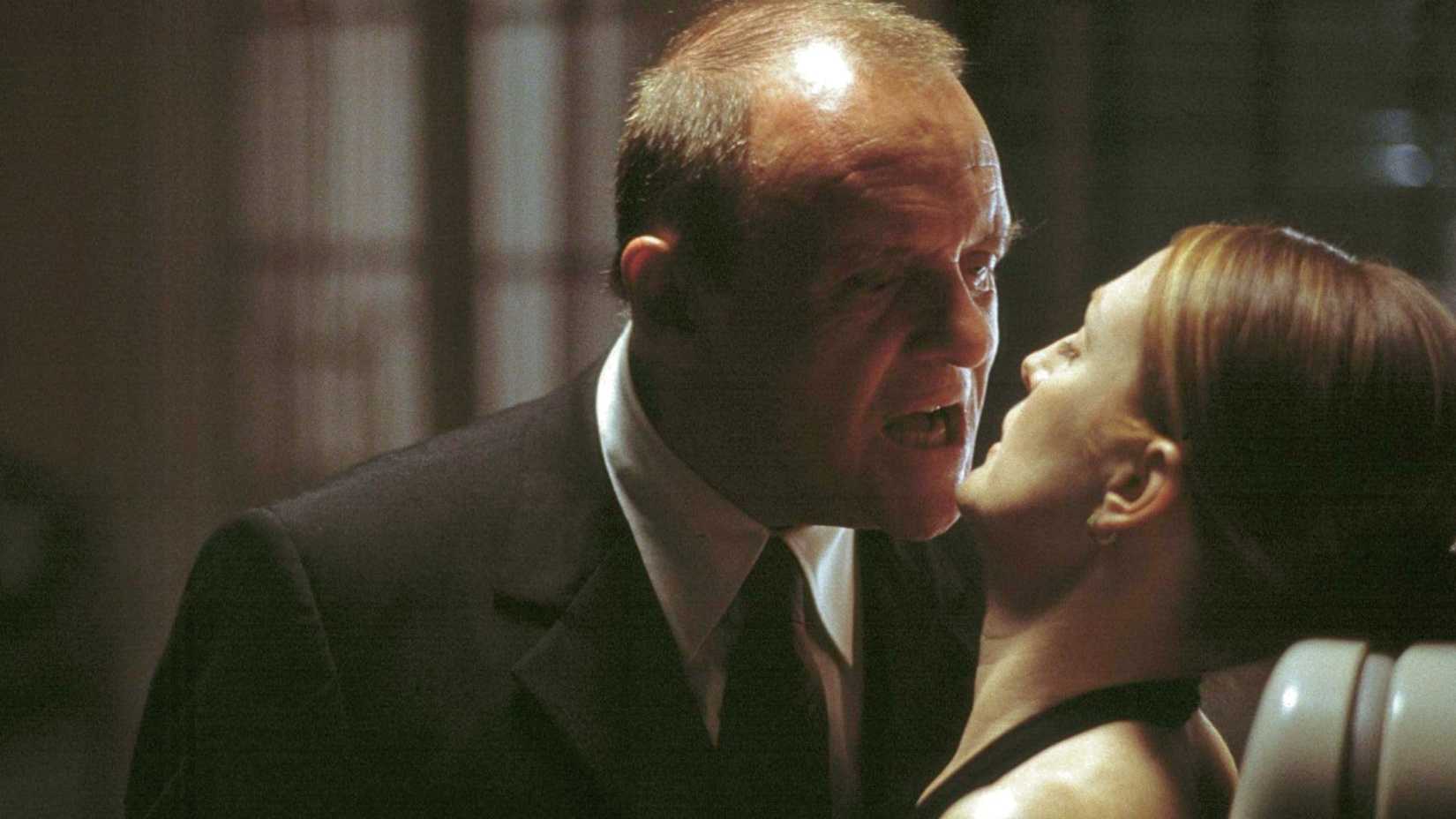
Scott and De Laurentiis faced a difficult task. The Silence of the Lambs was a beloved film, while Harris’ sequel had proved controversial despite its commercial success. Where The Silence of the Lambs built quiet unease, Hannibal often seemed to chase shocks. Its most troubling turn came at the end, when Clarice enters a romantic relationship with Hannibal after he tortures and brainwashes her.
The ending has left readers divided for decades. Foster and The Silence of the Lambs director Jonathan Demme objected to the treatment of Clarice, a fiercely intelligent young woman reduced in the sequel to a shadow of herself.
“It was easy,” Foster told Variety, recalling her decision not to return. “We [herself and Demme] waited years for that novel that Thomas Harris said he was writing, that he probably wrote in eight weeks.” She said Demme declined because he didn’t “appreciate” the book.
In a 2005 interview with GamesRadar, Foster said she officially turned down the role because she was filming something else. She added that Clarice meant so much to her and Demme that there was “no way that either of us could really trample on her.”
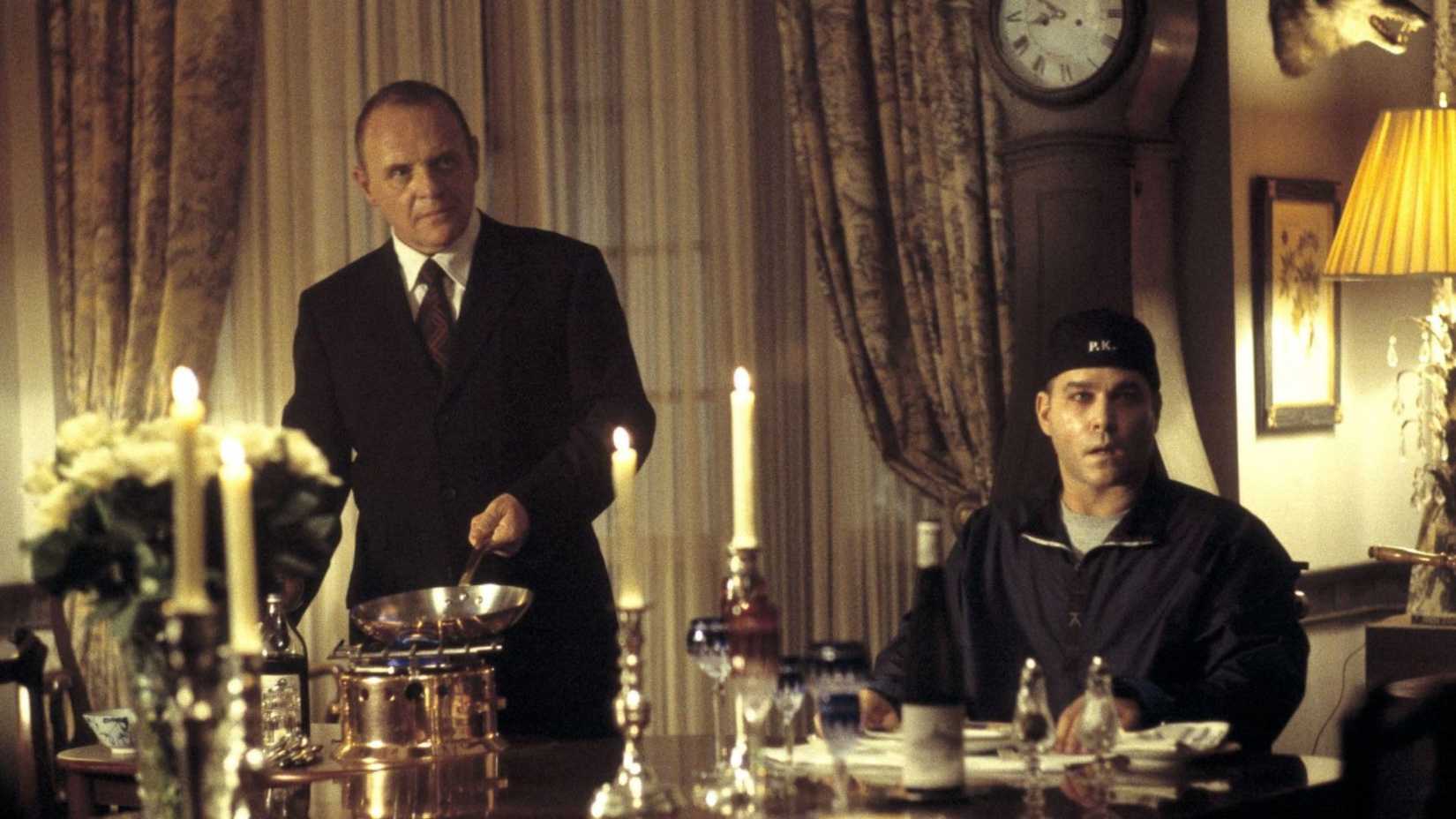
Unlike Demme, who had aimed to stay close to Harris’ material, Scott changed the ending. Clarice tries to arrest Hannibal in her kitchen by handcuffing him to herself, unaware that he is willing to cut off his own hand to escape. She still fails to capture him, but she retains her sanity.
Reactions to the change vary. Some fans see it as a correction to misogynistic writing. Others argue that a story about Hannibal Lecter carries the expectation that terrible things will happen to people, even major characters. Lecter consumes people metaphorically as well as physically, which can make his brainwashing of Clarice feel poignant.
Hannibal did not match the success of The Silence of the Lambs. Some critics and audiences felt that Scott sacrificed tension in favor of gore, violence and shock. The response was disappointing, though perhaps unsurprising given that the novel had alienated people who loved working on the previous film.
Even so, Scott’s Hannibal deserves another chance. Oldman gives one of his best performances as Mason Verger, combining disgust and terror until even the hiss of the machines keeping Mason alive becomes unnerving. Moore makes Clarice her own, conveying the character’s determination and zeal.
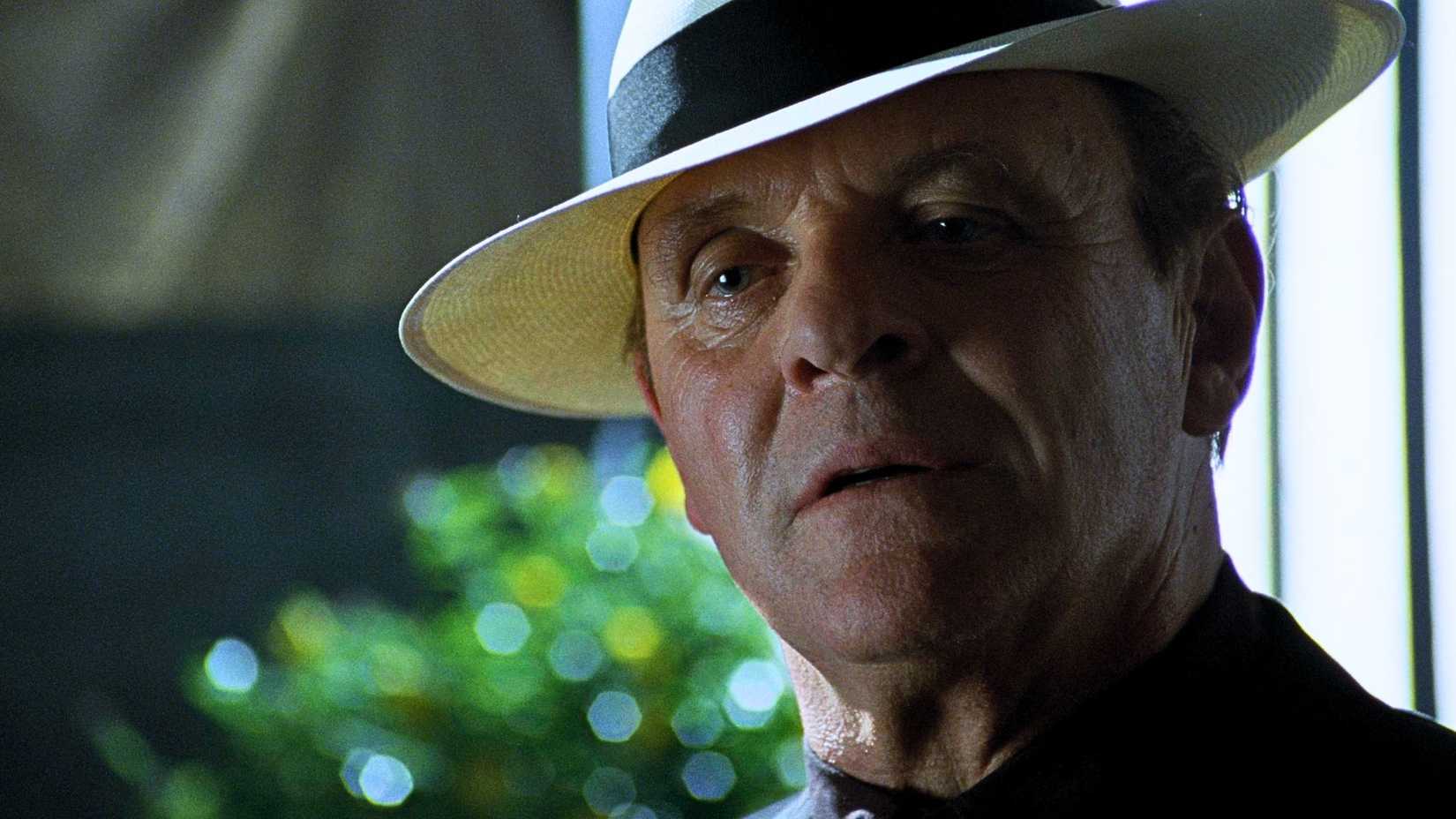
Hopkins’ return as Hannibal is the strongest reason to revisit the film. His portrayal was unnerving in The Silence of the Lambs, but here he gets to show Hannibal living in freedom and luxury. The performance can be campy, yet Hopkins retains the character’s lurking menace.
Hannibal was always going to struggle to follow The Silence of the Lambs, a beloved horror-thriller that challenged the status quo. The sequel loses much of what made Hannibal so captivating, but it remains worth considering for fans of Lecter and viewers interested in Scott working outside his usual science fiction fare.
Source: Polygon
Related articles
 Take-Two Boss Made His Wife Pay With Her Own Card After She Asked for Bonuses in a Company Game
 Postal 2 Redux Remaster to Get Apocalypse Weekend Re-imagined Expansion
 GTA: San Andreas Actor Behind CJ Denies Rumors He Is Unhappy With His Pay for the Role
 Dragon Age Writer Helped Owlcat Develop The Expanse: Osiris Reborn
 Chris Pratt’s 2016 Sci-Fi Thriller Passengers Is Free to Stream on YouTube
 Sony Unveils New PlayStation Plus Bonuses, but Unhappy Fans Want Discs Back
 Former Square Enix Manager Criticizes Steam for Not Fulfilling Its Duties
 8 Near-Perfect Netflix Miniseries With 10 Episodes or Fewer