Revealing The Legend of Zelda: Ocarina of Time was a massive mistake
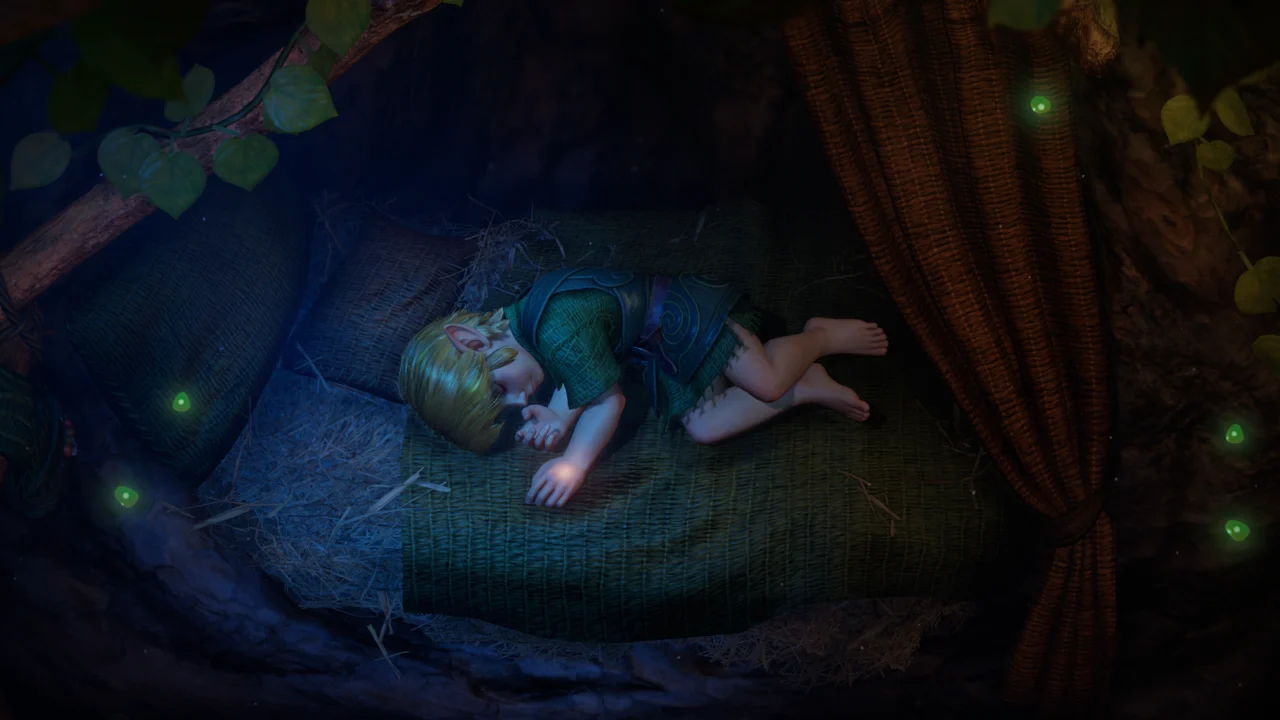
It is futile to hope for a world entirely devoid of leaks, but let us suspend our cynicism for a moment. Picture, if you will, a timeline where whispers of a The Legend of Zelda: Ocarina of Time remake for the Switch 2 never surfaced. Imagine the visceral impact of the recent Nintendo Direct finale: the evocative mention of the Great Deku Tree, the storied Kokiri, and that iconic, solitary boy without a fairy. Seeing Link curled in slumber would have been a masterclass in surprise—a poignant, nostalgic gut-punch for anyone who reveres the 1997 original as one of the greatest achievements in gaming history.
Unfortunately, that is not the reality we inhabit. Nevertheless, Nintendo acted as if we were blissfully unaware. During its June 9 presentation, the company opted for a fleeting teaser that served little purpose beyond validating the industry’s worst-kept secret.
Nintendo’s marketing machine is notoriously well-oiled, precision-engineered to maintain a tight grip on its narrative. Usually, this calculated approach works wonders. However, the company’s signature stubbornness can occasionally backfire, and I suspect this premature Ocarina of Time reveal is a prime example of such a misstep.
 |
Polygon Nintendo Direct Game reveals, trailers, and what’s next from the house that Mario built. |
| Get more news→ | |
I grasp the logic of manufactured anticipation. By dropping a crumb of information, Nintendo ignites a firestorm of debate regarding art direction and mechanical shifts, keeping the fandom in a state of breathless speculation until the full reveal. Conventional wisdom suggests “any publicity is good publicity,” especially when the audience is doing all the heavy lifting through unverified conjecture. But is that truly the case?
The core issue here is the status of Ocarina of Time as a sacred relic of the medium. It isn’t merely a game; it is an epochal masterpiece of design, art, and technical ambition. Much of its legendary reputation is tied to the pioneering, albeit cumbersome, 3D experimentation of the late 90s. Today, those original mechanics feel clunky and antiquated compared to modern standards.
Consequently, the stakes for a comprehensive remake—far beyond the subtle 3DS visual touch-up of 2011—are astronomical. If Nintendo intends to fully modernize this thirty-year-old classic, they face a daunting gauntlet of design challenges. From the nuances of voice acting and interface design to the modernization of control schemes and camera systems—or even the seemingly trivial chore of switching Link’s boots in the Water Temple—every decision will drastically alter the game’s identity.
Furthermore, the remake enters a landscape forever changed by Breath of the Wild and Tears of the Kingdom. How does the series reconcile its rigid, linear origins with the open-ended philosophy that defined its recent success? Nintendo is essentially caught between two opposing forces: the urge to modernize for a contemporary audience and the imperative to preserve the intangible magic of the 1997 original.
Image: Nintendo
With a 2026 launch window, development is clearly well underway. Nintendo had the capacity to provide a substantial look at the title, yet chose silence. By offering nothing but a vague glimpse at Link, the teaser feels less like a reveal and more like an intentional provocation.
Call me a frustrated fan if you must, but I maintain that this reveal does a disservice to both the developer and the legacy of the game. Ocarina of Time will undoubtedly become one of the most polarizing and fiercely debated titles of the coming year. Fostering months of baseless, chaotic discourse before providing concrete answers feels like an unnecessary hurdle. It is going to be a very long wait.
The Legend of Zelda: Ocarina of Time is the anti-Breath of the Wild
The N64 classic laid the groundwork for today’s open-world titles, yet it remains a completely different animal.
2
Source: Polygon
Related articles
 Mortal Kombat Creator Ed Boon Asks Fans Which Fighting Game Franchise to Revive
 New Fable Runs at 60 FPS on Xbox and Can Be Completed 100% in a Single Playthrough
 PlayStation 5 Game Natively Ported to PC for the First Time Without Emulator
 CDPR Explains Why The Witcher 3 Did Not Add Diablo IV Content Despite Collaboration
 PlayStation 3 Hack Breakthrough Offers Hope for Restoring Bricked Consoles
 The Creator of The Witcher 3 Blood and Wine Quest Returns to CD Projekt RED
 Demon’s Souls Remake Runs at 50 FPS on PC Using PlayStation 5 Emulator
 Five MAD Magazine Parodies From the 1990s That Aged Well