One of Wes Craven’s Final Films Is Also One of His Most Underrated

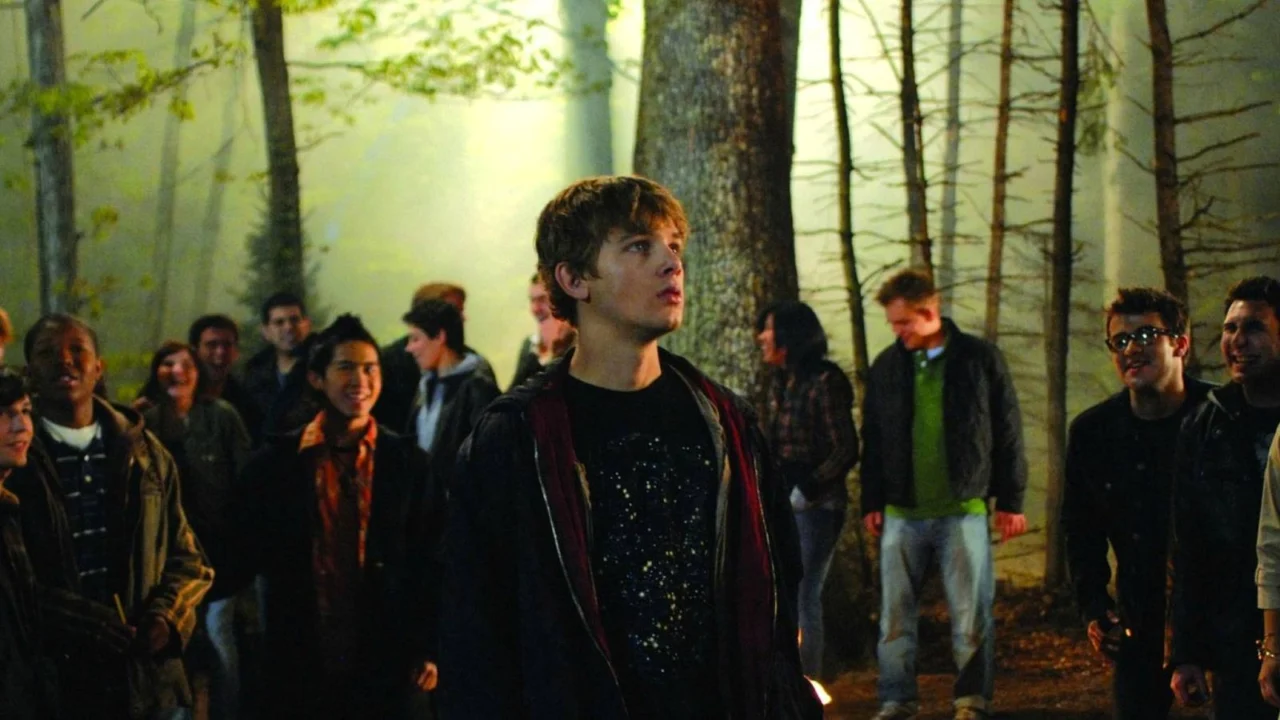
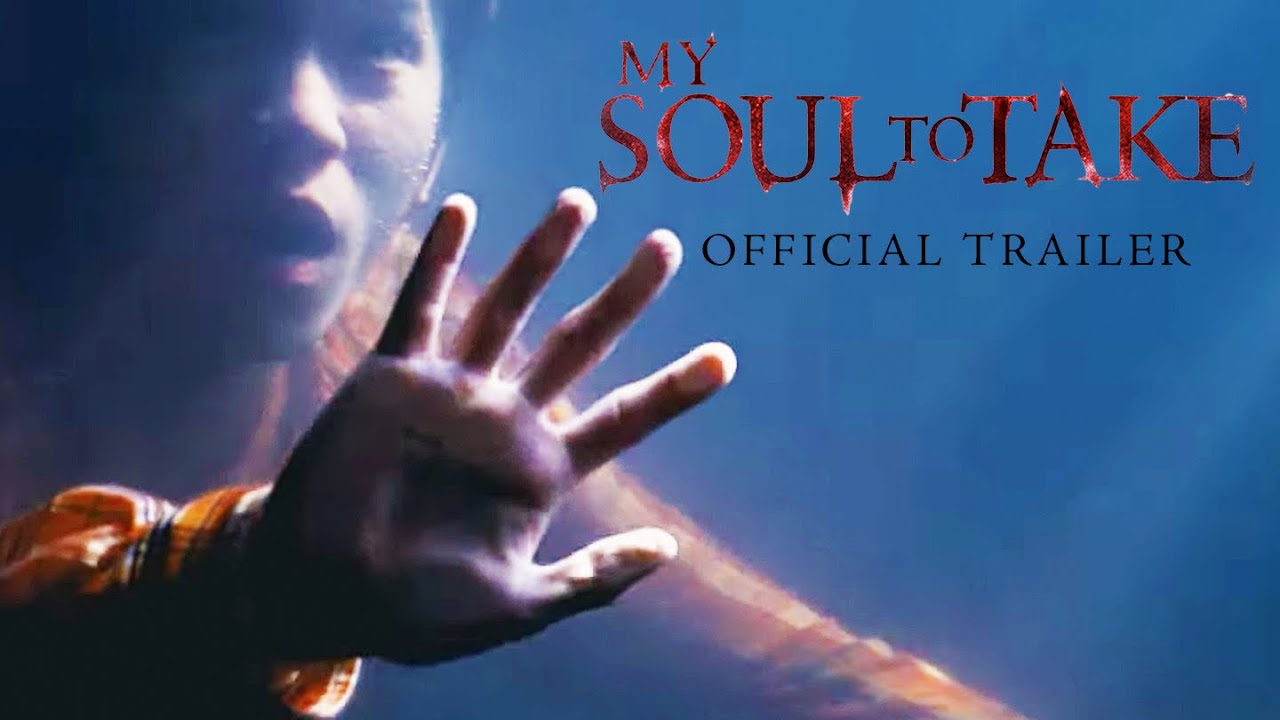
Wes Craven’s My Soul to Take arrived in 2010 with the promise of a major horror entry, but it opened to puzzled audiences, lukewarm reviews, and disappointing box-office returns. With the distance of time and the film’s place near the end of Craven’s body of work, its eccentricities are easier to weigh and, for some viewers, appreciate.
This was Craven’s first feature that he both wrote and directed since the mid-1990s, and its premise feels like a collision of the director’s two most famous veins: meta teen-slasher theatrics and dreamlike, psychological terror. The film begins by revealing a local serial killer known as the Ripper — a man tormented by fractured personalities — who is captured and killed the same night seven infants are born at the town hospital.
Years later, those seven children — dubbed the “Riverton Seven” — have become teenagers linked by superstition and an annual ritual that symbolically kills the Ripper anew. Rumors circulate that each teen might contain a fragment of the killer’s soul, and when classmates begin to die in grisly fashion, the group’s shared history turns into a living nightmare.
On one level the movie is a straightforward masked-slasher story — a faceless killer stalking teenagers and unsettling phone calls keep tension taut. On another, it’s about a community haunted by its past, and a handful of adolescents wrestling with identity and guilt. Craven mixes slasher mechanics reminiscent of Scream with unsettling, dreamlike intrusions akin to Nightmare on Elm Street, which yields an occasionally clever whodunit. At times, though, the plot’s interior logic and the film’s rapid exposition create confusion rather than clarity.
Unlike projects that suffered heavy studio interference, My Soul to Take doesn’t read as a public fight between filmmaker and producers. Craven spoke about the film’s critical reception with frankness, noting that negative responses stung but that he stood by the work. That balance — pride in the film’s ambitions despite its flaws — hangs over the movie.
The film’s weaknesses are tangible: the script’s pacing and dialogue often feel rushed and uneven, and the younger cast sometimes struggles to sell the conceit that multiple souls might inhabit the same bodies. Moments that aim for eerie subjectivity — especially scenes where characters glimpse the dead in reflections or fleeting visions — can be both intriguing and muddled.

Despite its shortcomings, the film contains images and ideas that linger. Critic and filmmaker Scout Tafoya has argued — in his Unloved series — that the movie can be read as a kind of personal allegory for Craven, with the malignant force at the story’s center standing in for the darker creative impulses that defined his career. That interpretation is compelling, though it’s only one way to find value in the film.
The film also probes the instability of adolescent identity. The Riverton Seven oscillate between contempt and fixation, and their relationships feel transient and performative. Characters who appear to belong to rigid social types — the bully, the outcast, the attractive popular kid, the devout teen — reveal fissures that undermine any neat high-school taxonomy, lending the movie an oddly nihilistic tonic beneath its genre trappings.
My Soul to Take is not of the caliber of Craven’s most iconic work, but arriving in 2010 amid a glut of mediocre teen-horror fare and remake fatigue, it deserved more charitable readings than it received. Strange sequences — like a biology-class project staged as a grotesque, avian-themed prank — give the film a perverse charm and a sense that Craven was still willing to experiment with form and tone even late in his career.
Source: Polygon
Related articles
 Kane Parsons to Return to The Backrooms
 First Emmy Award Winners Announced
 Robert Pattinson calls ‘The Batman’ sequel ‘radical’
 A24 to release documentary on Elizabeth Holmes
 Nolan’s “Oppenheimer” Surpasses “Spider-Man” at the Box Office
 Natalie Portman Becomes a Mother for the Third Time
 Zach Cregger Will Not Direct Franchises After “Resident Evil”
 The Rolling Stones to Receive a Biopic