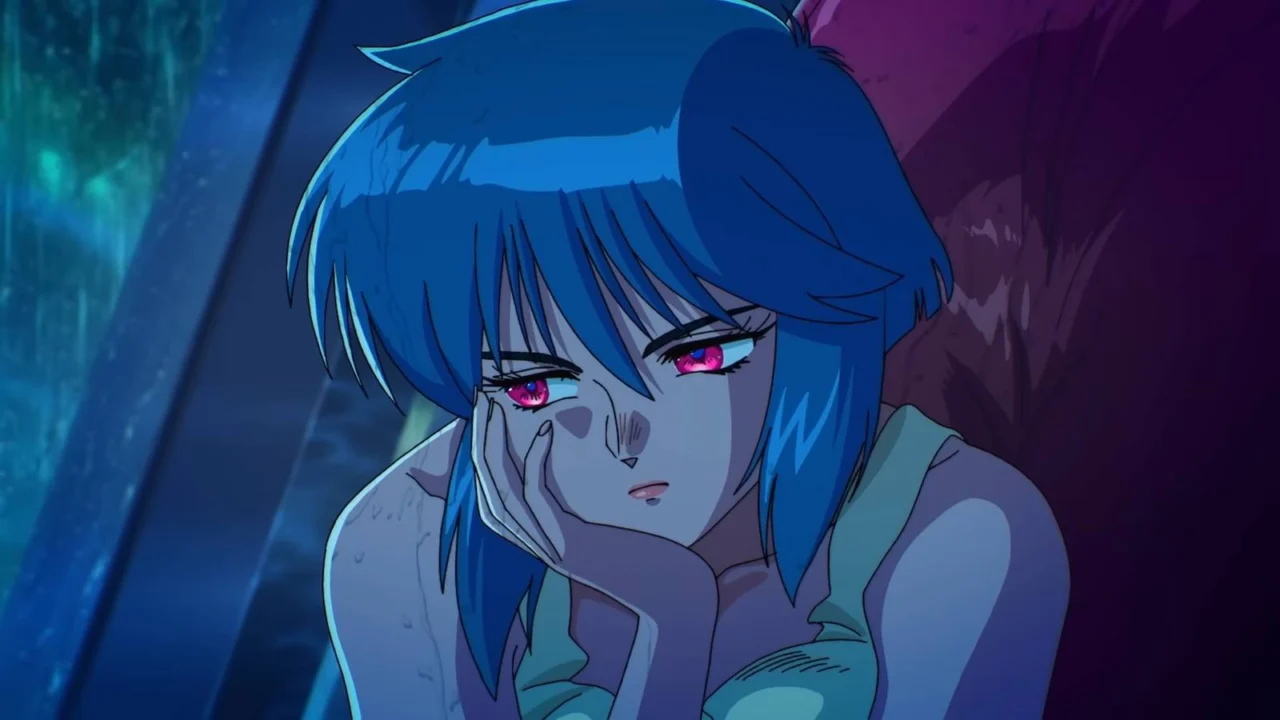
One of the Most Influential Sci-Fi Shows of All Time Returns in Three Weeks

Since its debut as a manga in 1989, Ghost in the Shell has taken on many forms. For many enthusiasts, Mamoru Oshii’s seminal 1995 film serves as the definitive entry point, while others trace their fandom back to the 2002 series Stand Alone Complex.
Regardless of your entry point, the core narrative—chronicling the exploits of Major Motoko Kusanagi and her Section 9 operatives—remains a constant. However, the tone shifts dramatically depending on the director’s vision, moving seamlessly between hard-boiled political intrigue, existential philosophy, and pulse-pounding cyberpunk action.
This variability makes the upcoming Science Saru production, titled The Ghost in the Shell, a fascinating departure from recent iterations. Arriving July 7 on Prime Video, the series seems eager to embrace the vibrant, sometimes whimsical energy of Masamune Shirow’s original manga, moving away from the bleak, monochromatic aesthetics often associated with the franchise. While the action is undoubtedly present, the heavy-handed existentialism is taking a backseat to a more spirited approach.
Over three decades later, the franchise is finally returning to its roots.
How has Ghost in the Shell evolved?

At its heart, Ghost in the Shell follows Section 9, a clandestine task force tasked with neutralizing cyber-terrorists and navigating the ethical quagmires of a future where human consciousness and digital networks are inextricably linked. Led by the cybernetically augmented Motoko Kusanagi, the team grapples with the definition of humanity in a world where bodily autonomy is a relic of the past.

It is worth noting that Shirow’s source material was surprisingly lighthearted, often featuring a Motoko who was as expressive and humorous as she was dangerous. Oshii’s 1995 adaptation pivoted toward a meditative, cerebral tone that defined the franchise for a generation. Kenji Kamiyama later pivoted toward procedural realism in Stand Alone Complex, while projects like Arise and SAC_2045 explored new narrative frontiers. Yet, none captured the unique blend of high-stakes espionage and slapstick office politics found in the manga until now.
Science Saru’s adaptation revisits the “Puppeteer” story arc—a classic trope involving a mysterious super-hacker—but treats the subject matter with a blend of tension and character-driven levity that feels fresh for the screen.

The studio’s collaboration with Shirow himself was instrumental in this project. Producer Koei Sakaita noted, “We’ve built a relationship of deep trust with Shirow-sensei,” while director Mokochan acknowledged the gravity of modernizing such a titan of anime history. By centering the original manga’s visual flair and character chemistry, Science Saru has crafted a tribute that honors the past while feeling entirely new.
How to watch the new series
The Ghost in the Shell will be available exclusively on Prime Video starting July 7. Whether you are subscribed to the standalone Prime Video service or the full Amazon Prime bundle, the platform continues to aggressively expand its prestige animation catalog with this highly anticipated release.
Source: Polygon
Related articles
 Cyberpunk: Edgerunners Season 2 and The Apothecary Diaries Top Most Anticipated Fall Anime List
 Marvel Teases Robotic Appearance of Jocasta in New Vision Quest Teaser
 Xbox Head Highlights Minecraft Player Growth 17 Years After Release
 Take-Two Interactive Stock Drops Nearly $6 Billion in a Month Despite GTA 6 Updates
 CD Projekt Red Says Cyberpunk 2 Will Use a Different Approach After Cyberpunk 2077 Launch Issues
 Modder Creates Nintendo Switch Emulator for PlayStation 5 Amid Nintendo Lawsuit
 Kyle Chandler Stars in Netflix Action Thriller The Rip
 Ranking the 10 Best Fights in Jujutsu Kaisen History