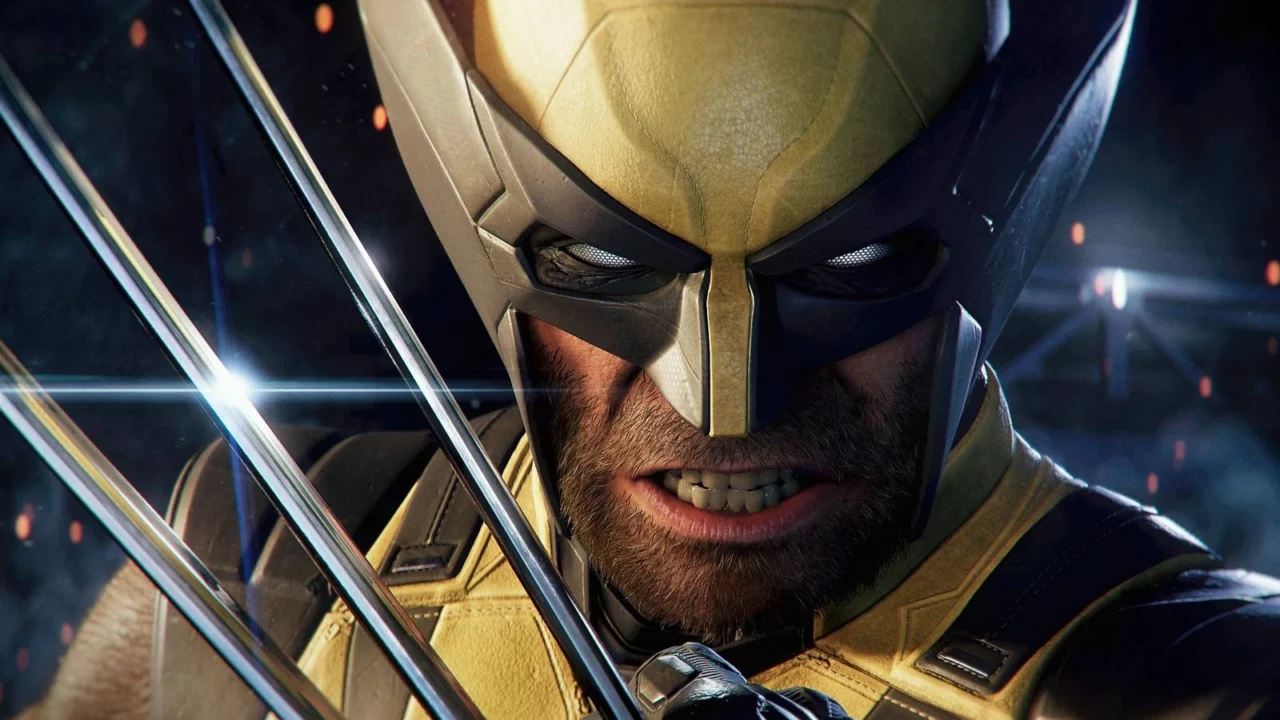
Marvel’s Wolverine Ignites the Most Complex Online Battle in Years
This September boasts a dense release calendar, headlined undeniably by Marvel’s Wolverine. Insomniac Games’ PlayStation 5 exclusive promises a visceral, unapologetically authentic interpretation of the iconic mutant berserker. Bolstered by the studio’s formidable portfolio—anchored by acclaimed titles like Marvel’s Spider-Man and Ratchet & Clank: Rift Apart—the project ought to be coasting on unbridled anticipation ahead of its September 15 debut. Instead, the discourse surrounding its impending arrival has turned decidedly acrimonious.
Across digital spaces, sentiment toward Wolverine has rapidly deteriorated into hostility following recent preview impressions. While such unveilings typically ignite enthusiasm, a vocal contingent responded with vitriol, inundating platforms with harsh critiques. The uproar prompted Insomniac marketing lead James Stevenson to speak out, characterizing the online reaction as a “relentless onslaught that I cannot believe is good for anyone’s mental health nor representative.”
Does this hostility stem purely from aesthetic and mechanical dissatisfaction? While genuine critique exists, Marvel’s Wolverine has inadvertently become ensnared in a web of algorithmic grievances and broader cultural disputes, obscuring authentic reception behind performative outrage.
The friction ignited when journalists and content creators published preliminary hands-on impressions. These insights revealed that Wolverine departs from the sprawling open-world sandbox of Insomniac’s Spider-Man series in favor of a tightly choreographed, narrative-driven linear format. This cinematic shift immediately drew scrutiny from detractors. Two sequences bore the brunt of social mockery: an environmental pursuit marked by high-visibility tracking markers, and an encounter with a Sentinel derisively likened to combat in 2007’s Ben 10: Protector of Earth.
In isolation, such reception is understandable. Insomniac appears to be iterating on the cinematic framework popularized by modern God of War and Uncharted installments—a design philosophy that inevitably alienates players experiencing blockbuster fatigue. Polygon’s Oli Welsh struck a balanced tone in his assessment, commending the deliberate pacing while questioning whether mechanical depth might flag over a full campaign. Under normal circumstances, the analysis would conclude there.
However, this controversy cannot be viewed in a vacuum. Insomniac has repeatedly weathered disproportionate internet outrage. In 2018, the studio navigated “Puddlegate”—an absurd uproar alleging visual downgrades in Marvel’s Spider-Man based solely on reduced puddle reflections in pre-release builds. By late 2023, the team endured an invasive cyberattack that exposed confidential development materials to relentless public dissection. For nearly a decade, the developer has functioned as an unwitting lightning rod for hyper-scrutiny.
That hostility intensified significantly amid the broader cultural skirmishes of 2024, particularly the backlash aimed at narrative consultancy firm Sweet Baby Inc. Accusations of ideological overreach—amplified by political polarization during an election cycle—spilled onto Insomniac due to their past collaborative efforts on Marvel’s Spider-Man 2, cementing an entrenched cohort of bad-faith critics.
A survey of contemporary reactions on X reveals a bizarre juxtaposition: legitimate gameplay reservations sit adjacent to complaints regarding character aesthetics, perceived masculinity, and generalized grievances against Western game design philosophies contrasted with Eastern releases.
Compounding matters further is an entirely unrelated corporate flashpoint: Sony’s announced roadmap toward phasing out physical game discs by 2028. This decision triggered widespread consumer indignation, bleeding indiscriminately into PlayStation livestreams, independent partner reveals, and upcoming tentpole titles. As the primary flagship release on the horizon, Wolverine has absorbed significant fallout from this corporate decision, despite offering physical media at retail.
Recommended For You
Sifting through this convoluted landscape makes discerning authentic consumer feedback nearly impossible. A brief critique of a boss encounter might well be an authentic gameplay impression, or it could be calculated engagement-farming weaponized for algorithmic monetization. Convoluted drama of this nature remains a byproduct of an unhealthy social media ecosystem, which ultimately penalizes players looking for straightforward evaluation.
Get Objective Insights and In-Depth Gaming Analysis
This is not to dismiss valid reservations. Skepticism toward narrative direction, mutant lore within an isolated universe, or combat variety is entirely legitimate. Video game previews exist to cultivate critique. Yet Insomniac has consistently demonstrated an ability to rise above pre-release hysteria to deliver polished, acclaimed experiences. For prospective players intrigued by Logan’s next outing, the most prudent course is to bypass algorithmic sensationalism, review balanced critiques, and evaluate the game firsthand.
Insomniac’s gritty superhero adventure showcases strong fundamentals despite surrounding controversies.
Source: Polygon
Related articles
 Witch Hat Atelier Manga Is One-Third Finished and Could Run for 12 Seasons
 GTA VI Trailer Outpaces Netflix Films in Popularity Across 87 Countries
 7 Years Later, What Remains of Edith Finch Still Has the Most Haunting Quote in Gaming
 The Blood of Dawnwalker Tops Steam Sales Charts
 CD Projekt Red Details Unreal Engine 5 Plans for The Witcher IV
 Nintendo Releases Major Update for Mario Kart 8 Deluxe on Switch 2
 The Witcher 3 and Cyberpunk 2077 Surpass 100 Million Combined Sales
 Avengers Doomsday Directors Explain Filming Without Final Script