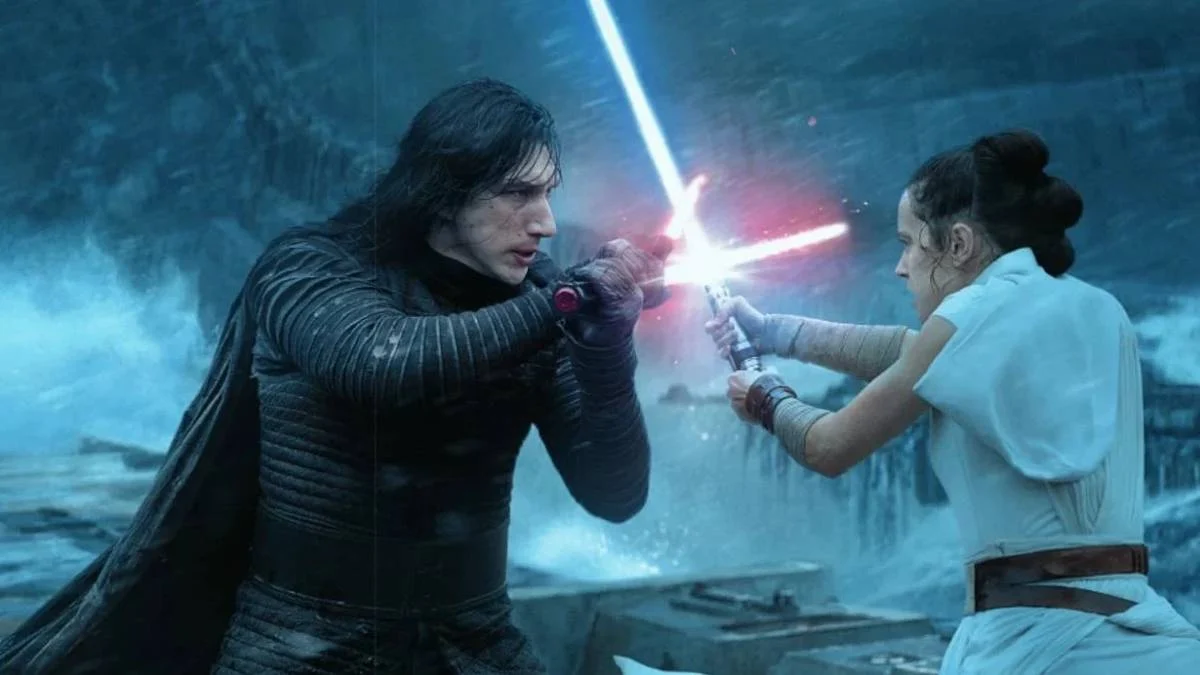
Lucasfilm Games Shifts Star Wars Strategy Toward Smaller Projects and New Partners
As Star Wars approaches its 50th anniversary in 2027, the franchise’s reputation has swung up and down like a seesaw. It has landed a few wins, including Andor‘s Emmy success and the positive reception of Disney’s latest animated series, Maul: Shadow Lord. But the lows have been so deep that it’s hard to imagine expectations falling any further.
The outlook for Disney and Lucasfilm’s TV and film projects isn’t exciting either. Half of them seem to be on ice. The other half plan to revisit old ground like the Skywalkers. Yawn.
Still, there is hope for Star Wars, and it rests on Lucasfilm Games and its open-minded vision for a galaxy far, far away.
The way forward for Star Wars lies in video games
In 2013, Lucasfilm Games and Disney signed a 10-year exclusive licensing agreement that let EA publish Star Wars games. The deal produced standout titles like DICE’s Star Wars: Battlefront series and Respawn’s Jedi games starring Cal Kestis (Cameron Monaghan). The exclusivity ended in 2023, which freed Lucasfilm Games to be far less restrictive with the franchise.
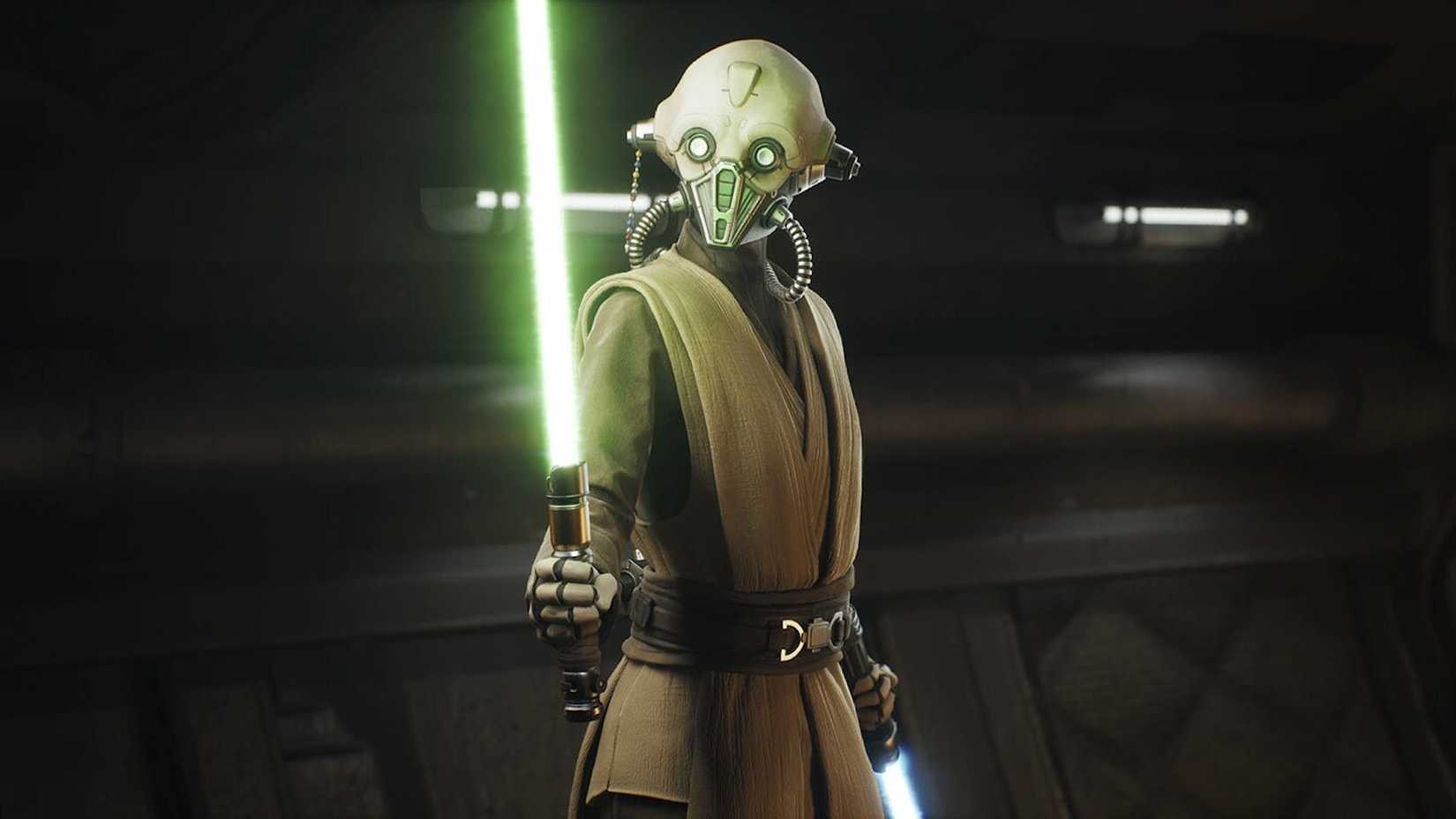
In an interview with The Game Business Show, Lucasfilm Games executive Douglas Reilly discussed the success of Star Wars video games. He tied it to being “more flexible” about whose pitches the studio will hear. “Good ideas,” Reilly explained, “can come from a lot of different places.”
“You don’t have to necessarily be a top five publisher to make a great Star Wars game,” Reilly added. The year 2026 backs him up. Star Wars fans have already received two very different games.
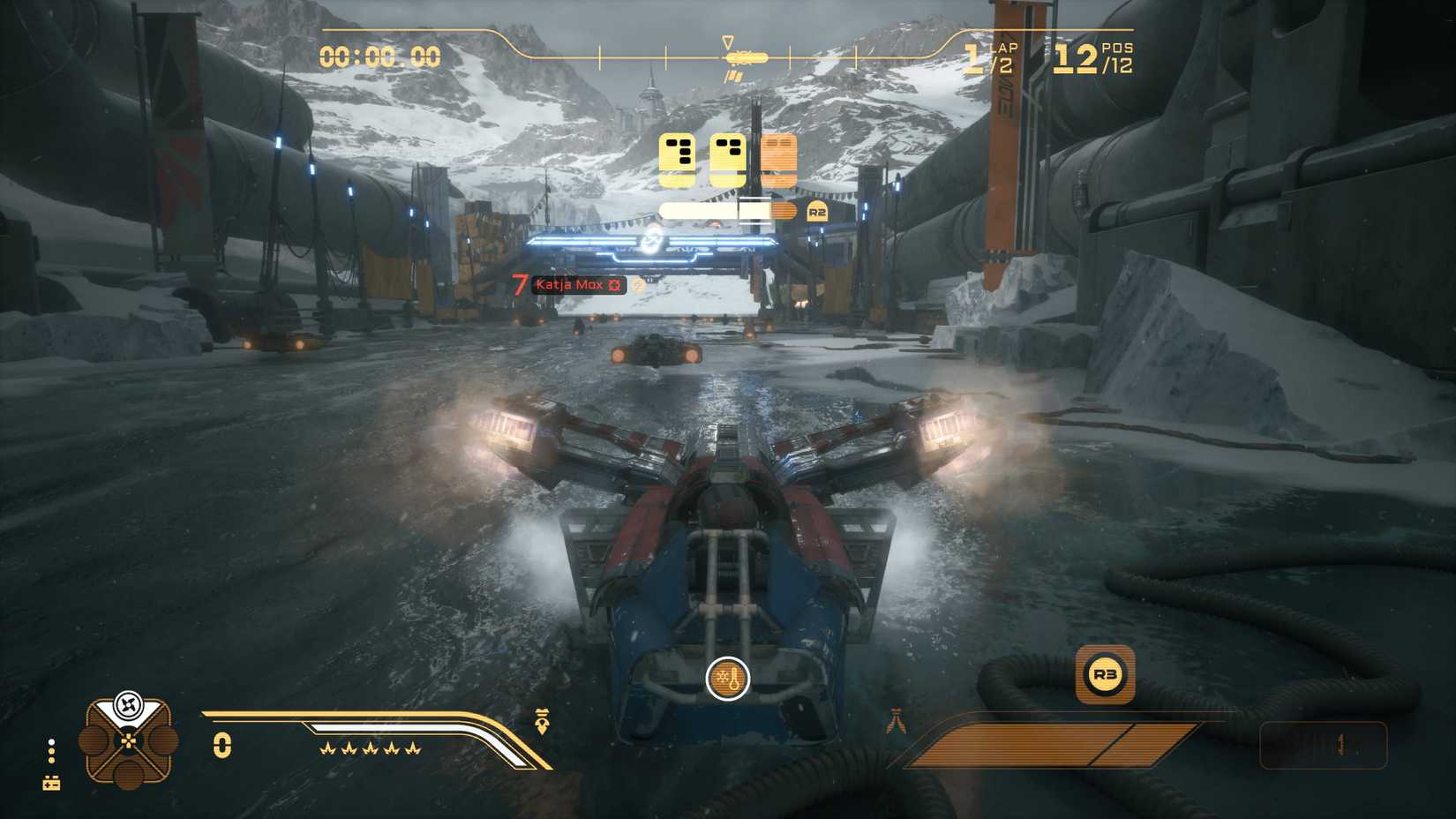
The first, Star Wars: Zero Company, is a phenomenal turn-based tactics game set during the waning days of The Clone Wars. The more recent Star Wars: Galactic Racer is a run-based arcade racer with roguelike elements. Players climb into their own speeder and chase the title of Galactic League champion. Both games have massively exceeded expectations among Star Wars fans, who are notoriously hard to please.
Reilly also confirmed that more projects are on the way from both large and small partners. He believes they will “continue to surprise folks.” Nobody saw a Star Wars racing game coming, so more surprises seem likely. Anyone fancy a Star Wars fighting game?
What the rest of Star Wars can learn from Lucasfilm Games
Lucasfilm Games’ willingness to consider a wider range of pitches works in its favor. Galactic Racer and Zero Company both draw on events and ideas established elsewhere, such as The Clone Wars and the prequel film The Phantom Menace. Neither leans so hard on nostalgia that fans feel they’re retreading the same ground.
Zero Company follows Hawks, who was let down by the system they believed in. Hawks finds solace with a group of outcasts learning to rely on one another, all inside a neatly packaged war story. Galactic Racer is a racing sports story through and through. It follows Shade and their rivalry with fellow racer Kestar Bool.
Both games put their own characters and genres at the center. The TV and movie sides of Star Wars could stand to learn that lesson.
After the controversial 2019 release of J.J. Abrams’ The Rise of Skywalker, the franchise made an obvious effort to explain some of the film’s more nonsensical revelations. The Mandalorian, at least in its first season, seemed to offer a different path: a space Western unlike anything else in Star Wars history. By the second and third seasons, the show seemed far more interested in explaining how Palpatine returned and in the ongoing fights over Mandalorian succession. Din Djarin and his ward, Grogu, got less focus. The series kept reversing its own character development. Din let Grogu go and gave up bounty hunting to care for him, and then the show quickly changed course.

By answering questions about material unrelated to their main storylines, The Mandalorian and spin-offs like Ahsoka and The Book of Boba Fett made the galaxy feel ridiculously small. If everything is connected, where is the fun in discovering something new?
Star Wars returns next year with Ahsoka season 2. Judging by the trailers, co-president Dave Filoni seems poised to answer questions that his other shows, The Clone Wars and Rebels, left open. Trite and predictable. Cautious optimism surrounds Shawn Levy’s Starfighter, also due in 2027. Much of that hope rests on its setting, which sits further along the timeline than Star Wars has ever gone. What does that mean for the state of the universe?
Hopefully, Lucasfilm Games’ open-minded approach and fans’ enthusiasm for Galactic Racer and Zero Company point to an exciting future for Star Wars. Lucasfilm Games has shown that taking risks pays off. Now Disney and Lucasfilm should take some risks too.
Source: Polygon
Related articles
 Steam Next Fest Draws Player Complaints Over Number of AI-Generated Games in Demos
 Here’s a Recap of the October 2026 ID@Xbox Showcase
 Daft Punk Reportedly Turned Down GTA VI Involvement Despite Supposedly Unlimited Budget
 Cosplayers Recreate Elden Ring’s Miquella and Malenia in Matching Gold and Rot Looks
 Marvel Rivals Officially Brings Avengers: Endgame’s Final Fight to Life
 Magic: The Gathering’s Star Trek Set Shakes Up Commander With Two Bold New Mechanics
 Former Marathon Director Discusses Internal Disagreements at Bungie During Game’s Development
 Microsoft Urges Owners of Unused Xbox Series X|S Consoles to Trade Them In Amid Rising Prices