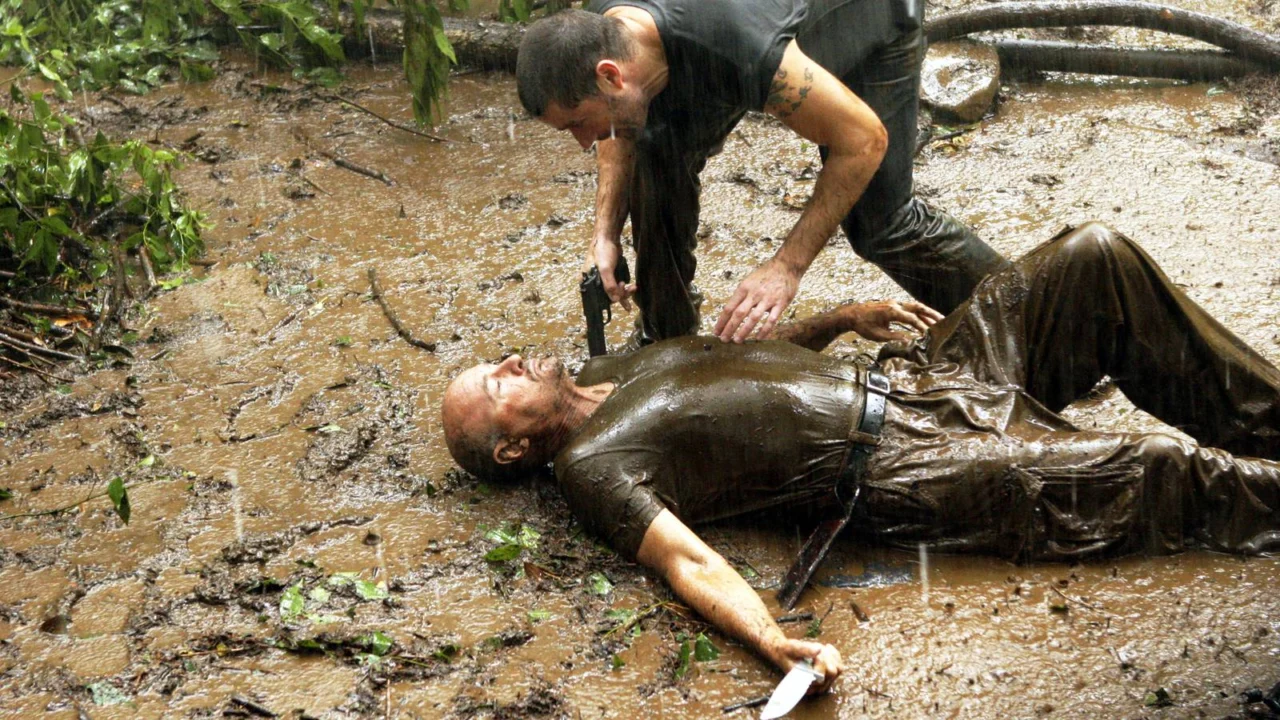
Lost Episode “Walkabout” Revealed John Locke’s Wheelchair Twist 22 Years Ago
The best twists recontextualize everything that came before them. Damon Lindelof, the mystery-box storyteller behind Lanterns and Watchmen, once named The Sixth Sense as the definitive example. The movie works if Bruce Willis is simply a psychiatrist helping a child who sees dead people, even if the boy is hallucinating those visions. The reveal that Dr. Malcolm Crowe was dead all along changes the entire movie, not just the ending.
Lindelof told Vox in 2004 that the reaction is, “Oh, I didn’t even think I was sitting in that movie.” The twist makes The Sixth Sense “completely and totally transcendent.”
At the time, Lindelof was discussing his new series, Lost. Just four episodes in, it had pulled off a twist arguably on the same level. For its first few episodes, Lost looks like an ambitious survival drama with a dash of horror. Oceanic Flight 815 crashes on a seemingly deserted tropical island. The survivors face dwindling supplies, a rampaging monster, an inexplicable polar bear, and the realization that rescuers are probably searching a thousand miles from the real crash site.
The flashbacks seem straightforward at first. Many jump back to just before the fateful flight. Charlie (Dominic Monaghan) is secretly addicted to heroin. Kate (Evangeline Lilly) was a fugitive escorted onto the plane in handcuffs. Those details complicate the characters on the island, but they don’t change how we understand the show.
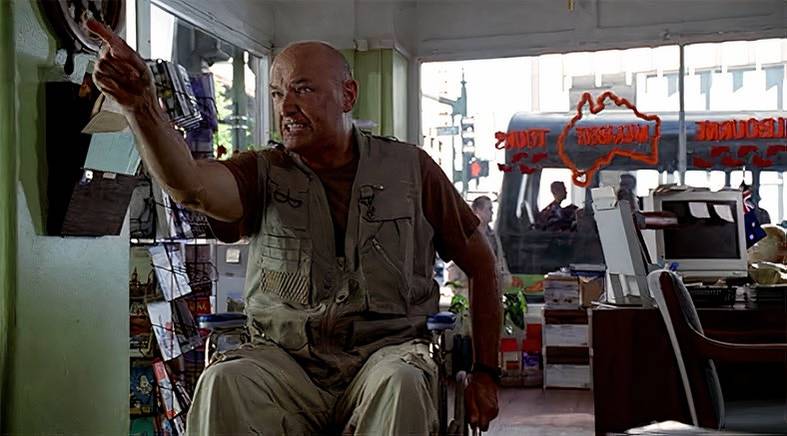
For most of its 43-minute runtime, the fourth episode, “Walkabout,” isn’t all that shocking either. It is a bit surprising to learn that John Locke (Terry O’Quinn) lived a humiliating office-drone existence before the crash. On the island, he looks like a strange, dangerous, capable survivalist who is perfectly suited to the place. In the office, everybody underestimates or ridicules him. Then, right at the end, a wide shot shows that he uses a wheelchair. He is the same man with a case full of hunting knives who boldly walks around the island.
What?
The revelation helps explain why Locke seems so strange. It also forces viewers to reconsider the carefully framed flashbacks in every episode, and it establishes that the island can perform literal miracles. The crash is a tragedy that strands everyone and forces them to fight for survival, but for Locke it gives him a new life. Once we learn the truth about his past, Lost shifts from a survival story into a spiritual mystery about destiny, magic, and faith.
“Walkabout” hides its twist in plain sight
Four days after the crash, the survivors are running out of food. Wild boars invade the beach camp and disturb the bodies still trapped in the fuselage. Locke whips out his suitcase of hunting knives and suggests they kill the animals for food.
Until then, Locke has been one of the show’s stranger supporting characters. He has a lofty, almost zealous quality, but he doesn’t preach his beliefs outright. He befriends people through acts of kindness. He finds Walt’s missing dog and lets Michael take credit for returning it. He plays backgammon with Walt, gently introducing the boy to a game built around opposing sides of light and darkness. When everyone else panics, Locke seems confident that he is exactly where he needs to be.
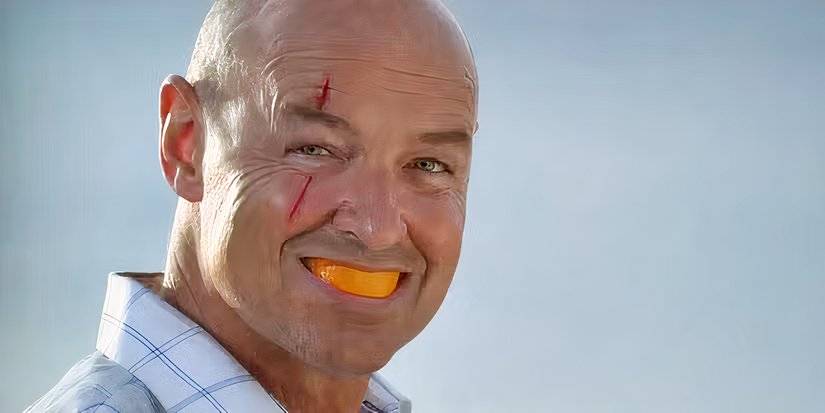
He’s also a bit creepy. In one of his earliest scenes, he stares at Walt and smiles with an orange peel in his mouth. Still, he never registers as an obvious villain. He seems like a quirky survivalist, the kind of person you wouldn’t want as a friend but are grateful to have on the island.


The flashbacks in “Walkabout” seem to promise an explanation for how an unassuming office worker became so comfortable with knives and hunting. We see Locke eating lunch alone at his desk while he plays a tabletop military strategy game. His supervisor, Randy, mocks him for calling himself “Colonel” and laughs at his plan to take an Australian walkabout. Locke insists he has trained for the expedition and knows exactly what he can handle. Randy looks like another bully dismissing an introvert’s ambitions. Each flashback adds a similar humiliation, yet we still expect Locke to grow gradually into a more capable man who earns respect.


Director Jack Bender frames Locke in bed, behind a desk, and inside a car without ever showing the wheelchair. Eventually the walkabout arrives, but the Australian tour operator refuses to let Locke join. We assume he is just another bully. Then the camera pulls back.


Locke isn’t being underestimated because he is old, meek, or inexperienced. He cannot walk and uses a wheelchair. His furious refrain, “Don’t tell me what I can’t do,” turns from stubborn bravado into the desperate plea of a man facing a limitation that no preparation can overcome.
Even O’Quinn didn’t know Locke was paralyzed when he filmed the pilot. He told the Television Academy that nobody informed him Locke used a wheelchair aboard the plane. He found out when he received the script for “Walkabout,” and the revelation blew his mind just as it would the audience’s.
The gap between O’Quinn’s performance and the truth makes the twist cleaner. He wasn’t playing a man who secretly hid his disability during the first three episodes. He was playing the Locke everyone else saw, an eccentric and confident survivalist.
The island gives Locke a blank slate
The preceding episode, “Tabula Rasa,” establishes one of Lost‘s defining ideas. After Jack learns that Kate was a fugitive, he decides he doesn’t need to know what terrible crime she supposedly committed. Their old lives ended when the plane crashed, and everyone on the island deserves a fresh start. The Latin phrase tabula rasa literally means “blank slate.”
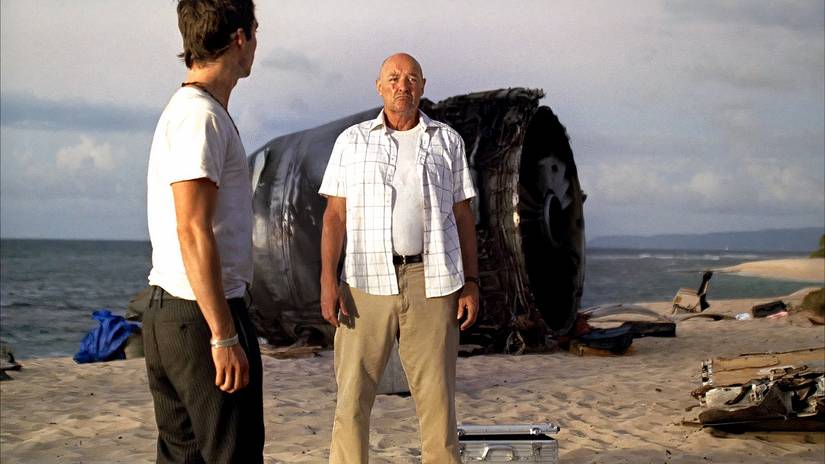
Kate is ostensibly cleared of her past crimes, but the stakes are different for Locke. “Walkabout” returns to the moment right after the crash. Locke lies on the beach while chaos unfolds around him. He stares at his legs, wiggles his toes, cautiously moves one foot, and then stands. Jack races among the wounded trying to save everyone he can. Locke quietly realizes that he has already been saved.
While everyone else panics, Locke is in a state of bliss, which probably explains the weird moment with the orange. The other survivors see the crash as a disaster to escape. Locke sees an act of divine intervention.
O’Quinn put Locke’s experience more succinctly: “This guy just went to heaven.”
Locke’s miracle establishes Lost‘s central conflict
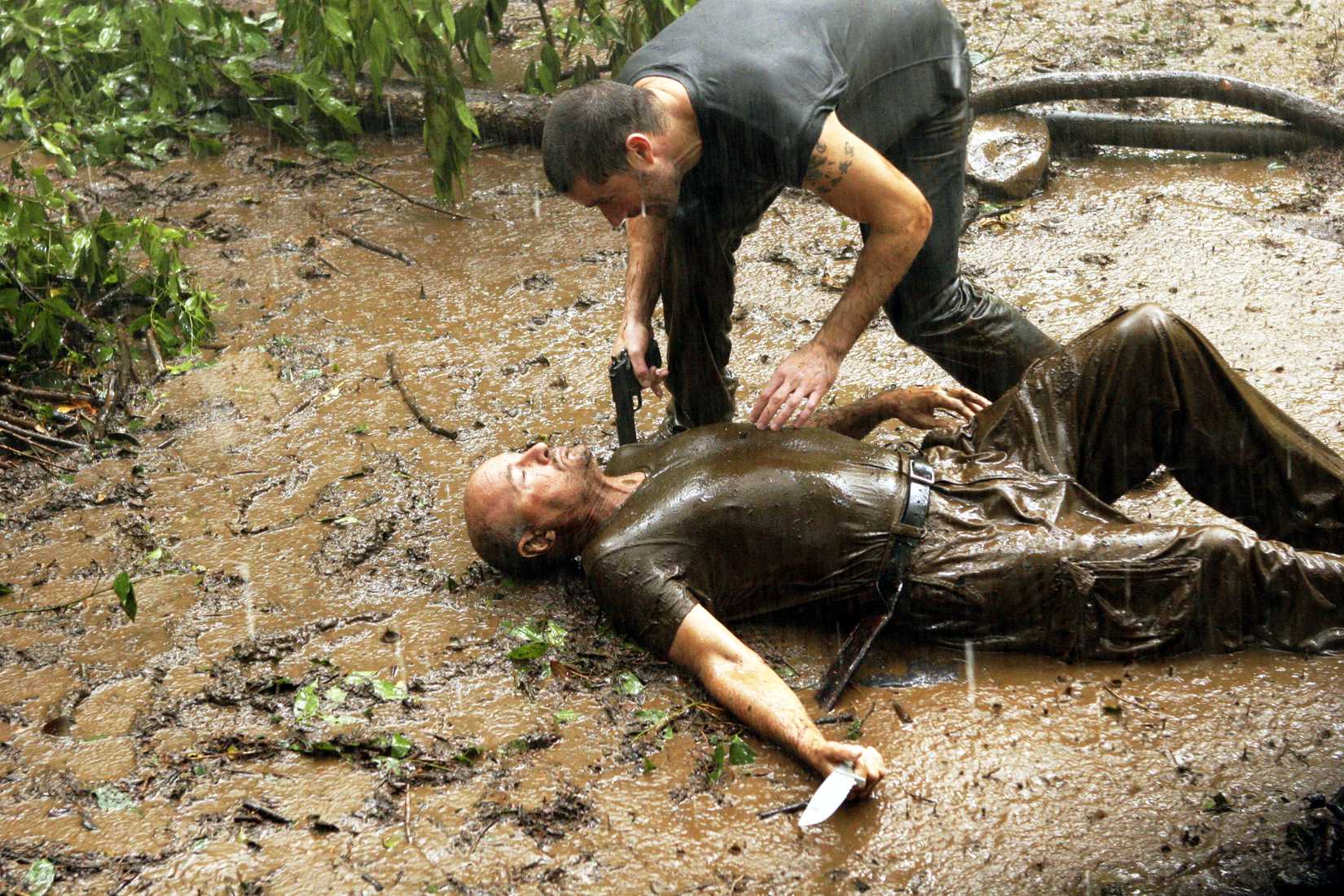
Once the island heals Locke, his faith in it becomes almost bottomless. How could it not? He has spent much of his life being dismissed, manipulated, and told what he cannot do. The island hands him the validation he has always wanted for his faith. It rewards him before asking anything in return and confirms his deepest belief that he is meant for greatness. His dedication to the island is both sincere and transactional. He expects further signs, further instructions, and further confirmation that he is special.
Knowing how the show plays out, the miracle feels increasingly troubling in hindsight. Did the island restore Locke for some larger purpose? Or does it have cosmic healing properties that affect everyone equally? Rose’s terminal cancer disappears. Jin’s infertility is cured. Locke repeatedly heals from injuries and wounds faster than he should. For Locke at least, the healing makes him uniquely susceptible to manipulation by people like the Man in Black, who are willing to exploit his faith for their own gains.
His need to believe he has been chosen repeatedly overrides his skepticism and, eventually, his self-preservation. He dies away from the island believing he has failed to bring the Oceanic Six back. The Man in Black then uses his body and appearance to manipulate the people who trusted him, and Locke becomes the vessel for the Big Bad. Knowing what’s to come, the image of Locke’s wheelchair burning amid the wreckage of the plane feels like grim foreshadowing.
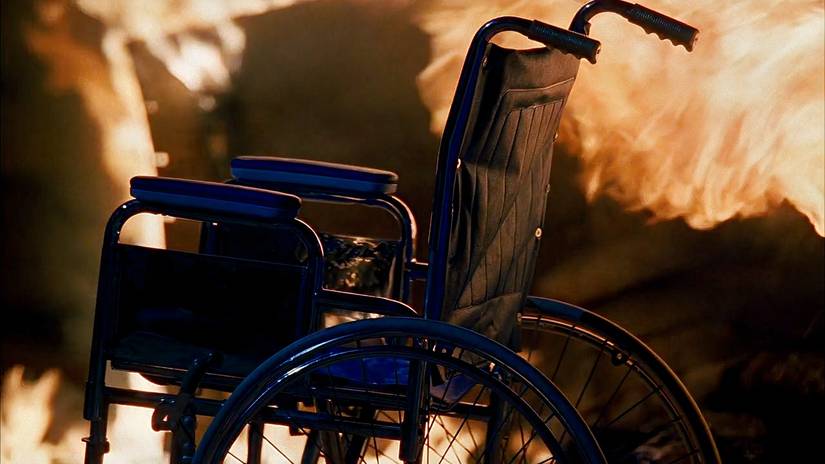
Lindelof’s comparison to The Sixth Sense explains why the ending of “Walkabout” remains so powerful. The best twists don’t undermine the story we have watched. They reveal that it was telling another story all along, one we failed to recognize because we didn’t have all the information yet.
The flashbacks in “Walkabout” work perfectly well if Locke is an able-bodied man whose ambitions are mocked by people who don’t understand him. The island story works perfectly well if he is simply an experienced outdoorsman who thrives under pressure. Learning the truth doesn’t feel like deception, and it doesn’t invalidate O’Quinn’s performance. It also reaches beyond the roughly 40 minutes before it. It changes the meaning of the entire show.
That’s when Lost began asking bigger questions than survival. It started to explore whether the island represents chance or purpose, prison or salvation, exploitation or grace. It follows damaged people who get the chance to become someone new, and it asks whether that transformation liberates them or leaves them open to another kind of control. The first three episodes made Lost a television phenomenon. “Walkabout” revealed why it would become something closer to a religion.
Source: Polygon
Related articles
 New Resident Evil Film Nears $400 Million at Global Box Office as Director Discusses Sequel Plans
 Austin Wintory Reveals Early Music Sketches He Wrote for Mass Effect 5
 Vincent D’Onofrio Denies Rumors of Kingpin’s Return After “Daredevil: Born Again” Finale
 Sandra Hüller Played a Role in Avengers: Doomsday
 GTA 6’s Rumored Lucia Actor Breaks Silence With Rare Live Appearance
 Warhammer Team Showcases Golden Demon 2026 Miniature Painting Winners at SPIEL Essen
 Delicious in Dungeon Season 2 Character Illustrations Shown
 Report: Sucker Punch, Developer of Ghost of Yōtei, Hit by Layoffs