
If Hollywood’s Big Week Is Any Indication, Video Game Hype Is Dead Forever
Patch Notes is a weekly newsletter curated by Polygon. Delivered every Friday, it is archived here on the site each Sunday. You can subscribe to the newsletter here.
For the past few days, I have been keeping tabs on CinemaCon, the colossal film industry exhibition held annually in Las Vegas. While major Hollywood studios congregate to woo theater owners with exclusive previews and celebrity appearances, the event is ostensibly a whirlwind of corporate posturing and PR bravado. I’ve never had much affection for Vegas, yet despite the inherent artifice, I find myself nursing a pang of FOMO—it honestly looks like an absolute blast.
Part of the appeal is the current atmosphere of optimism. The global box office is trending upward compared to last year, and the upcoming slate is refreshingly stuffed with high-profile, original projects that genuinely pique interest. From the successes of Sony and Warner Bros. to the heavy-hitting reveals from Universal, Disney’s Avengers: Doomsday teaser, and a surprisingly convincing pitch from Amazon MGM, the energy has been palpable. Watching industry giants like Steven Spielberg, Christopher Nolan, and Tom Cruise mingle while anticipating the next Dune chapter—or even a giant robot epic from the director of Godzilla Minus One—makes it feel like we’re entering a new golden era. It’s hard not to get swept up in the hype.
Perhaps it’s a occupational hazard. As a veteran of the video game press, I was practically raised on the high-octane pageantry of E3. Even knowing the mechanics behind the curtain, I still harbor a deep, nostalgic longing for that specific brand of industry madness.
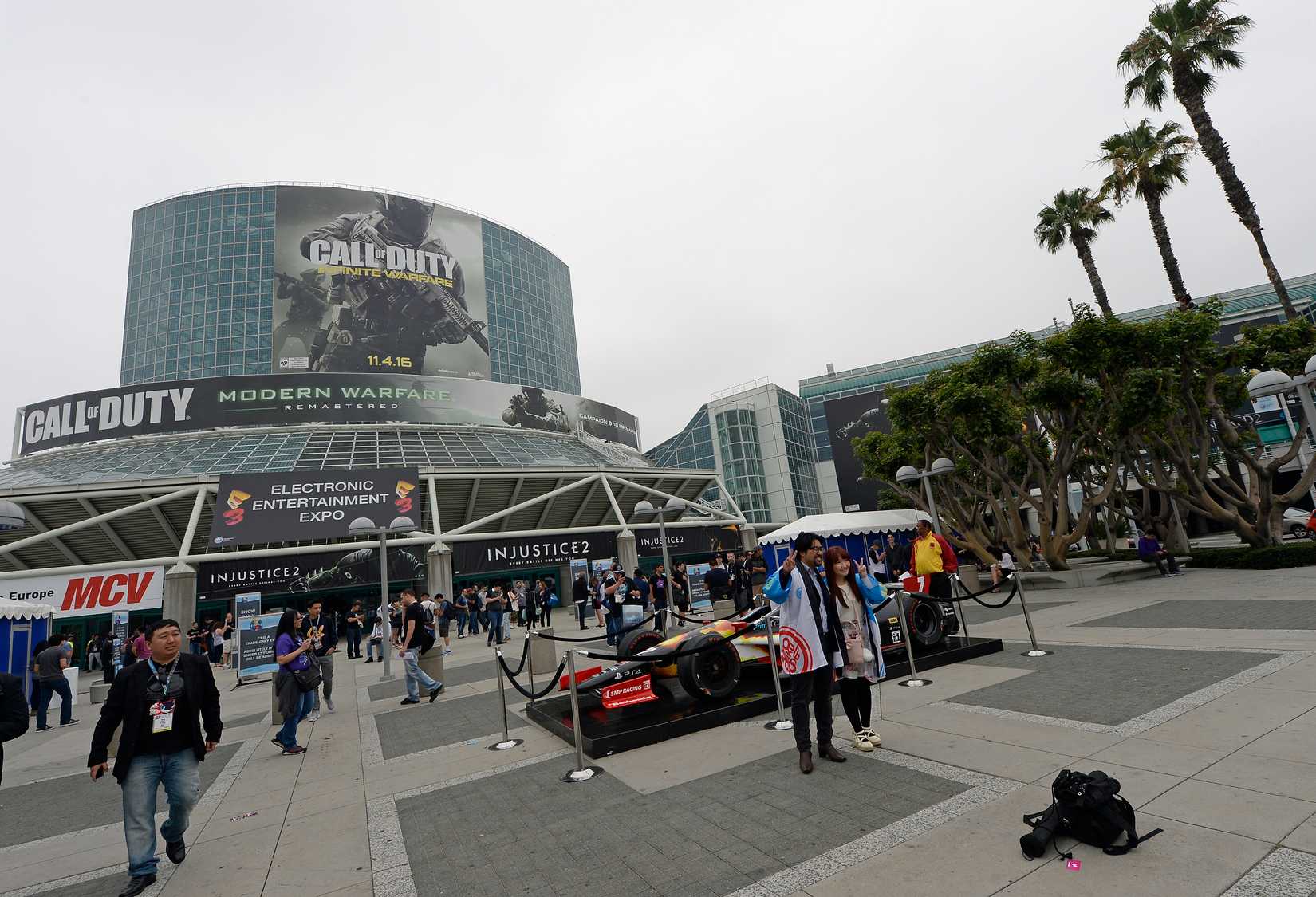
Kevork Djansezian/Getty Images
CinemaCon acts as the film industry’s spiritual successor to E3. The logistics are strikingly similar: a migration of media and suits into windowless ballrooms to endure a barrage of trailers and teleprompter-reliant speeches. It is a calculated theater of manufactured excitement, yet it serves its purpose perfectly.
The core difference, however, lies in how these industries approach confidentiality. While gaming companies often over-encrypt their projects to an absurd degree, Hollywood seems to operate in a glass house where deals are constantly leaking. Paradoxically, studios are militant about protecting the actual *experience* of their films. This creates a peculiar dynamic at CinemaCon where the public is barred from the footage, leaving them to scavenge for secondhand reports from bloggers. It’s frustrating, yet it undeniably cultivates a powerful, elusive mystique.
And then there’s the corporate friction—the guilty pleasure of every industry observer. This week, we saw Disney unveil its “Infinity Vision” format, a reactive measure triggered by Warner Bros.’ refusal to shift Dune: Part Three to accommodate Doomsday. It’s petty, transparently hubristic, and reminds me of the best console wars of yesteryear. It’s exactly the kind of boardroom drama that feels like a throwback to the legendary E3 2013 skirmishes, and frankly, I’m here for it.
I acknowledge that E3 was ultimately unsustainable—an environmental and fiscal boondoggle. Still, as gaming shifted toward a series of disparate, sterile online streams, we lost that raw sense of showmanship. We traded spontaneous, triumphant on-stage revelations and human-scale corporate stumbles for a relentless, predictable drip-feed of content.
Take Pragmata, for example. Had it debuted under the bright, cacophonous lights of an E3 stage, its enigmatic trailers and lengthy development cycle would have been amplified by a massive megaphone. The final product might remain the same, but the journey toward its release would have felt infinitely more momentous.
Pragmata shoots for the moon and sticks the landing
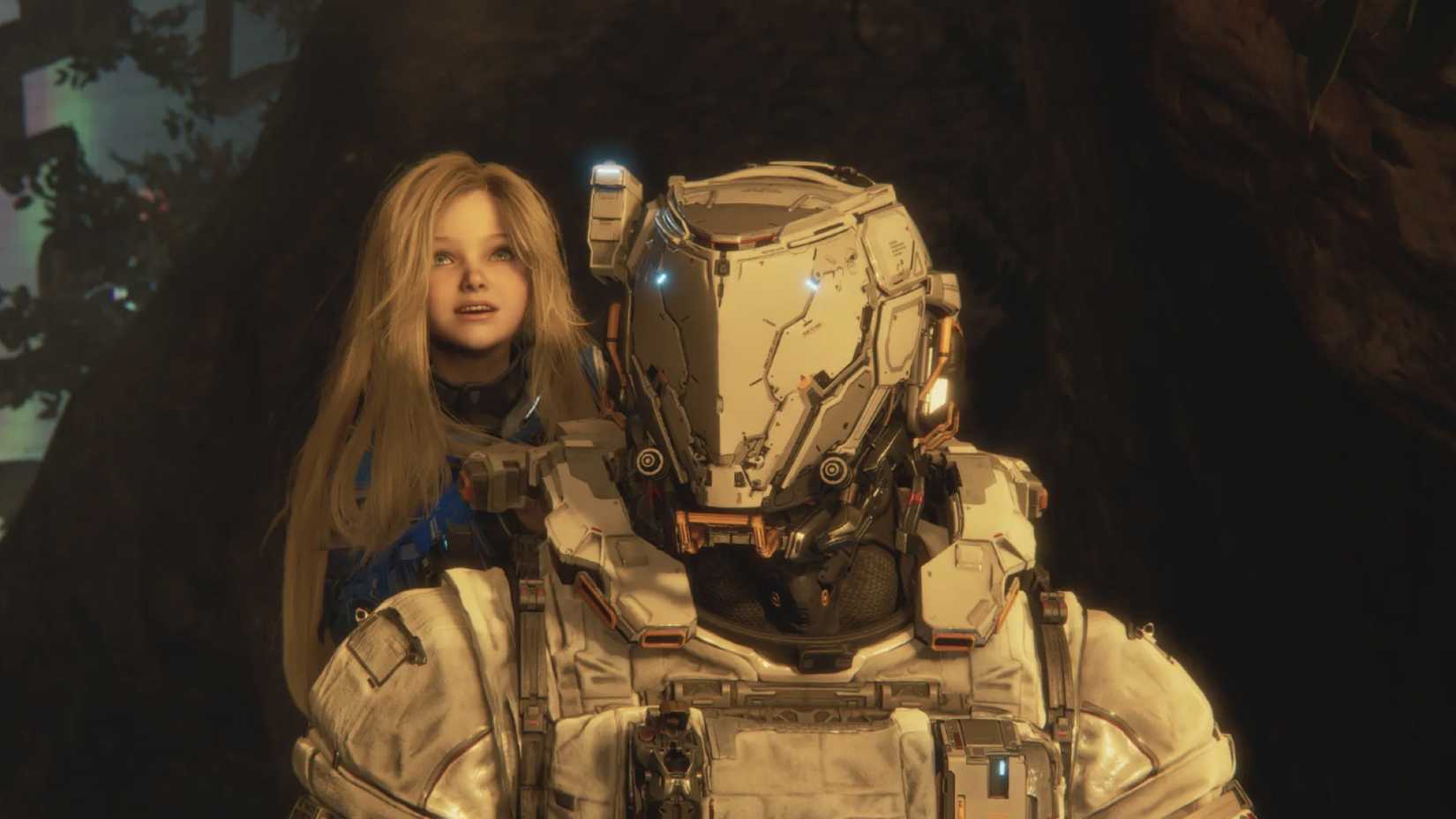
Image: Capcom
Austin Manchester reviews what is arguably the second most impressive lunar achievement of 2026.
I saw the first 15 minutes of The Mandalorian and Grogu
Jake Kleinman offers his perspective on the shifting trajectory of the Star Wars franchise.
Can anyone really replace Viggo Mortensen as Aragorn?
Rachael Conrad weighs in on whether the Jamie Dornan casting can truly capture the spirit of the iconic ranger.
Also this:
- The 100 greatest video game quotes of all time: Our most ambitious—and arguably most unhinged—special feature yet, which had our entire team spiraling into nostalgia.
- Mark Hamill speaks on Luke Skywalker’s legacy: Matt Patches interviews the legend himself to settle the fan debates regarding the character’s identity.
- Crimson Desert’s systemic issues persist: Marloes Valentina Stella examines a game that, while polished, still struggles to bridge the gap between “good” and “great.”
- 2026’s hidden gem: Giovanni Colantonio makes the case for Sol Cesto, a standout dungeon-crawler that demands your immediate attention.
Source: Polygon
Related articles
 Insider Claims Resident Evil Code Veronica Will Get Separate Ways-Style DLC
 Developers Fall Into Debt Amid Rising Popularity of “Teach Your Sister How to Drive” Simulator Demo
 Arc Raiders Creator Admits Fan Divide Risk Over Requested Game Modes
 Modder Working on RTX Remaster of Call of Duty: World at War Releases First Screenshots
 Digital Foundry Releases Optimized PC Settings Guide for The Witcher 3 Remaster
 Archive Materials Suggest Wing Commander 3 Remaster May Be in Development After 32 Years
 Hacker leaks gameplay of nude Lucia from GTA VI, but players focus on other details
 New 90% Positive Steam Roguelike Is a Faithful PSP-Era Comeback