
How Tom Cruise Created an Unstoppable Movie Franchise in 30 Perfect Minutes

It feels surreal to look back now, especially given the carefully curated persona Tom Cruise has projected for the last two decades, but the evidence remains: he spent much of his early career perfecting the art of playing the arrogant jerk. He didn’t play losers or anti-heroes in the traditional sense; rather, he specialized in cocksure characters who danced too close to the flame of their own ego. Throughout the 80s and early 90s, when that brand of high-octane smugness was arguably the ultimate status symbol in Hollywood, Cruise rode that wave to global stardom.
Typically, the “Cruise Jerk” archetype would find redemption through a heroic arc by the credits. Maverick in Top Gun serves as the archetypal example, while his portrayal of Charlie Babbitt in Rain Man offered a more complex, grounded take. In grit-heavy dramas like The Color of Money, he leaned fully into that unlikable energy, whereas films like Risky Business treated his swagger with a casual shrug. Later, the roles became more subversively clever. In A Few Good Men, his rigid, self-righteous moral superiority was the very thing that made him insufferable, while Jerry Maguire played with the meta-narrative: what happens when a famous jerk decides to stop being a jerk, only to realize the rest of the world hasn’t quite caught up?
This was the version of Cruise who stepped into the lead for the original Mission: Impossible. The Ethan Hunt of 1996 is light-years away from the self-sacrificing, messianic action hero we know today. In this film, you can see the remnants of that “Jerk Era”: the spiked ’90s hair, the leather jackets worn over questionable V-necks, that cocky, razor-sharp smirk, and the performative arrogance of his magic tricks. It’s a fascinating glimpse at a man who, despite a decade of fame, still exuded the restless, biting energy of his youth.
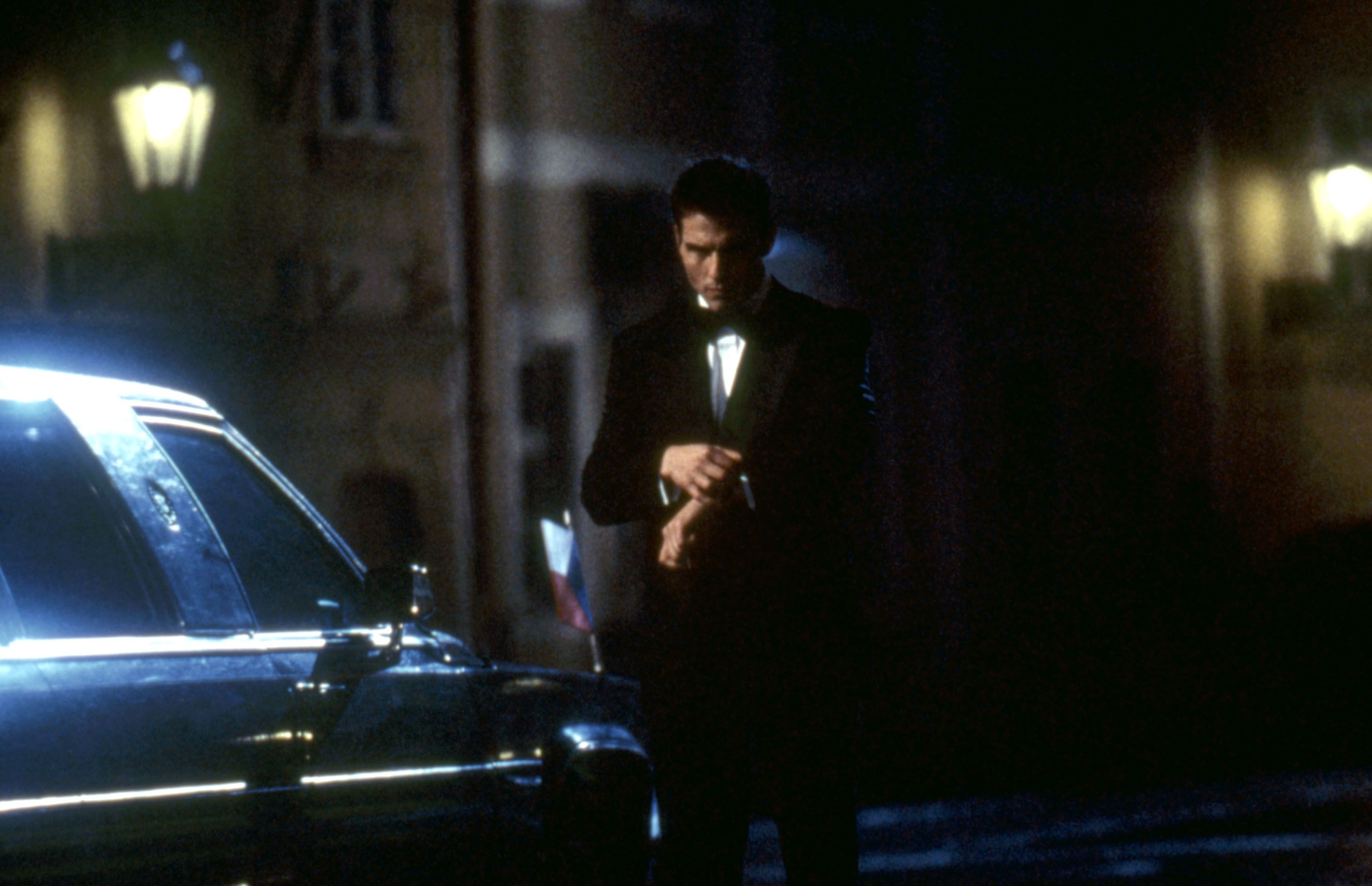
While the character’s core doesn’t undergo a massive overhaul during the runtime, the events of Mission: Impossible fundamentally rewrote the DNA of both Ethan Hunt and Tom Cruise himself. The seed of the “Jerk turned Savior” was sown within the film’s frantic first 30 minutes. That opening sequence remains a masterclass in tension, expertly executed by director Brian De Palma as he methodically disposes of an all-star IMF team—Jon Voight, Kristin Scott Thomas, and Emilio Estevez—leaving Hunt as the lone, framed survivor.
It is a textbook thriller sequence. De Palma utilizes a sleek, atmospheric Prague backdrop and his signature visual flair to keep the audience off balance, masking key details behind a veneer of mystery. Cruise commands the screen with a ferocious, focused intensity, particularly during the high-stakes confrontation with director Eugene Kittridge.
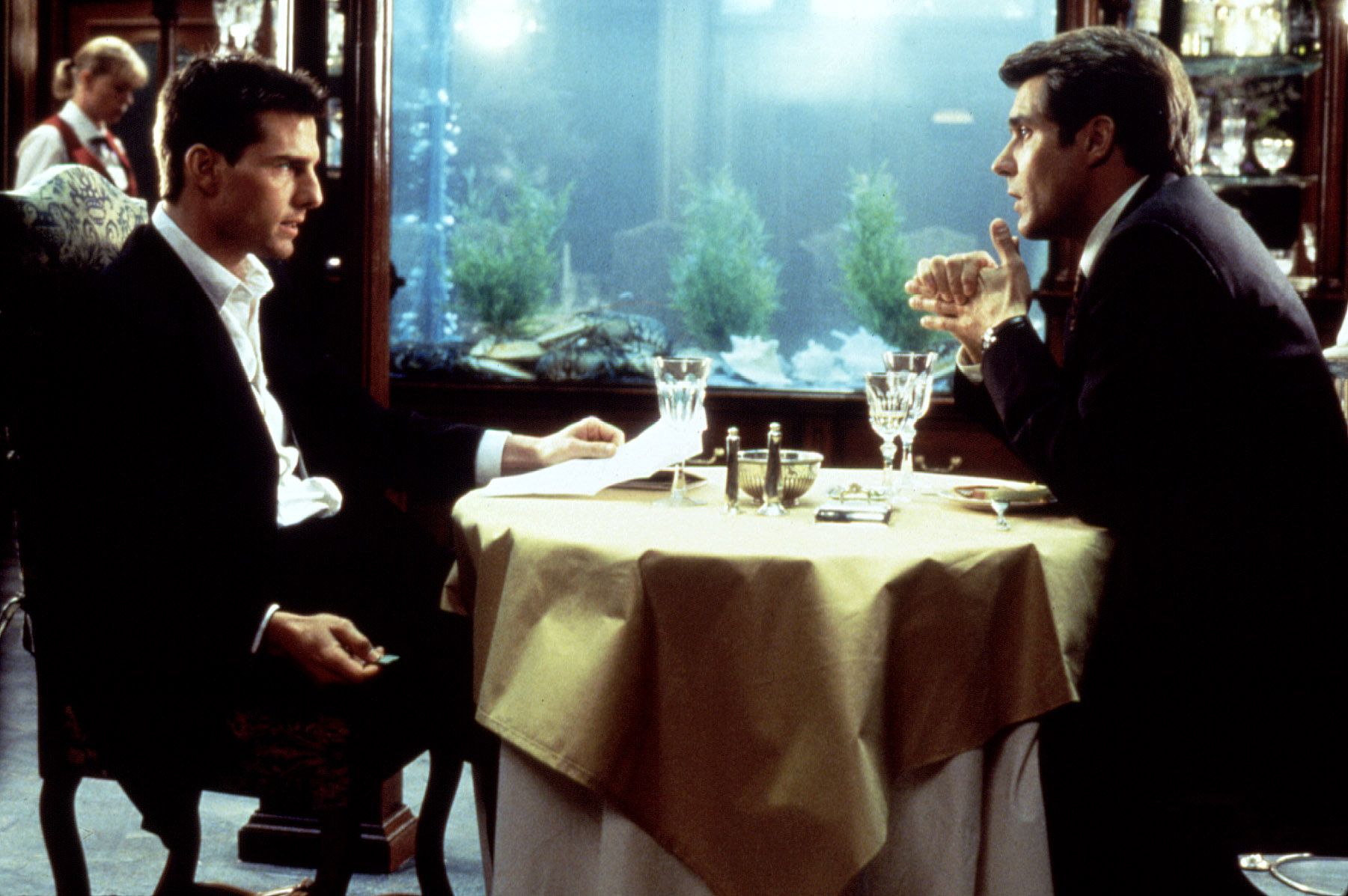
At the time, the twist was genuinely jarring—it felt like the franchise had sabotaged its own luxury ensemble cast from the start. As the series evolved, it attempted to rebuild a support system for Hunt with characters like Luther, Benji, and Ilsa, yet the paradox remained: the more people surrounding him, the more isolated he appeared. Following a few missteps in the sequels, the series eventually coalesced around a definitive mythos: Hunt is a solitary force, a specter who emerges to resolve global catastrophes before vanishing back into the void.
This dynamic shift wasn’t as apparent in the first installment, which felt more like a personal spy thriller than a globe-trotting stunt spectacle. It lacked the apocalyptic stakes of later entries, focusing instead on a grounded, cynical, and intricate hunt for a stolen computer file. Yet, symbolically, this film provided the perfect canvas for Cruise to reinvent his image. After the emotional turbulence that would follow in his real life, Cruise’s journey mirrored Hunt’s: both had to retreat from the human sphere, distancing themselves from the world to better serve it.
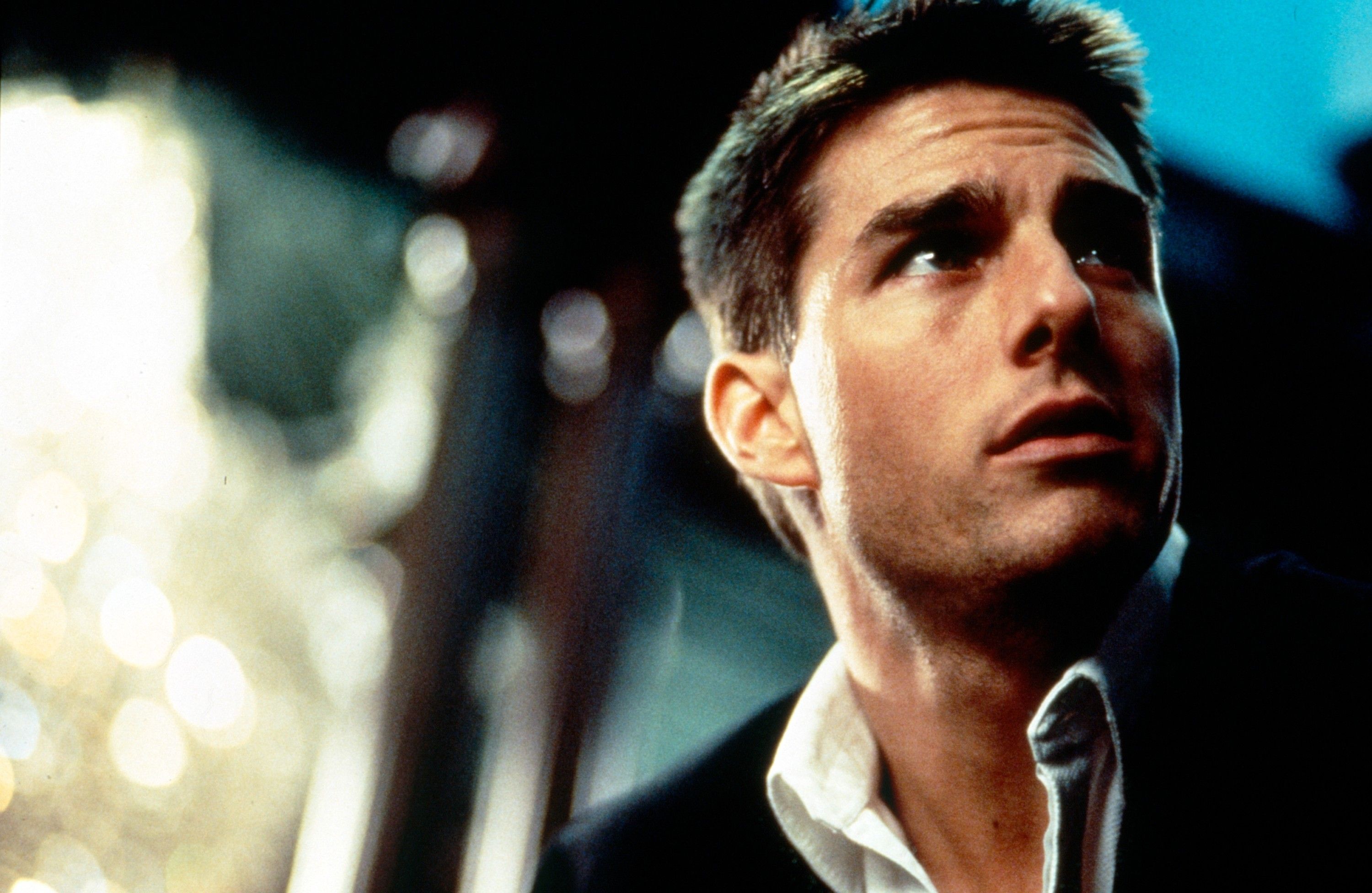
The tragedy and betrayal that defined those opening 30 minutes in Prague became the permanent bedrock of the franchise. The cocky kid looking for a score had effectively matured into the lonely guardian—a man who deeply values connection but is eternally resigned to the fact that he must bear the burden of heroism entirely on his own.
Mission: Impossible is currently available to stream on Paramount Plus.
Source: Polygon
Related articles
 GTA VI Rival Paradise MIA for 18 Months Following Controversy
 PS5 Pro Operated for a Year Inside a Cardboard Box in User Experiment
 Star Citizen Sees Drop in Revenue and New Player Inflow, Analyst Reports
 2K Warns Players As One of the Best Basketball Simulators Is Removed From Steam and Other Stores
 Fans Release Remaster of Canceled Borderlands Online After 11 Years
 Roman Smirnov Demonstrates Improved Destruction System in The Finals Ahead of Major Update
 Modders Convert Diablo II Resurrected into Virtual Reality First Person Game
 The 12 Best Video Game Series of the 1980s and ’90s, Ranked