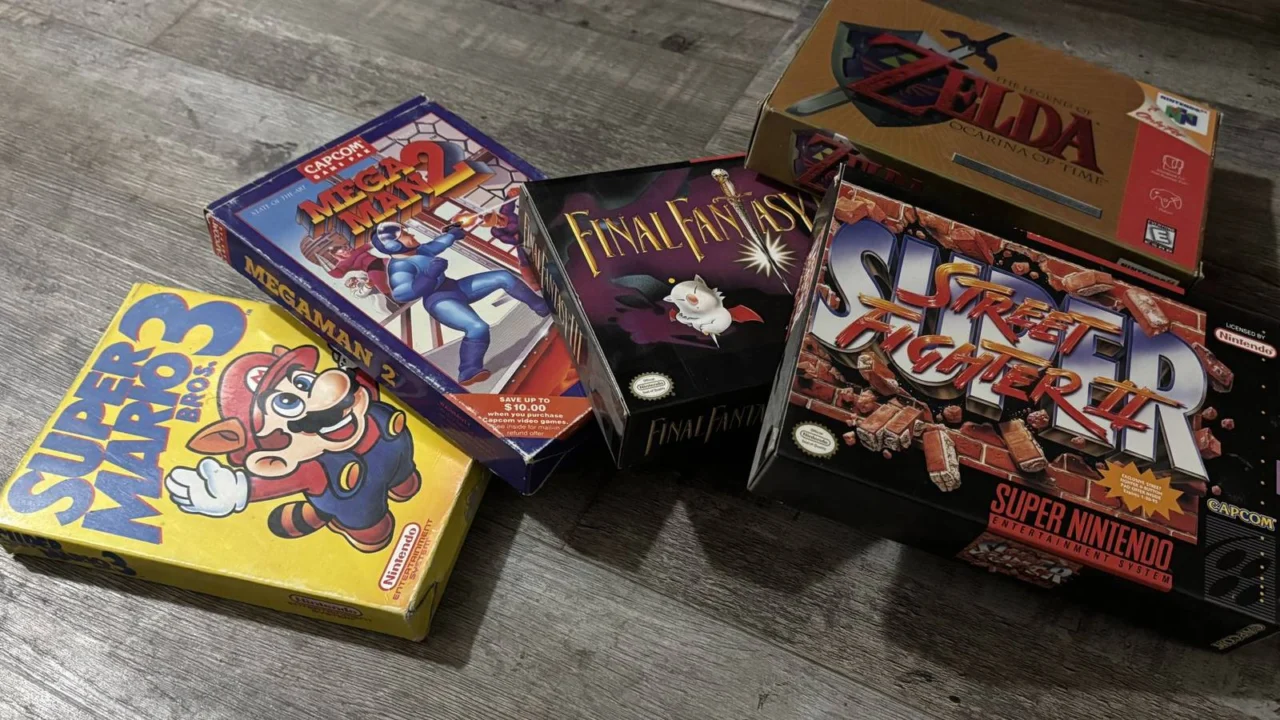
The 12 Best Video Game Series of the 1980s and ’90s, Ranked
Reflecting on the twentieth century and its remarkable entertainment legacy, our minds naturally drift toward the interactive masterpieces that defined our youth. Yet, this golden era delivered far more than mere personal favorites. Spanning iconic architectures like the Nintendo Entertainment System, Genesis, Game Boy, PlayStation, and personal computers, visionary heroes, genres, and series emerged to permanently alter the landscape. These trailblazers established foundational blueprints not solely for their respective creators, but for the entire evolution of digital entertainment. Presented here is our curated compilation of the twentieth century’s premier video game franchises, evaluated strictly by their enduring cultural footprint.
12
Madden
Publisher: Electronic Arts
When reminiscing about early video games, our thoughts frequently gravitate toward intergalactic starships, sword-wielding champions slaying grotesque beasts, or agile mascots leaping across floating platforms. Yet, entirely different horizons existed—a fact Electronic Arts acknowledged when introducing John Madden Football in 1988. This release inaugurated an unprecedented athletic simulation series forged in collaboration with the charismatic coach, player, and broadcaster. While EA distributed numerous athletic titles throughout the nineties, bridging fans with their favorite professional competitors, the enduring alliance with the NFL proved overwhelmingly dominant as the millennium drew to a close. Suddenly, individuals indifferent to fantasy royalty or cosmic mercenaries found an interactive experience that resonated deeply with their personal passions, prompting unprecedented mainstream adoption. It comes as little surprise that a biographical cinematic feature dedicated to Madden is currently in development.
11
Mega Man
Publisher: Capcom
Although the Blue Bomber endured a somewhat unsteady commercial beginning, subsequent installments—led triumphantly by Mega Man 2—swiftly eclipsed any initial shortcomings. For an extended period, successive calendar years consistently delivered pristine action-platforming excellence. This structured formula remained remarkably dependable as the resolute protagonist acquired an expansive repertoire of advanced capabilities and loyal allies. Across these adventures, octets of malfunctioning androids routinely wreaked havoc within a futuristic 20XX timeline, executing the sinister machinations of the diabolical Dr. Wily. This brilliantly concise blueprint powered numerous mainline entries alongside the celebrated Mega Man X offshoots and various arcade adaptations. While the character’s mainstream prominence has gently receded in recent years, his cultural footprint endures via animated television integration, appearances in crossover fighting tournaments, and anticipation surrounding upcoming projects like 2027’s Mega Man: Dual Override.
10
Castlevania
Publisher: Konami
While gothic exploration titles owe an immense aesthetic debt to Castlevania and its extensive library of sequels, the franchise claims an even loftier distinction: serving as foundational inspiration for an entire exploratory subgenre. That monumental achievement materialized via the universally acclaimed Symphony of the Night, which debuted on the Japanese PlayStation market on March 20, 1997. By that juncture, the overarching property had already generated acclaimed iterations across diverse hardware including the NES, Genesis, MSX, and Commodore 64. Initially inspired by classic cinema and gothic literature, the property now commands multimedia influence, yielding a critically acclaimed animated adaptation on Netflix. Furthermore, the intellectual property is presently experiencing a robust renaissance, highlighted by the anticipated October release of Castlevania: Belmont’s Curse across modern console and PC ecosystems.
Get Polygon’s Wishlister newsletter
A weekly cheat sheet to what you’ll eventually love to play. No buying, no commitment — just saving for later.
Free. Unsubscribe anytime.
9
Donkey Kong
Publisher: Nintendo
Tracing Nintendo’s illustrious heritage far enough into the past inevitably leads straight to Donkey Kong, the milestone property that firmly established the firm’s extraordinary potential within interactive entertainment. While revolutionary for its era, the original Donkey Kong arcade cabinet scarcely hinted at spawning a sweeping multi-generational dynasty, yet that is precisely what transpired. Donkey Kong Jr. inverted expectations by casting the former villain’s offspring in a heroic role, succeeded by quirky diversions like Donkey Kong 3 and educational offshoots. Years later, the iconic primate returned triumphantly in Rare’s breathtaking Donkey Kong Country trilogy, demonstrating Nintendo’s unmatched hardware mastery. Those technologically dazzling releases substantially prolonged the Super Nintendo’s commercial relevance prior to the introduction of the Nintendo 64, later inspiring modern revivals across subsequent hardware generations, culminating in the delightful surprise of Donkey Kong Bananza near the Nintendo Switch 2 debut.
8
Resident Evil
Publisher: Capcom
Raccoon City remains entirely fictional, existing merely as a digital construct much like Hyrule or the Mushroom Kingdom, yet its labyrinthine corridors feel as palpable and immersive as any metropolitan hub. Veterans vividly recall navigating desolate, shadow-drenched mansions while evading relentless undead hordes and desperately rationing precious typewriter ribbons to preserve progress. The claustrophobic exploration of decaying municipal infrastructure underscored a chilling reality: institutional authority offered zero protection against the nightmarish biological warfare engineered by the Umbrella Corporation. Resident Evil, alongside its extensive suite of sequels and narrative spinoffs, exerted monumental influence across pop culture, inspiring countless stylistic disciples (including Konami’s equally brilliant Silent Hill catalog), cinematic adaptations, and tabletop experiences. Today, the franchise maintains phenomenal momentum, even if matching the sheer atmospheric impact of its late-nineties zenith remains a daunting challenge.
7
Street Fighter
Publisher: Capcom
The competitive fighting empire truly ascended following the sensational arcade debut of Street Fighter II: The World Warrior in March 1991, which immediately commanded massive crowds of spectators. Its subsequent conversion to the Super Nintendo platform a year later enabled enthusiasts to master complicated special inputs from the comfort of home without continuously sacrificing quarters. However, for quite some time, experiencing the definitive iterations demanded a pilgrimage to local arcades, laundromats, pizzerias, and corner shops hosting the heavy cabinets. Capitalizing on this fervent consumer base, Capcom continuously expanded the property into animated features, theatrical films, and comic book adaptations. While rival heavyweights like Mortal Kombat and Tekken swiftly drew inspiration from Capcom’s blueprint, for countless purists, the peerless brilliance of Street Fighter II remains entirely unmatched.
6
Sonic the Hedgehog
Publisher: Sega
While Nintendo’s flagship plumber boasts undeniable charm, conventional coolness has never been his primary asset. Sporting denim overalls and a drooping mustache, Mario embodies blue-collar diligence rather than the swagger of a high-speed fantasy savior. Recognizing a strategic opening, Sega engineered a dynamic counter-offensive: Sonic, an attitude-driven blue hedgehog outfitted in crimson footwear and sleek shades, defined by breathtaking, boundary-pushing velocity. Accompanied by the frantic scattering of golden rings upon accidental hazard impacts, the blue blur offered an exhilarating rush. Following the historic launch of Sonic the Hedgehog on June 23, 1991, an intense console rivalry erupted, compelling schoolyard factions to declare steadfast corporate loyalties. While the passionate debates of that era now read like ancient history, during the nineties, those console wars fueled the daily excitement of millions.
5
Pokemon
Publisher: Nintendo
Whoever conceptualized the legendary imperative “Gotta catch ‘em all” earned every conceivable accolade, as those four simple words transformed into a rallying cry for an entire generation. While anxious adults occasionally panicked over perceived esoteric influences, young enthusiasts eagerly dedicated endless hours traversing pixelated tall grass, deploying capture spheres to secure exotic creatures for their competitive rosters. While the franchise maintains astronomical financial dominance today, the phenomenon felt paradoxically grander during its nineties genesis. Physical trading cards dominated school corridors, constant appeals for replacement batteries sustained late-night progression toward elusive gym leaders, and direct cartridge linking facilitated fierce social exchange between owners of contrasting version variants. Supplemented by a wildly popular animated television adaptation, the property cemented its status as an enduring entertainment titan capable of commanding immense global devotion.
4
Doom
Publisher: id Software
Can your domestic refrigerator or digital thermostat execute a functional build of Doom? The affirmative answer rarely shocks modern observers. For decades, virtually any apparatus possessing modest computational capacity and an electronic display—alongside various absurd non-traditional hardware items—has been enthusiastically coaxed into running id Software’s seminal first-person shooter. The original masterpiece catalyzed the popularization of local area network (LAN) multiplayer gatherings, hurled players directly into the infernal depths of hell, and spawned an immensely influential franchise that shaped an entire genre. Although the series occasionally occupies a quieter cultural space today—even accounting for the triumphant 2016 modern reboot and its subsequent chapters—the monumental historical significance of its initial rampage remains indelible.
Get Polygon’s Wishlister newsletter
A weekly cheat sheet to what you’ll eventually love to play. No buying, no commitment — just saving for later.
Free. Unsubscribe anytime.
3
Zelda
Publisher: Nintendo
The Legend of Zelda began with a deceptively straightforward narrative reminiscent of timeless folklore, yet it blossomed into one of the most revered intellectual properties in interactive history. One need only observe the enduring reverence surrounding projects like the Ocarina of Time modern adaptations to recognize its stature. During the nineties, alongside television adaptations for fellow Nintendo luminaries, the fantasy epic even inspired a brief animated series. However, the interactive software consistently proved to be the true draw, commencing with foundational NES chapters before a monumental Super Nintendo sequel persuaded countless holdouts to embrace 16-bit hardware. Link’s Awakening astonished players by packing an expansive world into portable Game Boy cartridges, before Ocarina of Time completely redefined spatial exploration with its groundbreaking transition into three dimensions. Endlessly imitated yet rarely surpassed, the Zelda legacy remains an absolute titan of modern design.
Source: Polygon
Related articles
 Star Citizen Sees Drop in Revenue and New Player Inflow, Analyst Reports
 2K Warns Players As One of the Best Basketball Simulators Is Removed From Steam and Other Stores
 Fans Release Remaster of Canceled Borderlands Online After 11 Years
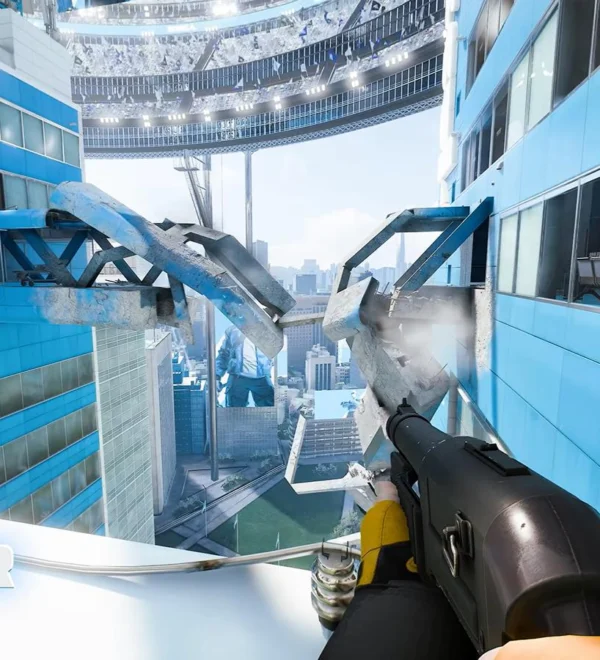 Roman Smirnov Demonstrates Improved Destruction System in The Finals Ahead of Major Update
 Modders Convert Diablo II Resurrected into Virtual Reality First Person Game
 Modder Ports Quest Overhaul Mod for The Witcher 3 Remaster
 Dan Houser Calls GTA Comparisons a Compliment but Wants New Games to Stand on Their Own
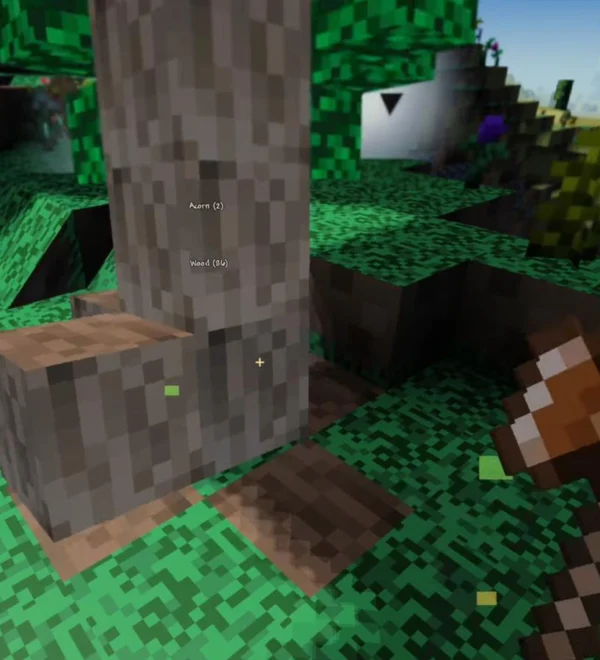 Fan creates 3D first-person version of Terraria