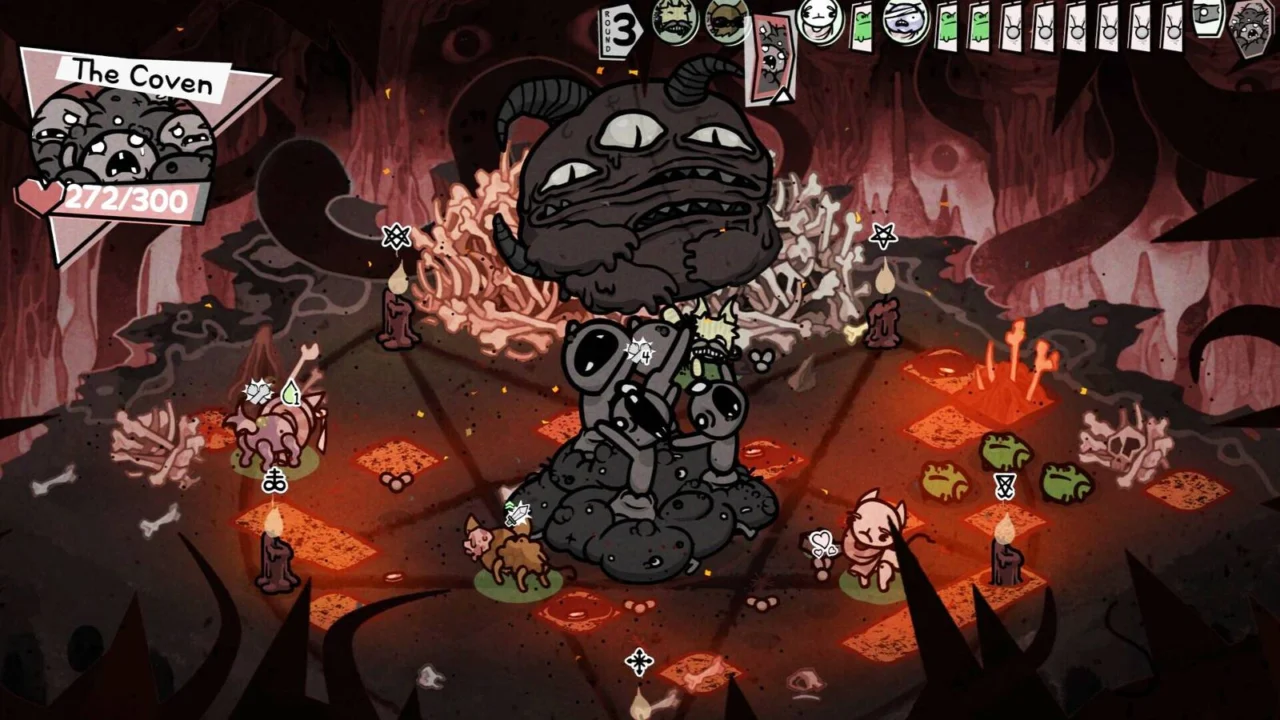
How to Disable the Anti-Save Scumming Feature in Mewgenics
In the unforgiving landscape of roguelikes, the cycle of death and rebirth is usually the primary teacher. However, in the tactical RPG Mewgenics, the stakes feel significantly higher—mostly because witnessing the demise of your feline companions is a bitter pill to swallow. While the game’s “death sentence” is intended to be final, there are ways to circumvent it. The real dilemma is whether doing so enriches or diminishes the experience.
By design, Mewgenics is built to resist “save scumming”—the act of restarting a session to negate a poor outcome. The software monitors mid-battle exits and responds with an escalating series of penalties. Your first transgression earns a stern, Resetti-esque lecture from an entity named Steven. A second attempt inflicts a permanent “disobedience” debuff on your cats, giving them a 10% chance to ignore your tactical commands. If you persist a third time, Steven effectively hijacks your save file. While you can still manage loadouts and trajectories, the actual combat is handed over to the AI, turning you into a passive observer of your own campaign.
This system is surprisingly nuanced, offering a “grace period” for genuine accidents. Since Mewgenics lacks a mid-combat “save and quit” feature, the developers acknowledge that life—or technical glitches like game crashes and misclicks—can interrupt a session. Because encounters are brief but intense, losing progress to an outside factor can be frustrating.
If you find yourself backed into a corner, there are technical maneuvers to bypass these restrictions. On Windows, the most reliable method involves opening the Task Manager (Ctrl + Alt + Del), navigating to the Details tab, right-clicking Mewgenics.exe, and selecting “End Process Tree.” Precision is key here: the process must be terminated before the game transitions into a new state. For instance, if your squad is wiped out, you must kill the process before the screen fades back to the home sanctuary. Note that while this usually resets you to the world map—allowing for loadout adjustments—reloading during a roaming boss fight will often dump you right back at the start of the encounter with your current team locked in.
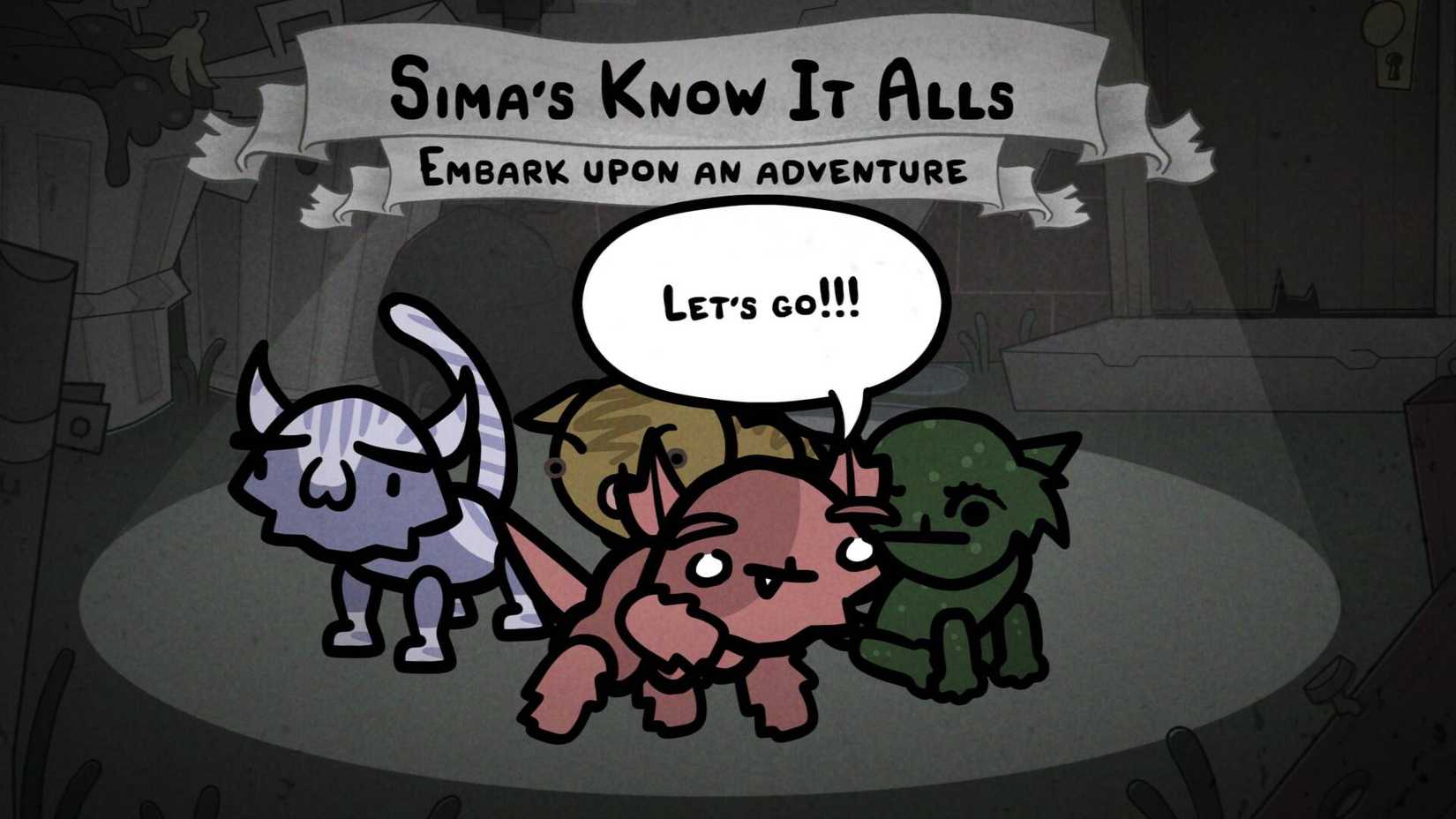
Even with these tricks, the game frequently forces your hand. Mewgenics is rife with scripted events and ruthless RNG that cannot be easily dodged. Whether it’s a cat spontaneously combusting, contracting a terminal illness, or simply vanishing into the void, some outcomes are hard-coded based on your current stats. Attempting to reload a failed skill check often results in the game re-triggering the event until the failure sticks. Furthermore, domestic life is just as dangerous; cats can perish from old age or lethal brawls with their own siblings while resting at home.
One could argue that this volatility is the soul of the game. Permanent consequences force players to adapt and experiment with sub-optimal builds, making a successful run feel earned rather than manufactured. Fortunately, the game rarely leaves you completely destitute. A steady influx of daily strays and “pity” recruits ensures you always have fresh blood for your breeding and adventuring programs. Even the AI-controlled “Steven mode” offers a unique perspective, as the computer’s surprisingly sophisticated strategies can reveal synergies you might have overlooked. If you choose to defy the game’s design, do so with caution—but remember that in Mewgenics, the most memorable stories often grow from the ashes of a total wipeout.
Source: Polygon
Related articles
 Flying Hopper Enemies From the Film Added to Starship Troopers: Extermination
 Hockey roguelike with referee bribes and special abilities gets full release on Steam and consoles after 3 years
 No More Room in Hell 2 Gets New Map and Progression System in Camp Blood Update
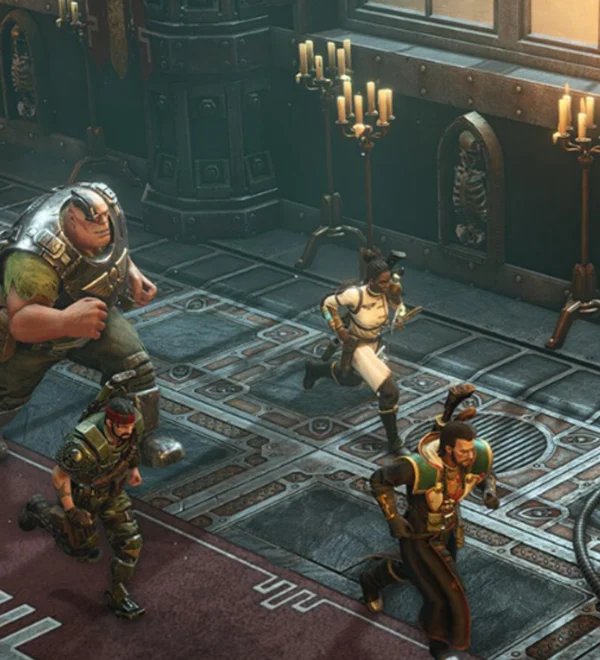 Owlcat Shows Lady Inquisitor and Massive Power Armor in New Warhammer 40,000: Dark Heresy Teasers
 Legend of Zelda Movie Cast List: Who Plays Link, Zelda and Ganondorf So Far
 Pokémon Pokopia Player Discovers Trick to Get Missing Event Pokémon
 New «Avengers: Doomsday» Teaser Features Two Captain Americas and Fantastic Four Baseball Game
 One Piece: Grand Gourmet Restaurant Sim Launches on Mobile and PC