How Pokémon: The First Movie Helped Me Embrace My Inner Geek

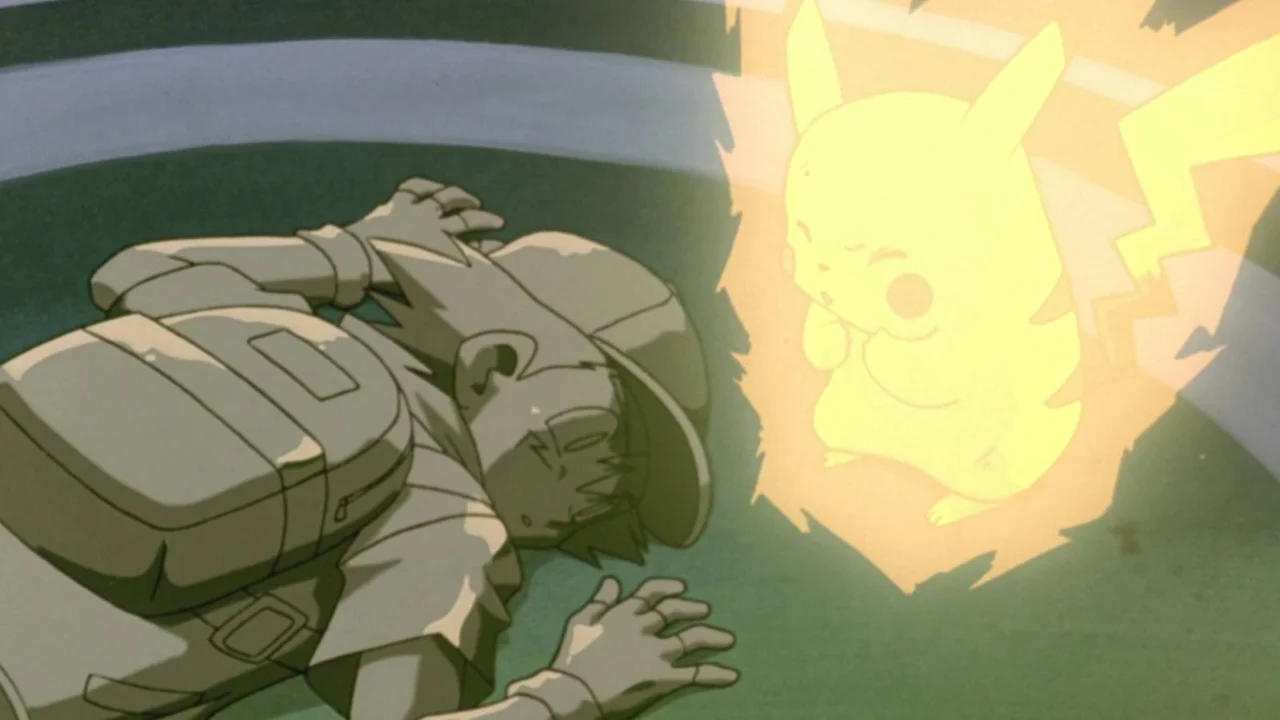
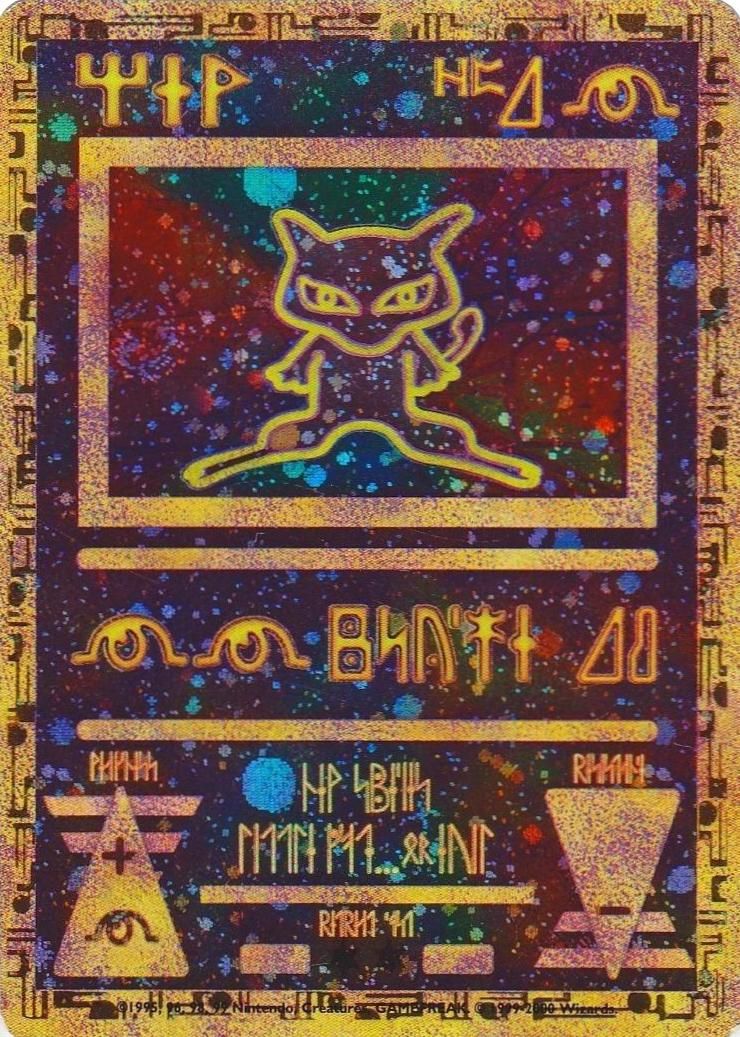
The dawn of the new millennium had arrived. We had successfully navigated the Y2K scare, the PlayStation 2 was a fresh marvel on the market, and for a nearly 13-year-old boy in southern Italy, life felt surprisingly stable. That April, the cultural zeitgeist was dominated by a single event: Pokémon: The First Movie was hitting theaters. The Pokémon phenomenon, which had held a monopoly over my imagination for years, was reaching its cinematic peak. Perhaps even more enticing was the promise of a rare, shimmering Ancient Mew card for every ticket holder—a treasure I was determined to claim.
Yet, as I prepared for the screening, my excitement was eclipsed by a deep, gnawing sense of social anxiety. It wasn’t joy I felt, but a profound sense of shame.
In the modern era, the Pokémon community is a vast, inclusive tapestry that spans every generation and demographic. Twenty years ago, however, the boundaries were much more rigid. I was on the precipice of high school, a time when I felt pressured to trade “childish” monsters for more “mature” pursuits like motorbikes and social posturing. My fellow enthusiasts were mostly neighborhood kids several years my junior—hardly the peers one could engage in a serious Trading Card Game strategy session with. I felt like an outlier in my own hobby.
Despite the internal conflict, the lure of Mewtwo’s big-screen debut and that elusive promotional card won out. I attended the screening alone, feeling a sting of embarrassment even when explaining my destination to the family members driving me there. Inside the theater, the sight of toddlers and disinterested parents only intensified my feeling of being out of place. However, the moment the lights dimmed, that self-consciousness evaporated. For 75 minutes, I was transported, eventually leaving the theater with my precious holographic prize clutched tightly in my hand.
Looking back through the lens of adulthood, that shame seems entirely misplaced. Twelve is an perfectly reasonable age to enjoy such a vibrant world. But cultural context is everything. My hometown, while not overtly hostile, was a place where social hierarchy and “fitting in” were paramount for survival. Bullying was a frequent reality, and geeky interests were often kept under lock and key. This habit of secrecy followed me for years; I vividly remember a girlfriend in my early twenties suspecting I was being unfaithful because I was too embarrassed to admit I was actually at home painting wargaming miniatures. “I promise, it’s just plastic Orcs!” is a strange defense to have to make.
The transformation of popular culture over the last two decades remains staggering. A running joke among my old friends captures it perfectly: years ago, you would hide a manga volume inside the pages of a suggestive magazine to maintain your “cool” factor. Today, you’d almost have to do the opposite.
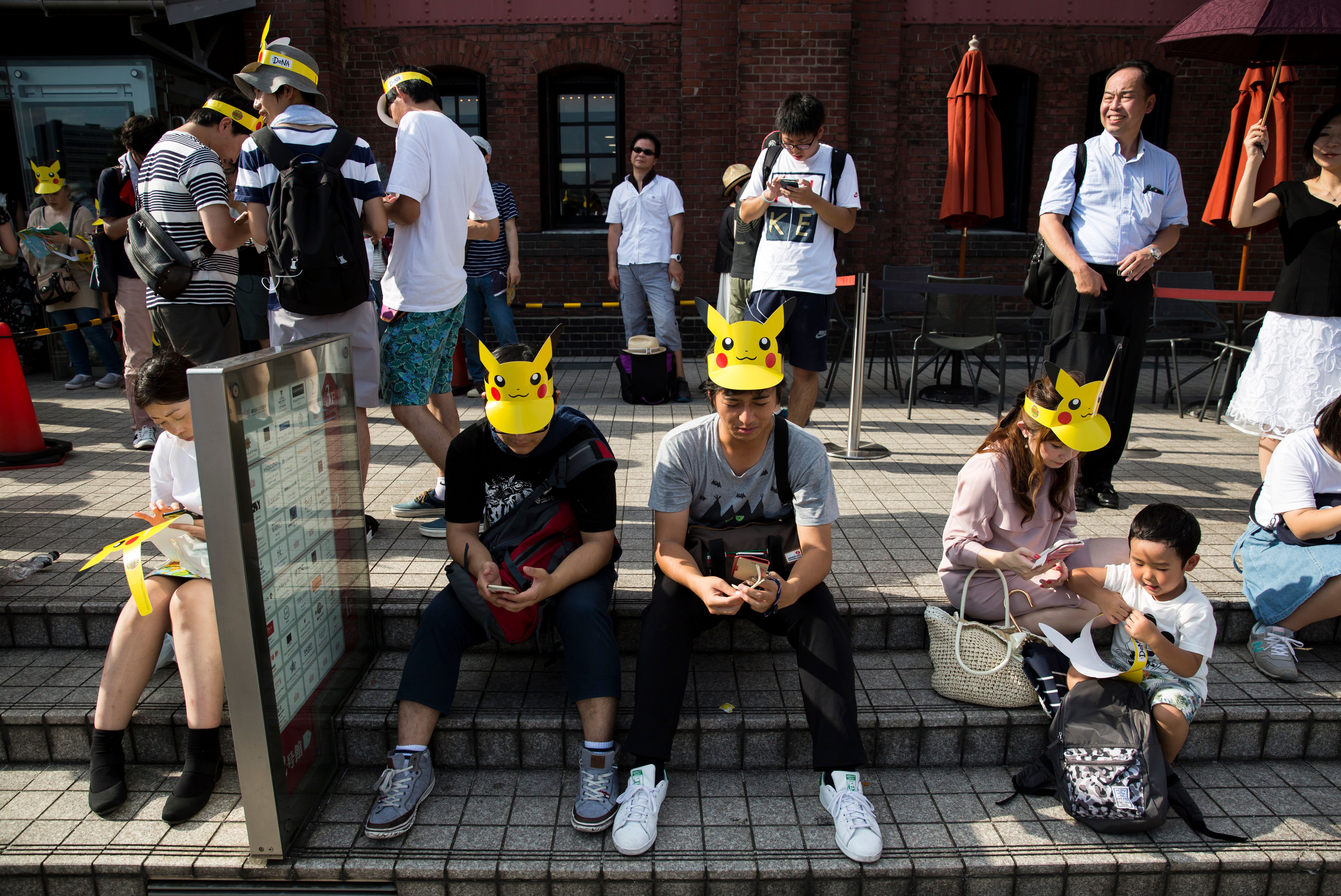
The migration of geek culture into the mainstream is a rare bright spot in our modern era. While I occasionally indulge in “grumpy veteran” stories—recalling the dark days of downloading fansubbed *Naruto* episodes over dial-up—I cannot deny that the current climate is vastly superior. Seeing teenagers proudly wearing anime merchandise in my once-stagnant hometown is a testament to how far we’ve come. What was once a recipe for social exile is now the engine of global entertainment.
Pokémon played a pivotal role in this shift. Its reach was unparalleled, perhaps only rivaled by *Dragon Ball*. Yet, the latter always seemed more “socially acceptable” to the uninitiated, likely because its emphasis on martial arts and high-stakes combat felt more traditionally masculine. Pokémon, with its themes of friendship and collecting, had a harder road to travel before achieving universal acclaim.
My only true regret from that era isn’t the temporary embarrassment, but my own failure as a curator. That Ancient Mew card, along with much of my original collection, has long since vanished. It isn’t a matter of monetary value; it would have been a physical reminder of a hard-won lesson: never apologize for the things that bring you joy. Embrace your passions—just maybe keep a respectful distance from the Gardevoir fan art.
Source: Polygon
Related articles
 Hideo Kojima Will Appear in Cyberpunk: Edgerunners 2, Cyberpunk 2077 Developers Say
 Saros Zenith Update Adds Slow Game Speed, Auto-Fire and Other Options to Make Combat Easier
 Super Meat Boy 3D Adds Jack Pepper From MOUSE: P.I. for Hire
 Fan Remake of Fallout 3 on Fallout: New Vegas Engine Shown With Ray Reconstruction and Neural Rendering
 Two Double Fine Games and Six Other Titles Leaving Xbox Game Pass
 Launch-Ready: Every Modern Warfare 4 Operator, Weapon, Piece of Equipment, and Multiplayer Create-a-Class Feature
 GTA 6 Sounds Set to Feature Red Dead-Style Details, Like the Infamous Horse Testicles
 How to Make Goo in Enshrouded