
Godzilla Minus One is copying a brilliant idea from the most unwatchable Godzilla movie ever made

The debut teaser for Godzilla Minus Zero has arrived, and the most striking revelation isn’t the narrative itself, but its unexpected backdrop. Picking up two years after the events of Godzilla Minus One, the sequel follows former Kamikaze pilot Kôichi Shikishima and his family as they navigate a post-apocalyptic Japan. While the trailer offers glimpses of the familiar Japanese landscape, the final, haunting frame shows the King of the Monsters looming over the Statue of Liberty.
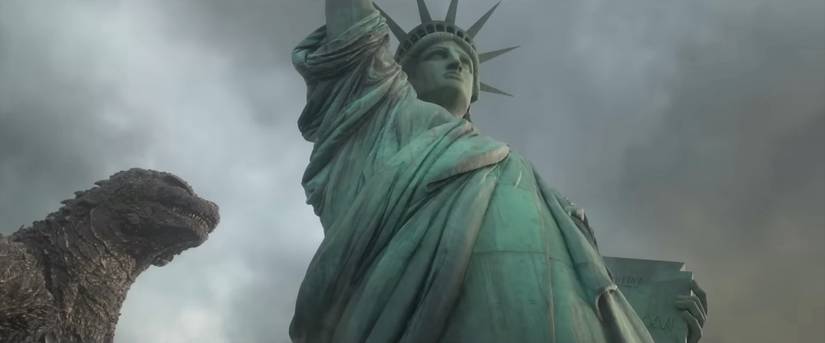 Image: Toho
This marks Godzilla’s first return to New York since the divisive 1998 adaptation. Despite the film’s notorious reputation among fans, it contained several standout sequences that, in hindsight, showed real cinematic flair. While I wouldn’t suggest a full rewatch, there are specific stylistic choices from the ’98 blockbuster that could translate brilliantly to the grit and intensity of Godzilla Minus Zero. Here are five elements that deserve a modern reimagining.
5 Godzilla as a Global Menace
Roland Emmerich, fresh off the success of Independence Day, injected his 1998 film with a grand sense of geopolitical scale. The monster wasn’t just a localized nuisance; it was an existential threat to humanity. This scope—illustrated effectively through international warnings and lore-building—gave the monster a presence that transcended city limits. It would be fascinating to see Minus Zero elevate the threat level similarly.
4 The Aquatic Entrance
While we expect Godzilla Minus Zero to push the envelope on visual effects, the 1998 film nailed the “sudden terror” arrival. The scene where a quiet fishing expedition turns into a nightmare as the beast breaches the water remains a masterclass in tension. Mimicking this sudden, chaotic emergence could ground the sequel’s action in a visceral, organic horror.
3 The Erasure of Iconic Landmarks
There is a grim, cinematic satisfaction in watching the structural pride of a city get decimated. The 1998 film made great use of the Manhattan skyline, from the Chrysler Building to the bridges. As Godzilla touches down in New York once more, the opportunity for large-scale, high-stakes destruction against recognizable architectural icons is something Minus Zero shouldn’t pass up.
2 High-Stakes Aerial Dogfights
The standout set-piece of the ’98 film was undoubtedly the helicopter chase. By placing the camera in the pilot’s seat, the audience felt the terrifying agility required to navigate the urban canyons while being hunted. Given the impressive aviation sequences already established in the previous installment, translating that “low-altitude, high-speed” intensity to the density of NYC would be a natural evolution for the series.
1 The Quintessential Yellow Cab Chase
New York and its yellow taxis are inextricably linked. The 1998 film used this local flavor to ground the kaiju threat in the city’s unique, frantic energy. Since the timeline for Godzilla Minus Zero aligns with the post-war era—a time when the yellow cab was already a staple of the streets—director Takashi Yamazaki has the perfect opportunity to pay homage to the city’s identity by choreographing a tense, high-speed escape through the streets.
Source: Polygon
Related articles
 Valve’s User Agreement Allows the Company to Revoke Unused Steam Wallet Funds After Six Months
 Valve Approves Fan-Made Left 4 Dead 2 Outbreak 64-Bit Port on CS:GO Engine
 FromSoftware Fans Criticize Bloodborne PC Port Over AI Use
 Battlestar Galactica Season 3 Episode Exodus Marks 20th Anniversary
 Modders Release Gameplay Trailer for Cyberpunk 2077 Cooperative Modification
 Insider Claims Resident Evil Code Veronica Will Get Separate Ways-Style DLC
 Developers Fall Into Debt Amid Rising Popularity of “Teach Your Sister How to Drive” Simulator Demo
 Arc Raiders Creator Admits Fan Divide Risk Over Requested Game Modes