FromSoftware’s Forgotten PS1 Horror Game Echo Night Explored Empathy Before Dark Souls
FromSoftware’s history includes plenty of cold sweat. Today the studio is known for punishing action RPGs like Dark Souls and Elden Ring, but its roots lie in games that feel like fever dreams. The darker side shows up in Kuon, a survival horror game steeped in Japanese folklore, and in Shadow Tower, a claustrophobic dungeon crawler where every dark alcove can hide a trap. Even Eternal Ring carries that unsettling aura. Don’t confuse it with its blockbuster sibling Elden Ring.
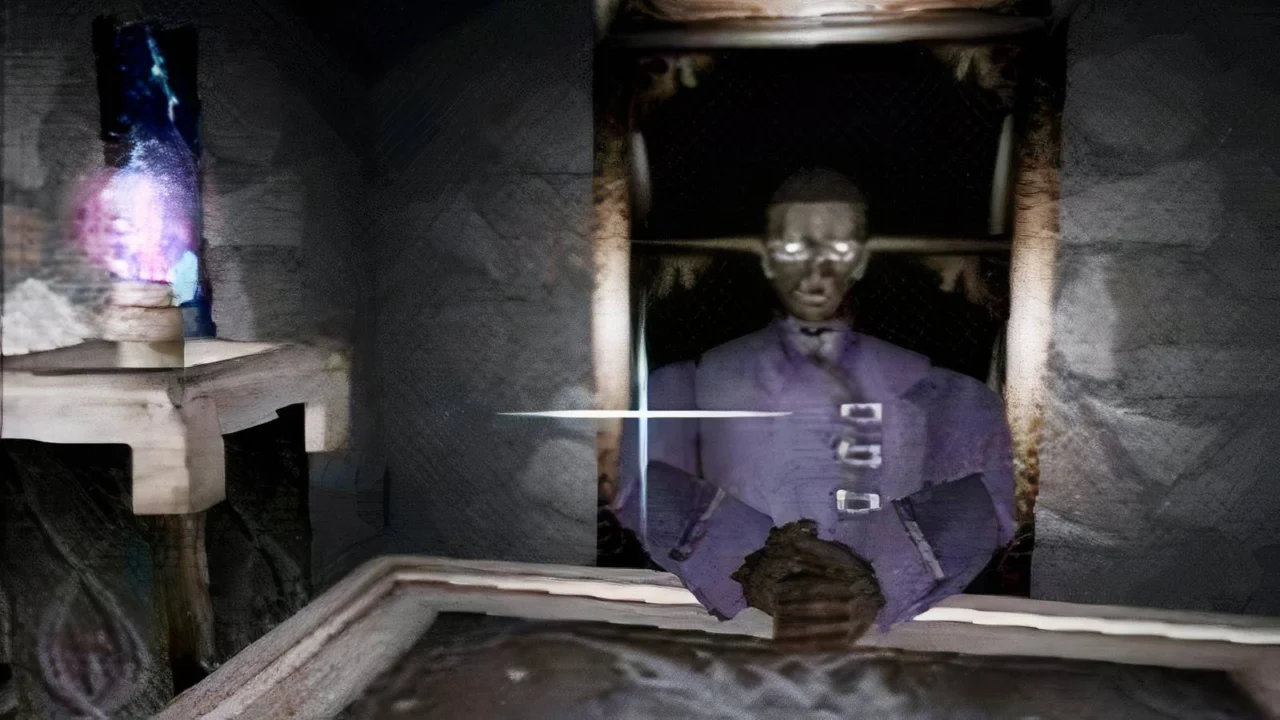
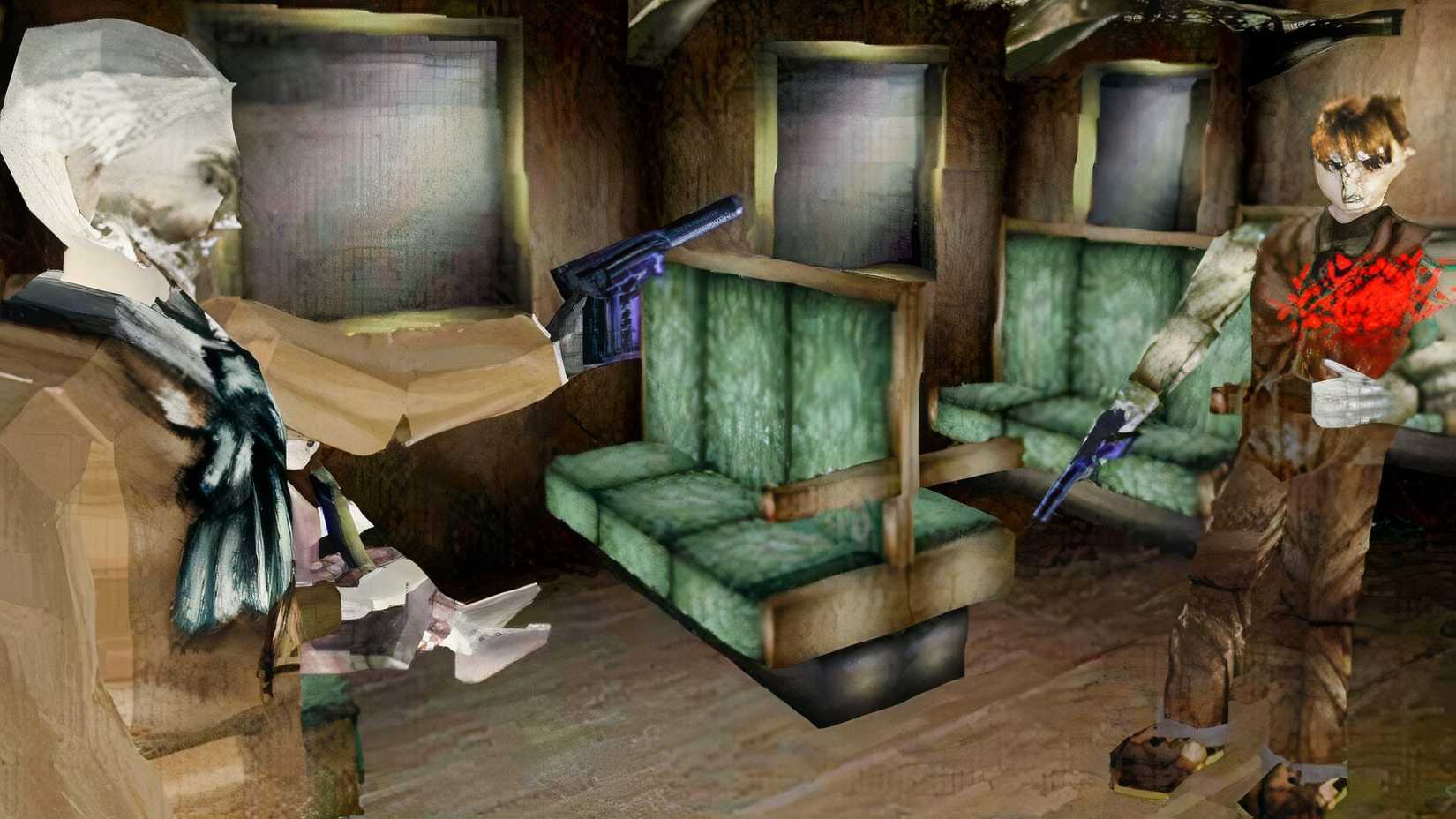
Nearly three decades after its debut, one of the studio’s most interesting experiments in terror still gets overlooked. Echo Night arrived in 1998 on the original PlayStation and broke from the genre’s habits. It skipped spilled blood and slain gods. Its ghost story asks you to lay restless souls to rest on an abandoned cruise ship.
You play Richard Osmond, who goes looking for his missing father and finds a strange painting. The painting carries him onto the Orpheus, a long-lost ocean liner haunted by spirits stuck in their regrets. To escape, Richard has to uncover the ship’s dark history and give its forgotten passengers the closure they crave.
A horror game built on mercy

Toshifumi Nabeshima wrote and produced Echo Night. He passed on the combat-heavy, gory formula of typical ’90s survival horror, and he didn’t lean on the scarce resources that Resident Evil popularized. He made a quieter adventure built around observation and emotional release.
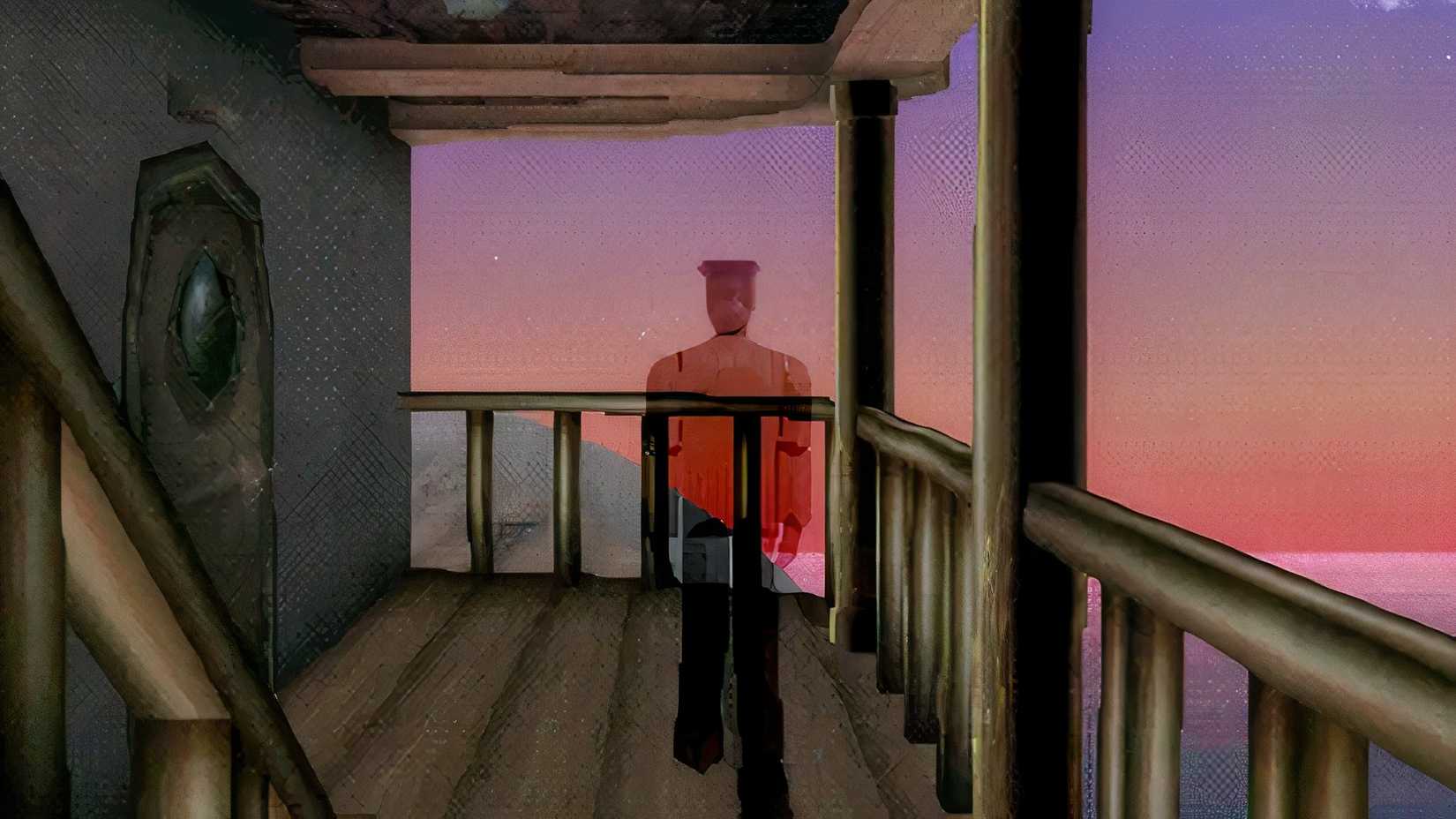
Hostile spirits don’t ask you to pull a trigger. You race through pitch-black rooms looking for a light switch, because light is your only defense against them. Progress then becomes a series of spectral mercy missions. You might hunt down a missing ring for a grieving widow or solve a riddle so a trapped sailor can move on. Each time a soul fades into rest, you receive an Astral Piece. The ghosts aren’t obstacles to destroy. They are victims waiting for someone to understand them.
The small tragedies matter most
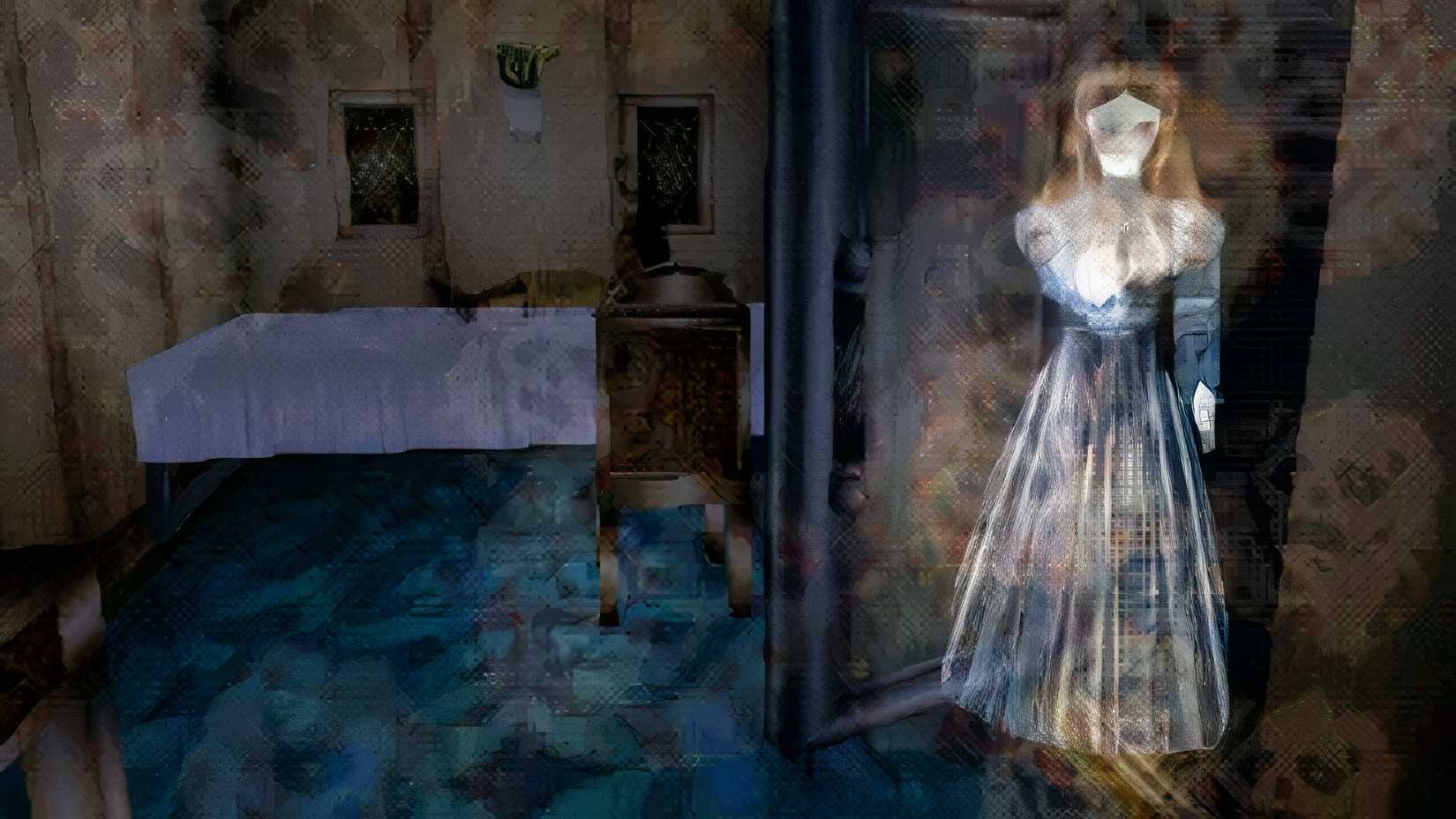
A larger mystery ties together Richard’s father and the Orpheus, but the game’s real strength lies in its self-contained stories. One of the most affecting involves John Cutter, a young crewman stuck in limbo. He waits endlessly for his fiancée, Sistina, who never shows up. He died believing she had abandoned him. In fact she arrived too late and spent her afterlife searching for him in another part of the ship.
Richard delivers a simple keepsake and clears up decades of misunderstanding. The two spirits find each other and find peace. In detours like this one, Echo Night shows that its smaller stories can hit harder than the main plot.
A trilogy few people know
The formula worked well enough to produce a trilogy, though it stays obscure outside niche horror circles. Echo Night 2: Lord of Nightmares (Nemuri no Shihaisha) came out in 1999 and never left Japan. It moved the ghostly investigation to a gothic mansion and sharpened Nabeshima’s focus on interconnected character vignettes. Series fans widely consider it the franchise’s high point and worth tracking down through fan-translation patches.
In 2004 the series jumped to the sixth console generation with Echo Night: Beyond, which sends players to an abandoned research base on the Moon. Critics at the time balked at its slow pace and its polarizing suit-oxygen mechanics. Beyond has since built a devoted cult following. It kept the series’ core identity intact: a melancholic journey where helping lost souls find closure is your only real goal.
Echoes in later FromSoftware games
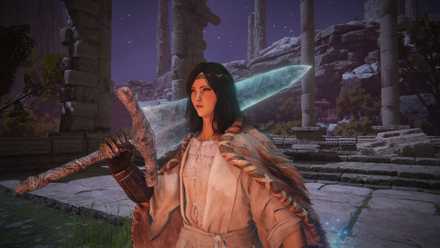
Echo Night anticipates a sensibility that runs quietly through the studio’s later work. The mournful environmental storytelling of Dark Souls and the fragmented lore of Elden Ring come from the same place. All three games expect you to piece together forgotten tragedies yourself instead of hearing them explained in dialogue or long cutscenes. Echo Night works as a proto-Soulslike in spirit, though not in combat. Compassion outranks violence, and the final victory comes from helping a forsaken soul rest instead of slaying a god.
The industry often turns death into a sport and horror into a shooting gallery, and Echo Night offers a quiet alternative. It shows that horror can hurt more when the source is the tragedy of being forgotten and not a monster in the dark. FromSoftware later taught players how to survive its grueling nightmares. Long before that, Echo Night showed how to heal them. It left behind a ghost story that lingers in the heart like a half-remembered lullaby.
Related reading: For 32 years, FromSoftware has stayed true to one cool sword. This piece is also part of The 2026 Halloween Countdown: 31 days of horror to watch and play.
Source: Polygon
Related articles
 Antonio Banderas Joins Nicolas Cage in 'True Detective' Season 5
 Fans Flood Cyberpunk: Edgerunners Showrunner With Requests to Bring Back David
 Mike Flanagan Explains How New Dark Tower Adaptation Will Avoid Mistakes of Idris Elba Film
 The Sims 2 Modding Community Bans Vibe-Coded Mods to Protect Players
 PS5 Exclusive Marvel’s Spider-Man Shown Running on Xbox Series X in Gameplay Footage
 Former Dying Light Franchise Head Looks for a “New Kojima” to Help Release an Unusual Game
 PlayStation Reportedly Moving Away From Discs While Xbox Prepares to Revive Physical Releases, Insider Claims
 Valve Veteran Explains Steam’s Popularity, Says Gabe Newell Views the Service as an MMO